North Dakota CRP Acres and Pheasant Numbers
For any pheasant hunter in North Dakota, few things are as frustrating as fluctuating bird numbers and trying to pinpoint where the birds are holding each season. We all know that good habitat is the backbone of any healthy pheasant population, and the Conservation Reserve Program (CRP) has long been touted as a savior for these beloved game birds. But understanding how CRP actually impacts pheasant numbers and what that means for your hunting strategy can feel like trying to read tea leaves. This guide will demystify the crucial relationship between North Dakota's CRP acres and its pheasant populations, offering insights into how this vital habitat ebbs and flows, and how you can use that knowledge to find more birds.
Understanding the Conservation Reserve Program (CRP) in North Dakota
The Conservation Reserve Program (CRP) is a big deal in North Dakota, and honestly, across much of the pheasant range in the U.S. It's a voluntary federal program that pays farmers and landowners to take environmentally sensitive land out of agricultural production and plant it with native grasses, trees, or other vegetation. The main goals are to reduce soil erosion, improve water quality, and, crucially for us hunters, create valuable wildlife habitat.
Think of it this way: instead of planting corn or soybeans on marginal land that might erode easily, a farmer agrees to plant perennial grasses and maintain that cover for a contract period, typically 10 to 15 years. In return, they receive an annual rental payment from the government. This program has fundamentally changed the landscape of the prairie, providing vast expanses of undisturbed cover that simply didn't exist when every tillable acre was being farmed fence-row to fence-row. When you hear about North Dakota Pheasant Population Estimates, CRP is almost always a huge part of that conversation.
The Historical Impact of CRP on Pheasant Habitat
When CRP really took off decades ago, it was like a shot in the arm for North Dakota's pheasant populations. Before CRP, much of the prairie landscape was a patchwork of cropland and limited cover, leaving pheasants vulnerable to harsh winters and lacking adequate nesting grounds. The introduction of millions of acres of dense, undisturbed grass cover provided exactly what pheasants needed: safe places to nest, raise broods, and find refuge from predators and severe weather. This historical shift is why we saw such booms in pheasant numbers in certain eras.
The program effectively brought back a semblance of the diverse prairie ecosystem that pheasants thrive in. These new grasslands, often bordering existing agricultural fields, created a perfect blend of food and cover, which is the golden ticket for upland game birds. It’s hard to overstate the positive impact CRP had on establishing and bolstering the ringneck pheasant as a staple of North Dakota hunting.
Common CRP Cover Types and Their Value to Pheasants
Not all CRP is created equal, and understanding the different types of cover you might encounter can really help in your hunting approach. In North Dakota, you'll most often find a mix of native cool-season and warm-season grasses.
Cool-season grasses like smooth brome, wheatgrasses, and fescue green up early in the spring, providing immediate nesting cover. They can be very dense and tall, offering excellent concealment. Warm-season grasses, such as switchgrass, big bluestem, and indiangrass, grow taller and more robust later in the season. These are fantastic for thermal cover during brutal North Dakota winters, catching snow and creating insulated pockets underneath. You might also find CRP acres that include pollinator plots with wildflowers, which provide insect forage for pheasant chicks, or even wetland restoration components that offer additional cover and water sources. Each type of cover offers unique benefits to pheasants throughout their life cycle, from nesting in spring to Winter Survival and North Dakota Pheasant Numbers and roosting in fall and winter. When you’re Pheasant Hunting North Dakota's Prairie, knowing what type of cover you’re in can make a big difference.
The Direct Link Between CRP Acres and Robust Pheasant Populations
It’s no secret that the more good habitat there is, the more pheasants you’re likely to find. CRP directly contributes to robust pheasant populations by providing critical elements they need to survive and reproduce. Without these secure havens, North Dakota's pheasant numbers would look drastically different.
Crucial Nesting and Brood-Rearing Habitat
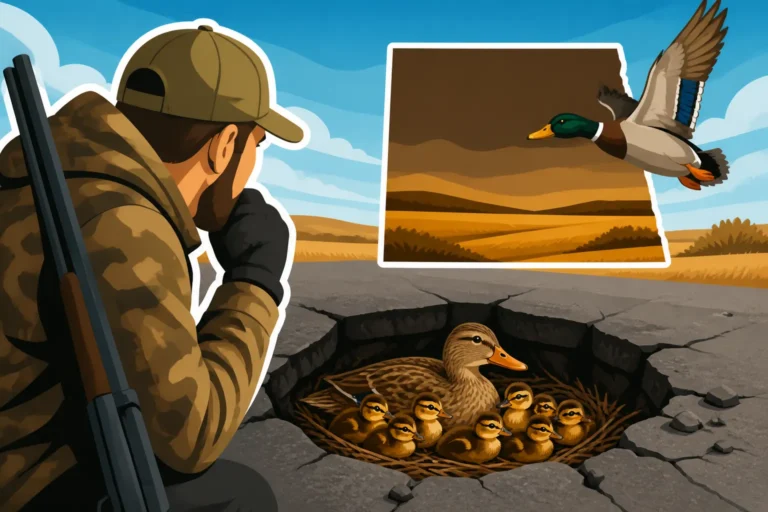
One of the most vital contributions of CRP is offering undisturbed nesting cover. Pheasants are ground-nesting birds, and they need dense, perennial vegetation that can protect their nests from predators and the elements. CRP fields, especially those with tall, thick grasses, are ideal. Unlike hayfields that are cut, or annually tilled cropland, CRP remains untouched during the crucial spring and early summer nesting periods. This uninterrupted cover means higher nest success rates, which directly translates to more chicks hatching and surviving.
Beyond nesting, CRP fields also serve as prime brood-rearing habitat. Young pheasant chicks need access to insects for protein, and the diverse plant life within CRP often supports a healthy insect population. The dense cover also provides shelter for the vulnerable chicks, allowing them to forage safely and grow without constantly being exposed to aerial or ground predators. A good CRP field acts as a nursery, giving the next generation of pheasants the best possible start in life.
Overwinter Survival and Thermal Cover
North Dakota winters are famously brutal, and overwinter survival is a massive limiting factor for pheasant populations. This is where dense CRP truly shines. Tall, sturdy grasses can stand up to heavy snowfalls, creating vital thermal cover. When the wind howls and temperatures plummet, pheasants can burrow into these snow-drifted grass stands, finding pockets of warmer, calmer air. This protection from extreme cold and wind significantly reduces energy expenditure and helps birds survive until spring.
Without adequate thermal cover, pheasants are much more susceptible to freezing or succumbing to exhaustion during blizzards. A good CRP field acts like a natural insulated blanket, offering sanctuary when the rest of the landscape is a frozen, windswept expanse. It's often the difference between a thriving population and one that struggles to recover after a particularly harsh winter. This is why you'll often find birds bunched up in the thickest CRP during those late-season hunts; they instinctively know where to find warmth and safety.
Proximity to Food Sources and Escape Cover
While CRP itself isn't primarily a food source, its strategic placement often creates an ideal ecosystem. Many CRP fields are established on the edges of active agricultural land, meaning pheasants have immediate access to high-energy food sources like waste grain from corn, wheat, or sunflower fields. The CRP then provides the perfect adjacent escape cover and roosting areas.
Imagine a pheasant feeding in a cut cornfield at dawn. As soon as a predator appears or a hunter approaches, it can quickly flush into the dense CRP grass just a few yards away, disappearing instantly. This blend of readily available food and immediate, secure cover makes CRP a pheasant paradise. It’s this interspersion of habitat types that really makes a difference, allowing pheasants to fulfill all their daily needs within a relatively small home range. Hunters often focus on these edges, knowing the birds will move between food and cover. This understanding is key whether you're Walking a Pheasant Field at Midday or targeting prime North Dakota CRP Acres and Pheasant Numbers locations.
Factors Influencing CRP Enrollment and Pheasant Numbers Beyond Just CRP
While CRP is a powerful engine for pheasant production, it's not the only factor at play, and even the amount of CRP on the landscape can change dramatically. Understanding these broader influences gives you a more complete picture of why pheasant numbers can swing so much year to year.
Commodity Prices and Farm Bill Incentives
Perhaps the biggest variable affecting CRP acreage is economics. When commodity prices for crops like corn, soybeans, and wheat are high, farmers have a strong financial incentive to plant every possible acre. This often means less land is enrolled in CRP, or existing contracts are not renewed when they expire. Why take a modest CRP payment if you can potentially make significantly more by farming that ground? This direct economic pressure means that CRP acreage can shrink during periods of high crop prices, reducing available habitat for pheasants.
Conversely, when commodity prices are low, CRP payments become much more attractive, and enrollment tends to increase. Federal farm bills also play a huge role, as they set the terms, payment rates, and overall budget for CRP. Changes in these legislative frameworks can either encourage or discourage enrollment. It's a constant balancing act between agricultural production and conservation, and pheasants are often caught in the middle. We often watch these trends closely, as they give us an early indication of future habitat availability.
Habitat Quality and Management within CRP
It’s important to remember that CRP is not a monolithic entity; the quality of habitat within CRP fields can vary widely. A newly established CRP field might take a few years to develop into prime cover, while an older field might become too choked with weeds, encroaching brush, or simply lose its vigor without proper management. Periodic disturbances, like prescribed burns or light grazing (when allowed and properly managed), can actually rejuvenate CRP stands, promoting diverse plant growth and improving its value for wildlife.
The specific grass mixes planted also matter. Some CRP might be fantastic for nesting but less effective for winter cover if it's too sparse. Others might be perfect for thermal cover but lack the insect diversity needed for young chicks. Landowners also have varying levels of commitment to managing their CRP beyond just planting it. All these factors mean that a simple acreage count doesn't tell the whole story; the quality of those CRP acres is just as, if not more, important for pheasant production. When Running a Pointer Through CRP Grass, you'll quickly notice the difference between a well-maintained, diverse stand and one that's gone stale.
Weather Extremes and Their Overriding Impact
Even with abundant, high-quality CRP, North Dakota’s notoriously unpredictable weather can be the ultimate wildcard for pheasant populations. Severe blizzards, especially those with prolonged cold, can decimate bird numbers regardless of the available cover. While CRP provides excellent thermal protection, there's a limit to what any cover can do against weeks of sub-zero temperatures and deep, crusty snow that buries food sources.
Conversely, prolonged droughts can reduce the quality of nesting cover, making it sparser and less protective. A wet, cold spring can also be devastating, causing high chick mortality even in ideal brood-rearing habitat. Pheasant chicks are particularly vulnerable to cold, wet conditions in their first few weeks. So, while CRP creates the foundation, yearly weather patterns dictate the peaks and valleys in the pheasant count. Even if you found Where North Dakota Pheasants Are Densest last year, a harsh winter or wet spring could shift things dramatically.
Hunting Strategies Based on CRP Knowledge
Knowing the ins and outs of CRP isn't just academic; it directly translates into more effective hunting strategies. By understanding how pheasants use this habitat, and where to look, you can increase your odds of success on the prairie.
Scouting for Quality CRP and Public Access
Before you even step foot in a field, advanced scouting is your best friend. Look for CRP fields that offer a diverse mix of cover—tall grasses, some forb (flowering plants) diversity, and ideally, proximity to food sources like standing corn or cut stubble fields, as well as water. Aerial imagery, readily available on tools like GoHunt or similar mapping platforms, can help you identify these features from your couch. Look for varied textures, darker green areas indicating denser growth, and distinct edges where CRP meets ag fields.
For public access, North Dakota's PLOTS (Private Land Open To Sportsmen) program is invaluable. Many PLOTS tracts include prime CRP land. Always consult the official North Dakota PLOTS Guide Booklet Release Date or the ND Hunt App to verify boundaries and specific rules. Don't be afraid to Scouting PLOTS Land Before Season to get a lay of the land; you’ll often find sign that points to good bird numbers. Pay attention to how the cover lays, where the prevailing winds might blow birds, and where natural funnels or escape routes exist.
Effective Hunting Tactics in Dense CRP
Hunting dense CRP requires a thoughtful approach, especially if you want to be efficient and maximize your chances. Pheasants will hold incredibly tight in thick cover, often letting you walk right past them before flushing.
Here are a few tips:
- Walk Slowly and Methodically: Don't rush. Take deliberate steps, allowing your dogs (if you have them) time to work and scent. Pausing occasionally can sometimes make nervous birds flush.
- Work the Edges and Pockets: Pheasants love edges. Focus on where CRP meets a ditch, a fenceline, a slough, or another cover type. Also, look for distinct "pockets" within the CRP – areas of slightly thicker cover or a slight rise in topography.
- Use the Wind to Your Advantage: Try to walk with the wind in your face so your scent blows behind you and your dog can pick up bird scent more easily. This can be tricky with large blocks of CRP, so plan your approach.
- Employ Blockers: If you're hunting with a group, having a few hunters walk the dense cover while others post at the far end or along the sides can be incredibly effective. Birds often try to run out the ends of fields or sneak along the edges. This is a classic tactic for Hunting North Dakota's Prairie Pothole Slough Edge habitat where CRP often meets wetland areas.
- Be Ready for the Flush: When a bird flushes from thick CRP, it often happens with little warning and at close range. Stay alert, keep your gun mounted, and be ready to swing.
Navigating Access and Seasonal Changes
Public access to quality CRP can sometimes be competitive, especially early in the season. Consider hunting mid-week if possible, or focusing on larger tracts that might deter less committed hunters. For nonresident hunters, understanding How Many Days Nonresidents Wait for Public Land Bow Access is important for deer, and similar considerations might affect early bird season access. However, for pheasants, public access is generally more straightforward through programs like PLOTS.
As the season progresses and conditions change, so too will pheasant behavior and their use of CRP. Early season, birds might be spread out in any suitable cover. As snow falls and temperatures drop, they'll concentrate in the thickest, most protective CRP stands, especially those near food. Hunting after a fresh snowfall can be excellent, as tracks can reveal bird movement and where they're concentrating. Always remember that regardless of the season, proper identification and North Dakota Hunter Education Requirements are vital for a safe and successful hunt.
| CRP Cover Type | Primary Pheasant Benefit | Hunting Strategy Tip |
|---|---|---|
| Tall Native Grasses | Nesting, Thermal Cover | Work slowly, use dogs, consider blockers. |
| CRP with Food Plot Border | Food Access, Escape Cover | Hunt edges at dawn/dusk; push birds into thicker cover. |
| Older, Mature Stands | Winter Roosting, Security | Good for late-season, deep snow; birds hold very tight. |
| Mixed Grass/Forb CRP | Brood Rearing, Insects | Walk deliberately, look for flushes, good for early season. |
| Wetland/Slough Edge CRP | Water, Escape Cover | Focus on transitions; pheasants often move from water to cover. |
Understanding CRP in North Dakota is more than just knowing what the acronym stands for. It's about recognizing its profound impact on pheasant populations, appreciating the economic and environmental forces that shape it, and ultimately, leveraging that knowledge to become a more successful and informed hunter on the vast prairies.
Disclaimer
This article is for general informational purposes only and does not constitute professional advice. Laws, prices and regulations vary by location and change over time. Consult a qualified professional for guidance on your specific situation.