Cooking a Wild Pheasant
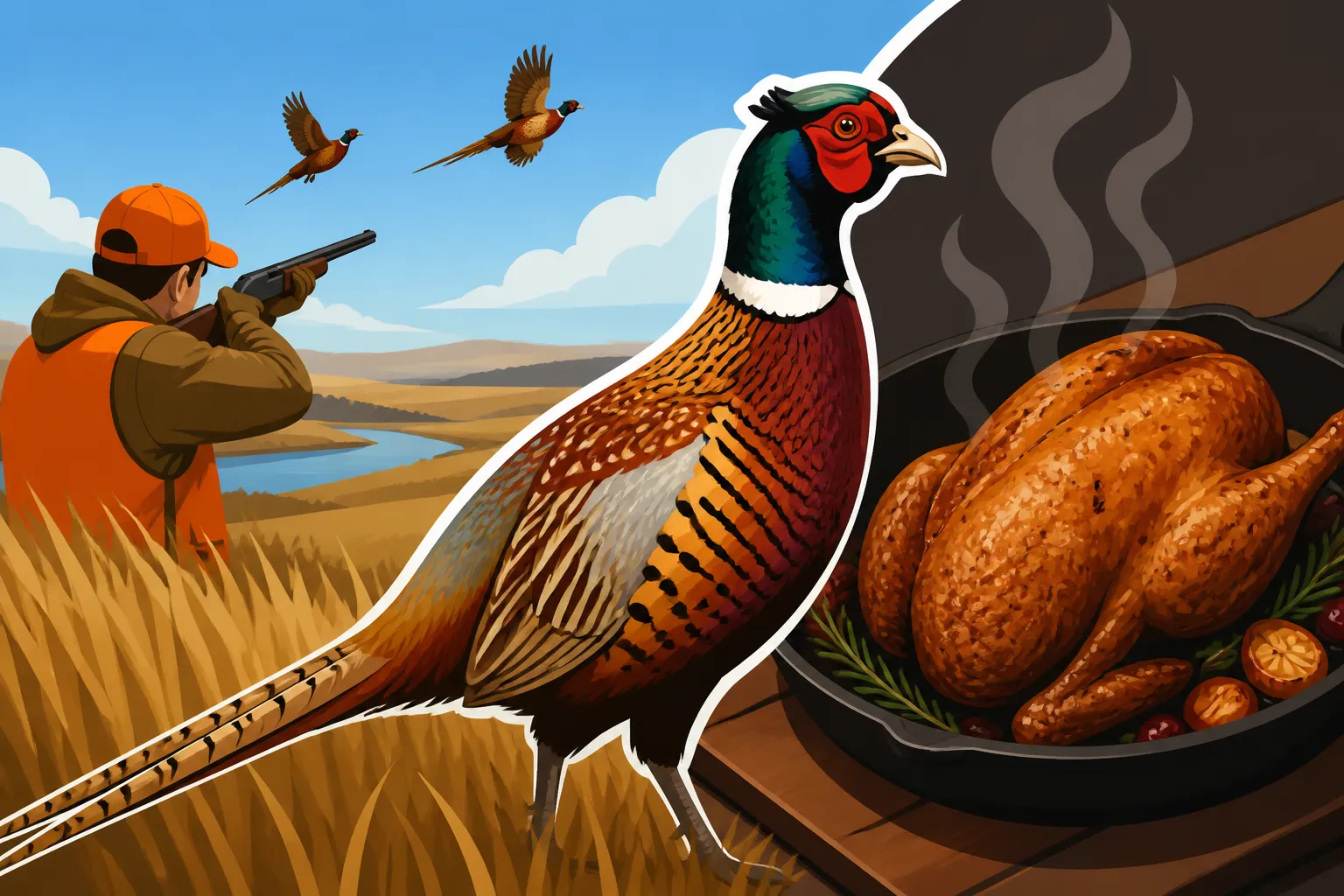
There's nothing quite like the satisfaction of a successful pheasant hunt in North Dakota, watching your dog work the cover, hearing the burst of wings, and making a clean shot. But often, once that beautiful bird is in hand, a different kind of challenge arises for many hunters: how do you cook it so it tastes as magnificent as the experience of harvesting it? Wild pheasant, unlike its farm-raised cousins, is a lean, flavorful bird that can quickly become dry or tough if not handled correctly. This guide is here to walk you through everything you need to know to transform your hard-earned North Dakota pheasant into a truly memorable meal, ensuring your efforts in the field are fully appreciated at the dinner table.
Understanding Your Harvest: What Makes Wild Pheasant Different?
Before we even think about marinades or oven temperatures, it’s crucial to understand the fundamental differences between a wild pheasant and the poultry you might buy at the grocery store. This understanding is key to unlocking its full culinary potential and avoiding common pitfalls.
The Lean, Mean, Prairie Machine
Wild pheasants are athletes of the prairie. They spend their lives walking, running, and flying to evade predators and find food across the vast landscapes of North Dakota. This active lifestyle results in meat that is significantly leaner, with less fat marbling, compared to commercially raised birds like chickens or even farm-raised pheasants. That leanness is wonderful for flavor, but it also means wild pheasant cooks much faster and is more prone to drying out.
Think about the difference between a wild deer and a feedlot steer; it's a similar concept. The muscles of a wild pheasant are denser, tougher, and packed with flavor derived from their natural diet of grains, insects, and forbs found in the fields and shelterbelts. This isn't a bad thing at all – it means a deeper, more robust, almost nutty flavor that truly embodies the wild. But it does require a gentler hand and different cooking strategies to ensure tenderness and juiciness. You’ll find the meat has a darker hue, especially the leg and thigh meat, which reflects its active nature. Working a Shelterbelt for Roosters or Hunting Sharptail Grouse at First Light will show you just how much ground these birds cover.
Distinct Flavor Profile
The flavor of wild pheasant is often described as richer, gamier, and more complex than chicken, but less intensely gamey than some other wild birds like grouse. It has a delicate, earthy quality that stands on its own but also pairs wonderfully with a variety of seasonings and ingredients. You won't want to drown out this natural flavor with overpowering spices. Instead, think about enhancing it.
Consider the bird's diet: if you harvested a pheasant from a field of corn, its flavor might have subtle sweet notes. If it came from an area heavy with wild rose hips or sunflower seeds, you might detect those hints. This is part of the magic of eating wild game – each bird tells a subtle story of its habitat. This is why many chefs and hunters alike cherish wild pheasant, not just for the hunt, but for the culinary experience it offers. It’s a taste that brings you right back to the open fields and crisp autumn air of North Dakota. North Dakota Pheasant Population Estimate can give you an idea of the prevalence of these flavorful birds.
From Field to Feast: Essential Prep for a Perfect Pheasant
The journey from the field to the plate doesn't just begin when you turn on the stove. Proper field dressing and preparation are paramount to ensuring your wild pheasant tastes its absolute best. Neglecting these early steps can compromise even the most expertly cooked bird.
Field Dressing and Plucking or Skinning
The first step, right after the harvest, is proper field dressing. Get the guts out quickly to cool the carcass and prevent bacterial growth, especially if the weather is mild. This also helps remove any "gamey" flavors that can come from organ rupture. Once field dressed, you have a choice: pluck or skin.
- Plucking: This is the preferred method for many, as leaving the skin on helps retain moisture during cooking and adds a layer of flavor and crispiness. Plucking can be a chore, especially if the bird is fresh and warm, but it's worth the effort. You can wet pluck (dip in hot water to loosen feathers) or dry pluck. For a North Dakota pheasant, the skin is usually quite thin but holds onto flavor well. If you plan to roast or pan-fry your pheasant whole or in pieces, plucking is definitely the way to go. It requires patience and a good workspace, but the results are worth it.
- Skinning: If time is short or you plan to braise, stew, or grind the meat, skinning is a much faster option. Simply cut along the breastbone, separate the skin from the meat, and peel it off. While you lose the skin's moisture-retaining and flavor benefits, the meat itself is still delicious. If you're planning on a quick stir-fry or a pheasant chili, skinning might be the practical choice. Just be extra mindful of moisture during cooking if you choose this route.
After plucking or skinning, rinse the bird thoroughly, inside and out, under cold water. Pat it completely dry with paper towels. Any residual moisture can hinder browning and flavor development. A clean bird is a happy bird, culinarily speaking.
The Importance of Brining and Marinating
Because wild pheasant is so lean, it can dry out quickly. This is where brining or marinating becomes your best friend. These steps infuse moisture and flavor into the meat before cooking, making a huge difference in the final product.
- Brining: A simple saltwater brine (usually 1/4 cup of salt per quart of water, plus any aromatics like bay leaves, peppercorns, garlic, or herbs) helps the meat absorb moisture and become more tender. Submerge the pheasant (whole or in pieces) in the brine, ensuring it’s completely covered. Refrigerate for at least 4 hours, and up to 12 hours for a whole bird. Rinse thoroughly after brining to remove excess salt, then pat dry. This process is particularly effective for roasting or grilling, where direct heat can be unforgiving.
- Marinating: Marinades, typically oil-based with an acid (vinegar, lemon juice, wine), herbs, and spices, also tenderize and flavor the meat. The acid in the marinade helps break down tough muscle fibers. A marinade might include olive oil, white wine, garlic, thyme, rosemary, and a dash of cayenne. Again, marinate for several hours in the refrigerator. Just like brining, rinse lightly or pat dry before cooking, depending on your recipe. Marinades are fantastic for pan-fried breasts or grilled skewers.
Regardless of whether you choose to brine or marinate, this pre-treatment step is probably the single most important thing you can do to ensure your wild pheasant is juicy and delicious. Don't skip it! Even after a long day chasing birds, perhaps using your GoHunt app to navigate a new section of PLOTS Program Explained land, taking the time to properly prep your harvest will be well worth it.
Mastering the Heat: Diverse Cooking Methods for Wild Pheasant
Once your pheasant is prepped and ready, it's time to choose your cooking method. Each method brings out different qualities in the meat, and selecting the right one depends on your desired outcome and the cut of pheasant you're working with.
Roasting a Whole Pheasant
Roasting is a classic method that celebrates the whole bird. It's fantastic for special occasions or when you want to present a beautiful, golden-brown bird.
- Preparation is Key: Start with a brined and thoroughly dried bird. Pat it completely dry inside and out. You can even let it air dry in the refrigerator for an hour or two on a wire rack to ensure crispy skin. Stuff the cavity with aromatics like lemon halves, garlic cloves, onion wedges, and fresh herbs (thyme, rosemary, sage). Trussing the bird (tying the legs together and tucking the wings) helps it cook more evenly.
- Fat for Flavor and Moisture: Since wild pheasant is lean, you need to add fat. Rub the skin generously with butter, olive oil, or even bacon fat. You can also lay strips of bacon or pancetta over the breast, securing them with butcher's twine. This bastes the bird as it cooks, keeping the breast meat moist.
- Temperature and Timing: Preheat your oven to a moderate temperature, usually around 375°F (190°C). Place the pheasant on a rack in a roasting pan. Roast for 45-75 minutes, depending on the size of the bird. The internal temperature in the thickest part of the thigh (without touching bone) should reach 165°F (74°C). If the breast browns too quickly, tent it with foil. Let the bird rest for at least 10-15 minutes before carving to allow the juices to redistribute. This is crucial for tenderness.
Roasting a whole pheasant is a rewarding experience, and it's perfect after a successful hunt where you've used tools like GoHunt to scout the best coverts in Pheasant Hunting North Dakota's Prairie.
Braising for Tender, Flavorful Results
Braising is arguably one of the best methods for wild pheasant, especially if you're concerned about dryness or have an older, tougher bird. It involves searing the meat, then slowly cooking it in liquid at a low temperature, resulting in incredibly tender, fall-off-the-bone meat.
- Breaking Down the Bird: Cut your pheasant into pieces (breasts, thighs, drumsticks). You can leave the skin on for more flavor or remove it. Season the pieces generously with salt, pepper, and your favorite herbs.
- Searing for Depth: Heat a Dutch oven or heavy-bottomed pot over medium-high heat with a little oil. Sear the pheasant pieces until beautifully browned on all sides. This step is crucial for developing rich flavor. Remove the pheasant and set aside.
- Building the Braising Liquid: In the same pot, sauté aromatic vegetables like onions, carrots, and celery until softened. Deglaze the pan with wine (white or red, depending on your recipe) or broth, scraping up all those delicious browned bits from the bottom. Add more broth, canned tomatoes, herbs (bay leaf, thyme), and any other seasonings.
- Slow Cook to Perfection: Return the pheasant to the pot, ensuring it's mostly submerged in the liquid. Bring to a simmer, then cover tightly and transfer to a preheated oven (around 300-325°F / 150-160°C) or reduce heat to low on the stovetop. Braise for 1.5 to 2.5 hours, or until the meat is fork-tender. The slow, moist heat breaks down connective tissues, making the pheasant incredibly succulent. This method is incredibly forgiving and yields fantastic results, perfect for a cold North Dakota evening.
Quick and Crispy: Pan-Frying Pheasant Breasts
If you have boneless, skinless (or skin-on) pheasant breasts and want a quick meal, pan-frying is a great option. The key here is high heat and fast cooking to prevent drying out.
- Pound and Season: If your breasts are thick, gently pound them between two sheets of plastic wrap to an even thickness (about 1/2 to 3/4 inch). This ensures even cooking. Season generously with salt, pepper, garlic powder, and paprika, or whatever spices you prefer.
- Hot Pan, Quick Sear: Heat a cast-iron skillet or heavy-bottomed pan over medium-high heat with a tablespoon or two of butter or oil. Once shimmering, add the pheasant breasts. Don't overcrowd the pan; cook in batches if necessary.
- Sear to Golden Brown: Cook for 3-5 minutes per side, depending on thickness, until golden brown and cooked through. The internal temperature should be 165°F (74°C). Overcooking is the enemy here!
- Rest and Serve: Remove from the pan and let rest for a few minutes before slicing or serving. This allows the juices to settle back into the meat. You can deglaze the pan with a splash of white wine or chicken broth to create a quick pan sauce. This method is fantastic for a light, flavorful meal and pairs well with a fresh salad or roasted vegetables.
Grilling and Smoking for Outdoor Flavor
For those who love the smoky essence of outdoor cooking, grilling or smoking pheasant can be truly spectacular.
- Grilling: Brined pheasant halves, quarters, or breasts do wonderfully on the grill. Marinating adds flavor and helps prevent sticking. Preheat your grill to medium-high. Grill direct for searing, then move to indirect heat to finish cooking to 165°F (74°C). Watch closely, as the lean meat cooks fast. Consider a quick spritz with apple juice or broth to keep moisture levels up.
- Smoking: Low and slow smoking can infuse incredible flavor into a pheasant. Use apple, cherry, or pecan wood for a mild, sweet smoke. Maintain a temperature around 225-250°F (107-121°C). This method is best for whole birds or larger pieces. Again, use a meat thermometer and pull the bird when it reaches 165°F (74°C). The smoky flavor complements the pheasant's natural gaminess beautifully. Hunting a Prairie Pothole Slough Edge might lead to a great harvest that ends up on the smoker!
Troubleshooting & Tips: Avoiding Common Pheasant Cooking Mistakes
Even experienced cooks can sometimes struggle with wild game. Here are some common pitfalls when cooking wild pheasant and how to avoid them, ensuring your meal is always a triumph.
The Overcooking Quandary
This is by far the most common mistake. Because wild pheasant is so lean, it has a very narrow window of perfection. Go even a few minutes past done, and you'll end up with dry, tough, and chewy meat.
- Solution: Invest in a good meat thermometer. This is non-negotiable for wild game. Cook pheasant until the internal temperature reaches 165°F (74°C) in the thickest part of the meat (thigh for a whole bird, or the center of the breast). Pull it off the heat just as it hits that mark, knowing that carryover cooking will raise the temperature a degree or two more. For quick-cooking methods like pan-frying, a visual check (firm to the touch, juices run clear) combined with experience will serve you well.
- Preventative Measure: Brining or marinating, as discussed earlier, is your primary defense against overcooking. Even if you slightly overcook a brined bird, it will be much more forgiving.
Dealing with Toughness
Sometimes, despite your best efforts, wild pheasant can still be a bit tougher than desired, especially older birds or those that were particularly active.
- Solution: Braising is your absolute best friend here. The long, slow cooking in moist heat breaks down even the toughest connective tissues, transforming lean muscle into tender, succulent meat. If you're determined to roast or pan-fry, consider pounding the breasts thin with a meat mallet (as you would for schnitzel) or slicing the meat thinly against the grain after it’s cooked.
- Enzyme Tenderizers: A natural tenderizer like pineapple juice, papaya, or even a commercial meat tenderizer (used sparingly) can help, but be cautious with these as they can turn meat mushy if left too long. Your best bet is always brining/marinating and appropriate cooking methods.
Maximizing Flavor, Not Masking It
Wild pheasant has a wonderful, unique flavor. The goal is to enhance it, not bury it under a mountain of strong spices.
- Solution: Use complementary flavors. Earthy herbs like thyme, rosemary, and sage are classic pairings. Juniper berries, garlic, onion, and a touch of white wine also work beautifully. Fruit flavors, especially apples, pears, or cranberries, can add a pleasant tartness and sweetness that balances the game meat. A cream sauce or mushroom gravy can also add richness without overwhelming the bird. When you’re hunting in North Dakota, even thinking about how you’ll cook your harvest is part of the experience, a journey from scouting with GoHunt to the final bite.
- Seasoning Strategy: Start with salt and freshly cracked black pepper. Then, build layers of flavor with mild herbs and aromatics. Taste as you go, and remember that sometimes, less is more when it comes to quality wild game.
Recipes and Serving Suggestions
Now that we've covered the fundamentals, let's explore some delicious ways to serve your North Dakota wild pheasant.
Classic Roasted Pheasant with Root Vegetables
This recipe highlights the pheasant's natural flavors while providing a hearty meal.
Ingredients:
- 1 whole wild pheasant, brined and patted dry
- 2 tbsp unsalted butter, softened
- 1 lemon, halved
- 4 cloves garlic, smashed
- 2 sprigs fresh rosemary
- 2 sprigs fresh thyme
- Salt and freshly ground black pepper
- 2 carrots, peeled and chopped
- 2 parsnips, peeled and chopped
- 1 large potato, peeled and chopped
- 1 onion, quartered
- 1/2 cup chicken or vegetable broth
Instructions:
- Preheat oven to 375°F (190°C).
- Stuff the pheasant cavity with lemon halves, smashed garlic, rosemary, and thyme. Rub the skin all over with softened butter, then season generously with salt and pepper.
- Arrange carrots, parsnips, potato, and onion in the bottom of a roasting pan. Pour in the broth. Place the pheasant on a wire rack directly over the vegetables.
- Roast for 45-75 minutes, or until the internal temperature reaches 165°F (74°C) in the thickest part of the thigh. Baste occasionally with pan juices.
- Remove from oven, tent loosely with foil, and let rest for 10-15 minutes before carving. Serve with the roasted vegetables and pan juices.
Creamy Pheasant and Mushroom Stew
A comforting and flavorful dish, perfect after a cold day of Hunting Into a December Cold Snap.
Ingredients:
- 2 wild pheasant breasts, skinless, cut into 1-inch pieces
- 2 tbsp olive oil
- 1 onion, chopped
- 8 oz cremini mushrooms, sliced
- 2 cloves garlic, minced
- 1/2 cup dry white wine
- 2 cups chicken broth
- 1/2 cup heavy cream
- 1 tbsp fresh parsley, chopped
- Salt and pepper to taste
Instructions:
- Season pheasant pieces with salt and pepper.
- Heat olive oil in a large pot or Dutch oven over medium-high heat. Sear pheasant pieces until lightly browned on all sides. Remove and set aside.
- Add onion to the pot and cook until softened, about 5 minutes. Add mushrooms and cook until they release their moisture and start to brown. Stir in garlic and cook for another minute until fragrant.
- Deglaze the pot with white wine, scraping up any browned bits from the bottom. Let it simmer for 2 minutes.
- Stir in chicken broth and bring to a simmer. Return pheasant to the pot. Reduce heat to low, cover, and simmer for 30-45 minutes, or until pheasant is tender.
- Stir in heavy cream and fresh parsley. Heat through gently, do not boil. Taste and adjust seasonings. Serve over mashed potatoes, rice, or egg noodles.
Comparing Cooking Methods for Wild Pheasant
Here’s a quick overview of the cooking methods we discussed, to help you decide which one is right for your bird and your schedule.
| Cooking Method | Best For | Key Benefit | Considerations | Recommended Pairing |
|---|---|---|---|---|
| Roasting | Whole birds, impressive presentation | Crispy skin, classic flavor | Can dry out easily; requires brining/basting; longer cook time | Roasted root vegetables, wild rice, light red wine |
| Braising | Tougher birds, moist and tender meat | Incredibly tender, rich flavor | Longer cook time; often removes skin; requires a good pot | Mashed potatoes, polenta, crusty bread, heavier red wine |
| Pan-Frying | Boneless breasts, quick meals | Fast cooking, good searing | Very prone to drying out if overcooked; less forgiving | Fresh salad, light pasta, lemon butter sauce, white wine |
| Grilling/Smoking | Halves, quarters, breasts; outdoor flavor | Unique smoky flavor, good char | Requires careful temperature control; can dry out fast | Grilled vegetables, potato salad, crisp lager |
The real reward of hunting isn't just the thrill of the chase or the challenge of the shot, but the nourishment it provides, and the connection it creates between you, the land, and the food on your table. Learning how to cook a wild pheasant properly elevates that experience from a simple meal to a celebration of your time spent in the North Dakota outdoors. North Dakota Hunter Education Requirements teach you how to be responsible in the field; this guide teaches you how to be responsible in the kitchen, honoring your harvest by making it truly delicious.
Disclaimer
This article is for general informational purposes only and does not constitute professional advice. Laws, prices and regulations vary by location and change over time. Consult a qualified professional for guidance on your specific situation.