North Dakota Prairie Dog Colonies and Hunting Access
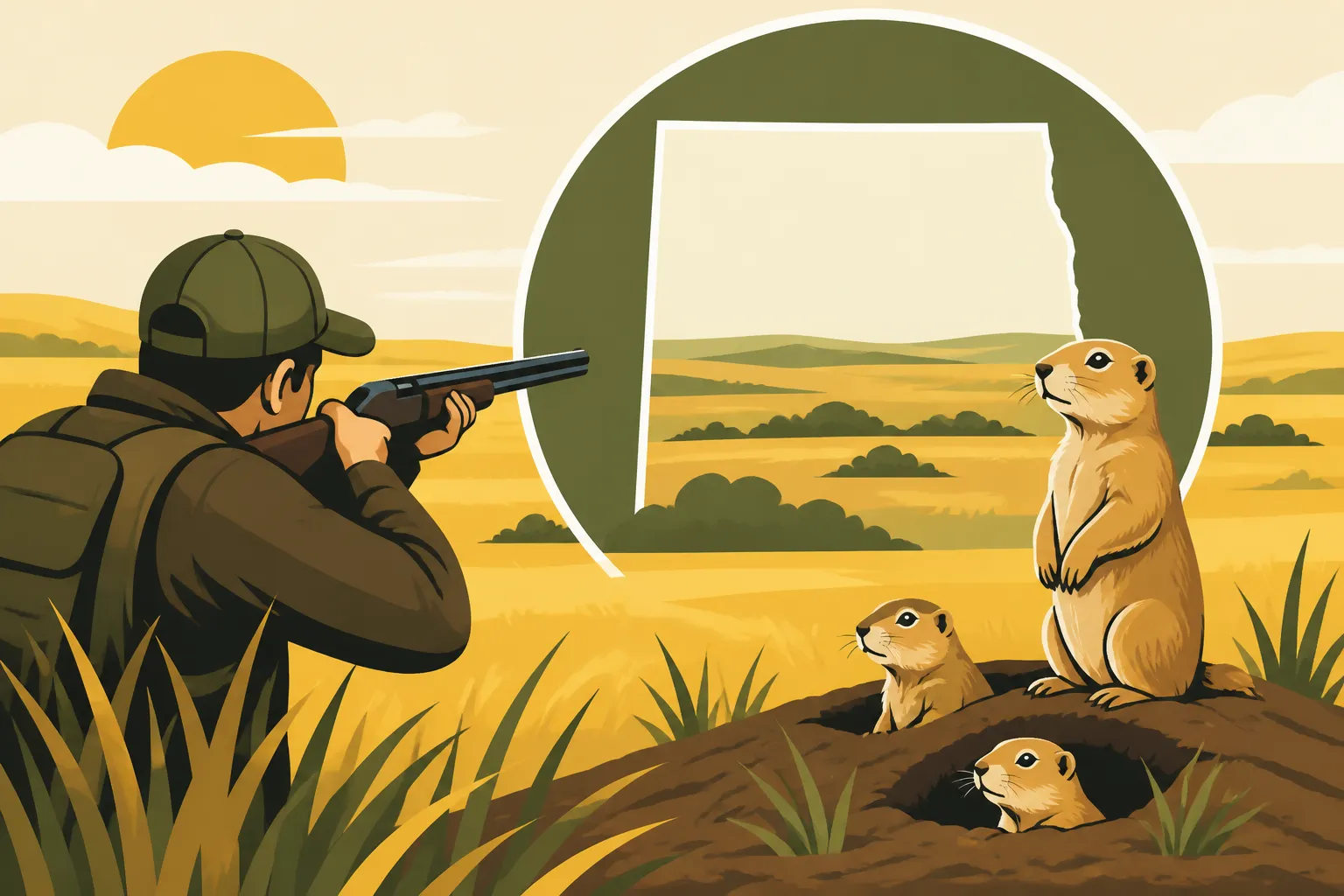
Finding active prairie dog colonies and securing hunting access in North Dakota can feel like a daunting task, leaving many hunters frustrated by countless hours of driving only to find empty fields or "No Trespassing" signs. It's a unique hunt that requires specific knowledge of habitat, scouting savvy, and a respectful approach to land access. This guide will walk you through understanding where prairie dogs thrive, how to locate productive colonies, and most importantly, how to gain legal access for an ethical and successful hunt.
Understanding North Dakota's Prairie Dog Habitat
North Dakota, with its vast stretches of prairie, seems like prime prairie dog country, and in many areas, it certainly is. However, these little engineers of the plains aren't just anywhere. They have very specific habitat needs that dictate where you'll find their bustling towns. Understanding these preferences is the first step to successful hunting.
Prairie dogs, particularly the black-tailed prairie dog found in North Dakota, prefer short-grass prairies. Think open, arid, or semi-arid grasslands where they can easily spot predators from a distance. They are colonizers, and their extensive burrow systems, which can span acres, require soil that is relatively easy to dig but stable enough to prevent collapse. This often means areas with good drainage, where water won't pool and flood their elaborate underground homes. You won't typically find them in dense timber or marshy areas; they crave wide-open spaces and the ability to see danger coming. Their diet primarily consists of grasses and forbs, so agricultural areas, especially those bordering rangeland or pasture, can sometimes host colonies.
While they are found throughout parts of the western and central half of the state, the core of their range is often associated with the drier, more open landscapes. They play a crucial role in these ecosystems, often referred to as "keystone species" because their activities, like burrowing and grazing, create habitat and food sources for many other wildlife species. However, their tunneling and grazing habits can also be a significant issue for ranchers, leading to a complex relationship that makes hunting an important management tool in some areas. Looking for areas that fit this description – vast, short-grass pastures, often with a slight roll to the terrain for drainage – is a great starting point for your scouting efforts.
Locating Active Prairie Dog Colonies
Once you have a general understanding of where prairie dogs should be, the real work begins: pinpointing active colonies. This isn't always as simple as it sounds, as colony activity can fluctuate with the seasons, and some areas might be less productive than others. It takes a keen eye and a bit of detective work to find the bustling towns you're looking for.
Utilizing Mapping Tools and Satellite Imagery
In today's hunting world, mapping applications are indispensable, and for prairie dogs, they're no exception. Services like GoHunt offer detailed satellite imagery that can reveal the tell-tale patterns of prairie dog towns. What you're looking for on aerial photos are distinct circular or irregularly shaped patches of disturbed ground, often lighter in color due to exposed soil, dotted with numerous dark spots which are the burrow entrances. These areas usually stand out against the surrounding, less disturbed grassland. You might see a network of trails crisscrossing the area, connecting the different mounds. Pay particular attention to areas of short-cropped grass adjacent to longer, undisturbed pasture, or on slightly elevated ground overlooking a valley or flat. Terrain layers in your mapping app can also highlight areas with the gentle slopes and good drainage that prairie dogs prefer. Mark these potential spots on your map for further investigation. It's much more efficient to scout these locations from afar on your phone or computer before driving out to rural areas. onX Layers for North Dakota Land Status can be invaluable here.
Ground Scouting and Identifying Signs of Activity
Once you've identified some promising locations on your maps, it's time for boots-on-the-ground scouting, albeit with caution regarding land access. When you're physically scouting, look for fresh dirt mounds around burrow entrances – a clear sign of recent activity. You'll also want to watch for actual prairie dogs standing upright, chirping their alarms, or darting into their burrows. Droppings around the burrow entrances indicate they are actively using the spot. The grass within an active colony will often be much shorter than the surrounding areas, almost mowed down, due to their constant grazing. However, be mindful that older, abandoned towns can sometimes show similar disturbed ground, so the key is to look for current activity. If you're scouting in spring or early summer, you're more likely to see pups, which is always a good indicator of a thriving colony. If you don't immediately see prairie dogs, sit quietly for a while. Their natural curiosity often brings them back to the surface after a few minutes of stillness. You might also notice other wildlife, like raptors perched nearby or coyotes patrolling the edges, indicating a food source. Scouting PLOTS Land Before Season techniques for deer often apply to understanding general wildlife movement patterns, even for smaller game.
Seasonal Considerations for Prairie Dog Hunting
Prairie dog activity varies with the seasons, which directly impacts hunting success. Generally, late spring through early fall offers the best hunting opportunities. In spring, after they emerge from hibernation, they are very active, feeding heavily and tending to new litters of pups. Early summer sees the pups out and about, often presenting easier targets. As summer progresses into fall, they continue to be active, but their feeding patterns might shift as they prepare for winter. Once the temperatures drop significantly and snow covers the ground, prairie dogs will go into hibernation, making hunting nearly impossible. Therefore, planning your trip for the warmer months is crucial. Remember, the sun can be intense out on the open prairie, so bring plenty of water, sunscreen, and appropriate clothing.
Navigating Public and Private Land Access
Here's where the real challenge often lies for prairie dog hunters in North Dakota: gaining legal access. Unlike some other states with vast federal land holdings, North Dakota has a significant portion of its land in private ownership.
Understanding Public Land Options
North Dakota does have public land, including some tracts of National Grasslands like the Little Missouri and Sheyenne, and various Wildlife Management Areas (WMAs). However, these areas might not always host large, huntable prairie dog colonies, or if they do, the access might be challenging. The Hunting North Dakota's Little Missouri National Grassland provides some opportunities, but specific prairie dog towns on public land can be few and far between, and often receive significant hunting pressure.
It's critical to verify land ownership using up-to-date maps. Apps like GoHunt, with their detailed land ownership layers, are essential here. Just because it looks like open range doesn't mean it's public. State School Lands are another potential option, but these too can be sporadic and may require specific permission or adhere to different rules. Always double-check current regulations for any specific public land type you plan to hunt. Remember that public land rules can change, and what was open last year might be restricted this year. Always abide by North Dakota Trespass and Permission Law, even when it seems ambiguous.
The Importance of Private Land Permission
For the most consistent and often most productive prairie dog hunting, securing private land permission is paramount. Many active colonies are located on private ranch and farm lands. While some landowners consider prairie dogs a nuisance dueading to pasture degradation and livestock injuries from burrow holes, others may be hesitant about allowing hunters. This is where your approach and respect truly matter.
Tips for Approaching Landowners
- Be Respectful and Prepared: Always approach landowners in person, if possible, and during daylight hours at a reasonable time. Dress neatly, introduce yourself, and clearly state your intentions. Have your hunting license, a small gift (like a box of local chocolates or a gift card to a hardware store) can sometimes make a good impression. Explain why you want to hunt prairie dogs – that you understand they can be a problem and you're offering to help manage them.
- Offer Benefits: Emphasize that you are responsible, will leave no trash, close all gates, and respect their property. Offer to pick up spent casings and any associated trash. If you shoot prairie dogs, ask if they prefer you leave them or dispose of them in a specific manner. Some landowners might even appreciate the extra eyes on their property for other issues.
- Flexibility is Key: Be flexible with dates and times. The landowner's farming or ranching operations always take precedence. If they say no, respect their decision politely. A positive interaction, even if it doesn't result in permission, leaves a good impression for future hunters.
- Start Small: Don't ask for exclusive access to hundreds of acres immediately. Ask if there's a particular problem area they'd like help with. Building trust is a gradual process.
- Follow Up: If you get permission, consider sending a thank-you note or making a follow-up call after your hunt, reporting any observations you made (e.g., fence down, cattle issues). This builds goodwill for future seasons.
- Use Resources: Services like GoHunt sometimes have features or communities that can help connect hunters with landowners, or at least provide insights into common local practices. Getting Private Land Permission in North Dakota delves into this in more detail.
Ethical Considerations and Management
Hunting prairie dogs is more than just target practice; it's a form of wildlife management that comes with important ethical responsibilities. Understanding these responsibilities ensures a positive experience for you, benefits the landowner, and maintains the healthy reputation of hunters.
The Role of Prairie Dog Hunting in Land Management
For many landowners, especially ranchers, prairie dogs are not just cute critters; they are a significant agricultural pest. Their extensive burrow systems can cause injuries to livestock – horses and cattle can break legs stepping into holes. Their grazing habits can compete with livestock for forage, reducing the carrying capacity of pastures. In these situations, controlled hunting helps manage populations, mitigating potential economic losses for the landowner. By offering to hunt prairie dogs, you are often providing a valuable service, which can be a strong selling point when seeking permission.
Responsible Hunting Practices
When you're out in a prairie dog town, whether on public or private land, maintaining responsible practices is crucial.
- Shot Placement: Aim for clean, ethical shots. While they are small targets, using appropriate caliber and aiming for the vitals is important. This ensures a quick dispatch and minimizes suffering.
- Safety First: Always be aware of your surroundings. Know what's beyond your target. Prairie dogs are often in wide-open country, but stray bullets can travel far. Use a safe backstop or ensure a clear trajectory. This is especially true if hunting near roads, buildings, or livestock. Remember that general safety principles like those for North Dakota Hunter Education Requirements apply to all forms of hunting.
- Respect the Environment: Pack out everything you pack in. Spent casings, food wrappers, and any other trash should leave with you. Leave the area cleaner than you found it. This respects the landowner's property and the natural environment.
- Respect Other Wildlife: Prairie dog towns are often home to other species, including burrowing owls, snakes, and ferrets. Be mindful of these non-target species. Understand that prairie dog control should be part of a balanced ecosystem approach.
- Know the Rules: Always check current state regulations regarding prairie dog hunting seasons, methods, and specific unit rules. There may be specific rules for certain types of public land, or unique restrictions that you need to be aware of.
Conservation Aspects of Prairie Dog Ecosystems
While hunting helps manage localized populations, it's also important to acknowledge the broader conservation context. Prairie dogs are integral to the prairie ecosystem. Their burrows provide homes for many species, and their presence impacts vegetation structure, which benefits certain plants and animals. Understanding this ecological role means that hunting should ideally be part of a thoughtful management strategy, not simply indiscriminate eradication. By hunting responsibly and respecting the land, you contribute to a sustainable outdoor heritage in North Dakota. This balanced view is essential for any hunter venturing into the prairie dog plains.
Comparing Public vs. Private Land for Prairie Dog Hunting
To help you visualize the differences, here's a quick comparison of what you might expect when seeking prairie dog hunting access in North Dakota.
| Feature | Public Land (e.g., National Grasslands, WMAs) | Private Land (with permission) |
|---|---|---|
| Availability of Colonies | Can be limited, sporadic; often higher hunting pressure | Potentially abundant, depending on landowner issues and location |
| Ease of Access | Generally open access, but finding specific colonies can be hard | Requires landowner permission, which can be challenging to obtain |
| Hunting Pressure | Higher, especially on easily accessible, known spots | Potentially lower, offering a more secluded hunting experience |
| Regulations | Specific to the type of public land (federal, state); check current rules | Subject to state laws and landowner's specific rules/requests |
| Required Tools | Mapping apps (GoHunt), good binoculars, scouting skills | Strong interpersonal skills, mapping apps, patience, respectful approach |
| Success Rate | Can be lower due to scattered populations and pressure | Often higher, given access to less disturbed, larger colonies |
| Ethical Considerations | Adherence to all public land rules, leave no trace | Respect landowner's property, explicit instructions, build rapport |
Ultimately, while public lands offer some opportunities, often the most rewarding and consistent prairie dog hunting in North Dakota will come from building relationships and securing access on private land. It's an investment of time, but the payoff can be a fantastic and unique hunting experience.
Disclaimer
This article is for general informational purposes only and does not constitute professional advice. Laws, prices and regulations vary by location and change over time. Consult a qualified professional for guidance on your specific situation.