Hunting Near Theodore Roosevelt National Park
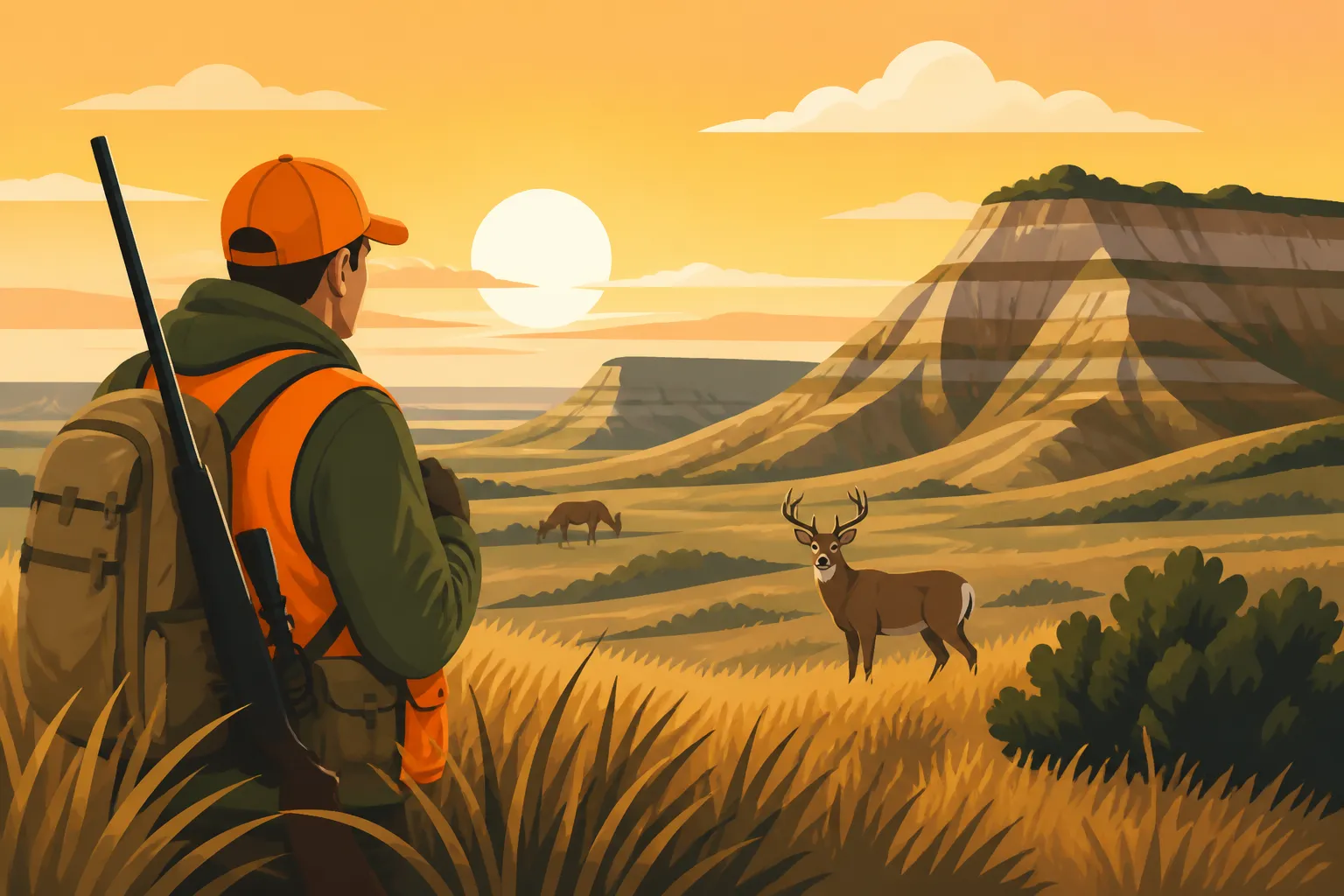
It’s a natural assumption when you see a vast, wild place like Theodore Roosevelt National Park that it might offer some incredible hunting opportunities. Many hunters dream of stalking big game against the backdrop of those majestic Badlands formations. But here’s the tough reality: you absolutely cannot hunt inside the boundaries of Theodore Roosevelt National Park. This guide isn't about hunting in the park, but rather about the fantastic hunting experiences you can have on public and private lands near it, helping you understand the rules, identify opportunities, and prepare for a successful North Dakota Badlands adventure.
The Strict Realities of National Park Hunting
The allure of hunting in a place as wild and rugged as Theodore Roosevelt National Park is understandable. It feels like prime habitat, doesn't it? Full of wildlife, untouched by development, a truly pristine landscape. Yet, that very pristine nature, that designation as a National Park, means it's managed for conservation, not for sport hunting. It’s a common misconception, and it’s critical to understand why.
Why Theodore Roosevelt National Park is Off-Limits to Hunters
National Parks are established with a very specific mission: to preserve natural and cultural resources for future generations, and to provide for their enjoyment in a manner that leaves them unimpaired. This mission explicitly excludes recreational hunting. Think of it as a giant, protected wildlife sanctuary where animals are observed, not pursued with firearms or bows. While you might see herds of bison, elk, or mule deer roaming freely within the park's boundaries, they are there under federal protection, safe from hunting pressure. This designation sets it apart from other types of public lands, like National Forests or Bureau of Land Management (BLM) lands, where hunting is often permitted and even encouraged as a wildlife management tool. The rules are clear and strictly enforced, so even unintentional encroachment with hunting gear can lead to serious legal trouble.
This policy isn't unique to Theodore Roosevelt National Park; it's a blanket rule across the entire National Park System. The idea is to create areas where wildlife can exist without fear of human predation, allowing for scientific study and passive recreation like wildlife viewing and photography. While this can be frustrating for hunters eyeing what seems like prime territory, it's a fundamental aspect of how these cherished federal lands are managed. It means your North Dakota hunting adventure will need to focus on the ample public lands surrounding, but not within, the park.
Understanding Federal and State Jurisdictions Around Parks
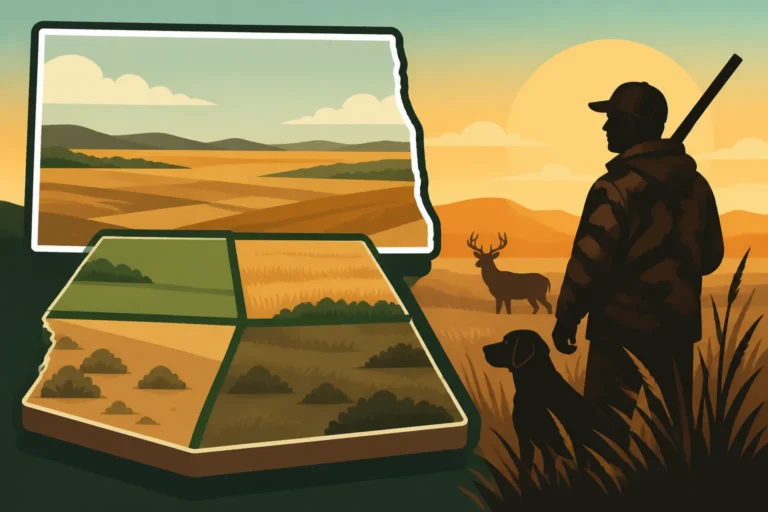
The lands immediately surrounding Theodore Roosevelt National Park often consist of a mosaic of federal and state jurisdictions, which can be confusing if you're not used to it. While the National Park Service controls the land within the park, the adjacent lands are primarily managed by other agencies. The most prominent of these, especially in the Badlands, is the U.S. Forest Service, which manages the Little Missouri National Grassland. This is a critical distinction because, unlike National Parks, National Grasslands generally do permit hunting under state regulations. So, while a park ranger will cite you for hunting inside the park, a Forest Service ranger might simply ensure you have the proper state licenses and are following all local rules on the Grassland.
You'll also encounter state-owned lands, such as School Lands (sometimes called "Common School Trust Lands"), which are managed by the North Dakota Department of Trust Lands, and various Wildlife Management Areas (WMAs) managed by the North Dakota Game and Fish Department. Each of these land types has its own set of access rules, permitted activities, and specific regulations that hunters must adhere to. It's not uncommon to find yourself hunting on a piece of Little Missouri National Grassland that borders a parcel of State School Land, which then might border a small private tract. Understanding these boundaries is absolutely paramount for ethical and legal hunting, and it’s why mapping tools become such an invaluable part of your planning process.
Respecting the Spirit of National Parks and Wildlife Refuges
Beyond the letter of the law, there's a certain spirit that guides visitors to National Parks. These places are often seen as sacred spaces for nature appreciation and solitude, and maintaining that atmosphere is part of their mission. While hunting is a valid and often vital conservation tool on other lands, it clashes with the passive, non-consumptive ethos of a National Park. This is important to remember when planning your hunt nearby. Parking your truck, for example, directly on a park boundary with a game animal slung over your shoulder might not be illegal if you're on public land, but it could be perceived as disrespectful by other park users.
Similarly, other federal designations like National Wildlife Refuges, while sometimes allowing very specific, limited hunting opportunities as part of a management plan, also operate under a distinct philosophy. The ultimate goal is always to prioritize wildlife and habitat protection. North Dakota has several National Wildlife Refuges, and if you plan to hunt near one, it’s crucial to check their specific regulations, as they can differ significantly from state hunting laws and from general public land rules. Always err on the side of caution, do your homework, and ensure your actions align with both the legal requirements and the general expectations of the various land management agencies.
Identifying Prime Public Hunting Opportunities Adjacent to the Park
The good news is that just because you can't hunt in Theodore Roosevelt National Park doesn't mean you can't have an incredible hunting experience near it. The Badlands of North Dakota are a vast and rugged landscape, much of which is open to public hunting. The key is knowing where to look and how to interpret the patchwork of land ownership. This region offers a unique blend of habitat, from open prairie grasslands to steep, timbered coulees, providing diverse opportunities for various game species.
Little Missouri National Grassland: Your Primary Public Land Access
When you're looking to hunt near Theodore Roosevelt National Park, the Little Missouri National Grassland is going to be your absolute best friend. This immense tract of federally managed land literally surrounds the North and South Units of the park, offering hundreds of thousands of acres of rugged, beautiful, and huntable terrain. It's managed by the U.S. Forest Service, and unlike the National Park, hunting is generally permitted here under North Dakota Game and Fish Department regulations. This is where many Badlands hunters spend their time, chasing mule deer, whitetails, and even drawing a coveted elk or pronghorn tag. Hunting North Dakota's Little Missouri National Grassland provides a lot more detail on this incredible resource.
The topography of the Grassland mirrors the dramatic landscape of the Badlands: deep coulees, rolling hills, timbered draws, and open sagebrush flats. This diverse habitat holds a strong population of game. Accessing these areas often means driving gravel roads, or even dirt trails, and then getting out on foot to truly explore. Remember that vehicle use on the Grassland is typically restricted to existing roads and trails, and cross-country travel by vehicle is generally prohibited to protect the fragile ecosystem. Always have a good map and know your exact location to avoid accidental trespass or entering the park boundaries.
State School Lands and Other Accessible Public Tracts
Beyond the sprawling National Grassland, North Dakota also has a significant amount of State School Trust Lands. These are typically smaller, scattered sections (often one square mile, or 640 acres) that were granted to the state to support public education. Many of these parcels are open to public access for hunting, but it's crucial to identify them accurately. They are sometimes marked with yellow signs, but not always, so relying on digital mapping is often the most reliable method. These school lands can provide excellent hunting opportunities, particularly if they are adjacent to larger tracts of National Grassland or if they contain good cover or water sources that concentrate game.
In addition to School Lands, you might also find smaller Wildlife Management Areas (WMAs) managed by the North Dakota Game and Fish Department, or even scattered parcels of Bureau of Land Management (BLM) land. While less extensive than the Grassland, these smaller public tracts can be hidden gems, especially if they are difficult to access or overlooked by other hunters. They often provide diverse habitats, from marshy areas to dense timber, depending on their location and management goals. The key takeaway is that public land in the Badlands isn't just one monolithic block; it's a diverse and often interconnected network, requiring careful planning and scouting to utilize effectively.
Leveraging Digital Tools for Public Land Identification
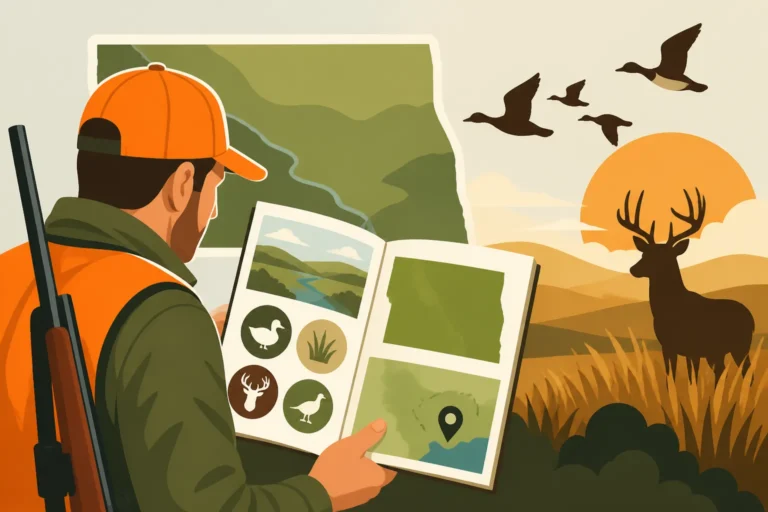
In today's hunting world, digital mapping applications are no longer a luxury; they are an absolute necessity, especially when hunting the patchwork ownership of the North Dakota Badlands. Services like onX Hunt and GoHunt are invaluable resources for hunters trying to navigate the complex land ownership patterns around Theodore Roosevelt National Park. These apps, available on your smartphone or GPS device, provide detailed parcel boundaries, showing you exactly where public land begins and private land ends, and critically, differentiating between National Park Service land, National Grassland, State School Lands, and private holdings. onX Layers for North Dakota Land Status goes into more detail about how these layers can be used.
Before you even leave your driveway, you can use these tools to scout potential hunting areas, identify access points, and mark waypoints for promising terrain features like water sources, timbered coulees, or natural funnels. While in the field, they become your real-time navigation system, ensuring you stay on legal hunting ground and avoid unintentional trespass. Given the remote nature of much of the Badlands, it's a good practice to download offline maps to your device before you head out, as cell service can be spotty or nonexistent in many areas. Combining these digital tools with traditional paper maps for backup is the ultimate strategy for success and safety in this rugged country.
Navigating the Unique Challenges of Badlands Hunting
Hunting the North Dakota Badlands is an experience unlike almost any other. It’s a place of incredible beauty and stark contrasts, but it also presents a unique set of challenges that can test even seasoned hunters. From the brutal physical demands of the terrain to the ever-present issue of hunting pressure, being prepared for these realities is crucial for a successful and enjoyable hunt.
Topography and Terrain: Physical Demands and Scouting Strategies
The Badlands are not flat. Let me repeat that: they are not flat. The terrain is characterized by steep, eroded buttes, deep coulees, winding washes, and sharp ridges. Walking just a mile as the crow flies can feel like three or four miles on the ground due to the constant ups and downs. This means your Badlands hunt will be physically demanding. Expect to climb, descend, and traverse uneven, sometimes unstable, ground. Good physical conditioning before your trip is not just recommended, it's essential. You'll be carrying your gear, and potentially a harvested animal, out of some incredibly challenging spots. Physical Prep for Badlands Elk Terrain talks about the kind of fitness required for this kind of hunting.
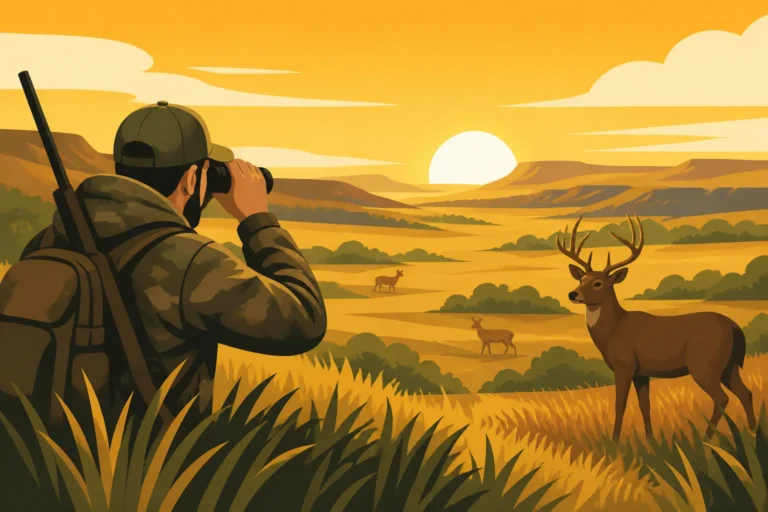
Scouting in this environment is critical, both pre-season and during the hunt. Aerial photos, available through your digital mapping apps, are an excellent starting point for identifying potential travel corridors, bedding areas, and water sources. Look for areas with a mix of cover and open ground, particularly where draws and coulees provide shelter and food. Once you're on the ground, focus on glassing from high points, using quality binoculars or a spotting scope to pick apart the distant terrain. Reading Aerial Photos for Badlands Deer can help you interpret what you see. Pay attention to wind and thermals, as they play a huge role in how game moves through these drainages. Animals often use the draws to travel undetected, and understanding the air currents is paramount for planning your approach.
Wildlife Behavior Near Park Boundaries
Animals don't read boundary signs. While the National Park is off-limits to hunting, the wildlife within it can and often does move in and out of the surrounding public lands. This creates an interesting dynamic for hunters. On one hand, areas immediately adjacent to the park might hold more animals, as they can retreat to a perceived sanctuary when pressure increases. On the other hand, these "fringe" areas can also experience higher hunting pressure from hunters trying to capitalize on this movement. You'll often find that deer, elk, and pronghorn that have spent time in the park might be less wary of human presence than those that live exclusively on heavily hunted public land.
This behavior means you need to be extra vigilant about knowing your precise location. A buck or bull might step out of the park and onto public ground, offering a perfect shot, but you must be 100% certain of the boundary. Hunters often glass these boundary areas meticulously, looking for animals crossing over. During peak hunting seasons, especially archery and early gun seasons, you might see noticeable movement of animals from surrounding public land into the park as hunting pressure mounts. This makes understanding seasonal animal movements, influenced by both natural factors and human activity, a critical component of your Badlands hunting strategy.
Managing Hunting Pressure and Finding Secluded Spots
Due to the limited amount of easily accessible public land in some parts of North Dakota, and the renowned hunting opportunities of the Badlands, certain areas can experience significant hunting pressure. This is particularly true on roadsides and easily accessible sections of the Little Missouri National Grassland. If you're looking for a truly wild experience and a chance at mature animals, you'll likely need to work for it. This means being willing to hike further, explore deeper into the coulees, and get away from the road system.
One effective strategy is to identify areas that require significant physical effort or obscure access to reach. Many hunters will drive up a gravel road, look for a likely spot, and start walking. But if you can find a legal parking spot and then commit to a two or three-mile hike into a complex system of draws and ridges, you're much more likely to find undisturbed game. Utilizing tools like onX Hunt to analyze topographic maps and identify natural barriers or bottlenecks can help you predict where other hunters will go and, more importantly, where they won't. The Badlands rewards persistence and a willingness to embrace the challenges of its remote and rugged nature, offering solitude and fantastic hunting to those who seek it.
Key Species and Seasons Near Theodore Roosevelt National Park
The North Dakota Badlands offer a diverse array of hunting opportunities, primarily focused on big game, but also including upland birds and predators. Understanding which species are available, and the seasons in which you can pursue them, is crucial for planning your hunt near Theodore Roosevelt National Park. Each species presents its own unique challenges and rewards.
Mule Deer and Whitetails: Understanding Your Opportunities
Both mule deer and white-tailed deer call the Badlands home, often sharing habitat but exhibiting distinct preferences. Mule deer, with their large ears and bounding gait, are classic Badlands inhabitants, preferring the open, broken country of the buttes and coulees. They are masters of using topography to their advantage, often bedding on a ridgeline or a steep slope where they can survey their surroundings. Mule Deer in North Dakota's Badlands delves deeper into their behavior and habitat. Whitetails, on the other hand, tend to stick closer to the more timbered draws, river bottoms, and agricultural edges, though you'll find them venturing into classic mule deer terrain as well. White-Tailed Deer Across North Dakota provides comprehensive information on whitetail hunting across the state.
North Dakota's deer season is split into archery, gun, and muzzleloader seasons. Archery season is generally long, typically running from early September through the end of the year, offering opportunities to hunt early season patterns, the rut, and late-season food sources. The gun season for deer is much shorter, usually a little over two weeks in November, and is lottery-based. Drawing a gun tag, especially for a buck in a desirable unit, can be challenging, requiring applications through the state lottery system. Muzzleloader season typically follows the gun season, extending opportunities for those willing to brave the colder weather. Success often hinges on extensive scouting and understanding how deer utilize the complex Badlands terrain.
Elk and Pronghorn: Drawing Those Coveted Tags
For many, the ultimate Badlands big game pursuit involves elk or pronghorn. However, these are extremely limited opportunities in North Dakota, and drawing a tag is a once-in-a-lifetime affair, meaning if you draw an elk tag, you can never draw another one in North Dakota. Elk in North Dakota are primarily found in the Little Missouri Badlands, particularly in units adjacent to or near Theodore Roosevelt National Park. They are majestic animals that inhabit the most rugged and remote coulees and river bottoms. The population is carefully managed, and tags are exceptionally difficult to draw. Elk in North Dakota's Little Missouri Badlands explores this unique hunting opportunity in detail. The season is generally longer than deer gun season, often extending into late fall and early winter with specific antlered or antlerless periods.
Pronghorn, often mistakenly called antelope, are incredible inhabitants of the open prairie and rolling sagebrush flats of western North Dakota. While not directly in the Badlands canyons, you'll find them in the more open sections of the Little Missouri National Grassland. Like elk, pronghorn tags are highly coveted and difficult to draw, and also fall under the once-in-a-lifetime category. Pronghorn Antelope in Western North Dakota offers a wealth of information. Their season is typically short, often in early October, and requires a spot-and-stalk approach across wide-open spaces, which means long-range shooting skills and excellent glassing equipment are paramount. Both elk and pronghorn hunting are highly specialized pursuits in North Dakota, requiring years of application for most hunters to even get a chance.
Upland Birds and Predators: Broader Hunting Prospects
While big game often steals the spotlight, the areas around Theodore Roosevelt National Park also offer excellent opportunities for upland bird hunting and predator calling. Ring-necked pheasants are abundant in areas with agricultural fields, cattail sloughs, and dense cover, often in the transition zones between the Badlands and the more agricultural prairie. The pheasant season typically runs from early October through early January, providing a long window for pursuing these wily birds. Sharptail grouse and Hungarian partridge can also be found in the mixed-grass prairie and agricultural edges, offering fast-paced wing-shooting opportunities.
For those interested in predator hunting, coyotes are plentiful throughout the Badlands and surrounding areas. Their season is open year-round, with no bag limit, making them a popular pursuit during the off-season for other game or as an exciting addition to a big game hunt. Calling coyotes, particularly in the winter when their pelts are prime, can be an exhilarating experience. Fox, bobcat, and other furbearers also inhabit the region, with specific trapping and hunting seasons that vary. These pursuits offer a different kind of challenge and a chance to explore the Badlands in a unique way, providing year-round hunting options for those willing to pursue them.
Essential Gear and Preparations for a Badlands Hunt
Hunting in the Badlands is an adventure, and like any serious adventure, it requires serious preparation. This isn't a walk in the park (pun intended!). The remote, rugged, and often unpredictable nature of the North Dakota Badlands demands a well-thought-out gear list and a solid understanding of safety protocols. Being prepared can mean the difference between a successful, safe hunt and a miserable, or even dangerous, experience.
Packing for the Unexpected: Weather and Terrain Considerations
The weather in North Dakota is famously fickle, and the Badlands are no exception. You can experience all four seasons in a single day, or have a beautiful fall morning turn into a blizzard by afternoon. This means layering your clothing is absolutely essential. Start with a moisture-wicking base layer, add insulating layers like fleece or down, and top it with a waterproof and windproof outer shell. Even in early fall, temperatures can drop dramatically overnight, and a warm sleeping bag is crucial if you're camping. Footwear is equally important: sturdy, broken-in hiking boots with good ankle support are non-negotiable for traversing the steep, uneven terrain. Consider bringing gaiters to keep mud, snow, and burrs out of your boots.
Beyond clothing, think about the practicalities of the terrain itself. Water sources are scarce in many parts of the Badlands, so carrying ample water is vital. A backpack with a hydration reservoir is often preferred. Bring high-energy snacks to fuel your body through long hikes. A first-aid kit, a headlamp with extra batteries, fire-starting materials, and an emergency shelter (even a lightweight space blanket) are all critical safety items. Always plan for the worst-case scenario and pack accordingly.
Navigation and Communication in Remote Areas
As mentioned earlier, cell service is often unreliable, or completely nonexistent, in many remote areas of the Badlands. Relying solely on your phone for navigation or emergency communication is a recipe for disaster. While apps like onX Hunt are fantastic, always have a backup. A handheld GPS device loaded with detailed maps and marked waypoints is a solid choice. Even better, carry a traditional compass and paper maps of the areas you plan to hunt. Know how to use them, even if you primarily rely on electronics. Using the PLOTS App Without Cell Service highlights the importance of offline navigation.
For communication, especially if you're hunting alone or in a small group that might split up, consider investing in a satellite messenger device. Brands like Garmin inReach or Zoleo allow you to send and receive text messages, share your location, and trigger an SOS signal even when out of cell range. This is a crucial piece of safety gear for anyone venturing deep into remote areas. Let someone know your hunting plan, including your intended route and expected return time, and check in regularly. In the Badlands, getting lost or injured without a way to communicate can quickly escalate into a serious situation.
Respecting the Land: Leave No Trace Principles
Hunting in the Badlands comes with a responsibility to protect this unique and fragile ecosystem. Practicing Leave No Trace principles is not just good etiquette; it's essential for preserving the wild character of the land for future generations of hunters and outdoor enthusiasts. This means packing out everything you pack in, including all trash, spent casings, and any food waste. Do not leave any trace of your presence behind.
When traversing the landscape, stick to existing roads and trails as much as possible, especially with vehicles. Avoid driving off-road, which can damage vegetation, create new trails, and accelerate erosion in these sensitive areas. If you're gutting an animal, do so away from water sources and established trails, and ensure entrails are dispersed to minimize impact. Respect private property signs and always ask for permission before entering private land, even for game retrieval. By upholding these principles, you contribute to the conservation efforts that keep these magnificent Badlands healthy and accessible for everyone.
| Public Land Type | Managing Agency | General Hunting Status | Key Considerations |
|---|---|---|---|
| Theodore Roosevelt NP | National Park Service | No Hunting Permitted | Strictly enforced, for conservation only |
| Little Missouri Grassland | U.S. Forest Service | Hunting Permitted | Primary hunting ground, rugged terrain |
| State School Lands | ND Department of Trust Lands | Hunting Permitted (usually) | Often marked with yellow signs, verify access |
| Wildlife Management Areas | ND Game and Fish Dept. | Hunting Permitted | Specific rules per WMA, check regulations |
| Private Land | Private Landowner | Permission Required | Always ask first, written permission often best |
Disclaimer
This article is for general informational purposes only and does not constitute professional advice. Laws, prices and regulations vary by location and change over time. Consult a qualified professional for guidance on your specific situation.