Why the Elk Season Added an Antlerless Period
For many North Dakota hunters, the dream of drawing an elk tag feels like winning the lottery, and when you finally get that coveted permit, you want to know everything about the season. One of the most significant changes in recent years for North Dakota elk hunters has been the addition of dedicated antlerless hunting periods, a move that might initially seem counter-intuitive to those focused on trophy bulls but is a critical step in managing a growing and dynamic elk population. This guide will walk you through the reasons behind this shift, what it means for the herd, and how it impacts hunting opportunities across the state.
The Driving Force: Why More Antlerless Tags Were Needed
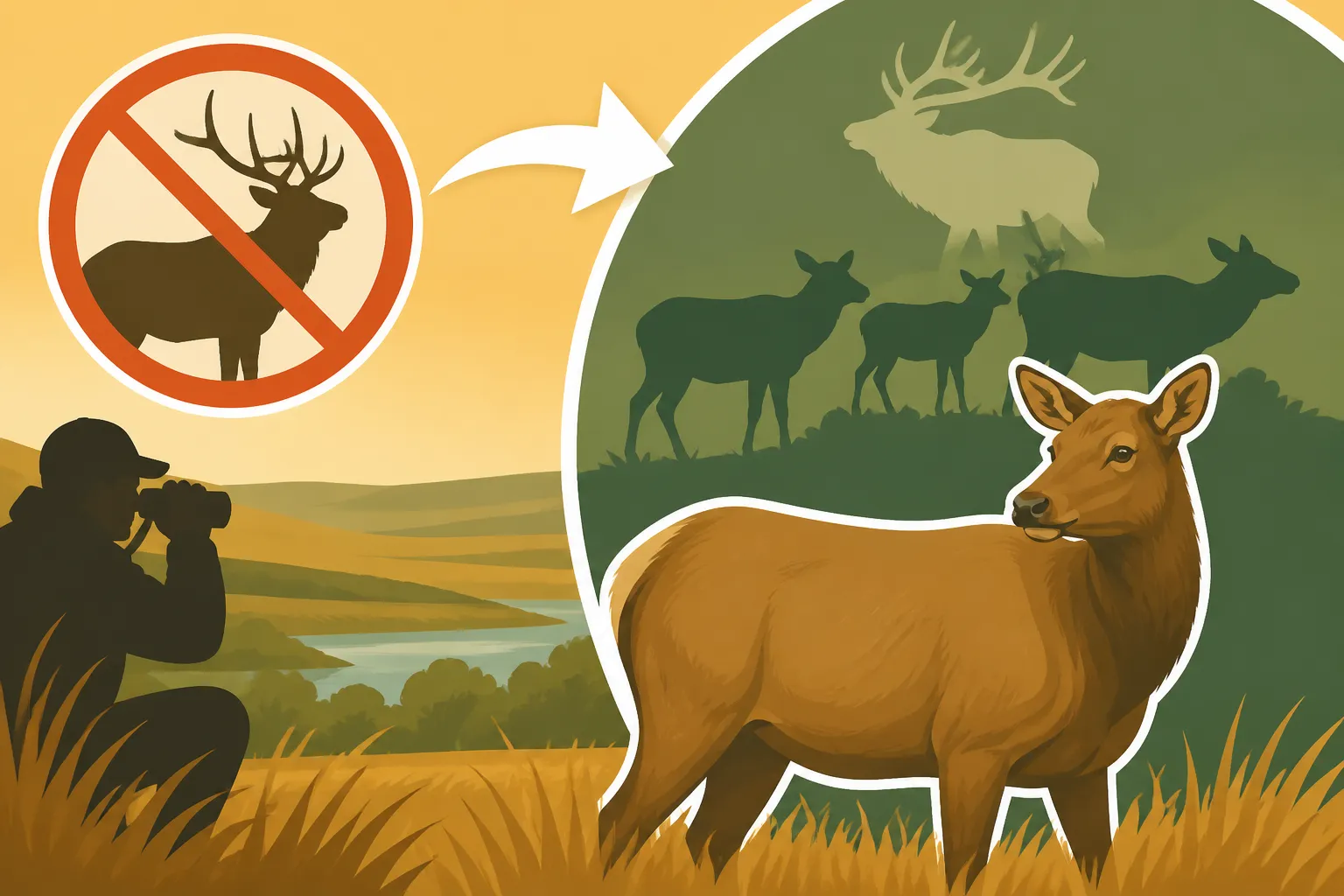
The decision to implement specific antlerless elk hunting periods in North Dakota didn't happen overnight; it was a carefully considered strategy by wildlife managers responding to real-world challenges. While the notion of hunting cows might not hold the same glamour as pursuing a massive bull, it is absolutely essential for maintaining a healthy, balanced elk population and mitigating potential conflicts with landowners.
North Dakota's elk herds, particularly in areas like the Little Missouri Badlands, have seen periods of sustained growth. This is a testament to successful conservation efforts, but unchecked growth can lead to its own set of problems. Too many elk in a given area can quickly outstrip available habitat and food resources, leading to poorer herd health, increased disease transmission, and reduced body condition or antler growth in individual animals. Think of it like a crowded buffet – if too many people are trying to eat, everyone gets less, and the quality of the meal declines. For elk, this means less forage, which can stress animals, especially during harsh North Dakota winters.
Beyond ecological concerns, increasing elk numbers often bring them into closer contact with agricultural operations. Elk are big animals with big appetites, and when they congregate on private agricultural lands, they can cause significant crop damage. This isn't just a minor inconvenience; it can be a substantial financial burden for farmers and ranchers who depend on those crops for their livelihoods. Landowners naturally become frustrated when their fields are being heavily utilized by elk, leading to calls for better management. The North Dakota Game and Fish Department constantly works to balance the desires of hunters with the needs of landowners, and managing these situations effectively often involves targeted population control. By issuing more antlerless tags, the aim is to strategically reduce herd numbers in specific problem areas or to keep overall population growth within sustainable limits, easing pressure on both the land and the patience of local producers.
Understanding the Antlerless Period's Structure
When you finally draw an elk tag in North Dakota, whether it's for an any-elk or an antlerless-only permit, understanding the nuances of the season dates and regulations is paramount. The addition of dedicated antlerless periods is a strategic tool, not just a casual expansion of hunting opportunities. These periods are specifically designed to allow hunters to target cows, often outside the traditional, high-demand bull seasons, or in specific units where cow harvest is deemed most beneficial for herd management. North Dakota Elk Lottery Application Process is a good place to start your planning.
Typically, an antlerless period might extend into later months, sometimes even into December, after the main "any-elk" seasons have concluded. This timing is intentional. By offering a later season, managers can provide additional opportunities for harvest without disrupting the prime breeding season for bulls or putting too much pressure on the general elk population during early fall. It also gives hunters who might not have drawn an "any-elk" tag another chance to participate, focusing their efforts on herd reduction. These seasons usually occur in designated units where localized populations are robust and require more intensive management to meet objectives. For example, a particular unit might have a healthy bull-to-cow ratio, but an overall population that's exceeding carrying capacity or causing significant agricultural depredation. In these cases, an antlerless-only season is a surgical tool.
The rules for these antlerless seasons are just as strict as any other, covering legal weapons, shooting hours, and unit boundaries. Hunters must be absolutely sure of their target, as mistakenly harvesting a bull during an antlerless-only period can lead to serious consequences. Often, these tags are highly specific, restricted to certain units or even portions of units. Resources like GoHunt can be incredibly useful for hunters to meticulously study unit boundaries and regulations, ensuring they're always hunting legally and responsibly. It's not just about getting a tag; it's about understanding the specific conditions and responsibilities that come with it. Hunters often find themselves consulting the official North Dakota Game and Fish Department website regularly, as well as using mapping apps, to ensure they are within the correct zone and respecting private land boundaries. Hunting North Dakota's Antlerless-Only Elk Periods delves deeper into these specific seasons.
Impact and Management Goals of Antlerless Seasons
The overarching goal of introducing and expanding antlerless elk seasons is multifaceted, aiming to achieve a healthier, more balanced elk population while simultaneously fostering positive relationships with landowners. It's a delicate dance between conservation and practical management, and these specific hunting periods play a crucial role.
One primary impact is on the overall herd health and population structure. By strategically removing cows from the herd, wildlife managers can influence future population growth. Cows are the reproductive engine of any ungulate population; fewer cows mean fewer calves born in subsequent years, which can help stabilize or reduce herd numbers to a sustainable level. This prevents overgrazing of prime habitats, ensuring there's enough food for the remaining animals to thrive, leading to better body condition and stronger calves. It also helps manage disease spread, as denser populations are more susceptible to outbreaks. Furthermore, by ensuring proper population density, the male elk often benefit from less competition for resources, potentially leading to larger body sizes and impressive antler growth, which is a significant draw for hunters.
From a landowner relations perspective, these antlerless periods are incredibly valuable. When farmers and ranchers see that action is being taken to address elk depredation, it builds goodwill and cooperation. This can be crucial for maintaining access to private lands, which form a significant portion of huntable territory in North Dakota. Without landowner cooperation, public hunting access would be severely limited, making effective management even more challenging. The North Dakota Game and Fish Department aims to create a scenario where elk numbers are in sync with the carrying capacity of the land and the tolerance levels of agricultural producers. The addition of antlerless periods is a direct response to achieving this balance.
Table 1: North Dakota Elk Management Goals Through Antlerless Harvest
| Management Goal | Description | Primary Benefit | Hunter Impact |
|---|---|---|---|
| Population Control | Reduce or stabilize overall elk numbers in specific units to prevent overpopulation. | Prevents habitat degradation and improves overall herd health. | Creates more hunting opportunities, though focused on antlerless animals. |
| Herd Health Improvement | Ensures adequate forage for remaining animals, reducing stress and disease risk. | Stronger animals, better calf survival, and potentially larger antler growth. | Healthier game animals and higher quality hunting experiences. |
| Landowner Conflict Reduction | Minimizes agricultural crop damage and property conflicts caused by large elk herds. | Fosters positive relationships, preserving private land access for hunters. | Helps maintain access to crucial elk habitat on private property. |
| Resource Allocation | Distributes hunting pressure and harvest opportunities more effectively across the landscape and season. | Optimizes the use of available tags and maximizes hunter success rates where needed. | Provides diverse hunting experiences and helps manage expectations for different tags. |
Understanding these goals can help hunters appreciate why these specific seasons exist and how their participation contributes to the broader health of North Dakota's elk resource. It's not just about drawing a tag; it's about being part of a larger, responsible conservation effort. Many hunters find that utilizing mapping tools available on platforms like GoHunt helps them locate prime areas for antlerless elk while respecting private property, further aiding in achieving these management objectives.
Hunting the Antlerless Season: Strategy and Opportunity
Drawing an antlerless elk tag in North Dakota is a fantastic opportunity, offering a unique hunting experience that complements the pursuit of a trophy bull. While the focus isn't on antlers, the challenge and reward of harvesting an elk for its prime table fare are immense. Successfully hunting during an antlerless period requires a slightly different approach than typical bull hunting, often emphasizing location, herd dynamics, and patience.
One key strategy is identifying prime feeding and bedding areas. During late fall and early winter, elk will be heavily focused on food sources. This means scouting agricultural fields, timber pockets adjacent to croplands, or coulees with good browse can be incredibly productive. Unlike bulls who might be more solitary post-rut, cows tend to stay in larger, family groups. Locating these groups, often in open country or on the edges of cover, is the first step. You might not be looking for the biggest track, but rather the freshest sign of multiple animals moving together. Using optical aids like binoculars and spotting scopes becomes paramount, especially in the vast landscapes of North Dakota, to distinguish cow groups from individual animals or small bull bachelor groups. Glassing Badlands Coulees for Elk is a skill that translates well to these hunts.
Another important consideration is weather and timing. Later seasons can mean colder temperatures and snow, which can both complicate and simplify things. Snow makes tracking easier, revealing fresh movement patterns and preferred travel routes. However, colder weather also means elk will be conserving energy and may not move as much during the day, making early morning and late evening prime hunting times. They might also gravitate towards south-facing slopes or thick timber for warmth and shelter. Patience is key; sometimes, waiting out a group of elk in their bedding area until they move to feed can be a highly effective tactic. Cold-Weather Sitting Strategy on the Prairie can be incredibly useful here.
Finally, ethical shot placement and recovery are always paramount. Even though it’s an antlerless tag, an elk is a large, tough animal. Practice with your chosen weapon to ensure you can make a clean, humane shot. The terrain in areas like the Badlands can be rugged, so consider your recovery plan before you even pull the trigger. Having help lined up, or at least a plan for breaking down the animal in the field, is crucial. This is where physical preparation, as discussed in Physical Prep for Badlands Elk Terrain, truly pays off. An antlerless tag isn't just a meat tag; it's an opportunity to engage in a challenging hunt, contribute to wildlife management, and bring home some of the finest wild game North Dakota has to offer. Utilizing resources like GoHunt for detailed topographical maps and public land boundaries can also aid significantly in planning your approach and recovery logistics.
Broader Elk Management and Future Outlook
The introduction and strategic use of antlerless elk periods are just one part of a comprehensive, ongoing effort by the North Dakota Game and Fish Department to manage the state's magnificent elk population. Elk management is a dynamic science, constantly adapting to environmental changes, population fluctuations, and human impacts. It's a testament to good stewardship that elk are even a huntable species in North Dakota, given their historical scarcity. Where the Badlands Elk Herd Came From is a fascinating read about their return.
Looking forward, these antlerless seasons will likely continue to be a vital tool in the management toolbox. Wildlife biologists continuously monitor herd health, population estimates, calf recruitment rates, and landowner complaints to inform their decisions regarding tag allocations and season structures. This data-driven approach ensures that hunting pressure is applied precisely where it's needed, preventing localized overpopulation while protecting the core breeding stock. The goal is always a healthy, sustainable herd that provides recreational opportunities for hunters for generations to come. North Dakota Elk Herd Population Estimate gives a good overview of the numbers driving these decisions.
Hunters play an integral role in this management scheme, not just through harvest, but also through ethical hunting practices, reporting harvest data, and supporting conservation initiatives. Every hunter who draws an elk tag, whether it's an antlerless or an any-elk, becomes a partner in this effort. By being informed, responsible, and engaged, hunters help ensure the future of elk in North Dakota remains bright. It's important to keep an eye on official announcements for upcoming season changes, as management strategies can evolve based on the latest scientific findings and social considerations. Utilizing a platform like GoHunt to stay up-to-date on news and regulation changes is a smart move for any dedicated North Dakota elk hunter.
Disclaimer
This article is for general informational purposes only and does not constitute professional advice. Laws, prices and regulations vary by location and change over time. Consult a qualified professional for guidance on your specific situation.