Hunting Near the Canadian Border
Hunting near the Canadian border in North Dakota can feel like stepping into a different world, presenting both incredible opportunities and unique challenges that can frustrate even seasoned hunters. The vast, open landscapes, often sparsely populated, hold secrets and potential that many overlook, but navigating the nuances of land access, species distribution, and critical border zone awareness is paramount. This guide will walk you through everything you need to know to plan a successful and safe hunting adventure in North Dakota's northern reaches, addressing common pain points and offering practical, real-world advice.
Understanding the Border Region's Unique Hunting Challenges and Opportunities
The allure of North Dakota's northern border counties for hunters is undeniable, but it comes with a distinct set of logistical considerations. This isn't your typical whitetail hunt in the timber or a pheasant walk through manicured CRP. It's an expansive, often unforgiving landscape that demands respect and thorough preparation.
The Allure and Logistics of Borderland Hunting
There's a special kind of freedom that comes with hunting the vast, rolling prairies and scattered woodlands along the North Dakota-Canada line. The feeling of truly being out there, with minimal human disturbance, is a draw for many. You might encounter larger, more unpressured animals, or stumble upon waterfowl concentrations that seem unbelievable. However, this wildness also means longer travel times, fewer amenities, and the absolute necessity of self-reliance. For example, a hunt for deer in Bottineau County might mean you're driving an hour or more from the nearest town with a gas station, let alone a hunting lodge. Cell service can be spotty at best, and temperatures can drop dramatically without warning, making what seems like a simple outing into a serious test of preparedness. Many hunters underestimate the sheer scale of the land and the distances involved, leading to wasted time and missed opportunities.
Geographic Features and Habitat Zones
The Canadian border region of North Dakota isn't one homogenous landscape; it's a tapestry of diverse habitats. From the rolling hills and deep coulees of the Turtle Mountains in the east, to the rich agricultural fields interspersed with prairie potholes and wetlands across the central and western sections, each area offers something different. You'll find pockets of dense aspen and oak forests in the Turtle Mountains, providing crucial cover for deer and ruffed grouse. Moving west, the landscape flattens into vast expanses of croplands—think wheat, corn, and sunflowers—that serve as prime feeding grounds for geese, ducks, and pheasants, often bordered by shelterbelts that hold deer. Further west, especially in areas like Burke and Divide counties, you start to see more dryland prairie, with sagebrush and rolling native grasslands that favor pronghorn and sharptail grouse. Understanding these subtle shifts in habitat is key to pinpointing where your target species will be found. This diverse geography is precisely why careful scouting, often involving aerial imagery and topographical maps, is so critical here.
Hunter Density and Pressure Dynamics
One of the common misconceptions about hunting North Dakota's border region is that it's completely devoid of other hunters. While it certainly feels less crowded than some of the more well-known hunting destinations, especially compared to opening weekend pheasant hotbeds further south, pressure exists. The type and intensity of pressure vary greatly by species and specific area. For instance, sections of the Turtle Mountains that offer good deer habitat might see local hunters during the gun season, particularly on public tracts. Waterfowl Production Areas (WPAs) and larger wetlands, especially during peak migration, can draw significant numbers of duck and goose hunters, particularly those traveling from out of state seeking the famed prairie pothole experience. However, much of the vast agricultural land and private tracts, if you can secure access, might see very little pressure, especially during weekdays or later in the season. Non-residents planning a waterfowl hunt, for example, need to be acutely aware of North Dakota's Nine Resident-Priority Waterfowl Days, which significantly impact hunting pressure on public land during those specific periods.
Key Game Species Along the Northern Border
The border region of North Dakota is a treasure trove for hunters, offering a diverse array of game species from trophy whitetails to massive flocks of migrating waterfowl. Knowing what's available and where to find it is half the battle.
Deer (Whitetail and Mule Deer) in Northern Units
Both white-tailed deer and, to a lesser extent, mule deer thrive in North Dakota's northern counties. Whitetails are far more prevalent, utilizing the abundant shelterbelts, river bottom timber, and even standing crops as cover and food sources. In counties like Pembina, Cavalier, and Bottineau, you'll find significant whitetail populations in the timbered areas and along the many coulees and drainages. These deer can be surprisingly large, having access to excellent nutrition. Mule deer, while primarily found in the Badlands, occasionally extend their range into the far western border counties such as Divide and Burke, particularly in areas with more rugged, broken prairie and fewer trees. A hunter specifically targeting mule deer should definitely focus on those western border units, but even there, they'll likely encounter more whitetails. Hunting deer in these northern units often involves tactics adapted to the specific cover available, whether it's still-hunting dense tree rows or setting up on a creek crossing at first light. White-Tailed Deer Across North Dakota provides more general information on the species.
Waterfowl and Upland Birds
If there's one thing the Canadian border region of North Dakota is famous for, it's its incredible waterfowl hunting. Situated squarely in the Prairie Pothole Region, counties like Bottineau, Renville, Burke, and Cavalier are dotted with thousands of wetlands, sloughs, and larger lakes that serve as critical staging and breeding grounds for ducks and geese. You'll find everything from mallards, pintails, and wigeon to vast concentrations of Canada geese and snow geese during migration. Hunters often focus on decoying birds in cut fields or jump-shooting smaller potholes. North Dakota Waterfowl on the Prairie Pothole Flyway goes into more detail. Beyond waterfowl, upland bird hunting is also exceptional. Ring-necked pheasants thrive in areas with good cover and food, particularly around agricultural lands and CRP fields in the central and western border regions. Sharptail grouse and Hungarian partridge are also found across the northern prairie, often in mixed grass prairie habitats and along field edges. Sharptail Grouse and Hungarian Partridge in North Dakota offers specific insights into these hardy birds.
Predator and Small Game Opportunities
The borderlands also offer fantastic opportunities for predator and small game hunting, often serving as a great way to fill time between big game or bird hunts, or as a dedicated pursuit. Coyotes are abundant across the entire northern tier, constantly on the move through open fields, shelterbelts, and rougher terrain. Calling coyotes at first light or dusk can be incredibly productive, especially during the colder months when their fur is prime. Coyote Calling North Dakota Farm Country offers tactical advice. Red fox are also common, though often more elusive than coyotes. For small game, rabbits, particularly cottontails, can be found in brushy areas and along river bottoms, while squirrels (fox and gray) inhabit the more timbered regions, especially the Turtle Mountains and along the Pembina River. These species provide year-round hunting options and are a great way to hone your tracking and stalking skills.
Public Land Access Strategies Near the Canadian Border
Finding public hunting land near the Canadian border can sometimes feel like searching for a needle in a haystack, especially for those unfamiliar with North Dakota's unique land access programs. It's not always about vast national forests; often, it's about knowing how to leverage smaller, scattered parcels.
Navigating PLOTS and WMAs in Border Counties
North Dakota's Private Land Open To Sportsmen (PLOTS) program is an absolute game-changer for hunters, especially in regions like the border counties where private land predominates. PLOTS tracts are privately owned lands enrolled in a program that opens them to public hunting, clearly marked with yellow triangular signs. Many of these tracts are strategically located near prime habitat for deer, pheasants, and waterfowl, often alongside section lines or accessible roads. You'll find these scattered through counties like Bottineau, Rolette, Renville, and Burke. Similarly, Wildlife Management Areas (WMAs), managed by the North Dakota Game and Fish Department, are dedicated public lands that offer excellent hunting. These are typically larger, managed specifically for wildlife habitat, and can range from expansive wetlands ideal for waterfowl to timbered areas holding deer. The key is to get the latest PLOTS guide and use mapping tools like onX Hunt or GoHunt to identify these parcels well in advance. The PLOTS Program Explained provides a deep dive into how this program works. Remember, not all PLOTS land is created equal; some tracts might be heavily pressured while others offer hidden gems.
Utilizing State School Lands and Other Public Access
Beyond PLOTS and WMAs, North Dakota also offers access to State School Trust Lands. These are typically square-mile sections (often marked as "Section 16" or "Section 36" on maps) that were granted to the state to support public education. While accessible to the public, they aren't always explicitly marked for hunting like PLOTS land, and regulations can sometimes differ slightly. It's crucial to confirm public access status through the North Dakota Department of Trust Lands. Additionally, some federal lands, though less common right on the immediate border compared to central North Dakota, might exist. Always double-check boundaries with a reliable mapping application. These less-trafficked public lands can offer fantastic opportunities for those willing to do their homework and walk a little further. Public Hunting Land in North Dakota covers the broader landscape of public access.
Seeking Private Land Permission
Even with the PLOTS program and other public lands, North Dakota remains a state where a significant portion of hunting success hinges on gaining private land access. This is particularly true in the prime agricultural regions along the border, where large tracts of private land can hold incredible numbers of deer, pheasants, and waterfowl. Approaching landowners respectfully and well in advance of the season is your best bet. Many farmers and ranchers are amenable to allowing access, especially if you demonstrate respect for their property, close gates, and avoid disturbing livestock. A simple knock on the door, a polite conversation, and leaving your contact information can go a long way. Some landowners might require written permission, so be prepared. While it can feel intimidating, establishing these relationships can unlock some of the best hunting experiences North Dakota has to offer, especially in units with high game density but limited public access. For more detailed advice, read Getting Private Land Permission in North Dakota.
| Public Land Type | Primary Use/Benefit | Key Considerations |
|---|---|---|
| PLOTS (Private Land) | Diverse habitat, often near agriculture; clearly marked; widespread availability. | Acreage can vary; pressure can be high on popular tracts; seasonal changes in availability. |
| WMAs (State Land) | Managed for wildlife; often larger blocks of habitat; good for multiple species. | Can be concentrated in certain areas; rules specific to the WMA; some controlled access. |
| State School Trust Lands | Scattered section-sized parcels; less pressure; often overlooked. | Access may not be obvious; always verify rules with Department of Trust Lands. |
| Federal (Limited) | Potentially less pressure; may have unique habitat. | Scarce in border region; verify agency rules and boundaries carefully. |
Navigating Regulations and Safety Near the International Line
Hunting near an international border adds a layer of complexity and responsibility that hunters absolutely cannot overlook. Missteps here can have serious consequences, making adherence to all regulations and proactive safety planning paramount.
Understanding International Border Zone Rules
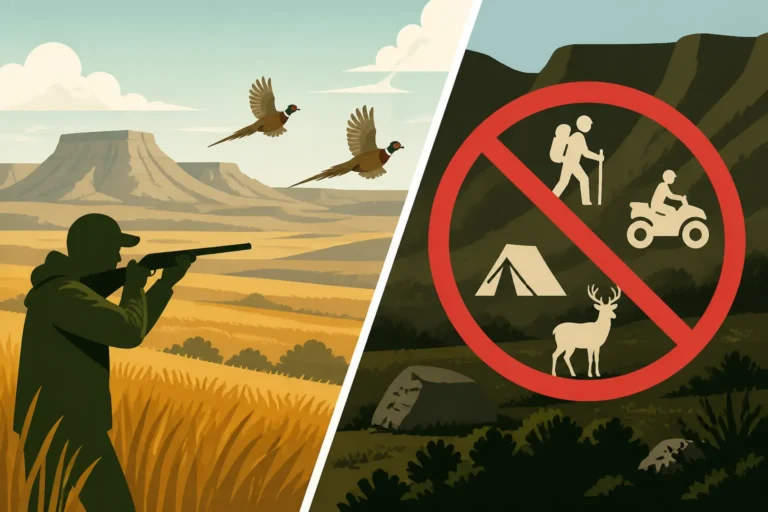
The most critical aspect of hunting near the Canadian border is a thorough understanding of the regulations governing the international boundary itself. It is illegal to discharge a firearm or bow across the international border. Furthermore, there are often specific setback distances from the actual border line within which hunting is prohibited. These zones are designed for security and safety. It's not enough to simply know you're "near" the border; you need to know exactly where that border line is. This is where digital mapping tools like onX Hunt become indispensable. Their property line and land ownership layers often include international boundaries, allowing you to clearly see where you can and cannot hunt. Never assume; always verify your location relative to the border. The consequences of violating these rules, even accidentally, can range from significant fines to the confiscation of equipment and even federal charges. This is not a situation where "I didn't know" is an acceptable excuse.
Specific License and Tag Requirements for Border Units
While there aren't typically special licenses just for border units, understanding North Dakota's general licensing framework is essential, especially for non-residents. Non-residents face specific restrictions, particularly for deer and waterfowl. For instance, non-residents generally cannot hunt deer on public land during the first 9.5 days of the archery season, requiring private land access or waiting until after September 14. Waterfowl hunters will also need to be aware of the new North Dakota's New Nonresident Waterfowl Rule and the zone-restricted license requirements. Every hunter, resident or nonresident, must possess a basic hunting license and any species-specific tags for deer, elk, or turkey. Additionally, migratory bird hunters need the Federal Duck Stamp and HIP (Harvest Information Program) certification. Always carry proof of your licenses and tags, and be prepared to present them to a game warden or border patrol agent if requested. Verify the specific unit boundaries for your deer or elk tags, as these units often directly abut the international line.
Safety Protocols and Emergency Preparedness
Beyond legal compliance, safety in the remote border region is paramount. This includes personal safety, firearm safety, and preparedness for environmental challenges. Due to the proximity to the international border, you may encounter Border Patrol agents, who are within their rights to question hunters in border zones. Always cooperate respectfully. For personal safety, especially when hunting alone, file a detailed hunt plan with someone responsible. This includes where you're going, your expected return time, and who to call if you don't check in. Because of potentially limited cell service, consider carrying a satellite communication device for emergencies. North Dakota weather is notoriously unpredictable; dress in layers, carry extra water and food, and pack emergency supplies including a first-aid kit, fire starter, and headlamp. Vehicles should be in good repair, with a full tank of gas, and ideally, you should have a spare tire, jumper cables, and a shovel. If you're going to be out after dark, remember North Dakota has blaze orange requirements, even on certain public lands, so ensure you meet North Dakota Blaze Orange Requirements to stay safe and visible.
Essential Gear and Tactics for Borderland Hunting
Hunting near the Canadian border demands a thoughtful approach to gear and tactics. The expansive, often open landscape, combined with potentially harsh weather, means your equipment choices and hunting methods need to be robust and adaptable.
Topographic Maps and GPS Systems for Navigation
In a region where landmarks can be few and far between, and cell service unreliable, advanced navigation tools are not just helpful; they're essential. A reliable GPS unit, either a dedicated handheld device or a robust smartphone app like onX Hunt, loaded with detailed topographic maps and public/private land ownership layers, is critical. These tools allow you to pinpoint your exact location, track your movements, mark waypoints for game sign or downed animals, and, most importantly, clearly define property lines and the international border. It's also wise to carry a physical, waterproof topographic map and a compass as a backup, and know how to use them. While digital maps are fantastic, batteries die, and screens crack. For serious planning, a tool like GoHunt can provide even deeper insights into game distribution and access points. Never head into the border country without a foolproof plan for navigation. Getting lost miles from the nearest road, especially in freezing temperatures, is a serious risk.
Adapting Hunting Methods to Borderland Terrain
The tactics you employ will heavily depend on your target species and the specific borderland habitat you're in. For deer, in the timbered regions of the Turtle Mountains or along river bottoms, still-hunting through cover or setting up stands on travel corridors or creek crossings can be effective. In the more open prairie and agricultural areas, glassing vast expanses from a high point, then planning a stalk, becomes a primary tactic. Learning to read shelterbelt edges for deer sign and understanding how deer use standing crops for bedding and feeding is crucial. For waterfowl, traditional decoy spreads in flooded fields or over water are common, but jump-shooting smaller, overlooked potholes can yield surprising results. Upland bird hunters will often walk linear cover like shelterbelts and field edges for pheasants, or traverse native prairie and CRP fields in wider, sweeping patterns for sharptails and Huns, often utilizing a good bird dog. Hunting Sharptail Grouse at First Light offers specific strategies for those birds. Flexibility is key; be prepared to switch tactics based on weather, game movement, and hunting pressure.
Cold Weather Gear and Vehicle Preparedness
North Dakota winters can be brutal, and even early fall or late spring hunts can experience dramatic temperature drops. Layering is your best friend: moisture-wicking base layers, insulating mid-layers (fleece or down), and a waterproof, windproof outer shell are non-negotiable. Don't forget insulated boots, warm gloves or mittens, and a good hat. Hand warmers and toe warmers are often worth their weight in gold. Vehicle preparedness is equally important. Ensure your truck or SUV is mechanically sound, has good tires, and is stocked for emergencies. This means extra fuel, a full-size spare, a shovel, chains or a tow strap, a complete emergency kit (flares, first-aid, blankets), and plenty of extra food and water. Having a fully charged jump starter or heavy-duty jumper cables is also wise. In remote areas, a dead battery or a flat tire can quickly turn a minor inconvenience into a life-threatening situation. Always keep your gas tank topped off, as gas stations can be few and far between, especially in the more isolated northern counties.
Disclaimer
This article is for general informational purposes only and does not constitute professional advice. Laws, prices and regulations vary by location and change over time. Consult a qualified professional for guidance on your specific situation.