Booking a Pheasant Hunt for a Group
Trying to organize a group pheasant hunt in North Dakota can feel like herding cats in a hailstorm. Between coordinating everyone's schedules, understanding the licensing quirks for multiple hunters, and just figuring out where to even start looking for a quality experience, it's enough to make you wonder if a solo hunt wouldn't be easier. But don't worry, this guide is here to walk you through the ins and outs of planning a successful and memorable group pheasant hunting trip in North Dakota, making sure everyone has a fantastic time.
The Unique Challenges of Group Pheasant Hunts in North Dakota
Bringing a group of hunters to the North Dakota prairie for pheasants is an incredible experience, but it's also a significant undertaking. It's not just about showing up with shotguns and shells; there are layers of logistical planning that amplify with each additional person in your party. You're not just managing your own expectations and gear, but those of everyone else, which can lead to friction if not handled proactively.
Coordinating Schedules and Expectations
One of the biggest headaches when planning any group activity, especially a hunting trip, is getting everyone on the same page regarding dates. North Dakota's pheasant season typically kicks off in early October and runs through the beginning of January, offering a wide window. However, many groups target the early season or key weekends, which also happen to be the busiest times for outfitters and accommodations. You'll often find yourselves wrestling with work commitments, family events, and other conflicting plans to nail down a block of days that works for everyone.
Beyond just the dates, managing expectations is crucial. Some members of your group might be seasoned pheasant hunters, dreaming of busting coveys all day long, while others might be relatively new to the sport, more interested in the camaraderie and the overall outdoor experience. You might have some who are keen on high-volume shooting and others who prioritize the quality of the dog work. If these differing expectations aren't discussed and aligned beforehand, it can lead to disappointment or even tension during the hunt. It's important to have an honest conversation about what each person hopes to get out of the trip, whether it’s primarily Pheasant Hunting North Dakota's Prairie or simply enjoying the company. A pre-hunt meeting, even a virtual one, can help set a common goal and ensure everyone understands the potential realities of the hunt, from weather conditions to bird numbers on any given day.
Navigating Licenses and Regulations for Multiple Hunters
North Dakota has a straightforward licensing process, but when you're dealing with a group, the sheer volume of individual requirements can become a bureaucratic tangle. Every hunter needs to secure the appropriate licenses and stamps well in advance of the trip. For non-residents, this typically means a general game and habitat license, a small game license, and a Harvest Information Program (HIP) certification for migratory birds, even if you're only targeting pheasants. Make sure everyone understands the North Dakota Nonresident Pheasant License Cost and has budgeted for it. It's not uncommon for one or two members of a larger group to delay purchasing their licenses, causing last-minute scrambles and potential issues.
Beyond individual licenses, it's vital that everyone in the group is aware of and adheres to North Dakota's specific hunting regulations. This includes daily bag limits and possession limits, which apply per person. You don't want to inadvertently exceed limits because one hunter miscounted or misunderstood the rules. Additionally, North Dakota Blaze Orange Requirements are critical for safety, and every hunter needs to be properly outfitted. For groups, it's a good idea to assign one person the task of being the "regulations guru" – someone who double-checks the current North Dakota Pheasant and Upland Season Rules and ensures everyone is informed. This person can also help collect all necessary license numbers and documentation in one place, just in case it's needed during the trip for an outfitter or game warden. Understanding these details upfront prevents awkward situations in the field and keeps everyone on the right side of the law.
Deciding Between Self-Guided and Outfitted Group Hunts
Once you've got your group's schedules aligned and a basic understanding of the licensing, the next big decision is whether you'll brave the prairie on your own or entrust your adventure to a professional outfitter. Both options have their unique charm and challenges, especially when it comes to a group dynamic. It’s a choice that significantly impacts the planning, cost, and overall experience of your North Dakota pheasant hunt.
The Appeal and Pitfalls of Self-Guided Group Hunts
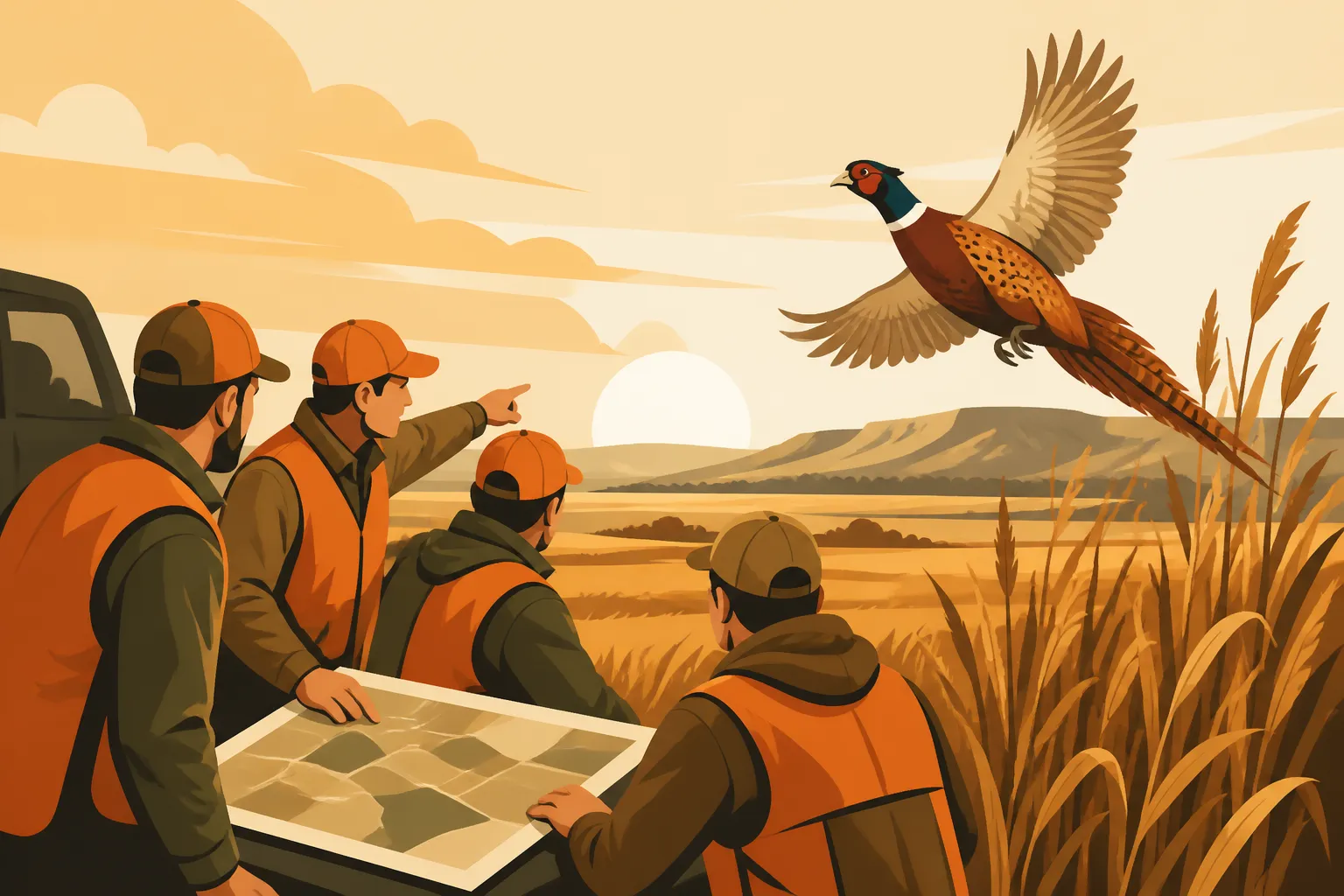
The allure of a self-guided pheasant hunt for a group in North Dakota is strong, primarily centered around the sense of independence and perceived cost savings. There's something truly satisfying about scouting your own ground, making your own decisions in the field, and relying solely on your group's collective knowledge and effort. Many groups enjoy the camaraderie of a DIY trip, where responsibilities are shared, and the learning curve is part of the adventure. You might spend time looking over the PLOTS Program Explained maps, planning your strategy for Walking a Pheasant Field at Midday, and coordinating dog movements yourselves. This can lead to a deeply rewarding experience, fostering stronger bonds within the group as you overcome challenges together.
However, the pitfalls of self-guided hunts for groups are significant, particularly in a state like North Dakota where access and bird location can be challenging. First and foremost is securing reliable access to productive land. While North Dakota boasts extensive public lands like PLOTS (Private Land Open To Sportsmen) and Waterfowl Production Areas, these can receive considerable pressure, especially during peak season. Finding quality, unpressured ground that can accommodate a group of hunters and dogs can be a full-time job of scouting, often requiring numerous calls to landowners for private permission. Factor in the cost of lodging, meals, bird cleaning, transportation, and potentially bringing your own bird dogs, and the "savings" might not be as substantial as initially thought. If your group is new to North Dakota or lacks experienced bird dog handlers, a self-guided hunt can quickly turn frustrating, leading to long drives, limited bird encounters, and a less-than-ideal experience for everyone involved.
The Advantages of Booking an Outfitter for Your Group
For many groups, especially those new to North Dakota or seeking a more streamlined, higher-success experience, booking an outfitter is often the superior choice. The primary advantage lies in the outfitter's local knowledge, established land access, and experienced guides and dogs. A reputable outfitter has spent years building relationships with local landowners, securing access to prime pheasant habitat that might be inaccessible to the average self-guided hunter. They understand bird movements, habitat preferences, and how weather impacts hunting conditions, greatly increasing your group's chances of success. They also come equipped with trained bird dogs, which is a huge asset, especially if your group doesn't have its own or their dogs aren't accustomed to the vast prairie landscape.
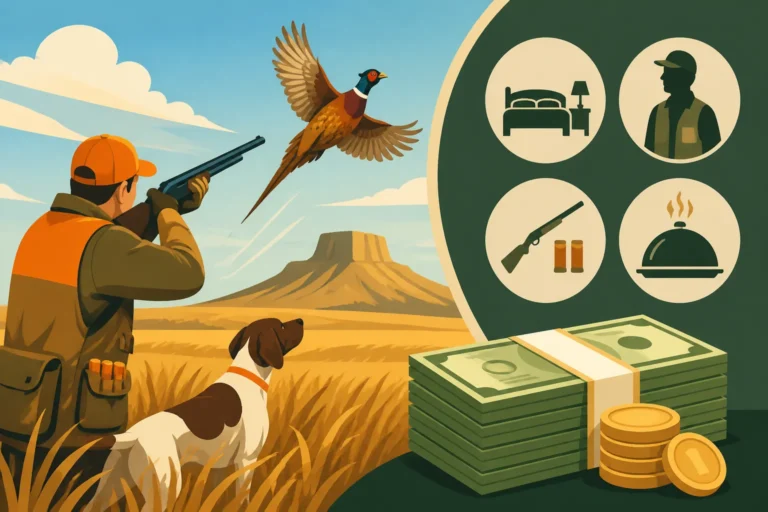
Beyond the hunting itself, an outfitter handles the vast majority of logistical headaches that plague group trips. This often includes comfortable lodging, delicious meals, and even bird processing and packaging, creating a truly all-inclusive experience. This frees up your group to focus solely on the hunting and the camaraderie, rather than worrying about cooking dinner or cleaning birds after a long day in the field. While the upfront cost might seem higher than a self-guided trip, when you factor in the value of guaranteed access, expert guidance, professional dog work, and all the amenities, it often represents excellent value. For example, knowing that your group's needs, from meals to dog handling, are covered by professionals who live and breathe pheasant hunting can transform a potentially stressful trip into a relaxing and highly successful one. Many outfitters cater specifically to groups, offering packages that simplify the entire process, making it a truly turnkey solution.
| Feature | Self-Guided Group Hunt | Outfitted Group Hunt |
|---|---|---|
| Land Access | Requires extensive personal scouting & permission | Pre-secured, often prime private land |
| Local Knowledge | Relies on group's research or prior experience | Expert guides know bird patterns & habitat |
| Dog Power | Bring your own dogs; skill levels vary | Professional, well-trained bird dogs included |
| Accommodations | Arrange your own (hotels, rentals, camping) | Often included, with dedicated lodges/facilities |
| Meals | Prepare your own or eat out | Catered meals often included |
| Bird Care | Process birds yourselves | Bird cleaning & packaging often provided |
| Logistics | Group manages all transportation, gear, planning | Outfitter handles most trip planning & details |
| Cost | Lower upfront, but hidden costs can add up | Higher upfront, but all-inclusive value |
| Flexibility | High, customize schedule & methods | Structured itinerary, less day-to-day flexibility |
| Success Rate | Variable, depends on group skill & scouting | Generally higher, due to expertise & access |
What to Look for in a North Dakota Pheasant Outfitter for Groups
If your group decides to go the outfitter route, the next crucial step is finding the right one. Not all outfitters are created equal, and what works perfectly for a solo hunter or a pair might not be ideal for a larger group. You need to consider several factors to ensure the outfitter can meet your specific needs and deliver the quality experience everyone is hoping for. This is where a bit of diligent research and asking the right questions pays off exponentially.
Capacity, Accommodations, and Amenities
When you're booking for a group, the outfitter's capacity is paramount. You need to ensure they can comfortably host your entire party, both in terms of hunting capacity and lodging. Ask specific questions about the maximum number of hunters they take out in a day and the size of their typical groups. Do they run multiple groups simultaneously? If so, how does that impact the hunting pressure on their land? You don't want to show up with eight guys only to find you're sharing the best cover with another group of six from a different booking.
Their accommodations are equally important. Are they set up for group lodging? Many North Dakota lodges cater specifically to groups, offering bunk rooms, multiple private bedrooms, or even entire cabins. Consider amenities: Is there a comfortable common area where your group can relax and socialize after a long day in the field? What about drying facilities for wet gear or a dedicated space for cleaning guns? Some lodges offer excellent dining experiences, while others provide more basic, self-serve options. For a multi-day trip, knowing What's Included in a Pheasant Lodge Stay helps manage expectations and avoid any surprises upon arrival. Platforms like BookYourHunt can sometimes provide photos and descriptions of lodge facilities, giving you a visual idea of what to expect before you commit.
Guide-to-Hunter Ratio and Dog Power
The quality of your hunting experience often hinges on the guide-to-hunter ratio and the caliber of the outfitter's dog team. For a group hunt, a low guide-to-hunter ratio is generally preferable, ensuring that each hunter receives adequate attention, safety oversight, and guidance in the field. A ratio of 1:4 or 1:5 (one guide per four or five hunters) is common, but always clarify this. A higher ratio might mean less personalized instruction or more chaotic dog handling. Ask about the guides' experience levels and their knowledge of the specific hunting areas.
Then there's the dog power – arguably the most exciting part of a pheasant hunt. A strong, well-trained dog team can make or break a pheasant hunt. Inquire about the number of dogs the outfitter runs with each group and their breeds (pointers, flushers, or retrievers). A mix can be excellent, with pointers finding birds and flushers or retrievers bringing them to hand. Ask about the dogs' training and their average working stamina, especially if you're planning on long days in the field. Are they rotated throughout the day to ensure fresh legs and noses? You want to know that the dogs are conditioned for the rigorous demands of Running Pointing Dogs on North Dakota Pheasant across expansive prairie terrain. A good outfitter will be proud to tell you about their canine companions.
Understanding Pricing Structures and Inclusions
Cost is, naturally, a major factor for any group. It's crucial to get a clear, itemized breakdown of the outfitter's pricing structure. What a Guided North Dakota Pheasant Hunt Costs can vary widely based on the duration, inclusions, and time of season. Ask if the price is per person, per day, or a package deal for the group. What exactly is included?
- Lodging: Is it shared rooms, private rooms, or an entire lodge rental for your group?
- Meals: Are all meals included? If so, what kind of food? Are beverages part of the package?
- Guides and Dogs: Is this factored into the daily rate, or is there an additional fee?
- Bird Cleaning and Packaging: This is a big one for groups. Is it handled by the outfitter, or is it a DIY task? What about freezing and transport?
- Transportation: Do they provide transportation to and from the hunting fields, or do you use your own vehicles?
- Ammunition: While not always included, some outfitters offer it for convenience, especially for non-residents traveling by air.
Clarify any potential hidden costs, such as gratuities for guides and lodge staff (which are customary and important to budget for), alcohol, or extra services. Some outfitters might offer discounts for larger groups or for booking during the off-peak season. Having a clear understanding of all financial aspects upfront helps everyone in your group budget appropriately and prevents any awkward surprises when it's time to settle the bill.
The Booking Process: From Inquiry to Confirmation
Once you've done your homework and have a shortlist of potential North Dakota pheasant outfitters, it's time to initiate the booking process. This isn't just about sending an email; it's a multi-step journey that involves careful communication, thorough vetting, and understanding the terms of your agreement. For a group hunt, getting this right ensures a smooth lead-up to your adventure.
Initial Research and Vetting Outfitters
Your initial research should extend beyond just the outfitter's website. Start by checking their reputation. Look for reviews and testimonials from other hunters, especially groups. Hunting forums, social media, and dedicated booking platforms like BookYourHunt or GoHunt can be invaluable resources for honest feedback. Pay attention to consistent praise or recurring complaints. Are hunters consistently satisfied with bird numbers, dog work, guide professionalism, and the overall lodge experience?
Don't hesitate to directly contact the outfitters on your shortlist. A phone call allows you to gauge their professionalism, responsiveness, and willingness to answer all your questions. This is your chance to ask about their availability for your desired dates, their group capacity, what their typical pheasant season looks like in terms of bird numbers, and how they manage hunting pressure. Ask for references from past group clients – a reputable outfitter will gladly provide them. When speaking with references, inquire about their group's experience, the guide-to-hunter ratio they had, the quality of the dogs, and if there were any unexpected issues or costs. A thorough vetting process at this stage can save your group a lot of grief and disappointment down the road.
Crafting Your Group's Ideal Hunt Package
After initial conversations, you'll likely start discussing specific packages. This is where you work with the outfitter to tailor the hunt to your group's preferences. Do you want a three-day hunt with two days of hunting, or a full five-day immersion? Are all members of your group experienced hunters, or will some need more hands-on guidance? Some outfitters offer a variety of options, from basic day rates to elaborate multi-day packages that include lodging, all meals, bird cleaning, and even airport transfers.
Consider the dynamic of your group. If you have some less experienced hunters, inquire about options for dedicated instruction or gentler hunting pace. If your group includes those who prioritize Hunting North Dakota's Prairie Pothole Region for high volume, discuss if the outfitter has specific properties known for denser bird populations. Don't be afraid to ask for customizations or modifications to standard packages to better suit your group. This might involve adjusting the number of hunting days, opting for different meal plans, or discussing specific dog preferences if you have strong opinions on Running Pointing Dogs on North Dakota Pheasant. A good outfitter will be flexible and work with you to create a memorable experience.
Deposits, Contracts, and Cancellation Policies
Once you've settled on a package, the next step involves deposits and contracts. Outfitters typically require a significant deposit to secure your dates, especially for group bookings, as these spots are often reserved Booking a Pheasant Hunt a Year Out. Make sure you understand the payment schedule for the remaining balance. Review the contract thoroughly before signing. It should clearly outline:
- Dates of your hunt
- Number of hunters in your group
- Specific services included in your package
- Total cost and payment due dates
- Cancellation policy
The cancellation policy is particularly critical for group bookings. Life happens, and someone in your group might need to cancel or modify their plans. Understand what happens if you need to reduce the number of hunters or cancel the entire trip. Are deposits refundable? Is there a penalty for late cancellations? Some outfitters offer travel insurance options or strongly recommend clients purchase their own. This is also the time to clarify if there are any provisions for severe weather or unforeseen circumstances that might impact the hunt. Having all these details in writing protects both your group and the outfitter, ensuring clarity and transparency throughout the entire booking process.
Preparing Your Group for a North Dakota Pheasant Adventure
With your group hunt booked, the anticipation will start to build! But the preparation isn't over. Getting your entire party ready for the physical demands, the gear requirements, and the unique conditions of North Dakota pheasant hunting is crucial for everyone's enjoyment and safety. A well-prepared group is a happy group, and a happy group makes for a successful hunt.
Essential Gear and Clothing Considerations
North Dakota weather in the fall and early winter can be notoriously unpredictable, swinging from mild and sunny to bitterly cold and snowy in a matter of hours. Layering is not just a suggestion; it's a necessity. Advise your group to pack versatile clothing made of moisture-wicking materials as a base layer, insulating layers like fleece or wool, and a waterproof, windproof outer shell. Comfortable, broken-in hunting boots with good ankle support are non-negotiable, as you'll be covering miles of uneven terrain. Suggest gaiters to keep burrs and snow out of boots. Don't forget durable upland hunting pants or chaps to protect against thorns, barbed wire, and dense cover.
Beyond clothing, everyone needs to ensure their firearms are in good working order and that they have plenty of the correct ammunition. A 12- or 20-gauge shotgun with appropriate pheasant loads (e.g., #4, #5, or #6 shot) is standard. Eye and ear protection are absolute musts. Encourage each member to bring a comfortable, well-fitting bird vest or jacket with ample shell loops and a large game bag. A good pair of gloves that allow for trigger feel, a warm hat, and a pair of binoculars for spotting distant birds or dogs are also highly recommended. Lastly, remind everyone to carry their hunting license and HIP certification, and any other necessary documentation, on their person at all times, along with basic first-aid supplies. This meticulous attention to detail with gear will make all the difference in comfort and success when you're Hunting Sharptail Grouse Hunting Mixed Grass Prairie or deep in cattails for pheasants.
Physical Preparation and Safety Briefings
Pheasant hunting in North Dakota can be physically demanding. You'll often be walking through dense cover, over uneven ground, and sometimes battling strong prairie winds. Encourage everyone in your group to start a walking regimen weeks or even months before the trip. This doesn't mean you need to run a marathon, but being able to comfortably walk several miles a day with your gear will greatly enhance your enjoyment and reduce fatigue. Discuss any physical limitations within the group so that the outfitter can plan hunts accordingly, perhaps incorporating more vehicle-assisted field access or shorter walks where possible.
Before hitting the field, a comprehensive safety briefing is absolutely paramount, especially for a group. Even if everyone is an experienced hunter, reviewing the basics is essential. This includes:
- Muzzle Control: Always know where your muzzle is pointing.
- Zone of Fire: Establish clear shooting lanes and understand safe shot angles, especially when walking in a line.
- Target Identification: Be absolutely certain of your target and what is beyond it.
- Communication: How will your group communicate in the field (e.g., hand signals, verbal calls for "bird up" or "dog on point")?
- Blaze Orange: Reiterate the importance of North Dakota Blaze Orange Requirements for visibility and safety.
The guide will typically lead this briefing, but as the group organizer, reinforce these points. Make sure everyone knows what to do in case of an emergency, where the first-aid kits are, and how to contact help. Safety should always be the top priority, ensuring that everyone returns home safely with great memories.
Managing Expectations and Group Dynamics
We touched on managing expectations earlier, but it bears repeating as you get closer to the hunt. Reiterate that hunting is never a guarantee. There will be good days with plenty of birds and tough days where you have to work harder. The focus should be on the experience, the dogs, the landscape, and the camaraderie, not solely on the number of birds in the bag. Remind everyone that Hunting North Dakota's Nine-and-a-Half-Day Bow Restriction and other regulatory details mean things are always in flux, and the hunt is about adapting.
Address group dynamics proactively. Who will carry the water? Who will handle snacks? What about sharing bird cleaning duties, if that's not fully handled by the outfitter? Discuss how your group will manage shared expenses, like tips for guides and staff, before the trip to avoid awkward conversations later. Remind everyone that patience, respect, and a positive attitude are key to a successful group hunt. Encourage hunters to support each other, whether it's by calling out a flush or celebrating a well-shot bird. A well-functioning, respectful group dynamic will make the entire North Dakota pheasant adventure enjoyable for everyone involved, creating lasting memories far beyond the number of roosters harvested.
Disclaimer
This article is for general informational purposes only and does not constitute professional advice. Laws, prices and regulations vary by location and change over time. Consult a qualified professional for guidance on your specific situation.