What an Outfitted Package Hunt Includes
Venturing into the wide-open spaces of North Dakota for a hunt is a dream for many, but the thought of coordinating all the moving parts can quickly turn that dream into a logistical nightmare. Between securing licenses, knowing where to go, and figuring out accommodations, it’s easy to feel overwhelmed. This guide is here to demystify what an outfitted package hunt in North Dakota truly includes, helping you understand exactly what to expect so you can plan your adventure with confidence.
The Basics of a North Dakota Outfitted Package Hunt
When you start looking into a guided hunt in North Dakota, you'll quickly come across the term "package hunt." This isn't just a fancy way of saying "guided hunt"; it implies a bundle of services designed to take much of the planning burden off your shoulders. However, the exact contents of these packages can vary wildly, leading to confusion if you don't know what questions to ask or what to look for.
Understanding the "All-Inclusive" Idea
The phrase "all-inclusive" sounds wonderful, conjuring images of showing up with just your rifle or shotgun and having everything else handled. And while many North Dakota outfitters strive for a comprehensive experience, it's crucial to understand that "all-inclusive" rarely means absolutely everything. Instead, it typically refers to the core components of the hunt itself: guiding, lodging, meals, and initial game care. Things like licenses, ammunition, specialized gear, or even gratuities for your guide are almost always extra.
Think of it this way: an "all-inclusive" resort might cover your room, food, and basic activities, but it doesn't pay for your plane ticket, excursions outside the resort, or souvenir shopping. The same principle applies here. An outfitter aims to provide a seamless hunting experience once you arrive at their lodge or designated meeting point, removing the daily stresses of finding game, cooking, and sleeping arrangements. This is especially valuable for those traveling long distances or hunters who prefer to focus solely on the pursuit. Knowing the nuances up front prevents any surprises down the line and allows you to budget accurately for your adventure.
Common Inclusions Across Most Packages
While every outfitter has their own specific offerings, there are several staples you can generally expect to find in a North Dakota outfitted package hunt. These are the foundational elements that make a guided trip distinct from a self-guided one, providing convenience and expertise.
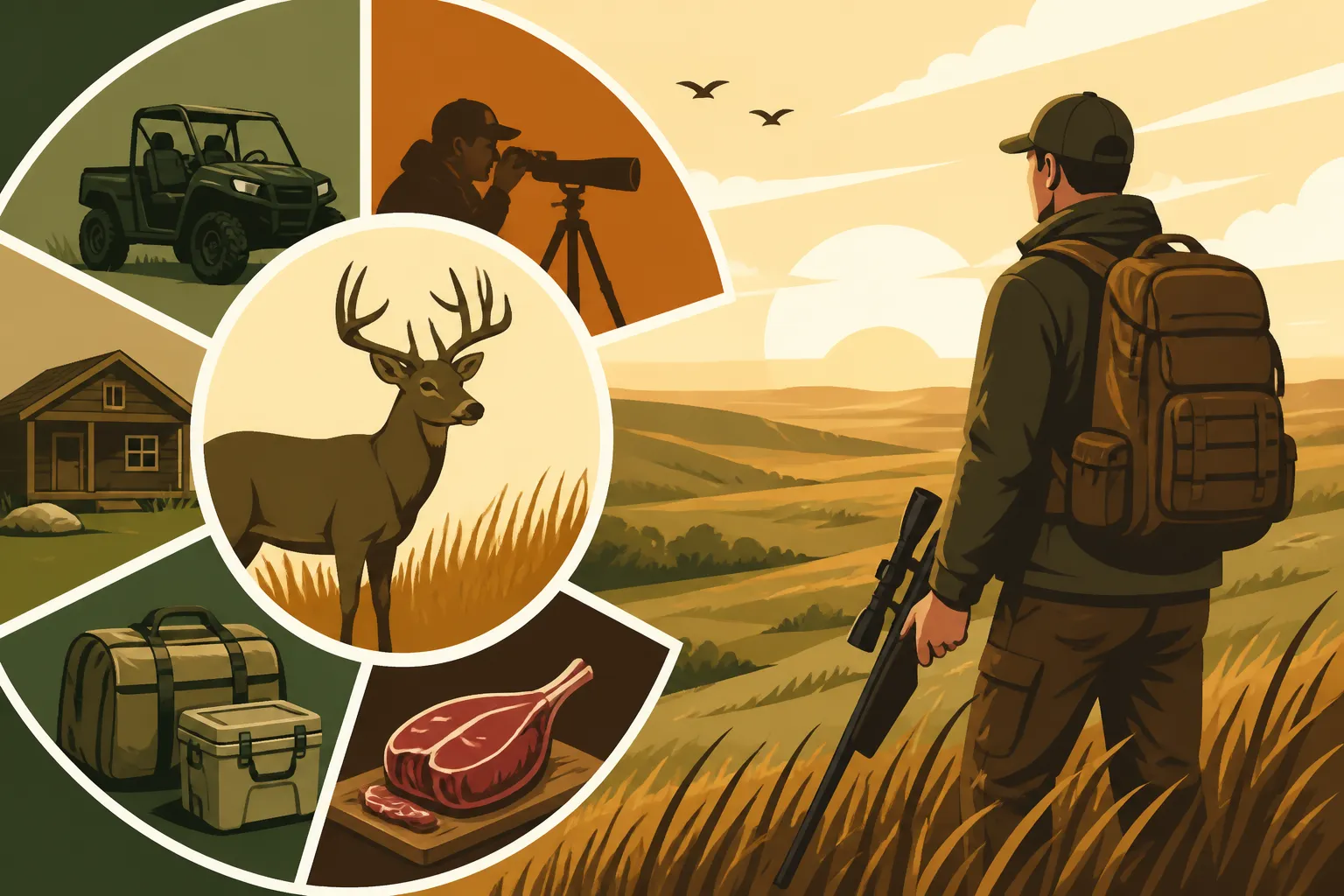
First and foremost is the professional guiding service itself. This means you'll have an experienced local hunter leading the way, sharing their knowledge of the terrain, game movements, and effective strategies for success. Whether you're chasing pheasants through CRP fields, glassing coulees for mule deer, or tucked into a layout blind for geese, your guide is there to maximize your opportunities. They often have intimate knowledge of Hunting North Dakota's Prairie Pothole Region or Hunting North Dakota's Badlands. Another universal inclusion is lodging. Most package hunts will provide accommodations, which could range from a cozy cabin on the prairie, a comfortable room in a dedicated hunting lodge, or even a well-appointed local motel room. This eliminates the need for you to scramble for reservations or set up camp, allowing you to relax after a long day in the field. Lastly, meals are almost always a part of the package. Expect hearty, home-cooked fare that fuels you for the hunt, often served family-style, which adds to the camaraderie of the experience. These three elements — guiding, lodging, and meals — form the backbone of nearly every outfitted package hunt in North Dakota.
Breaking Down the Core Services: More Than Just the Guide
When you're comparing different outfitted hunts, it's easy to get caught up in the big picture. But diving into the specifics of each core service helps you understand the true value and tailor your choice to your preferences. What one outfitter calls "guiding," another might mean something slightly different, and these details can profoundly impact your experience.
The Guiding Experience and Its Variations
The guide is arguably the most critical component of an outfitted hunt, as their expertise directly influences your chances of success and the overall enjoyment of the trip. However, "guiding" can encompass a spectrum of services. A fully guided hunt means your guide is with you every step of the way, actively participating in the hunt, calling in game, tracking, and retrieving. This is common for deer, elk, and waterfowl hunts where direct interaction and strategic positioning are key. For instance, a waterfowl guide might have decoys set up and a blind brushed in before you even arrive, and they'll be calling birds throughout the morning.
On the other end of the spectrum is a "semi-guided" hunt. Here, the outfitter might provide transportation to a pre-scouted area, offer advice on tactics, and help with game retrieval, but they won't necessarily be hunting with you all day. This option is popular with more experienced hunters who prefer a bit more independence but still want the benefit of local knowledge and logistical support. For example, on a pheasant hunt, a semi-guided option might mean you get dropped off at a prime Walking North Dakota PLOTS Land for Pheasant section, with the outfitter checking in periodically. It’s essential to clarify the level of guidance you'll receive when booking. Always ask for a detailed description of what the guide's role will be each day.
Lodging and Meals: Home Away From Home
After a long day chasing game across the North Dakota landscape, having comfortable lodging and satisfying meals is incredibly important. The quality and style of accommodation can significantly impact your overall comfort. Some outfitters boast luxurious lodges with private rooms and en-suite bathrooms, while others offer more rustic but perfectly comfortable bunkhouse-style lodging.
For many, the communal dining experience is a highlight of an outfitted hunt. Sharing stories of the day's adventures over a hearty meal like roast, venison stew, or prime rib is a tradition. Most packages will include breakfast, lunch (often a packed lunch for the field), and dinner. It's always a good idea to inquire about specific meal plans, dietary restrictions, and beverage options. Some lodges might include non-alcoholic drinks, while others expect you to bring your own. If you have specific dietary needs, make sure to communicate these well in advance to ensure the outfitter can accommodate them. Understanding these details helps manage your expectations and ensures your downtime is as enjoyable as your time in the field.
Transportation During Your Hunt
The vastness of North Dakota often means covering significant ground to access hunting spots, especially for species like deer, elk, or waterfowl. Outfitted packages typically include transportation from the lodge or designated meeting point to the hunting areas. This could mean a comfortable SUV for discreet travel, a sturdy pickup truck for navigating rougher terrain, or even ATVs/UTVs to reach more remote locations.
It's vital to clarify what exactly "transportation" entails. Does it cover airport pickup and drop-off, or is that an additional cost? Many outfitters will provide transportation to and from the nearest major airport, like Bismarck or Fargo, but it's not a universal inclusion. Confirm if they have appropriate vehicles for traversing diverse North Dakota landscapes, from gravel roads to muddy field edges. For hunts requiring specialized access, like Decoying Divers on North Dakota's Lake Sakakawea, boats and related gear are usually included. Understanding the transportation logistics helps you plan your travel to North Dakota and ensures you won't be left stranded or unexpectedly paying for rides.
| Inclusions Category | Common Examples | Specific Questions to Ask |
|---|---|---|
| Guiding Service | Professional guide, pre-scouted locations, field strategies, game retrieval | Is it 1-on-1, 2-on-1, or group guiding? Is it fully or semi-guided? |
| Lodging | Lodge room, cabin, bunkhouse, local motel | Private or shared rooms? Private or shared bathrooms? Linens provided? |
| Meals | Breakfast, packed lunch, dinner, non-alcoholic drinks | Are all meals included? Can they accommodate dietary restrictions? Alcohol provided/allowed? |
| On-Hunt Transportation | Vehicle to hunting areas, ATV/UTV access | Does it include airport pickup/drop-off? What type of vehicles are used for terrain? |
| Game Care | Field dressing, caping, initial processing, cold storage | Is full processing included, or just field dressing? Taxidermy prep? |
| Equipment | Decoys, blinds, calls (for birds), stands | Do they provide specific hunting gear, or is it BYO? |
Beyond the Basics: Important Extras and Exclusions
While the core services of guiding, lodging, and meals form the backbone of any package, the true definition of a "complete" hunt often lies in the details. These extras and exclusions can significantly impact your budget and preparation, so understanding them thoroughly is key to a smooth experience.
Game Care and Processing: From Field to Freezer
The moment you successfully harvest an animal, a whole new set of tasks begins. How that game is handled, from field dressing to getting it home, is a critical part of the hunting experience. Most North Dakota outfitters will include basic field dressing as part of their package. This means your guide will assist in gutting the animal to ensure proper cooling and preservation in the field. For larger game like deer or elk, they'll also typically help with retrieving the animal from where it fell back to the vehicle, which can be a monumental task in rugged terrain.
Beyond field dressing, services can vary. Some outfitters might offer caping for taxidermy, preparing the hide and skull for a shoulder mount. Others will have facilities for initial quartering and cold storage, keeping your meat in good condition until you depart. However, full meat processing – turning a carcass into packaged steaks, roasts, and ground meat – is almost never included in the base price. You'll either need to arrange this yourself with a local butcher (which your outfitter can often recommend) or take the animal home for self-processing. Always clarify these details upfront. For example, if you're Field Dressing a Deer in Cold Weather, having an experienced guide makes all the difference. Knowing what's covered helps you budget for processing costs and make arrangements for transport home, whether that's a cooler for meat or a specific container for a trophy.
Gear, Weapons, and Ammunition Considerations
This is an area where hunters often make assumptions, leading to last-minute scrambling or unexpected expenses. With very few exceptions, North Dakota outfitted hunts do not include your personal hunting gear, weapons, or ammunition. You are expected to bring your own rifle, shotgun, bow, or muzzleloader, along with all necessary ammunition or arrows. This also extends to your hunting clothing, boots, and personal items.
However, many outfitters will provide communal gear that enhances the hunt. For waterfowl, this might include decoys, blinds (such as layout blinds for Layout Blind Hunting Devils Lake Fields), and calls. For deer hunting, they might have tree stands already set up or ground blinds in strategic locations. It's crucial to confirm what equipment the outfitter supplies versus what you need to bring. A good outfitter will provide a detailed packing list, but always ask if you have specific questions about items like optics, scent control products, or specialized calls. For specific species, ensure your weapon meets North Dakota regulations, such as Legal Weapons During North Dakota Gun Season. Discussing gear needs with your outfitter beforehand ensures you're prepared for the weather and terrain and that you have everything necessary for a safe and successful hunt.
Licenses, Permits, and Other Administrative Needs
Navigating the licensing and permit system in North Dakota can be complex, especially for non-residents. It's a fundamental truth that the cost of your hunting license and any associated tags or permits is never included in the price of an outfitted package hunt. This is a personal expense that each hunter must cover independently. The outfitter cannot purchase these on your behalf.
Your outfitter will, however, be an invaluable resource for understanding the requirements and application processes. They can advise you on which licenses you'll need, application deadlines (like The June 3 Deer Lottery Application Deadline), and any special stamps or certifications (such as North Dakota HIP Certification for Bird Hunters). For popular species like deer, North Dakota uses a lottery system, meaning you'll need to apply well in advance and hope to draw a tag. Outfitters often have clients apply months, sometimes even a year or more, before their planned hunt. Understanding the North Dakota Hunting Licenses and What They Cost and the application procedures is critical. Always budget separately for these fees, and work closely with your chosen outfitter to ensure you apply for the correct permits in time. Websites like BookYourHunt or GoHunt can be great resources for researching permit requirements and season dates before you even contact an outfitter.
Comparing Packages: What to Look For and Questions to Ask
Once you've wrapped your head around the general inclusions and exclusions, the next step is to start comparing specific packages. This is where attention to detail really pays off. Not all "pheasant hunts" or "deer hunts" are created equal, and understanding the subtle differences can help you pick the perfect adventure.
Understanding Species-Specific Package Differences
The type of game you're pursuing will heavily influence what's included in an outfitted package. A waterfowl hunt, for example, will typically focus on specific elements like decoys, blinds, and retrieving dogs. Expect the outfitter to provide a variety of high-quality duck and goose decoys, potentially including large spreads for snow geese, and various blind options from layout blinds in fields to boat blinds on larger water bodies like Devils Lake. A well-trained retrieving dog is also a common and valuable inclusion. The package might also include transportation to multiple field or water locations each day, based on where the birds are flying.
Conversely, a deer hunt, especially for White-Tailed Deer Across North Dakota or Mule Deer in North Dakota's Badlands, will emphasize scouting, stand placement, and tracking. Packages often include access to private land or carefully selected public areas, pre-hung treestands or ground blinds, and guidance on optimal hunting times and wind conditions. For an elk hunt in the Badlands, the focus shifts to physically demanding spot-and-stalk tactics, often involving extensive glassing and hiking. Packing for an Eight-Day North Dakota Elk Hunt isn't just about clothes; it's about being physically prepared for rugged terrain. Guides will often provide optics and a deep understanding of Wind and Thermals in Badlands Terrain. Always look for packages tailored specifically to the species you want to hunt, as generic offerings might not provide the specialized gear or expertise needed.
The Value of Transparent Pricing and Detailed Itineraries
A reputable outfitter will be upfront and clear about what's included in their package price, and just as importantly, what is not. When you receive a quote or browse their website, look for a comprehensive breakdown. A simple price with a vague list of services should raise a red flag. Instead, seek out those who provide a detailed itinerary, outlining what each day of the hunt will look like, from wake-up calls and breakfast to evening meals and downtime.
Transparent pricing means clearly itemizing costs for the base package, listing any potential additional charges (like trophy fees for certain species, extra days, or specific requests), and being clear about what licenses and permits you'll need to purchase separately. Don't hesitate to ask for a written contract or agreement that clearly spells out all inclusions and exclusions. This document should also cover cancellation policies, payment schedules, and any liability waivers. Organizations like BookYourHunt or GoHunt often require outfitters to list detailed inclusions, which can be a good starting point for comparison shopping, allowing you to see side-by-side what various North Dakota outfitters offer for a given price point.
Vetting Outfitters and What to Confirm Before Booking
Choosing the right outfitter is as important as choosing the right package. You're entrusting them with your time, money, and hunting dreams. Beyond looking at what's included, it's vital to vet the outfitter's reputation and legitimacy.
- Ask for References: Any professional outfitter will be happy to provide contact information for past clients. Call them and ask about their experience, particularly regarding what was included versus what they expected or had to pay extra for.
- Check for Licenses and Insurance: Confirm that the outfitter is properly licensed to operate in North Dakota. This ensures they meet state requirements and often indicates a higher level of professionalism. Inquire about their insurance coverage in case of unforeseen circumstances.
- Read Reviews: Look for reviews on independent platforms or hunting forums. While not every review will be glowing, look for consistent themes regarding the outfitter's communication, the quality of their guides, the accuracy of their package descriptions, and their commitment to client satisfaction.
- Clarify Group Sizes: Understand the guide-to-hunter ratio. A 1:1 or 1:2 ratio often means more personalized attention, while larger groups might mean less individual focus. This can significantly impact your hunting experience, especially for methods like Rattling and Decoying Prairie Pothole Bucks where coordination is key.
By thoroughly vetting an outfitter and confirming every detail of their package, you significantly reduce the risk of disappointment and increase the likelihood of a memorable North Dakota hunting trip.
Managing Expectations and Maximizing Your Outfitted Hunt
Even with the most detailed package inclusions and thorough vetting, successful hunting inherently involves variables beyond anyone's control. Managing your expectations is just as crucial as understanding what you're paying for.
What an Outfitter Cannot Guarantee
It's a common misconception that an outfitted hunt guarantees a harvest. No ethical outfitter can or will make such a promise. Hunting is, by its very nature, unpredictable. Weather conditions, game movement, and even your own shooting skills are all factors that influence success, and they are largely outside the outfitter's control. A severe cold snap might shift deer patterns, or an unseasonably warm spell could make waterfowl hesitant to migrate.
What an outfitter can guarantee is effort, opportunity, and a high-quality experience. They will put you in the best possible position to harvest an animal based on their extensive knowledge and scouting. They will work tirelessly to find game, provide expert guidance, and ensure your safety and comfort. They guarantee their best effort, not a trophy on the wall. Understand that you are paying for the experience, the guidance, and the chance to hunt in prime areas, not a guaranteed kill. This perspective allows you to appreciate the entire journey, even if the freezer doesn't come home as full as you hoped. If you find an outfitter explicitly guaranteeing a kill, especially for big game like Moose and Bighorn Sheep Hunting in North Dakota, it's a major red flag.
Preparing Yourself for Success (and Realistic Outcomes)
To maximize the value of your outfitted package hunt, you need to arrive prepared, both physically and mentally. This involves more than just packing the right gear; it means taking an active role in your own success.
- Physical Conditioning: If you're hunting big game in the Badlands, or even walking miles of CRP fields for pheasants, your physical condition matters. Physical Prep for Badlands Elk Terrain is no joke; the fitter you are, the more enjoyable and effective your hunt will be.
- Sharpen Your Skills: Practice with your weapon of choice well before the hunt. Whether it's shooting your rifle at various distances, honing your archery skills, or getting comfortable with your shotgun swing, proficiency increases your chances when that critical moment arrives.
- Communicate with Your Outfitter: Don't be afraid to ask questions in the weeks and days leading up to your trip. Share your expectations, preferences, and any concerns you might have. A good outfitter appreciates proactive communication.
- Be Realistic: Understand that hunting involves highs and lows. There will be slow periods, missed opportunities, and perhaps even challenging weather. Embrace the entire experience – the camaraderie, the stunning North Dakota scenery, and the chance to be outdoors. Focus on enjoying the process, learning from your guide, and creating lasting memories, regardless of the final outcome. Whether you're successful on a North Dakota's Lottery-Based Deer Gun Season or a Pheasant Hunting North Dakota's Prairie hunt, the experience itself is what truly counts.
Disclaimer
This article is for general informational purposes only and does not constitute professional advice. Laws, prices and regulations vary by location and change over time. Consult a qualified professional for guidance on your specific situation.