Booking a Guide for an Elk Tag You Drew
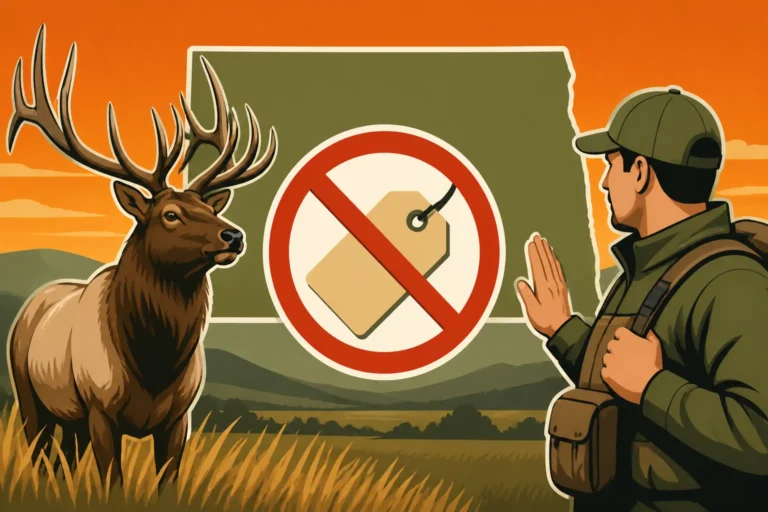
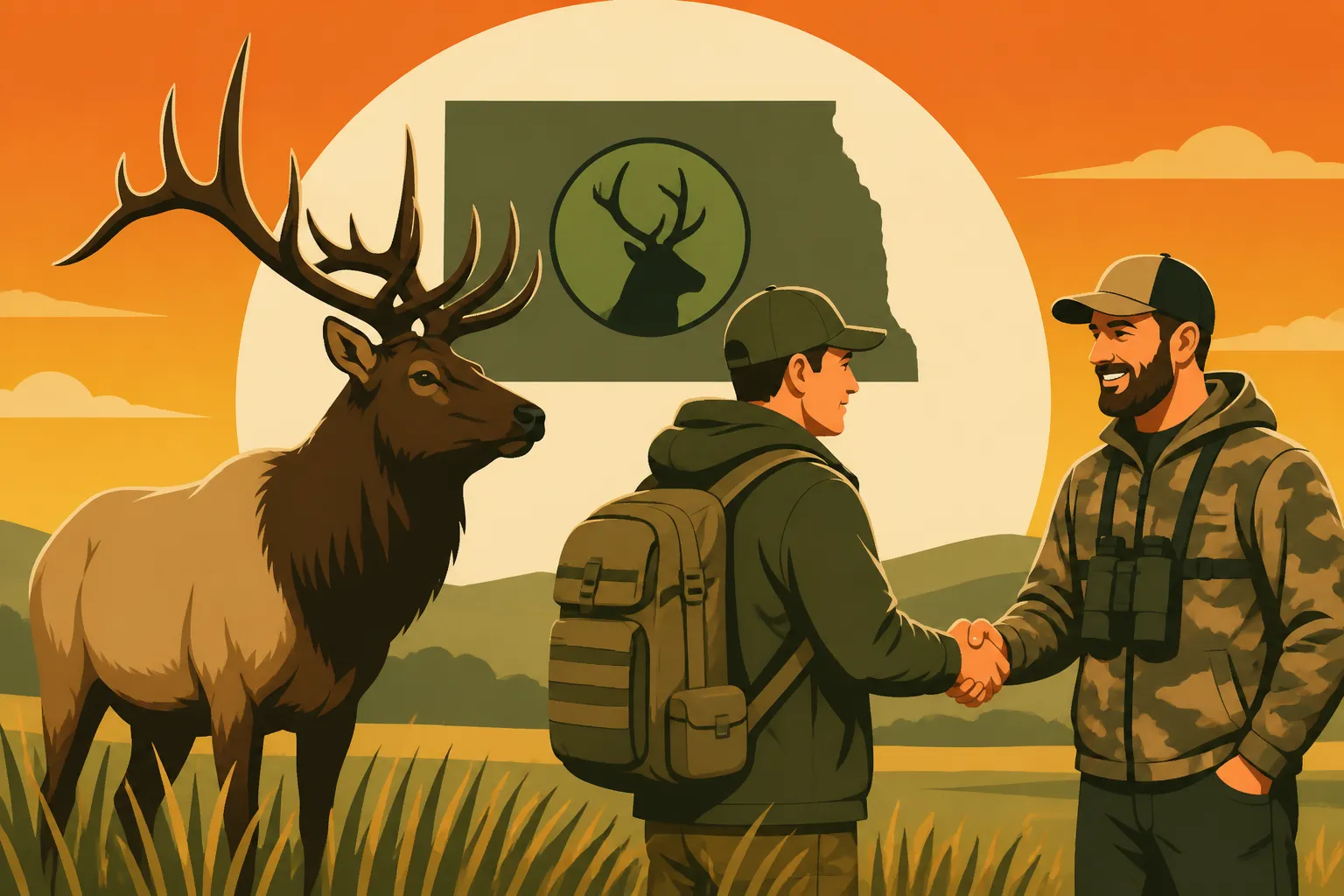
Drawing one of North Dakota's coveted elk tags is truly a once-in-a-lifetime achievement for most hunters. It’s a moment of incredible excitement, a culmination of years of applying and hoping. But once the initial celebration fades, many hunters find themselves asking, "Okay, now what?" The vast, rugged landscape of the Badlands, where these majestic animals roam, can be incredibly intimidating, and the thought of trying to navigate it alone with such a precious tag can be overwhelming. This guide is here to help you understand if booking a guide for your hard-won North Dakota elk tag is the right choice for you, and how to go about finding and working with one.
The Unique Challenge of North Dakota Elk Hunting
North Dakota isn't exactly famous for its elk hunting in the same way some western states are. That’s precisely what makes drawing a tag here so special, and it also contributes to the unique challenges you'll face. It's not just another deer hunt; this is a completely different beast, both literally and figuratively.
Why an Elk Tag is So Special in North Dakota
Let's be real: actually drawing an elk tag in North Dakota is akin to winning a small lottery. These are incredibly limited permits, and for many, it truly is a North Dakota's Once-in-a-Lifetime Big Game Licenses kind of opportunity. You might apply for decades and never see one. When you finally get that notification, the pressure can be immense. You’ve invested so much time, so much hope, and potentially quite a bit of money in application fees over the years. This isn't just another hunt; it's an experience you want to get right, a memory you want to savor, and hopefully, a freezer full of incredible meat to show for it.
The Badlands terrain itself is a formidable opponent. It’s a patchwork of steep coulees, sharp ridges, and thick draws, often with limited access. Elk are masters of this country, using it to their advantage to disappear almost effortlessly. Unlike deer, elk cover vast amounts of ground, and their patterns can change rapidly. The sheer scale of the landscape and the elusive nature of these animals mean that an elk hunt in North Dakota requires a different level of planning, physical conditioning, and knowledge than most other hunts in the state. We’re talking about a limited opportunity in a specific area, and maximizing that chance becomes paramount. The state only issues a very specific number of tags, for example, North Dakota's 1,062-License Elk Season which highlights just how rare this opportunity is for those lucky enough to draw.
When a Guide Makes Sense for Your Elk Hunt
Given the rarity of the tag and the challenging environment, deciding whether to hire a guide isn't a simple yes or no. For many, it's a very practical consideration. If you're completely unfamiliar with the specific Badlands unit you drew, or if your physical conditioning isn't quite where it needs to be for days of relentless hiking, a guide can be an invaluable asset. They spend countless hours scouting and have intimate knowledge of elk travel routes, bedding areas, and water sources within their permitted areas. They know the subtle nuances of Wind and Thermals in Badlands Terrain that can make or break a stalk.
Consider your own experience level with elk hunting, especially in mountainous or rugged terrain. If you've primarily hunted whitetails in flatter country or only have a few western elk hunts under your belt, a North Dakota elk guide can bridge that knowledge gap. They can help you with everything from reading sign to calling strategies, and even the difficult task of packing an elk out of a remote coulee. While self-guided hunts certainly offer a unique sense of accomplishment, the investment in a guide for such a rare tag is often about maximizing your chances and ensuring a safe, enjoyable experience rather than risking a missed opportunity due to inexperience or unfamiliarity.
Navigating the North Dakota Elk Guide Landscape
So, you’ve decided that a guide might be the way to go. Excellent! Now comes the task of finding the right one. This isn't a decision to rush, as the quality of your guide can profoundly impact your hunt. Just like finding a good mechanic or a reliable plumber, you need to do your homework.
Finding Licensed and Reputable Outfitters
The first step is always to ensure you’re looking at licensed outfitters. In North Dakota, guides and outfitters are regulated, and it’s critical to work with someone legitimate. You can often find lists of licensed outfitters through the North Dakota Game and Fish Department, or by checking with professional hunting and outfitting associations. Online platforms like BookYourHunt can also be a good starting point, as they often vet outfitters and provide reviews from past clients. Word-of-mouth is also huge in the hunting community; ask around, check hunting forums, and reach out to other hunters who have been successful in North Dakota's Badlands.
When you start finding potential guides, don't just look at their "success rates." Ask what those rates actually mean: is it opportunity rate, harvest rate, or something else? Is it across all clients, or just the most experienced? A high success rate might look good on paper, but if it comes from guiding hunters exclusively on private, managed land, it might not translate to your public land tag. Look for outfitters who specialize in Elk Hunting North Dakota's Badlands specifically, and ideally in the unit you drew. Don't hesitate to ask for references from past clients, and actually call them! A reputable outfitter will be happy to provide them, and those conversations can be incredibly insightful about their guiding style, personality, and professionalism.
What to Discuss with Potential Guides
Once you have a shortlist, it's time to start making calls and asking detailed questions. This is your hunt, your rare tag, and you need to feel comfortable with the person who will be leading you. Think about what’s important to you. Do you prefer a spot-and-stalk approach, or are you hoping to experience the thrill of calling in a bull? Some guides excel at one, while others are more versatile. In North Dakota's relatively open Badlands, Glassing Badlands Coulees for Elk is often a primary tactic.
Here are some key areas to cover:
- Unit Familiarity: How well do they know your specific unit? Have they guided it before? What kind of success have they had there?
- Hunting Style & Expectations: Discuss their preferred methods and ensure they align with your expectations and physical capabilities. Be honest about your fitness level.
- Logistics: What does the hunt package include? Is it just guiding, or does it cover meals, lodging, and transportation in the field? What about game care – caping, quartering, and packing out? What's Included in an Eight-Day Elk Package is a critical question.
- Equipment: What gear do you need to bring? Do they provide anything like spotting scopes or specialized calls?
- Contingency Plans: What happens if the weather turns foul? What’s their policy if you get sick or injured?
- Cost Structure: Get a clear breakdown of all costs, including the guide's day rate, any additional fees, and what kind of deposit they require. Make sure you understand Average Cost of a Guided Badlands Elk Hunt and what that covers.
Don't be afraid to ask about their philosophy on hunting, conservation, and client relations. You're going to be spending a lot of time with this person in potentially stressful situations, so a good personality fit is essential. You might even consider working with a specialist who acts as an intermediary, such as Booking an Outfitter Through a Badlands Elk Consultant, particularly if you feel overwhelmed by the search process.
The Logistics of a Guided North Dakota Elk Hunt
Once you've secured a guide, the real preparation begins. A successful guided hunt isn't just about the guide; it's a partnership where your preparation plays a significant role in the outcome. This rare opportunity means you don't want to leave anything to chance.
Preparing for Your Guided Elk Adventure
The North Dakota Badlands are beautiful but unforgiving. Physical fitness is paramount. You’ll be hiking steep, uneven terrain, potentially covering many miles each day. Start a conditioning program well in advance of your hunt, focusing on cardiovascular endurance, leg strength, and hiking with a weighted pack. There are specific exercises and routines that can make a difference, as detailed in articles like Physical Prep for Badlands Elk Terrain. Don't underestimate the impact of elevation changes and unpredictable weather.
Gear-wise, think layers. North Dakota weather can swing wildly from warm afternoons to freezing mornings, even in the fall. Quality optics – binoculars, a spotting scope, and a rangefinder – are non-negotiable for elk hunting in this open country. Sturdy, broken-in hiking boots are perhaps your most important piece of equipment. You'll also want to review information on Packing for an Eight-Day North Dakota Elk Hunt to ensure you have everything you need, from headlamps to first-aid supplies. Mentally, prepare yourself for a challenging hunt. Elk hunting is tough, and success is never guaranteed. Embrace the journey, the physical exertion, and the opportunity to be in such incredible country.
Maximizing Your Guided Hunt Experience
The key to a successful guided hunt lies in open and honest communication with your guide. Before the hunt even begins, discuss your expectations, your physical limitations, and what you hope to achieve. During the hunt, listen intently to their advice. They are the expert in that specific terrain and with those specific elk. Be willing to adjust your plans based on their observations and knowledge. If they suggest a different approach, trust their judgment.
Remember, a guide provides expertise and a greater opportunity, but it's still hunting. Animals don't always cooperate, and weather can throw a wrench into the best-laid plans. Don't measure the success of your trip solely by whether you fill your tag. Appreciate the time spent in the field, the knowledge gained, and the unique experience itself. If you do harvest an animal, a significant part of the guided experience often includes assistance with field dressing and packing out the meat. This physically demanding task is where a guide truly earns their keep. Finally, showing your appreciation for their hard work through a tip is customary. You can find general guidelines for this in resources like Standard Tip for a Deer or Elk Guide.
Understanding Hunt Contracts and Policies
Before you commit, carefully read and understand the outfitter's contract. This document should outline everything from the hunt dates, what's included, and the total cost, to cancellation policies and liability waivers. Pay close attention to clauses regarding deposits and final payments. What happens if they have to cancel? What if you have to cancel due to unforeseen circumstances? North Dakota weather can be extreme, so understanding What Happens If Weather Cancels Your Hunt is also important.
Some outfitters might offer hunt insurance, or you might consider purchasing travel insurance independently, especially for a high-value, rare tag hunt. This can protect your financial investment if illness, injury, or unexpected events force you to cancel. Ensure that the contract clarifies their policy on wounded game – for instance, if you wound an animal but don't recover it, does the hunt end, or do they continue to guide you? Having everything in writing protects both you and the outfitter and ensures there are no misunderstandings down the line.
Costs and Value of a Guided Elk Hunt
Let's talk about the elephant in the room: cost. A guided elk hunt in North Dakota represents a significant financial investment. However, when you consider the rarity of the tag and the experience, many hunters find the value to be well worth it.
Deciphering the Investment
While I can't provide specific figures, it's important to understand that the cost of a guided North Dakota elk hunt will vary based on several factors. These often include the length of the hunt, the number of hunters in your party, the level of service provided (e.g., fully inclusive with lodging and meals versus guiding services only), and the reputation and experience of the outfitter. Generally, you can expect guided hunts for big game, especially rare species like elk, to be a premium service.
What’s typically included? Often, the guide service itself, field transportation (usually ATVs or 4×4 vehicles to reach trailheads), assistance with game recovery and field dressing. Sometimes, meals and accommodations in a hunting lodge or spike camp are part of a package. What's often not included are your hunting licenses and tags (which you've already secured!), personal gear, meat processing, taxidermy, and tips for your guide. Platforms like GoHunt can be useful for researching general price ranges and comparing different outfitter packages, giving you a better sense of what to expect for your budget. Always ask for a detailed breakdown of costs so there are no surprises.
Self-Guided vs. Guided: Making the Right Choice
The decision to go guided or self-guided ultimately depends on your personal circumstances, experience, and budget. For a self-guided hunt, your costs will be primarily for your license, gear, transportation, food, and lodging. While seemingly cheaper upfront, the true "cost" can be higher if you spend days in unfamiliar country without success, wasting your once-in-a-lifetime tag opportunity. Keep in mind that for non-residents, there's also the question of How Many Days Nonresidents Wait for Public Land Bow Access for deer, which underscores some of the nuances of hunting public land without local knowledge.
A guided hunt offers a significant advantage in terms of local knowledge, expertise, and logistical support. The guide knows the terrain, the elk, and how to hunt them effectively. They handle the scouting, much of the heavy lifting, and can significantly increase your chances of success. For a rare, highly coveted North Dakota elk tag, many hunters view the guide's fee as an investment in maximizing their odds and ensuring a memorable, successful experience. It’s about leveraging someone else's years of hard-won knowledge to make the most of your exceptional opportunity. Consider North Dakota Elk Hunt Success Rates from past years, but remember that individual results vary. Whether you choose to go guided or solo, drawing an elk tag in North Dakota is an incredible achievement that promises an unforgettable adventure in the heart of the Badlands.
| Feature | Self-Guided Hunt | Guided Hunt |
|---|---|---|
| Local Knowledge | Requires extensive personal scouting & research | Provided by experienced outfitter/guide |
| Physical Demand | High, all tasks (scouting, packing) are on the hunter | Can be high, but logistics are often supported by guide |
| Success Probability | Depends heavily on personal skill, prep, and luck | Generally higher due to expertise and pre-scouting |
| Cost Implications | Lower upfront; higher risk of unfulfilled tag | Higher upfront investment; lower risk of unfulfilled tag |
| Logistics | All planning, gear, and field operations by hunter | Many logistics (camp, transport) handled by outfitter |
| Game Care | Hunter responsible for field dressing, packing, processing | Guide assists with field dressing and packing out |
Disclaimer
This article is for general informational purposes only and does not constitute professional advice. Laws, prices and regulations vary by location and change over time. Consult a qualified professional for guidance on your specific situation.