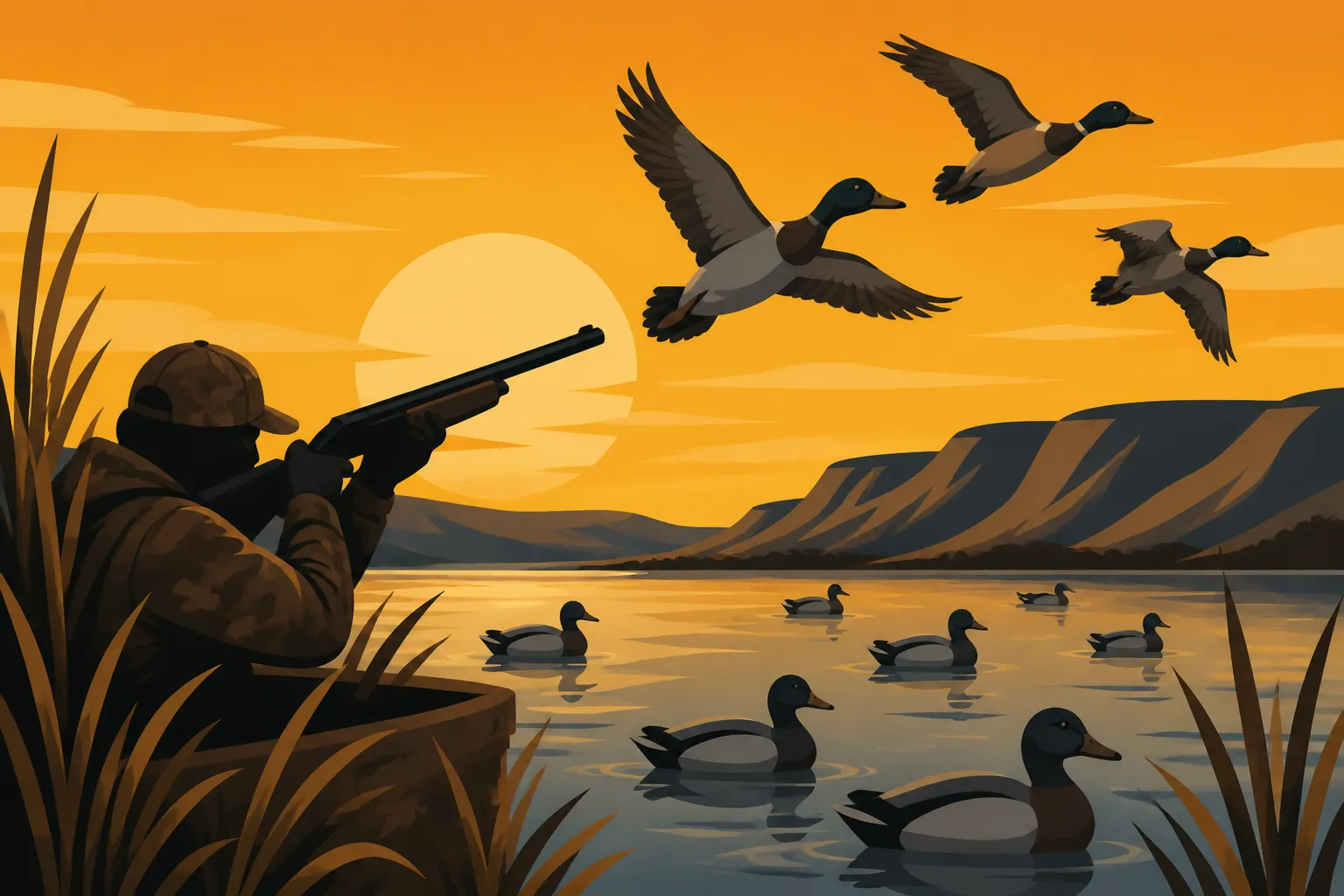
Decoying Divers on North Dakota’s Lake Sakakawea
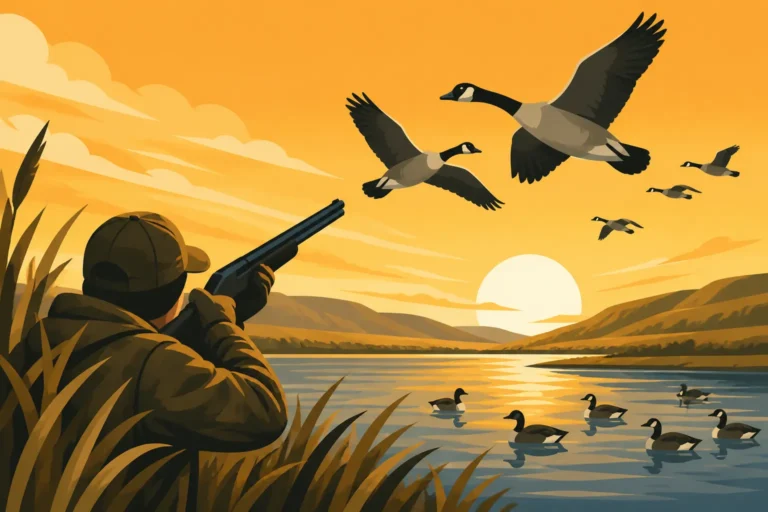
Hunting the vast, often unpredictable waters of Lake Sakakawea for diving ducks can be a truly humbling experience. Unlike the more forgiving confines of a prairie pothole, this immense reservoir presents unique challenges from navigating big water to establishing effective decoy spreads that can actually grab the attention of fast-flying divers. This guide is here to walk you through the nitty-gritty of successfully decoying divers on North Dakota's Lake Sakakawea, ensuring your efforts lead to more than just a boat ride.
Understanding Lake Sakakawea's Unique Challenges for Divers
Lake Sakakawea isn't just a big lake; it's a massive, dynamic inland sea stretching for over 170 miles across the heart of North Dakota. For waterfowl hunters, particularly those targeting diving ducks, this scale introduces a whole new set of considerations that simply don't factor into smaller water hunting scenarios. It's easy to feel dwarfed by its immensity, and without understanding its unique character, you're setting yourself up for frustration.
The Sheer Scale of the Water Body
Imagine trying to effectively draw attention to a tiny speck in the middle of an ocean – that's often what it feels like trying to decoy divers on Lake Sakakawea. With its incredible length and numerous large bays, points, and open water expanses, ducks have an almost endless choice of where to go. They aren't confined to a small marsh or a slough edge, which means your spread needs to be truly compelling to pull them in. The sheer volume of water means divers can land miles from shore, in areas inaccessible or unsafe for hunters, or simply out of effective decoy range. This expansive nature demands a different approach to scouting and spread placement compared to say, Decoy Spreads for Prairie Pothole Mallards. You're not just looking for ducks; you're looking for patterns within a colossal system.
Furthermore, the scale impacts everything from boat travel times to the actual wind fetch. A wind that might create ripples on a smaller lake can whip up significant waves on Sakakawea, making boat travel challenging and decoying nearly impossible in some areas. Understanding the general patterns of diver movement across such a large body of water, from their main travel corridors to their preferred feeding and loafing areas, is paramount. This often means relying on historical knowledge, current aerial surveys, and diligent personal scouting across vast distances to even begin to narrow down productive hunting zones.
Navigating Open Water and Hidden Hazards
One of the most critical aspects of hunting Lake Sakakawea is safe navigation. This isn't your grandfather's fishing pond. The lake is vast and deep, but it also hides numerous underwater hazards that can quickly ruin a hunt or, worse, become a serious safety risk. Submerged trees, old fence lines, rock piles, and fluctuating water levels all contribute to a dynamic and potentially dangerous environment. Running aground or hitting a submerged object at speed can cause severe damage to your boat and put everyone aboard in jeopardy.
Always carry detailed marine maps, and consider using modern GPS charting systems that include bathymetric data. Services like GoHunt often offer mapping tools that can help visualize potential hazards and safe travel lanes, though specific marine charts are essential here. Even with technology, constant vigilance is key, especially when exploring new areas or during periods of rapidly changing water levels. Fog can roll in quickly, reducing visibility to mere yards, and sudden storms can transform calm water into a treacherous chop in minutes. Your ability to safely navigate is just as important as your hunting prowess when taking on Sakakawea.
The Impact of Wind and Waves
The wind is arguably the single most influential factor when decoying divers on Lake Sakakawea. Unlike protected potholes, Sakakawea offers miles of open water for the wind to build up significant waves. A strong west wind can quickly create white-capping rollers that make holding a boat steady, setting decoys, and safely retrieving birds incredibly difficult, if not impossible. Divers, particularly canvasbacks and redheads, are often drawn to these windy, choppy conditions where they can dive for food in deeper, more turbulent waters. However, hunting these conditions requires extreme caution.
Your hunting strategy must revolve around the wind. You need to identify bays, points, or sheltered shorelines that offer a degree of protection while still being on a flight path or near a preferred diver resting area. Sometimes, this means hunting a lee shore that still receives enough wind to create movement in your spread but keeps the waves from swamping your boat. Pay close attention to wind forecasts not just for direction and speed, but for sustained gusts that can significantly impact wave height. A slight change in wind direction can completely alter conditions in a given area, turning a comfortable hunt into a survival situation.
Essential Gear for Decoying Divers on Sakakawea
Attempting to hunt divers on Lake Sakakawea without the right gear is like trying to cross the prairie in a bicycle – you might make it, but you'll be miserable, inefficient, and potentially in danger. This isn't a place for cutting corners on equipment. Your safety, comfort, and success hinge on having reliable, big-water-capable gear.
Boat and Motor Requirements
Forget the john boat you use for pond fishing; Lake Sakakawea demands a serious rig. A stable, deep-V hull boat, typically 18-20 feet or more, with a powerful, reliable outboard motor (at least 90-150 horsepower, often more) is almost a prerequisite. Aluminum boats, particularly those designed for big water, are popular for their durability and lighter weight, but fiberglass boats also have their place for stability. You need a boat that can handle chop, has ample storage for large decoy bags, fuel, and safety gear, and can get you to your chosen spot and back safely and efficiently.
Consider a multi-battery system for your electronics and a robust trolling motor with GPS anchoring capabilities. A quality trolling motor is invaluable for precise decoy placement, holding position while hunting, and quietly maneuvering to pick up downed birds. Make sure your fuel capacity is more than adequate; distances on Sakakawea can be deceiving, and you don't want to run out of gas miles from a ramp. Regular maintenance of your boat and motor is non-negotiable. Before every trip, check fuel lines, battery connections, bilge pump functionality, and propeller condition.
Decoy Selection and Rigging for Big Water
When it comes to decoys for Lake Sakakawea, think big and think tough. Standard puddle duck decoys often get lost in the chop or fail to register on a diver's radar from a distance. Larger, magnum-sized diver decoys are the order of the day. Focus on species like canvasbacks, redheads, and bluebills, as these are common divers on the lake. You'll need a lot of them – spreads of 5-10 dozen are not uncommon to create the visual impact needed.
The rigging is equally critical. Heavy-duty lines (at least 200 lb test monofilament or braided decoy line) and heavy weights (3-5 lbs per decoy, or even larger mushroom weights for Texas rigs) are essential to keep your spread from drifting in strong currents and waves. Texas rigs, where decoys are strung on a long line between two large anchors, are excellent for efficient deployment and retrieval in deep water. You can also use individual lines with heavy weights. Buoy lines and long gang lines can help create the large, natural-looking "rafts" that divers prefer. Consider adding keel weights or balancing methods to ensure your decoys ride realistically in choppy water.
| Decoy Type | Advantages for Sakakawea | Disadvantages |
|---|---|---|
| Magnum Divers | High visibility, realistic size, attracts attention from afar | Bulkier to transport, heavier |
| Foam-Filled | Indestructible, won't sink if shot | Can be heavier and less compact |
| Keel-Weighted | Self-righting, stable in choppy water, mimics natural movement | Can be heavier, may require more effort to rig |
| Wind-Activated | Adds motion, highly visible, lifelike | More expensive, can tangle in high winds, less durable |
| Silent Killers | Lightweight, compact, easy to transport for larger spreads | Less durable, less realistic movement |
Appropriate Clothing and Safety Equipment
Hunting Sakakawea isn't just about duck hunting; it's about staying safe and warm in potentially extreme conditions. The weather can turn on a dime, and what starts as a calm, cool morning can quickly become a cold, windy, and wet ordeal. Layering is paramount, starting with moisture-wicking base layers, insulating mid-layers, and a waterproof, windproof outer shell. Neoprene waders are almost a necessity for setting and retrieving decoys in cold water, often paired with insulated boots. Don't forget waterproof gloves, a warm hat, and a face mask to protect against biting winds.
Safety equipment is not optional. Every person on board must have a Coast Guard-approved life jacket that fits properly. Even strong swimmers can quickly succumb to hypothermia in cold North Dakota waters. Carry a fully charged marine radio, a well-stocked first-aid kit, spare paddles, a signaling device (flares or a whistle), and a waterproof bag for your cell phone and other essentials. Always let someone know your float plan – where you're going, when you expect to return, and who is with you. Being prepared for an unexpected night on the lake is also wise, which means extra food, water, and warm blankets or sleeping bags. This level of preparedness goes hand-in-hand with scouting via tools like GoHunt, which can help you identify areas away from immediate assistance.
Masterful Decoy Spreads for Lake Sakakawea Divers
Decoying divers on Lake Sakakawea is an art form that requires understanding diver behavior, the dynamics of big water, and how to create a visual invitation that can be seen and trusted from afar. It's not just about throwing out some decoys; it's about crafting an illusion of safety and abundance.
Understanding Diver Behavior and Movement
Diving ducks, unlike puddle ducks that dabble in shallow water, feed primarily on submerged vegetation, mollusks, and aquatic insects found in deeper parts of lakes and rivers. This means they are often found further from shore, in open water, or along deep-water points and ledges. Their flight patterns are often fast and direct, flying low over the water, especially when moving between feeding and resting areas. Canvasbacks, in particular, are known for their spectacular speed and tend to fly in V-formations or long lines.
Divers are highly social and will readily respond to large rafts of their own kind. They are looking for safety in numbers, and a large, natural-looking spread communicates this effectively. They also tend to "cup up" and commit to a spread once they decide to come in, often circling wide before dropping rapidly. Understanding these behaviors dictates where and how you set your spread. You need to be where they want to be, and your decoys need to convincingly tell them it's a good place to be. This contrasts significantly with the localized movements you might observe when Hunting a North Dakota Prairie Pothole Slough Edge.
Crafting Large, Visible Spreads
On Lake Sakakawea, bigger is almost always better when it comes to diver spreads. A small spread of a dozen decoys will likely go unnoticed by high-flying ducks in such a vast environment. You need to create a visual "footprint" that can be seen from a long distance. Spreads of 50-100+ decoys are common. The goal is to mimic a natural raft of divers resting or feeding. Use a mix of species that are common to Sakakawea, such as canvasbacks, redheads, and bluebills, but ensure the primary species you're targeting is well represented.
A common and effective spread for divers is a "J" or "fishhook" shape. The long arm of the J extends out into the prevailing wind, with the hook providing a landing zone near your blind. Divers will typically approach from upwind, follow the line of decoys down, and then turn into the wind to land in the bend of the J. Ensure there's a clear, open landing zone within effective shooting range. You can also deploy several smaller "pods" of decoys separated by 20-30 yards to simulate smaller groups, with an open water "runway" between them. Remember to space your decoys out realistically; divers don't usually sit shoulder-to-shoulder unless they're heavily rafted up.
Specialty Decoys and Motion Devices
While standard magnum decoys form the backbone of your spread, specialty decoys and motion devices can significantly enhance realism and drawing power on Sakakawea. Spinning-wing decoys, when used judiciously and in compliance with regulations, can add crucial flash and motion that catches a diver's eye from a distance. However, be mindful that divers can be warier of these than puddle ducks, so subtle motion is often better. Battery-operated swimming decoys or agitators that create ripples in the water can simulate feeding activity, which is a powerful attractant.
Another effective tool is a long string of silhouette decoys or large "rug" decoys that simulate a massive raft of birds from a distance. These take up less space in the boat than full-bodied decoys but add significant visual mass. Confidence decoys, like a lone goose or a small group of coots, can also add to the illusion of a safe haven. The key is to make your spread look as natural and inviting as possible, using every tool at your disposal to draw those fast-moving divers into range. This is where researching local conditions and specific species behavior through resources like GoHunt can provide an edge, informing your choice of specialty decoys.
Reading the Weather and Water for Diver Success
Lake Sakakawea's vastness means that weather and water conditions dictate almost everything about a diver hunt. Ignoring these elements is a recipe for a cold, unproductive, and potentially dangerous day. Mastering the art of reading the conditions is as crucial as your shooting skills.
Interpreting Wind Direction and Speed
As mentioned before, wind is king on Sakakawea. Divers generally prefer to land and take off into the wind, so understanding its direction is crucial for blind and decoy placement. A sustained wind of 10-20 mph is often ideal for diver hunting; it creates natural movement in your decoys, adds chop to the water (which divers often prefer for feeding), and helps mask your blind. Too little wind, and your spread can look lifeless. Too much wind, and it becomes dangerous.
Always check multiple weather forecasts before heading out, paying close attention to wind gusts and shifts. What starts as a calm morning can quickly become a white-capping gale. You need to identify sheltered areas that still get good diver traffic. A point with a deep-water drop-off on the lee side, or a bay that provides some protection from the main fetch, can be perfect. Sometimes, this means shifting your planned location based on the daily forecast. Having a detailed map and knowing backup spots for different wind directions is a huge asset.
Scouting and Identifying Diver Roosting and Feeding Areas
You can have the best boat and the most elaborate decoy spread, but if you're not where the ducks want to be, you won't have success. Diligent scouting is the foundation of any successful Sakakawea diver hunt. Divers tend to follow certain migration corridors and utilize specific areas for feeding and roosting. Look for large concentrations of birds rafted up in open water, or actively diving in a particular area. Pay attention to their flight lines at dawn and dusk.
Early morning and late evening scouting trips are invaluable. Use high-powered binoculars or a spotting scope to observe bird behavior from a distance without disturbing them. Look for areas with submerged vegetation or beds of mussels, which are primary food sources for divers. The North Dakota Game and Fish Department often provides waterfowl population estimates and reports that can give you a general idea of bird concentrations across the state, which is helpful context when planning a trip to North Dakota Waterfowl Production Areas or other public access points. Remember, divers can move quickly and change their preferred spots, so recent scouting (within a day or two) is always best.
Using Technology for Waterfowl Forecasting
Modern technology offers hunters powerful tools to analyze weather and water conditions, and even predict waterfowl movements. Marine weather apps, radar, and satellite imagery can provide real-time updates on wind, wave height, and approaching storms. Apps like PredictWind or Windy can give detailed wind forecasts for specific locations on the lake, helping you pinpoint the most huntable areas.
When planning your approach, map tools like GoHunt or onX Hunt (for land ownership and topographical features) can be invaluable for identifying prime locations, potential access points, and understanding the contours of the lake bottom. While GoHunt is excellent for overall hunting intel, specific marine charting apps are crucial for navigation on such a large body of water. Some advanced fish finders even have side-scanning capabilities that can help you locate submerged structure or weed beds that might hold diver food sources. Embrace these tools, but always combine them with traditional on-the-ground scouting and good old-fashioned common sense.
Advanced Tactics and Safety Considerations
Hunting divers on Lake Sakakawea pushes hunters to their limits, demanding not just skill but an unwavering commitment to safety and smart tactics. When dealing with big water and potentially harsh weather, advanced planning and strict adherence to safety protocols become paramount.
Blind Placement and Concealment on Open Water
Unlike hunting from shore or in a marsh, blind placement on Lake Sakakawea for divers often means operating on or very close to open water. Boat blinds are the most common approach. These need to be robust, well-camouflaged, and able to withstand wind and waves. The key is to break up the silhouette of your boat so it doesn't look like an obvious predator. Use natural vegetation if available, or artificial camouflage netting and grass mats to blend in with the background.
Consider where the sun will be throughout the morning. You want to avoid silhouetting yourselves against the sky. Often, hiding in the shadows of a point, a cut bank, or even just utilizing the low profile of a well-designed layout boat can be effective. If hunting from a permanent shore blind, ensure it's well-brushed in and allows for good shooting lanes without exposing hunters prematurely. Remember, divers have excellent eyesight, and anything unnatural will send them flaring. Practice getting in and out of your blind quickly and quietly, especially if working with a dog.
Retrieving Birds in Challenging Conditions
One of the biggest challenges on Lake Sakakawea, especially in rough water, is retrieving downed birds. A crippled diver can swim and dive a long way, and a strong current or high waves can quickly carry a dead bird out of sight. This is where a well-trained retriever is an invaluable asset. A dog that is conditioned to cold water and long swims can significantly improve your recovery rates. Ensure your dog wears a neoprene vest for warmth and visibility.
If hunting without a dog, your boat becomes your retriever. This means having a clear path to maneuver, enough fuel, and the ability to safely navigate to the bird. When running to retrieve, always keep an eye on your decoys and blind location, as it's easy to get disoriented on big water. Have a long retrieve pole or a net on hand for birds that are close but just out of reach. Never put yourself or your hunting partners at risk to retrieve a bird. A duck isn't worth a life. Sometimes, you have to let one go.
Crucial Safety Protocols for Big Water Hunting
Safety on Lake Sakakawea cannot be overstated. Beyond the required life jackets and marine radio, foster a culture of safety within your hunting group. Have a designated captain who is experienced in big water navigation and is the final authority on all safety decisions. Before launching, review your float plan, check all safety gear, and ensure everyone knows what to do in an emergency.
Hypothermia is a serious risk in cold water environments. If someone goes overboard, immediate action is crucial. Have a plan for recovery, and ensure warm, dry clothes and blankets are readily accessible. Know the signs of hypothermia and how to administer basic first aid. Thunderstorms can develop rapidly, bringing lightning, high winds, and torrential rain. Watch the radar closely and be prepared to pack up and head for shore at the first sign of a dangerous system. Never push the limits of your boat or your experience. When in doubt, stay on shore. Resources like the North Dakota Game and Fish Department's boating safety guides are excellent references, and some of these principles apply even when Hunting North Dakota's Missouri River Bottomland where water currents can be strong.
Species Spotlights: What Divers to Expect and Target
Lake Sakakawea is a magnet for a variety of diving duck species during migration, offering hunters diverse opportunities. Knowing what ducks you're likely to encounter and understanding their specific habits can refine your strategies and increase your success. The lake sits prominently on North Dakota's Prairie Pothole flyway, funneling a huge number of birds through its waters.
Canvasbacks, Redheads, and Bluebills
These three species are often the primary targets for diver hunters on Sakakawea, and for good reason. They are iconic diving ducks, offering challenging flights and excellent table fare.
Canvasbacks: Known as the "King of Ducks," canvasbacks are large, fast-flying divers that prefer large, open bodies of water. They feed heavily on tubers and rhizomes of submerged aquatic plants, as well as snails and mussels. They fly in distinctive V-formations or long, undulating lines, often low over the water. Decoying them requires large spreads, often heavy on canvasback decoys, mimicking their natural tendency to raft up in big numbers. Their flight is powerful and direct, so be ready for quick shots. Remember, there are often specific North Dakota Duck Daily Bag Limit regulations for canvasbacks due to population management.
Redheads: Slightly smaller than canvasbacks, redheads are also big-water ducks that love Sakakawea. They often feed in slightly shallower areas than canvasbacks, preferring wild celery, pondweeds, and seeds, but also eat mussels. Redheads are often less wary than canvasbacks and can be more receptive to mixed spreads. They tend to fly in tighter groups. Mixing redhead decoys with bluebill or canvasback decoys can be very effective, as they often associate with other diver species.
Bluebills (Lesser and Greater Scaup): Bluebills are perhaps the most numerous divers on Sakakawea. They travel in large, often massive, flocks and are highly social. They feed primarily on mollusks, aquatic insects, and seeds, often in deeper water. Bluebills can be quite aggressive in decoying, often pitching right into a spread with little hesitation. Because they travel in such large numbers, incorporating a significant portion of bluebill decoys into your spread can act as a powerful draw for all diver species. Their propensity for large flocks makes them a key component of any big-water diver spread.
Goldeneyes, Buffleheads, and Ring-necked Ducks
While perhaps not the primary focus, these smaller diver species add excitement and opportunity to a Sakakawea hunt.
Goldeneyes: Common on Sakakawea, goldeneyes are sleek, fast-flying divers that prefer fish, crustaceans, and aquatic insects. They often fly in smaller groups or pairs and can be quite wary. They are often found in deeper, clearer water, and sometimes closer to rocky shorelines. While they will decoy to diver spreads, they may circle more cautiously. Their distinctive black and white plumage makes them stand out, and they are excellent fliers.
Buffleheads: These tiny, charismatic divers are often seen bobbing on the water, making short, quick dives. They are not typically targeted in large numbers by diver hunters due to their size, but they will readily decoy to diver spreads. They prefer small crustaceans, aquatic insects, and snails. They fly incredibly fast and erratically, making for a challenging shot. They tend to be found in smaller pockets and are often one of the first species to arrive and last to leave in the migration.
Ring-necked Ducks: Often confused with bluebills, ring-necks prefer shallower, freshwater habitats but are frequently found on the fringes of large lakes like Sakakawea. They feed heavily on aquatic vegetation and seeds. They fly swiftly, often in small to medium-sized flocks. While they are divers, their habitat preferences can sometimes differ slightly from canvasbacks or redheads. They will readily decoy to standard diver spreads, offering another excellent opportunity for variety in your bag. Always double-check bag limits for these species as well.
Strategies for Specific Diver Species
Tailoring your approach to the specific diver species you're encountering can make a big difference. If you're seeing a lot of canvasbacks, ensure your spread has a strong presence of canvasback decoys, and be prepared for their powerful, direct flights. If bluebills are the main show, a large, dense spread will often bring them right in.
For the wary species like goldeneyes, sometimes a smaller, more realistic "kill hole" within a larger spread can be more effective, or positioning your boat blind to maximize concealment. Pay attention to what the birds are doing. Are they flying low over certain points? Are they consistently rafting up in a particular bay? Use your observations to adjust your spread, your calling (diver calls are generally less aggressive than puddle duck calls, focusing more on contented clucks and chirps), and your blind placement. The more you learn about the habits of White-Tailed Deer Across North Dakota or Ring-Necked Pheasants in North Dakota, the more successful you become, and the same holds true for divers.
Disclaimer
Hunting is an inherently dangerous activity. This guide provides information for educational purposes only and does not guarantee success or safety. Always prioritize safety, adhere to all local, state, and federal hunting regulations, and respect wildlife and the environment. Consult the North Dakota Game and Fish Department for the most current rules and regulations.