First-Timer Packages for New North Dakota Hunters
Stepping into the world of hunting, especially in a state as vast and diverse as North Dakota, can feel like trying to navigate a blizzard in flip-flops. There's so much to learn, from licenses and regulations to finding good land and understanding game behavior. This guide is designed to cut through that fog, helping first-time hunters understand what "first-timer packages" offer in North Dakota and how to pick the right one for a successful and enjoyable inaugural experience.
Understanding the North Dakota Landscape for New Hunters
North Dakota, with its wide-open prairies, expansive farmlands, and unique badlands, offers an incredible array of hunting opportunities. For someone new to the sport, it can be intimidating to figure out where to even begin. The good news is that many outfitters and landowners understand this perfectly, and they've tailored experiences specifically for those taking their first steps.
Why North Dakota is a Great Place to Start
North Dakota holds a special charm for new hunters. Unlike some regions with extremely high pressure or complex terrain, much of North Dakota offers accessible hunting grounds and species that provide a solid learning curve without being overly frustrating. The state's commitment to public access, particularly through programs like PLOTS (Private Land Open To Sportsmen), also means that even without a guide, there are places to learn. However, for a truly immersive and educational first hunt, an outfitted trip can be invaluable. It removes much of the logistical headache, allowing you to focus on the act of hunting and the lessons learned in the field.
The sheer variety of game available means you can often tailor your first hunt to your interests and physical capabilities. From walking miles for upland birds to sitting quietly in a deer stand, there's a pace and style for everyone. The local culture is also incredibly welcoming to hunters, and you'll find a strong sense of camaraderie, which is a fantastic environment for a beginner.
Common First-Timer Species
When considering a first-timer package, certain species stand out as excellent choices for new hunters due to their abundance, predictability, and the style of hunting they offer.
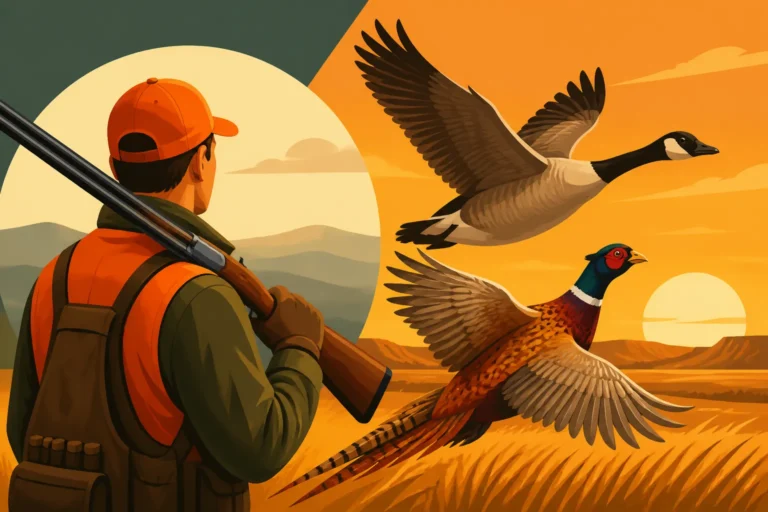
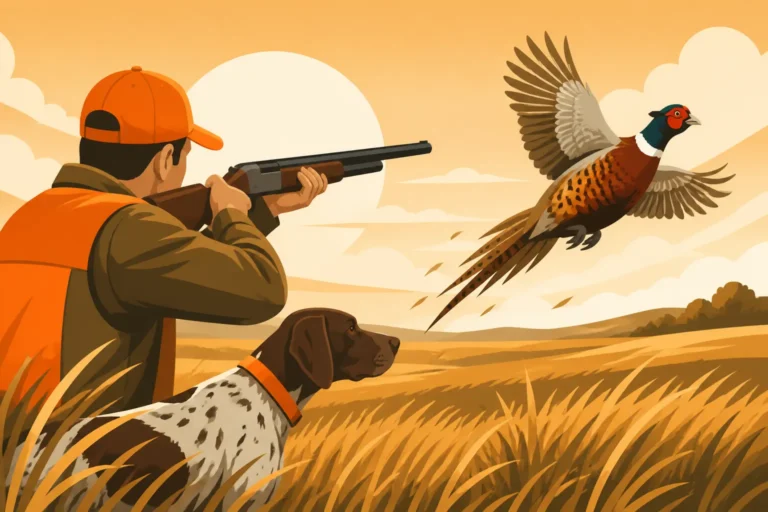
- Ring-Necked Pheasants: These colorful birds are arguably the most iconic game species in North Dakota and a fantastic starting point for upland bird hunting. Pheasant hunting is active, requiring walking and dog work, which is engaging and offers plenty of shooting opportunities. Packages often include dogs and guides, taking the pressure off the new hunter. It's a social hunt, perfect for learning gun safety, shooting fundamentals, and field etiquette. Many outfits focus specifically on Pheasant Hunting North Dakota's Prairie, making it a prime candidate for first-timer packages.
- Waterfowl (Ducks and Geese): North Dakota sits squarely in the Prairie Pothole Region, a critical breeding ground and migration corridor for millions of ducks and geese. Waterfowl hunting can range from challenging to highly successful, depending on the conditions and location. A guided waterfowl hunt typically involves layout blinds, decoys, and expert calling, allowing a new hunter to experience the excitement of birds working into the spread without needing all the specialized gear or knowledge upfront. Duck and Goose Hunting North Dakota's Potholes offers a thrilling, fast-paced experience that can hook a new hunter for life.
- White-Tailed Deer: While potentially more challenging than birds for a first hunt, a guided whitetail deer hunt offers a different kind of immersion. It teaches patience, tracking, woodsmanship, and ethical shot placement. Many deer packages focus on stand hunting or still-hunting timber edges. This can be a more solitary or small-group experience, allowing for quiet observation and reflection. An outfitter can help with scouting, stand placement, and game recovery, which are huge benefits for someone new to deer hunting. The North Dakota's Lottery-Based Deer Gun Season or Bowhunting North Dakota's Long Archery Season offer specific windows that outfitters cater to.
What to Look for in a First-Timer Hunting Package
Navigating the various hunting packages can feel like deciphering a foreign language. "All-inclusive," "semi-guided," "drop camp"—what does it all mean for someone just starting out? It's crucial to understand the distinctions to ensure your first experience is positive and sets you up for future success.
All-Inclusive vs. Partial Packages
The first decision many new hunters face is whether to opt for an all-inclusive package or something more partial. Both have their merits, and the right choice often depends on your budget, your desire for independence, and how much logistical support you truly need.
An all-inclusive package generally covers almost everything once you arrive at the lodge or designated meeting point. This typically includes lodging, meals, guide services, transportation during the hunt, field dressing, and sometimes even bird cleaning. These are fantastic for first-timers because they strip away nearly all the planning stress. You show up with your gear and license, and the outfitter handles the rest. This allows you to focus 100% on learning to hunt, soaking in the experience, and asking all the questions you want without worrying about what's for dinner or how to get to the next spot. When considering North Dakota Hunting Lodges and Packages, these types of deals are often highlighted.
Partial packages, sometimes called semi-guided or unguided with accommodations, offer less hand-holding. A semi-guided trip might include a guide for a portion of the day or provide maps and advice, but you're responsible for much of the actual hunting and decision-making. Unguided packages with accommodations simply provide a place to stay and access to land, leaving the hunting entirely up to you. While these can be more budget-friendly, they demand more self-sufficiency and knowledge, which might be overwhelming for a true first-timer. For new hunters, the peace of mind an all-inclusive or fully guided experience provides is usually worth the extra cost.
Essential Inclusions for New Hunters
When you're comparing first-timer packages, make sure to look beyond the basic "hunt" offering. The real value for a new hunter often lies in the less obvious inclusions that make the learning curve smoother and the experience safer and more enjoyable.
- Expert Guidance and Instruction: This is paramount. A good guide for a first-timer isn't just someone who knows where the game is; they're also a patient teacher. They should cover safety protocols, ethical hunting practices, how to identify game, shot placement, and field etiquette. Don't be shy about asking potential outfitters about their approach to new hunters. For instance, a quality pheasant package should specify expert guidance on dog handling and reading bird flushes. Check out what's typically What's Included in a Pheasant Package when reviewing options.
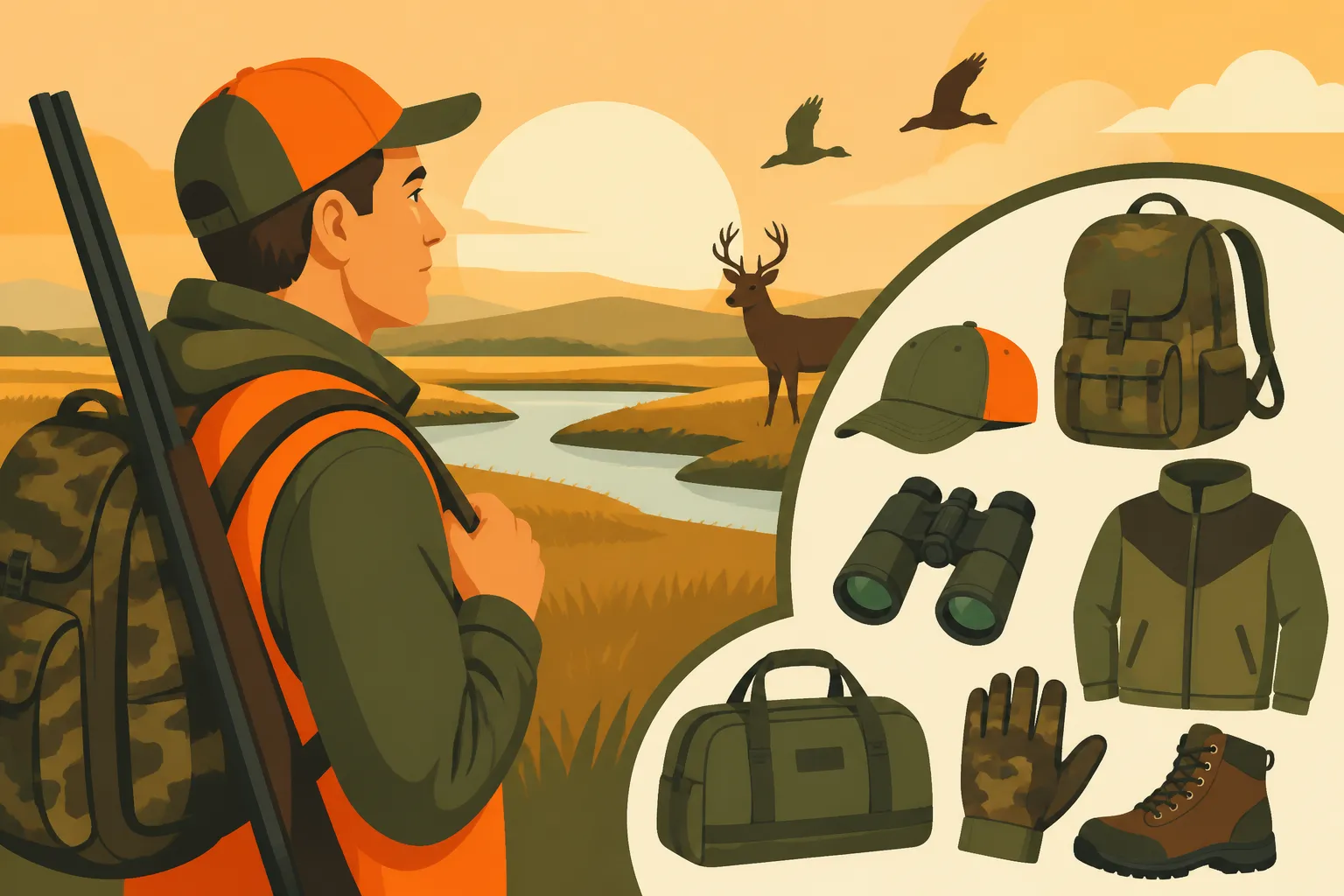
- Gear Assistance: While you'll need your own firearm/bow and appropriate clothing, an outfitter can often provide or rent specialized equipment like blinds, decoys, calls, and even firearms for those who don't own one or are flying in. For waterfowl, a guide will typically provide the layout blinds and a full spread of decoys, as outlined in What's Included in a Waterfowl Guide Day. This saves you a significant upfront investment in gear you might not use again if hunting doesn't stick.
- Field Dressing and Game Care: This is a critical skill that can be intimidating. A good first-timer package will include assistance with field dressing your harvested animal or birds, ensuring the meat is properly cared for from the moment of harvest. They might also assist with transportation of game from the field back to the lodge or a processing facility. This practical, hands-on learning is invaluable.
- Safety Briefings and Protocols: Any reputable outfitter will prioritize safety. Ensure the package includes thorough safety briefings, especially regarding firearms, movement in the field, and emergency procedures. This is non-negotiable for a positive first hunting experience.
Vetting Outfitters for a Positive First Experience
Choosing the right outfitter is arguably the most important decision a first-time hunter will make. A great guide can turn a challenging day into a valuable learning experience, while a poor one can sour the entire endeavor. Do your homework!
Questions to Ask Potential Guides
Don't be afraid to ask a lot of questions. Remember, you're investing your time and money into this experience, and a reputable outfitter will appreciate your diligence. Many first-timers find that resources like BookYourHunt and GoHunt are good starting points for discovering potential outfitters, but direct communication is key for vetting.
Here are some crucial questions, especially for a new hunter:
- "How do you cater to first-time hunters specifically? Do you have experience with beginners?" This immediately tells you if they're prepared to teach, not just guide.
- "What is your client-to-guide ratio, especially for new hunters?" A lower ratio (e.g., 1:1 or 2:1) means more personalized attention.
- "What kind of instruction can I expect regarding safety, shooting, and field ethics?" Look for detailed answers that emphasize teaching.
- "What's your typical success rate, and what constitutes a 'successful' hunt for a first-timer?" Manage expectations here. For a beginner, a successful hunt might be learning to track, making a good shot, or simply understanding the rhythm of the woods, not necessarily taking a trophy.
- "What gear do I need to bring, and what do you provide or rent?" Get a clear list to avoid surprises.
- "What are your policies on deposits, cancellations, and refunds?" Life happens, understand the fine print. You can find more general guidance on Questions to Ask a North Dakota Outfitter.
When you find potential outfitters on platforms like BookYourHunt, make sure to read all the reviews carefully, paying special attention to comments from other first-time hunters. Then, reach out directly. A good conversation will tell you a lot about their professionalism and whether their style aligns with your needs as a beginner.
Understanding Costs and Expectations
The cost of a first-timer package can vary wildly based on species, duration, and level of service. It's not just the sticker price you need to consider, but also potential hidden costs and the overall value for your investment.
| Package Type | Typical Inclusions (for New Hunters) | Cost Implication | Ideal For |
|---|---|---|---|
| All-Inclusive | Guide, lodging, meals, field transport, game care, some gear | Higher upfront cost | Those wanting minimal stress, maximum instruction, and comfort. |
| Semi-Guided | Guide for part of the day, lodging/meals optional, land access, some intel | Mid-range cost | Beginners who want some independence but still need direction and support. |
| Unguided w/ Access | Land access, sometimes basic lodging. No guide. | Lower cost | Not recommended for absolute first-timers; better for experienced hunters. |
Always get a detailed breakdown of what's included. Ask about licenses, permits, processing fees, taxidermy, and tips. Tipping your guide is customary and should be factored into your budget. For example, knowing the Average Cost of a Guided North Dakota Pheasant Hunt or the Average Cost of a Guided Duck Hunt will help you gauge if a package is priced reasonably. Don't forget travel costs to and from North Dakota, and any necessary gear purchases. Set realistic expectations for what you want to achieve. For a first-timer, the goal should be a safe, educational, and enjoyable experience, not necessarily a trophy animal.
Booking Timelines and Planning
Hunting season dates vary greatly, and the best outfitters book up well in advance. For prime dates, especially opening weekends or during peak rut for deer, you might need to book 6-12 months out. Some even suggest that Booking a Pheasant Hunt a Year Out is not uncommon for popular lodges.
Start your research early. Many outfitters require a significant deposit to hold your spot, with the balance due closer to the hunt date. Understand their cancellation policies. Life can throw curveballs, so know what happens if you need to reschedule or cancel. Consider travel insurance, especially for longer, more expensive trips. Planning your license purchase well in advance is also critical. Ensure you understand North Dakota Hunter Education Requirements and have all necessary permits before you arrive. Don't wait until the last minute to obtain your hunting license, as some types might have specific application periods or waiting times.
Making the Most of Your First North Dakota Hunt
You've booked your package, you've done your research, and the excitement is building. Now, how do you ensure that when you step into the prairie or the river bottom, you're ready to embrace the experience fully?
Physical and Mental Preparation
Hunting, even for pheasants, can be physically demanding. Days spent walking through CRP fields or sitting in a blind in cold weather require a certain level of fitness.
- Physical Fitness: For upland bird hunting, you'll be walking miles, often through thick cover. For deer, you might be dragging an animal out of a tough spot. Even waterfowl hunting involves setting decoys and hauling gear. Start a walking routine, incorporate some light cardio, and ensure you're in good enough shape to comfortably endure several hours in the field. While a full eight-day elk hunt requires intense Physical Prep for Badlands Elk Terrain, even shorter hunts benefit from basic conditioning.
- Mental Fortitude and Patience: Hunting isn't always action-packed. There will be long periods of quiet, cold, and waiting. Develop patience. Embrace the stillness, observe nature, and understand that success isn't always about pulling the trigger. Be open to learning, be resilient when things don't go as planned, and maintain a positive attitude.
- Managing Expectations: This cannot be stressed enough for a first-timer. You might not harvest an animal. That's okay. The true value of a first hunt lies in the experience: learning from your guide, understanding the land, practicing your skills, and connecting with nature. If you go in expecting a trophy, you might leave disappointed. Go in expecting to learn and enjoy, and any harvest is a bonus.
Post-Hunt Logistics and Memories
The hunt doesn't end when the animal is down or the birds are retrieved. There's important work and enjoyment to be had afterward.
- Game Care: Your outfitter should assist with field dressing, but understanding the basics of cooling and transporting game is important. Whether it's a deer or a limit of pheasants, proper care ensures delicious meals later. If you've harvested a deer, learning about Field Dressing a Deer in Cold Weather is a vital skill your guide can help you with. Many outfitters have arrangements with local processors or taxidermists, which can simplify things for a nonresident or someone unfamiliar with the area.
- Paperwork and Reporting: North Dakota has specific requirements for reporting harvested game. Your guide should inform you of these, and some packages might even include assistance with the process. For deer, you'll need to know about Registering a North Dakota Deer Online within a certain timeframe. Don't forget these crucial steps, as failure to report can lead to penalties.
- Cherishing the Memories: Beyond the practicalities, take time to reflect on your experience. Take photos (respectfully and ethically). Journal about your days in the field. Share stories with friends and family. A first hunt is a significant milestone, and the memories you make, regardless of the harvest, are what truly last. Think about what you learned, what you enjoyed, and what you'd do differently next time. This continuous learning is what makes hunting such a lifelong passion.
Disclaimer
This article is for general informational purposes only and does not constitute professional advice. Laws, prices and regulations vary by location and change over time. Consult a qualified professional for guidance on your specific situation.