Hunting a Shelterbelt Edge for Deer
Finding deer in North Dakota's vast, often open landscapes can feel like an impossible task sometimes. You're out there, glassing for miles, wondering where those elusive whitetails disappear to, especially when the wind howls or the snow flies. But there's a hidden gem, a true sanctuary for deer, that often gets overlooked or misused by hunters: the shelterbelt. These linear strips of trees, planted years ago to break the wind and prevent soil erosion, are absolute magnets for deer. This guide will take a deep dive into how to effectively hunt these critical habitats, helping you unlock their full potential and put more venison in your freezer.
Understanding the Shelterbelt Ecosystem for Deer
Shelterbelts aren't just lines of trees; they're miniature ecosystems within the larger prairie landscape. For a deer, they offer everything from critical cover to convenient travel routes, making them prime hunting locations if you know how to approach them.
Why Deer Use Shelterbelts as Sanctuaries
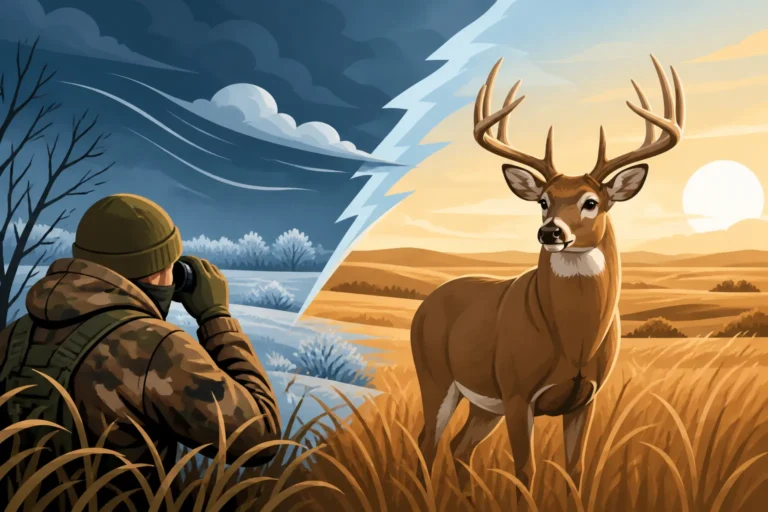
Imagine being a deer in a wide-open field on a blustery North Dakota day. Where do you go for relief? Those dense rows of trees are a godsend. Shelterbelts provide invaluable thermal cover, protecting deer from harsh winter winds and scorching summer sun. They also offer excellent visual cover, allowing deer to move with a sense of security from predators, including us hunters. It's not just about comfort; it's about survival. During the cold months, when the prairie is buried under snow, these dense rows of trees can literally mean the difference between life and death for a deer trying to conserve energy. They will often yard up in the thickest parts of these shelterbelts, especially after a hard prairie winter.
Beyond just cover, shelterbelts also serve as natural travel corridors, linking larger blocks of timber, bedding areas, and food sources. Think of them as deer highways, allowing deer to move between fields without exposing themselves. Bucks, especially, will use these edges to cruise for does during the rut, making them particularly hot spots for hunters focusing on Hunting the Rut in Early-to-Mid November. Deer might bed right in the shelterbelt, especially if it's wide enough and offers enough security, or they might simply use it to navigate from a bedding area in a nearby creek bottom to a standing cornfield. These narrow strips concentrate deer movement, making them incredibly predictable.
Identifying Key Features Within a Shelterbelt
Not all shelterbelts are created equal. Some are just a single row of sparse trees, while others are wide, multi-row behemoths with incredibly dense undergrowth. The wider and denser a shelterbelt, the more appealing it is to deer for bedding and extensive travel. Look for areas where different tree species create varied cover – perhaps a row of fast-growing evergreens offering year-round thermal protection, flanked by deciduous trees that drop leaves but offer good screening in early season.
Pay close attention to any natural openings, corners, or junctions where one shelterbelt meets another, or where it terminates into a field or another piece of cover. These are natural pinch points and funnels that deer are almost guaranteed to use. Consider how the shelterbelt interacts with nearby fields. Are there crop fields – corn, soybeans, sunflowers – adjacent to it? If so, look for beaten-down trails leading directly from the shelterbelt edge into those fields. These entry and exit points, particularly at dawn and dusk, are prime ambush spots. Similarly, look for small pockets of thicker cover, even small brush piles, within the shelterbelt itself. These can be temporary bedding spots or staging areas before deer move out into open areas.
Scouting for Success Before the Hunt
You can't just walk up to any shelterbelt and expect to find deer. Successful shelterbelt hunting, like any good hunting, starts long before the season even opens with thorough scouting. It’s about understanding deer patterns, not just guessing.
Pre-Season Reconnaissance and Sign Reading
Get out there in the late summer or early fall, before the leaves completely drop and certainly before hunting pressure sets in. Walk the edges of shelterbelts, looking for clear signs of deer activity. Fresh rubs on small trees indicate bucks are in the area and marking their territory. Scrapes, especially larger ones along the edge or within the shelterbelt, are communication hubs for deer. You can learn a lot about what deer are doing by reading these subtle clues. Look for heavily used trails, both inside the shelterbelt and leading in and out of it. These trails will tell you where deer are entering fields to feed and where they are retreating to bed.
Trail cameras are your best friends here. Set them up on those well-used trails, especially where a shelterbelt meets a field or near a significant scrape. Place them not just at ground level, but sometimes higher up, angled down, to avoid detection and capture a wider view. This will give you invaluable intel on deer traffic, timing, and individual animals, without having to be physically present and risking spooking them. Pay attention to consistent travel times – are deer using this particular edge at sunrise, sunset, or even throughout the night? This information will dictate your hunting schedule and strategy. You'll also learn the exact routes deer are taking, which is essential for placing your stand or blind.
Reading the Wind and Thermals for Your Approach
This is probably the single most critical factor in hunting any deer, but especially when you're hunting a linear feature like a shelterbelt. Deer have an incredible sense of smell, and if they catch your scent, your hunt is over before it even begins. Always, and I mean always, hunt with the wind in your favor. This means understanding the prevailing winds in your area and how local topography, even subtle changes like the height of the shelterbelt itself, can affect them.
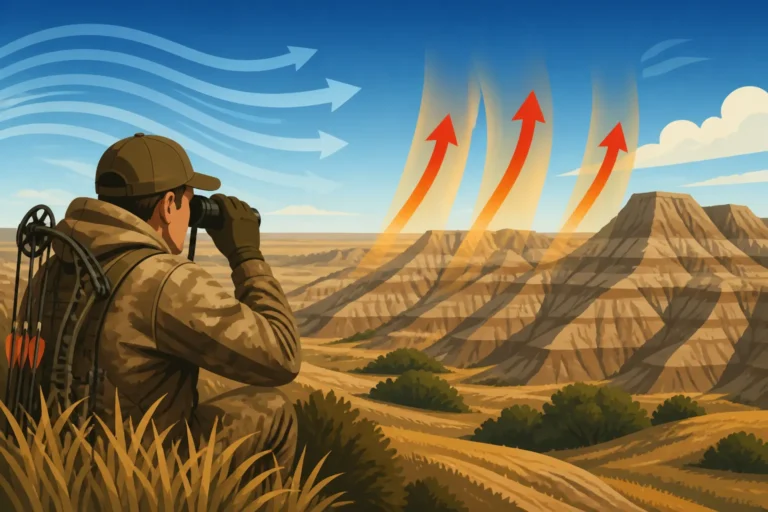
Beyond just the wind, you need to consider thermals, especially in the mornings and evenings. As the sun rises, the air warms and begins to lift, carrying scent upwards. In the evening, as the air cools, it sinks and carries scent downwards. In a shelterbelt context, this means that if you're set up on a slight rise above the belt in the morning, your scent could be carried over the deer below. Conversely, in the evening, if you're below the shelterbelt, your scent could settle right into their travel path. This is particularly true if the shelterbelt is located on a ridge or in a draw. Understanding Wind and Thermals in Badlands Terrain provides a broader context that applies even to the flatter prairie environment when dealing with subtle elevation changes. Always carry a wind checker powder to confirm the air currents are doing what you expect them to. Never compromise on scent control.
Utilizing Mapping Tools for Strategic Planning
In today's hunting world, digital mapping tools are indispensable. Services like GoHunt provide incredibly detailed aerial imagery, topographic maps, and public/private land boundaries that can revolutionize your scouting. Before you even step foot on the property, you can zoom in on a shelterbelt, identify its width, density, and the types of fields it borders. Look for those subtle corners, small gaps, or areas where the cover seems to thicken.
Use these tools to identify potential entry and exit routes to your stand or blind that keep you hidden and downwind. You can mark potential bedding areas you suspect deer might use within or near the shelterbelt, and then plan routes that avoid disturbing them. Many of these apps also allow you to mark deer sign like rubs and scrapes, building a comprehensive picture of deer movement over time. This pre-visualization can save you hours of wasted effort and significantly increase your chances of success. When Scouting PLOTS Land With the ND Hunt App, for example, you can toggle layers to see exactly where public access ends and private begins, ensuring you're always on the right side of the law.
Strategic Stand and Blind Placement
Once you've scouted and understand the deer movement, the next critical step is positioning yourself correctly. Your setup is just as important as the deer's behavior itself. A poorly placed stand or blind can ruin an otherwise perfect hunt.
Choosing the Right Tree Stand Location
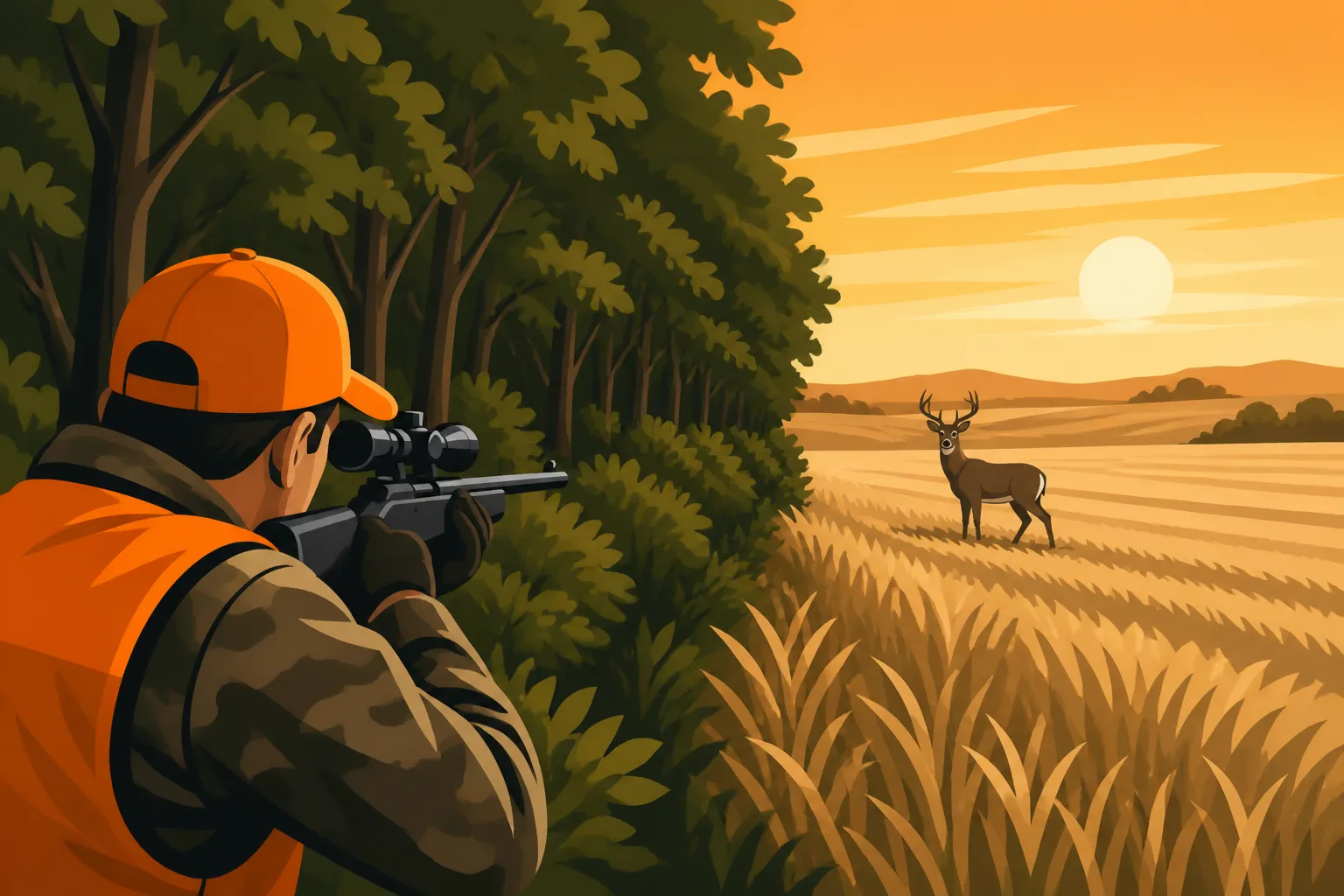
When hanging a stand along a shelterbelt, you're not just looking for any tree; you're looking for the perfect tree. Ideally, you want a tree that offers good cover to break up your silhouette, allows for multiple shooting lanes, and provides a clear view of the most active deer trails. Position your stand slightly inside the shelterbelt, if possible, rather than right on the edge. This provides better concealment and allows you to shoot both into the field and along the shelterbelt itself. Aim for a spot where deer trails converge or cross, creating a natural funnel.
Crucially, consider your entry and exit routes. You need to be able to get to and from your stand without spooking deer, especially at prime hunting times. This often means approaching from a direction that keeps the wind in your face as you walk, utilizing ditches, waterways, or other natural terrain features for concealment. Think about the sun's position – you don't want to be staring directly into it at prime hunting hours, nor do you want your silhouette highlighted against it. The best location for Hanging a Stand on a Shelterbelt Edge will always be one that prioritizes concealment, wind direction, and quiet access.
Effective Ground Blind Setups
Tree stands aren't always an option in shelterbelts. Sometimes the trees aren't suitable, or you prefer the comfort and concealment of a ground blind. When setting up a ground blind, the key is to brush it in thoroughly. Don't just pop it up and expect it to blend; actively cut brush, corn stalks, or other natural vegetation to integrate it seamlessly into the surroundings. The blind should look like it belongs there, not like a bright, new box.
Position your blind to take advantage of natural cover, such as a thick clump of brush, a larger tree, or even a small ditch. Again, focus on entry and exit routes that minimize disturbance. Ground blinds are excellent for quick deployment in a pinch or when you need to adapt to changing deer patterns. They also offer excellent protection from the elements, which can be a huge advantage during North Dakota's unpredictable weather. Make sure your shooting lanes are clear from the seated position. Remember, scent control is still paramount; even in a blind, your scent can swirl and betray your presence.
Considering Entry Routes Through Standing Sunflowers
Many North Dakota shelterbelts border agricultural fields, and standing sunflowers are a common sight into the late season. These fields can be both a blessing and a curse. They provide excellent cover for deer, allowing them to move unseen. However, they can also be incredibly noisy to walk through. When planning your approach to a shelterbelt bordering a sunflower field, consider using the rows themselves as cover.
Instead of crashing straight through, try to walk between the rows if possible, or use the thicker cover of the shelterbelt itself to approach your stand. Deer will often stage inside the sunflower field before entering the shelterbelt or feeding out into adjacent stubble. If you have to walk through standing sunflowers, do so slowly and deliberately, taking care to minimize noise. Sometimes, a long, wide approach that circles around the most sensitive areas is better than a direct, noisy route. This strategy is critical for any hunter trying to figure out Entry Routes Through Standing Sunflowers, not just for shelterbelt hunting.
Effective Hunting Tactics for Shelterbelts
Now that you've got your scouting done and your stand or blind placed, it's time to talk tactics. How do you actually hunt these linear strips effectively? It's often a combination of patience and strategic engagement.
Still-Hunting the Edges
Still-hunting is an art form, and shelterbelt edges are fantastic places to practice it. This isn't about covering ground quickly; it's about moving incredibly slowly and deliberately, pausing frequently to observe your surroundings. Think of it as a series of short, slow stalks interspersed with long periods of watching and listening. Take one or two steps, then stop for five minutes, scanning every shadow, every flicker of movement. Deer often bed just inside the shelterbelt's edge, using the dense cover for security. You might catch a glimpse of an ear flick, a patch of hide, or the subtle outline of a deer bedded down.
Focus your eyes on the transition zones – where the trees meet the undergrowth, where sparse cover becomes dense. These are the areas deer are most likely to move through or bed in. Always keep the wind in your face or quartering to you. If you pick up on fresh sign, slow down even more. Remember, your goal isn't to walk a mile; it's to walk a hundred yards effectively, without spooking anything. This methodical approach is a powerful way of Still-Hunting North Dakota's Missouri River Bottomland, and the same principles apply to the narrower confines of a shelterbelt.
Ambushing Travel Corridors and Pinch Points
As mentioned earlier, shelterbelts are natural travel corridors. Deer will often follow the path of least resistance or the most secure route. Identify these main travel routes, especially where they narrow down due to a fence line, a change in vegetation, or where the shelterbelt itself becomes narrower. These are your pinch points, and they are golden for setting up an ambush. Placing your stand or blind where several trails converge, or where a single, heavily used trail passes through a narrow gap, can be incredibly effective.
Think about how deer will move through these areas at different times of the day. In the morning, they might be heading from a feeding field back to a bedding area within the shelterbelt or a larger timber block. In the evening, they'll be doing the reverse. Time your hunts to coincide with these movements. If possible, set up where you can see a good stretch of the corridor, giving you time to react and take a clean shot.
Using Calls and Decoys for Engagement
Deer calls can be incredibly effective when hunting shelterbelts, particularly during the rut. A soft grunt call or a doe bleat can pique the curiosity of a cruising buck, drawing him out of the dense cover or down the shelterbelt edge. If you're hunting during the peak rut in November, rattling antlers can mimic a buck fight, which is often irresistible to other bucks in the area. Remember to adjust your rattling volume – Rattling Volume on the Open Prairie will be different than in the more enclosed environment of a shelterbelt where sound carries differently.
Decoys can also play a role, especially a small doe or fawn decoy placed strategically in a field opening adjacent to the shelterbelt. The visual cue can draw deer out into the open or closer to your position. Always ensure you have a clear shot when using a decoy, and be aware of other hunters in the area. When using calls, don't overdo it. A few well-timed, realistic calls are far more effective than constant, aggressive calling. For whitetails, understanding how to use Grunt Calls in River Bottom Timber can translate well to the cover found in wider shelterbelts.
Season-Specific Considerations for Shelterbelt Hunting
Deer behavior changes throughout the hunting season, and your shelterbelt tactics should adapt accordingly. What works in early fall might not be effective in the dead of winter.
Early Season Opportunities
In the early archery season, when the leaves are still mostly on the trees, shelterbelts offer incredible concealment. Deer are primarily focused on food and water. Look for shelterbelts that border alfalfa fields, soybean fields, or even newly cut stubble fields where deer might be gleaning leftover grains. Water sources nearby, such as small dugouts or ponds, will also concentrate deer movement. Your best bet is to set up an ambush in the evening, watching trails leading from the shelterbelt out to these food sources. The dense foliage provides excellent cover for your approach and for breaking up your silhouette in a tree stand. This is often the time when Bowhunting North Dakota's Long Archery Season truly begins, and deer are still relatively unpressured.
Hunting the Rut in Early-to-Mid November
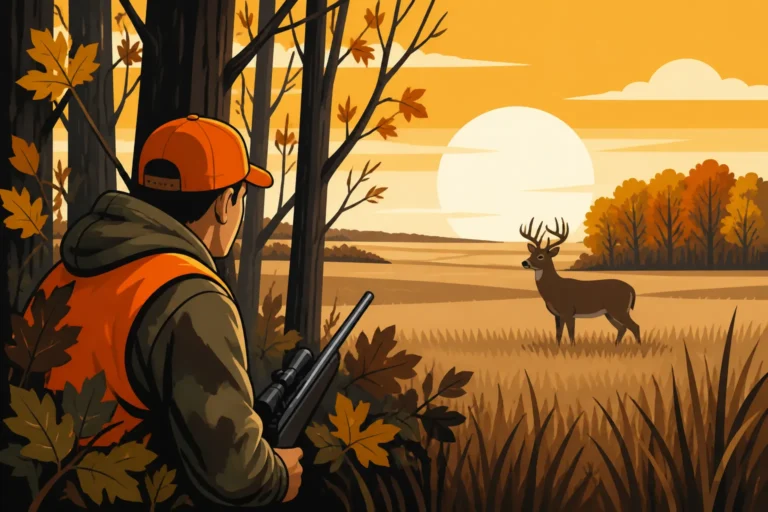
This is prime time for many deer hunters, and shelterbelts become absolute hotspots during the rut. Bucks are on the move, actively seeking out does. They'll use the cover of the shelterbelts to cruise for receptive does, moving from one section of cover to the next. Set your stands on primary travel corridors within or along the edges of shelterbelts, especially where you've observed fresh rubs and scrapes. During this period, bucks are more tolerant of daytime movement and might even respond aggressively to rattling or grunting.
Sitting all day can be highly effective during the rut, as deer activity can spike at any time. Be prepared for colder weather as November rolls around. Remember, during North Dakota's November Gun Deer Season, these tactics remain valid, though you might encounter more hunting pressure. If you're fortunate enough to draw a tag for a specific unit, ensure you're aware of the specific regulations for that area.
Late Season Tactics and Thermal Advantages
As winter sets in and temperatures drop, thermal cover becomes the absolute priority for deer. Shelterbelts, particularly those with dense evergreen components or wide, thick sections, become prime bedding and holding areas. Deer need to conserve energy, and being out of the wind is crucial. Look for shelterbelts that offer the thickest, most protected cover, especially those with south-facing slopes that catch the most sun.
Food sources are also critical. Deer will not move far from cover if they don't have to. Identify Late-Season Food Sources for North Dakota Whitetails that are accessible from these shelterbelts, such as standing cornfields, unharvested food plots, or even late-season browse. Your tactics should shift towards ambushing deer moving between these protected bedding areas and their limited food sources. Ground blinds can be particularly effective in the late season, offering warmth and concealment. Hunting into a December cold snap often means focusing on these critical resources.
Common Mistakes and How to Avoid Them
Even with the best intentions, hunters can make mistakes that compromise their chances. Being aware of these pitfalls, especially when hunting shelterbelts, can help you maximize your success.
Ignoring Scent Control Entirely
This is perhaps the biggest mistake any deer hunter can make, and it's particularly damning when hunting a linear feature like a shelterbelt. Deer rely on their nose more than any other sense. If they smell you, they're gone, often before you even know they were there. Don't just spray down with scent killer once. Shower with scent-free soap, wash your hunting clothes in scent-free detergent, store them in airtight containers, and dress in the field to minimize picking up foreign odors.
Even if you're meticulous, always play the wind. If the wind isn't right for your setup, don't hunt it. Period. It's better to stay home or find another spot than to blow out a prime area. Imagine you're trying to Reading a Missouri River Bottom for Deer; if you're not paying attention to scent, all that effort to scout movement patterns is wasted. North Dakota deer are not forgiving of human odor.
Pressuring the Deer Too Much
Shelterbelts, while great for deer, are also relatively confined spaces. Over-hunting a specific shelterbelt or entering and exiting carelessly will quickly educate and displace deer. If deer feel constant pressure, they'll either go completely nocturnal or abandon the area altogether for quieter pastures. This means being mindful of how often you hunt a particular spot. Give an area time to "cool off" between hunts.
Minimize your presence. Drive your vehicle as far away as possible and walk in. Avoid unnecessary noise. If you spook deer coming into a stand, don't immediately try to relocate and hunt them again. Let them settle down. This is why thorough scouting and multiple stand/blind options are so important – it allows you to rotate your hunting spots and reduce pressure on any single shelterbelt. Remember, you're trying to create a consistent, reliable pattern, not disrupt one.
Improper Shot Placement in Dense Cover
Shelterbelts often mean close-range encounters, but they also mean dense cover. When a deer steps out, it might only offer a small window for a shot, often through branches or brush. This can lead to rushed or poorly placed shots. Before your hunt, mentally map out your shooting lanes from your stand or blind. Identify any branches or obstructions that might deflect an arrow or bullet. If possible, trim small branches before the season starts to clear lanes, but be careful not to overdo it or make your stand too obvious.
When a deer presents itself, take a deep breath, assess the shot opportunity, and only take the shot if you're confident you can make a clean, ethical kill. Never rush. If the shot isn't there, let the deer walk. A wounded animal is a terrible outcome. Practice shooting from your stand or blind at various angles and distances, especially through simulated brush, to prepare for these real-world scenarios. This vigilance is crucial, whether you're hunting during Hunting a Muzzleloader Unit After Gun Season Closes or with a bow.
Comparison of Shelterbelt Hunting Tactics by Season
| Season | Primary Deer Focus | Recommended Tactic | Gear Considerations | Entry/Exit Strategy |
|---|---|---|---|---|
| Early Archery | Food, Water | Ambush feeding lanes/crossings | Scent control, bug spray, lightweight, leafy camo | Use standing crops, ditches; avoid disturbing bedding |
| Pre-Rut/Rut | Does, Scrapes, Cruising | Stands on travel corridors | Calls (grunt/rattle), binoculars, scent lures/decoys | Quiet approach along natural breaks; plan for daytime movement |
| Late Season | Thermal Cover, Food | Still-hunt, stand on food plots | Warm clothing, heavy boots, longer sits, ground blind option | Stealthy approach to avoid disturbing bedded deer; focus on warmth |
Final Thoughts on Shelterbelt Deer Hunting
Hunting shelterbelts in North Dakota offers a unique and often highly rewarding experience. These unassuming lines of trees are far more than just windbreaks; they are critical lifelines for deer, providing cover, food, and safe travel throughout the seasons. By understanding why deer use them, meticulously scouting, placing your setup strategically, and adapting your tactics to the time of year, you can transform these overlooked areas into your most productive hunting grounds. Remember to prioritize scent control, minimize pressure, and always aim for an ethical shot. With a bit of patience and smart planning, those shelterbelt edges will reveal their secrets, and you'll soon be enjoying the fruits of your labor.
Disclaimer
Hunting involves inherent risks and is subject to local, state, and federal regulations. Always consult the North Dakota Game and Fish Department for the most current rules, seasons, and licensing requirements before engaging in any hunting activities. This guide is for informational purposes only and does not constitute legal advice or guarantee hunting success.