How Many Days Nonresidents Wait for Public Land Bow Access
For nonresident bowhunters dreaming of chasing whitetails or mule deer across North Dakota's vast public lands, the state's unique regulations can feel like a frustrating puzzle. You're eager to get out there, but there's a specific, often-misunderstood waiting period that dictates when you can actually step onto public ground with your bow. This guide will meticulously break down that critical timeline, explain the reasoning behind it, and offer practical advice to ensure your nonresident North Dakota bowhunting trip is both legal and successful.
Understanding North Dakota's Nonresident Bowhunting Regulations
North Dakota prides itself on managing its wildlife resources carefully, and part of that management includes specific rules for nonresidents, especially when it comes to early-season public land access for deer. It’s not just about buying a license; it’s about understanding the nuances of when and where that license grants you permission. Many hunters from out of state get tripped up on this very point, showing up ready to hunt only to realize they're a few weeks too early for public ground.
The September 14th Public Land Restriction
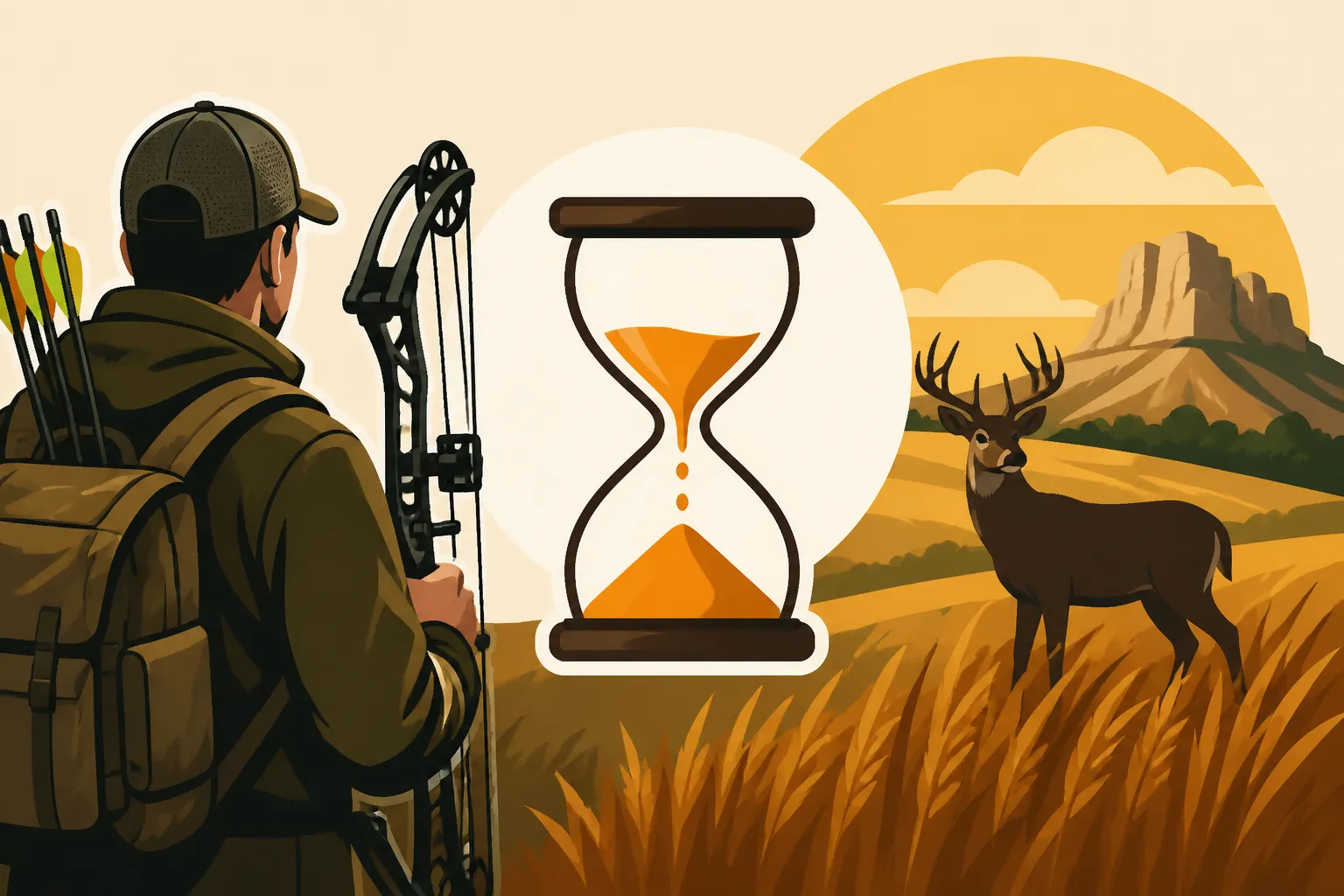
Here's the essential truth: nonresident bowhunters are generally not allowed to hunt deer on North Dakota Game and Fish Department (NDGFD) owned or managed lands, or any federal wildlife refuges or waterfowl production areas, until after September 14th. This rule applies specifically to deer archery season. So, if the statewide archery season opens on a Friday in late August, and you're a nonresident, you'll need to hold off on public land until the 15th of September rolls around. This can feel like a major bummer when you're watching online reports of early-season success, but it's a critical regulation to respect.
The North Dakota Game and Fish Department implemented this restriction to give resident hunters priority access to public lands during the initial weeks of the archery season. This helps spread out hunting pressure, especially on popular parcels, and offers residents a dedicated window before additional hunters arrive. It's a system designed to balance opportunity for all hunters while acknowledging the resident base. It's also important to note that this specific restriction applies to bowhunting for deer. Other species, or hunting on private land with permission, might operate under different timelines, so it's always crucial to verify for each specific scenario. For a full breakdown of dates, always refer to the official North Dakota Archery Season Dates.
Private Land Access for Nonresident Archers
While public land has that September 14th caveat, the situation changes significantly if you have access to private land. Nonresident bowhunters can hunt deer on private land from the statewide archery opener, provided they have landowner permission. This is a crucial distinction. Many nonresident hunters choose to spend the first few weeks of the season hunting private property they've secured access to, either through leases, personal connections, or by simply knocking on doors and asking politely. This private land option allows you to bypass the public land restriction entirely.
Securing private land permission, especially in prime hunting areas, can be challenging but not impossible. It often involves networking, showing respect, and sometimes even offering to help with chores or provide compensation. Many farmers and ranchers are open to allowing ethical hunters on their land, especially if they have deer that are causing crop damage. Utilizing tools like the GoHunt mapping platform can help you identify land ownership and parcel boundaries, which is invaluable when researching potential private land opportunities. Just remember that "asking permission" means precisely that; always get explicit permission before stepping onto private ground. You might find success by considering "Knocking on Doors in North Dakota Farm Country" for early season opportunities.
Navigating Public Land Access as a Nonresident Archer
Once September 14th has passed, the doors to North Dakota's public hunting lands swing open for nonresident bowhunters. However, simply knowing the date isn't enough; you need to understand which public lands are available, how to identify them, and what specific rules might apply to each type of area. North Dakota offers a diverse array of public access, from state-managed lands to federal properties, each with its own character and potential.
Types of Public Lands Available
North Dakota boasts a variety of public land types that become accessible to nonresident bowhunters after September 14th. These include:
- PLOTS (Private Land Open To Sportsmen) Lands: This program is a fantastic initiative by the NDGFD where private landowners open their land for public hunting. PLOTS tracts are clearly marked with yellow signs. The beauty of PLOTS is that they are generally accessible to nonresidents for bowhunting after the September 14th date, though some specific tracts might have additional restrictions or special rules. Always check the current PLOTS guide or use the ND Hunt app for the most up-to-date information on any given parcel. These lands are a cornerstone of "Public Hunting Land in North Dakota" and offer incredible opportunities.
- State Wildlife Management Areas (WMAs): These are lands purchased or leased by the NDGFD for wildlife management and public recreation, including hunting. WMAs are typically managed for specific game species and often have unique habitat features. Rules for WMAs can vary, so it's wise to consult the NDGFD's annual hunting proclamation for any site-specific regulations, such as restrictions on ATVs or camping.
- Federal Lands: This category includes National Grasslands, such as the Little Missouri National Grassland, and various Waterfowl Production Areas (WPAs) managed by the U.S. Fish and Wildlife Service. While WPAs are primarily for waterfowl, many also offer good deer hunting opportunities, especially along their edges or in upland components. National Grasslands offer vast, often rugged terrain, especially in the Badlands, making them ideal for those seeking a more remote hunting experience. You can learn more about "Hunting North Dakota's Little Missouri National Grassland" to plan your trip.
It's critical to remember that specific rules for weapon type, target species, and even vehicle access can differ between these land types. Always consult the official NDGFD hunting proclamation and any posted signs at the property boundaries. A reliable mapping application like GoHunt, with its detailed public land layers, can be an absolute game-changer for identifying these diverse access points and understanding property boundaries.
Mapping and Scouting Before Your Hunt
Successful nonresident bowhunting on North Dakota's public lands, especially with the September 14th restriction, requires meticulous planning and scouting. Since you can't physically scout before the season opens if you're respecting the nonresident rule, your scouting largely becomes a digital affair until you can arrive.
- Online Mapping Tools: Before you even leave home, spend considerable time with online mapping platforms. GoHunt is an excellent resource, allowing you to view satellite imagery, topo maps, and crucially, public land boundaries and ownership information. You can pinpoint potential bedding areas, travel corridors, food sources, and water. Look for pinch points, cover transitions, and subtle terrain features that might funnel deer. This virtual legwork is essential for efficient use of your time once you arrive after September 14th.
- NDGFD Resources: The North Dakota Game and Fish Department website offers downloadable PLOTS guides and an interactive map. Cross-referencing these with your GoHunt findings can give you a comprehensive understanding of access points and habitat. You can find out more about "Scouting PLOTS Land With the ND Hunt App" to get started.
- Understanding Deer Movement: Early to mid-September, when nonresidents gain public land access, can be a transition period for deer. Bucks might still be in summer patterns but are starting to rub and make scrapes. Food sources like alfalfa, soybeans, and early-dropping acorns (if present) can be key. As the month progresses, a subtle shift towards more rut-related behavior might begin, especially towards the latter part of the month. Focus your early-season efforts on predictable food-to-bedding patterns, especially near water sources.
Practical Strategies for Nonresident Bowhunters
Once the September 14th hurdle is cleared, nonresident bowhunters can put their boots on the ground. However, effective hunting requires more than just showing up. It demands strategic thinking, understanding local conditions, and adapting your tactics to the unique North Dakota landscape.
Choosing Your Hunting Unit and Target Species
North Dakota offers diverse landscapes, and your success will heavily depend on selecting the right unit for your hunting style and target species. Are you after a big Badlands mule deer or a prairie whitetail?
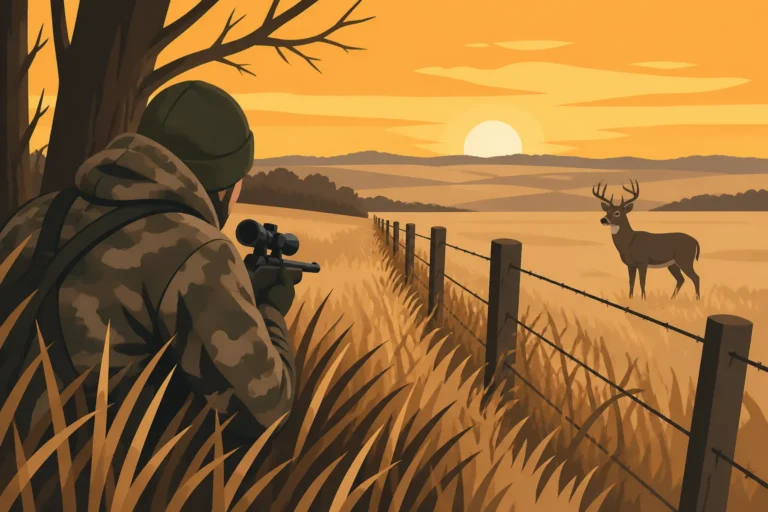
- Whitetail Deer: Whitetails are found across the state, often in river bottom timber, shelterbelts, and around agricultural fields. The eastern and central parts of the state, particularly along the Missouri River corridor, James River Basin, and Souris River Valley, can offer excellent whitetail opportunities. These areas often have a mix of dense cover and food sources.
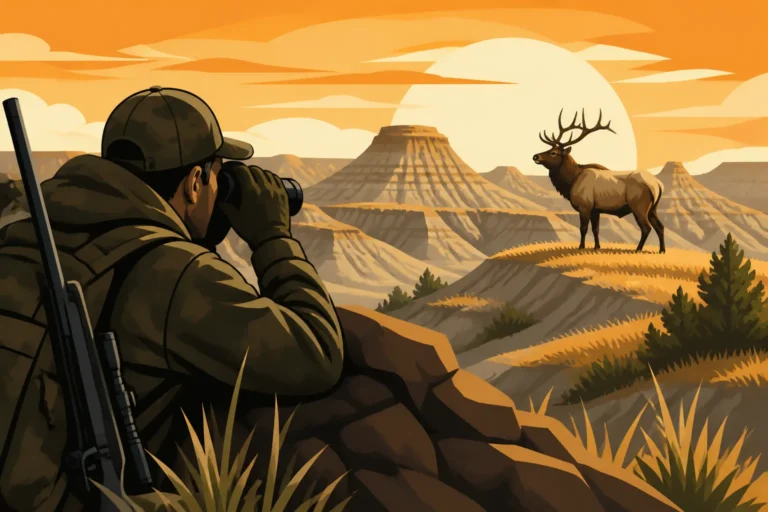
- Mule Deer: If a mule deer is your quarry, your focus should be on the rugged Badlands of western North Dakota. Units in counties like McKenzie, Billings, and Golden Valley offer the best chances for mule deer. This terrain requires a different hunting approach, often favoring spot-and-stalk tactics due to the open, broken country. Understanding "Mule Deer in North Dakota's Badlands" is crucial for this type of hunt.
Your choice of unit should align with the habitat you're most comfortable hunting and the species you're passionate about. Consider how long you plan to hunt and what kind of physical exertion you're prepared for. The Badlands, for instance, can be very demanding.
Tactics for Early-to-Mid Season Bowhunting
The period immediately following September 14th is a fascinating time to hunt North Dakota. The extreme heat of summer is usually fading, but the full-blown rut is still a ways off.
- Focus on Food and Water: Deer, especially bucks, are still primarily driven by food and water. Locate prime food sources – whether it's standing corn, bean fields, alfalfa, or even natural browse – and identify nearby bedding cover. Water is also a magnet, particularly in drier areas. Set up stands or blinds along travel corridors between these essential resources.
- Thermals and Wind: In a state as open as North Dakota, wind is a constant factor. Pay close attention to wind direction and thermals, especially in the Badlands where elevation changes create predictable air currents. Always play the wind to your advantage. A mapping tool like GoHunt can help you visualize terrain and predict thermal drafts.
- Scouting for Sign: Once on the ground, look for fresh deer sign: rubs, scrapes, tracks, and droppings. While scrapes might not be fully active, fresh rubs indicate bucks are working out aggression and marking territory. Early season rubs often appear on smaller saplings and brush. Pay attention to "Scrape Lines Along a Section Line Trail" for potential ambush points.
- Consider a Ground Blind: In areas with limited natural cover, a pop-up ground blind can be incredibly effective, especially when hunting field edges or areas with scattered brush. Just make sure to brush it in thoroughly a few days before your hunt if possible, to allow deer to get used to its presence.
Managing Hunting Pressure on Public Lands
North Dakota's public lands can see significant hunting pressure, especially once the nonresident restriction is lifted and as the season progresses. This is a reality you'll need to account for in your strategy.
- Hunt Smarter, Not Harder: Don't just hunt the easy-access spots. Be willing to walk further than most hunters. Use the satellite imagery on GoHunt to identify potential "hidden" pockets of cover or food that are a mile or more from a road. This effort often pays off with less pressured deer.
- Mid-Week Hunting: If your schedule allows, hunting mid-week can significantly reduce the number of other hunters you encounter. Weekends naturally draw more people, especially closer to roads and parking areas.
- Be Adaptable: If you arrive at your planned spot and find other vehicles, have a backup plan. Don't be afraid to pull up stakes and move to an entirely different area. Flexibility is key to success on public land. For more on navigating this, look into "Hunting Pressure on North Dakota Public Land".
| Feature | North Dakota Resident Bowhunter Access | North Dakota Nonresident Bowhunter Access (Deer) |
|---|---|---|
| Season Start (Public Land) | Statewide Archery Opener (late August) | After September 14th |
| Private Land Access | Statewide Archery Opener (with permission) | Statewide Archery Opener (with permission) |
| License Cost | Generally lower | Significantly higher |
| Public Land Availability | All NDGFD/Federal lands from opener | All NDGFD/Federal lands after Sept. 14th |
| Preference Points | Available for various draws (e.g., gun deer) | Not applicable for archery; some specific draws |
| Online Resources | NDGFD maps, PLOTS guide, GoHunt | NDGFD maps, PLOTS guide, GoHunt |
Common Pitfalls and How to Avoid Them
Even with all the regulations understood and strategies in place, hunting in North Dakota presents unique challenges. Being prepared for these can save you a lot of frustration and increase your odds of success.
Misinterpreting Public Land Boundaries
One of the biggest pitfalls for any hunter, especially nonresidents who aren't familiar with the local landscape, is misunderstanding land boundaries. It's easy to accidentally trespass, and North Dakota takes trespass very seriously.
- Use Reliable Mapping Apps: This cannot be stressed enough. Carry a GPS-enabled mapping app like GoHunt on your phone or a dedicated GPS unit. Download offline maps before you head out, as cell service can be spotty, especially in remote areas of the Badlands or deep in river bottoms. These apps overlay public and private land boundaries directly onto satellite imagery and topo maps, showing your exact location.
- Look for Physical Markers: While digital maps are invaluable, always be aware of physical boundary markers. PLOTS lands are clearly marked with yellow signs. National Grasslands often have signage, and private land will often be marked with "No Hunting" or "Posted" signs, or simply identifiable fences. If you're ever in doubt, err on the side of caution and retreat. Understanding "Finding North Dakota Property Lines" is crucial.
- Respect Adjacent Landowners: Even if you're on public land, be mindful of adjacent private property. Don't crowd fencelines or shoot onto private property without permission. A little common courtesy goes a long way in maintaining good hunter-landowner relations for everyone.
Underestimating North Dakota Weather
North Dakota weather is famously unpredictable and can change dramatically in a single day. What starts as a crisp, clear morning can turn into a blustery, cold, or even snowy afternoon, especially as you move closer to October.
- Dress in Layers: Always dress in layers. This allows you to add or remove clothing as temperatures fluctuate. A good waterproof outer shell is essential, even if rain isn't in the forecast, as unexpected showers can roll in quickly across the open prairie.
- Pack for All Conditions: Beyond clothing, consider what you carry in your pack. A reliable compass, headlamp, fire starter, emergency shelter, and extra water and food are critical, especially if you plan to venture far from your vehicle. Don't underestimate the severity of a cold front, even in early fall. Hunting "Hunting Deer After a Cold Front" can be productive but requires proper preparation.
- Monitor Forecasts: Before and during your hunt, constantly check local weather forecasts. However, be prepared for conditions to change rapidly regardless of the prediction. High winds are a common factor across the prairie and can make bowhunting challenging, affecting arrow flight and deer movement.
Overlooking License and Tag Requirements
It might seem basic, but overlooking specific license requirements or neglecting to fill out your tag properly can lead to serious legal issues. As a nonresident, ensuring you have all your ducks in a row is paramount.
- Base License and Deer Tag: You'll need a North Dakota nonresident general game and habitat license, in addition to your nonresident archery deer tag. These are separate purchases, and both are required. Verify what's included in "North Dakota Nonresident License Options".
- HIP Certification: If you plan on doing any upland bird or waterfowl hunting in addition to deer, you'll need to obtain your Harvest Information Program (HIP) certification. While not deer-specific, it's a common oversight for multi-species hunters.
- Tagging Requirements: Once you harvest a deer, immediately and properly fill out your tag and attach it to the animal as required by law. Know the rules for "Reporting a Deer Through North Dakota's App" as there are specific deadlines. Ensure your tag is clearly visible and protected from the elements. Don't move the animal from the kill site until it's properly tagged.
By understanding the critical September 14th public land access restriction for nonresident bowhunters and meticulously planning your hunt using the right resources, you can unlock incredible opportunities in North Dakota. Be patient, be prepared, and always respect the land and its regulations.
Disclaimer
The information provided in this guide is for general informational purposes only and does not constitute legal advice. Hunting regulations can change annually. Always consult the most current North Dakota Game and Fish Department hunting proclamation, available on their official website, before planning or engaging in any hunting activities. It is the hunter's responsibility to know and follow all applicable laws and regulations.