North Dakota Youth Deer Season Rules
Getting your young hunter into the field for deer season in North Dakota is an incredibly rewarding experience, but navigating all the rules, regulations, and season specifics can feel like a maze, especially when you're trying to keep things fun and engaging for the kids. This comprehensive guide is here to untangle the complexities of the North Dakota Youth Deer Season rules, helping you prepare for a safe, legal, and memorable hunt with your aspiring outdoors person.
Laying the Groundwork for Youth Deer Hunting
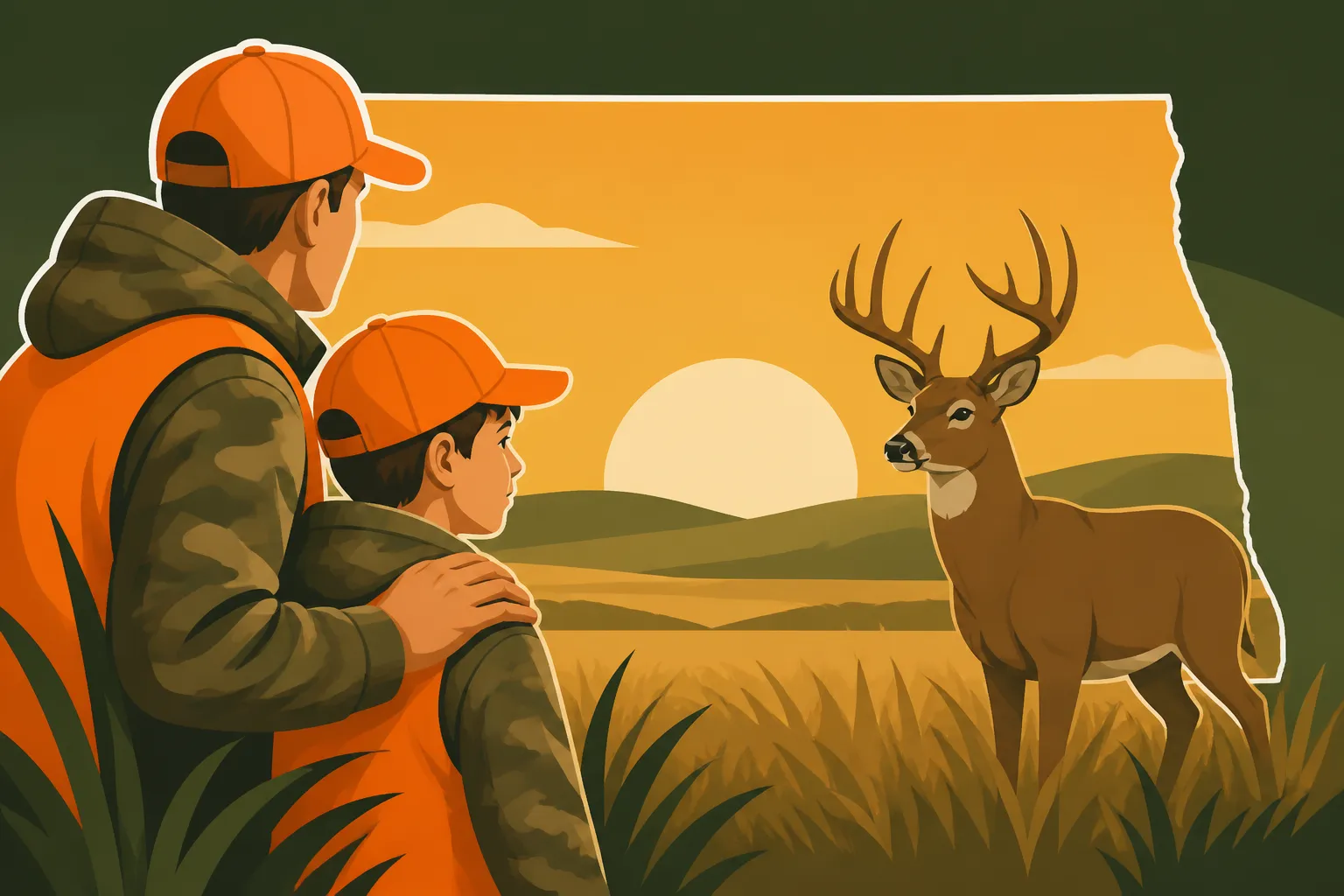
Introducing a youngster to hunting is about more than just pulling a trigger; it's about fostering an appreciation for nature, teaching responsibility, and creating lasting memories. North Dakota makes specific provisions to encourage this, but understanding the foundational requirements is the first step.
Eligibility and Age Requirements for Young Hunters
North Dakota has clear guidelines on who can participate in the youth deer season, primarily focusing on age and the crucial aspect of hunter education. Generally, youths who are at least 12 years old by December 31st of the current hunting year are eligible. This isn't just an arbitrary number; it’s often chosen to ensure a certain level of maturity and physical capability to handle firearms safely and ethically. However, it's worth noting that even younger hunters, typically 10 or 11, can participate in various hunting activities under the North Dakota Mentored Youth Hunting Rules program, which allows them to gain experience under the direct supervision of an adult.
The age requirement often brings a mix of excitement and apprehension for parents. You might be wondering if your 12-year-old is "ready." It's a valid concern. Beyond the legal age, consider their attention span, their ability to follow instructions under pressure, and their understanding of firearm safety. Hunter education is paramount here. The North Dakota Game and Fish Department requires anyone born after December 31, 1961, to complete an approved hunter education course before purchasing a hunting license, and this absolutely applies to youth hunters. This course provides critical knowledge on safety, ethics, wildlife identification, and game care, ensuring they're not just legally compliant but genuinely prepared for the responsibilities of hunting. Making sure your child completes their hunter education well in advance can alleviate a lot of last-minute stress.
License Basics and Application Process
Once you've confirmed your young hunter's eligibility, the next step is securing the necessary licenses and tags. For the youth deer season, a specific youth deer license is typically required. Unlike the general gun deer lottery, the youth deer license is often an "any-deer" license, meaning it allows the harvest of either an antlered or antlerless white-tailed deer, and sometimes even a mule deer in certain units, giving young hunters a higher chance of success and simplifying the decision-making process in the field. This "any-deer" flexibility is a huge benefit, reducing the pressure that can come with an antlered-only tag.
The application process for these licenses is generally straightforward, usually available through the North Dakota Game and Fish Department's online portal. It's not usually part of the main lottery system for regular gun deer tags, meaning the odds of drawing a youth tag are significantly better, often guaranteed, which is great for maintaining a young hunter's enthusiasm. You'll need to purchase a base hunting license in addition to the youth deer tag. It's always a good idea to check the current year's North Dakota Hunting Licenses and What They Cost well ahead of time, as fees and requirements can occasionally shift. For planning purposes, many hunters find resources like GoHunt incredibly helpful for tracking application deadlines and understanding license structures across different states, though North Dakota's youth deer tag process is quite simple by comparison. Ensure all information is accurate and submitted before the specified deadline to avoid any last-minute scramble.
Specifics of the North Dakota Youth Deer Season
The dedicated youth deer season is a unique opportunity, specifically designed to give young hunters a less crowded, focused experience. It's often held when weather conditions are milder and deer activity might be more predictable.
Season Dates and Duration
One of the greatest advantages of the North Dakota Youth Deer Season is its timing. It typically precedes the general firearm deer season, usually taking place in late September or early October. This intentional scheduling provides a distinct window for young hunters, often meaning less competition from adult hunters and a more relaxed atmosphere in the field. The season usually runs for a specific, shorter duration, such as a weekend or a few consecutive days, which is perfect for school schedules and keeping young minds engaged without prolonged boredom.
These dates are crucial, so mark them on your calendar as soon as they're announced by the Game and Fish Department. You can find the exact North Dakota Youth Deer Season Dates published annually. Hunting during this early fall period means you're likely to encounter deer still in their summer patterns, possibly moving between food sources and bedding areas, making scouting especially important. It also means milder weather, which is often more comfortable for young hunters who might not yet be seasoned in battling North Dakota's notorious late-season cold. Early season also means less snow cover, which can be both a pro and a con – easier walking, but no tracks to follow!
Legal Hunting Methods and Equipment
Just like with any hunting season, there are specific regulations governing the legal methods and equipment that can be used during the youth deer season. Generally, youths participating in this season are allowed to use firearms, typically centerfire rifles, muzzleloaders, or shotguns, similar to those permitted in the general North Dakota Gun Season Opening Day. However, it’s vital to double-check the specifics for the current year, as caliber restrictions or minimum bullet weights can apply. For instance, North Dakota has specific rules regarding Which Rifle Calibers North Dakota Allows for Deer, so ensure your chosen firearm meets these requirements.
Beyond the firearm itself, ensure your young hunter is proficient and comfortable with their chosen weapon. Practice at the range is non-negotiable, not just for accuracy but for safe handling, loading, unloading, and understanding the firearm's capabilities and limitations. It's not just about the gun; ethical shot placement is paramount. Additionally, crossbows are often legal for all deer seasons in North Dakota, offering another accessible option for youth hunters, especially if physical strength or recoil sensitivity is a concern. The aim is to make the experience positive and successful, and using appropriate, comfortable equipment plays a huge role in that.
Important Regulations Beyond the Season Dates
Hunting involves a commitment to responsible conduct, which extends far beyond simply knowing when and where you can hunt. For youth hunters, understanding these regulations is a key part of their education.
Tagging and Reporting Requirements
Successfully harvesting a deer is a thrilling moment, but the hunt isn't truly over until all legal requirements for tagging and reporting are met. Immediately after taking a deer, your young hunter must properly tag the animal with their license tag. This tag needs to be attached to the carcass in a visible and secure manner, as specified by the North Dakota Game and Fish Department. The tag typically includes information such as the hunter's license number, date of kill, and unit of kill. This is a critical step that cannot be overlooked, as improper tagging can lead to legal issues.
Following tagging, the deer must be reported to the Game and Fish Department. North Dakota has a mandatory deer reporting requirement, and it's essential that this is done within a specific timeframe, often within 12 or 24 hours of harvest. This can usually be done online through the Game and Fish Department's website or their mobile app. Detailed instructions for North Dakota Deer Reporting Requirements are provided with the license information. This reporting is vital for wildlife management, as it helps the department collect data on harvest rates, population health, and overall deer management success. Teaching your young hunter the importance of these administrative steps instills a sense of responsibility and contributes to conservation efforts.
Blaze Orange and Safety Protocols
Safety is paramount in all hunting endeavors, and for youth hunters, it's often the very first lesson. North Dakota has strict North Dakota Blaze Orange Requirements during the firearm deer season, and these same rules generally apply to the youth deer season. Hunters, and often non-hunting companions, are required to wear a certain amount of blaze orange (or blaze pink, which is also legally permitted) on their head and outer clothing above the waist. This highly visible color dramatically increases a hunter's visibility to others in the field, reducing the risk of accidental shootings.
Beyond the legal requirement, it's crucial to implement comprehensive safety protocols. This includes always treating every firearm as if it's loaded, keeping the muzzle pointed in a safe direction, keeping your finger off the trigger until ready to shoot, and being sure of your target and what's beyond it. These "four rules of firearm safety" should be drilled into every hunter, especially youth. Furthermore, understanding the layout of the land, communicating effectively with your hunting party, and making sure your young hunter is always within sight and hearing of an adult mentor are non-negotiable aspects of a safe and successful youth hunt. Field dressing and transportation also have safety implications, from handling sharp knives to properly securing the animal for transport.
Mentorship and Apprentice Hunter Programs
The journey of a young hunter is almost always a shared one, guided by experienced adults who pass on knowledge, ethics, and tradition. North Dakota's programs are designed to facilitate this crucial mentorship.
The Role of an Adult Mentor
For youth hunters, the presence of a responsible, experienced adult mentor is not just encouraged, it's often legally required. This mentor isn't merely a chaperone; they are the primary source of instruction, guidance, and safety enforcement in the field. During the youth deer season, the mentor must be of a certain age (often 18 or older), possess a valid hunting license, and be in direct, continuous supervision of the youth hunter. This means being close enough to immediately communicate and intervene if necessary. The mentor's role is to teach everything from tracking and shot placement to wildlife identification, understanding deer behavior, and respecting game and landowners.
Think of yourself as a coach and a guardian. It's about patience, positive reinforcement, and leading by example. Your young hunter will absorb more from your actions than from any lecture. If you use a tool like GoHunt to scout and plan, show them how you do it, explaining the rationale behind choosing certain locations or entry routes. This hands-on teaching is invaluable. It’s also about managing expectations; not every hunt will result in a harvest, and teaching resilience and appreciation for the experience itself is a crucial part of developing a lifelong hunter. The mentor is often the first and most impactful conservation educator a young hunter will ever have.
Apprentice Hunter License Benefits
For those who haven't yet completed a hunter education course, North Dakota offers the North Dakota Apprentice Hunter License Rules program. This fantastic initiative allows individuals, including youth, to try hunting for up to two license years without first completing hunter education, provided they hunt under the direct supervision of a licensed adult mentor. This program acts as a "try before you buy" option, letting aspiring hunters experience the activity firsthand to see if it's something they want to pursue long-term. For many parents, this is a perfect bridge into the world of hunting for their child.
The apprentice license removes a significant barrier for entry, allowing families to get into the field sooner. However, the requirement for direct adult supervision is even more stringent under this program, emphasizing the mentor's responsibility. The mentor must be 18 or older, have a valid hunting license, and have completed hunter education if they were born after 1961. This ensures that while the apprentice is learning, they are always under the watchful eye of someone who knows the rules and safety protocols inside and out. It’s an excellent pathway to introduce youngsters, perhaps even as young as 10, to the practicalities of hunting, before they commit to the full hunter education course.
Maximizing the Youth Hunting Experience
Beyond licenses and regulations, the true success of a youth deer hunt lies in creating a positive, educational, and fun experience that encourages continued participation.
Scouting and Preparation with Your Young Hunter
The hunt doesn't start when you step into the woods; it begins long before, with diligent scouting and preparation. Involving your young hunter in this phase is key to their engagement and understanding. Use maps, aerial imagery, and tools like GoHunt or the ND Hunt App to identify potential bedding areas, food sources, and travel corridors. Walk the prospective hunting ground together, looking for deer sign like tracks, rubs, and scrapes. This teaches them to "read" the land and understand deer behavior.
For instance, if you're planning to hunt a shelterbelt edge for deer, walk along it with your child and point out where deer might enter or exit, or where they might find cover. Explain why certain areas are more likely to hold deer. This hands-on learning builds excitement and allows them to take ownership of the hunt. Practicing shooting from a stand or blind they might use, familiarizing them with scent control, and even discussing various hunting scenarios helps build confidence. Remember, the goal isn't just to find a deer, but to teach them how to find a deer, equipping them with skills that will last a lifetime. Don't forget to pack plenty of snacks, drinks, and warm clothes – comfort is paramount for keeping young hunters happy in the field.
Dealing with Success and Setbacks
Hunting, especially with youth, is a rollercoaster of emotions. There will be moments of exhilarating success and sometimes, heartbreaking setbacks. It's crucial to prepare your young hunter for both. If they are successful and harvest a deer, celebrate the achievement fully. Teach them how to properly Field Dressing a Deer in Cold Weather or warmer temperatures, how to respect the animal, and the process of getting the meat ready for the table. This is where the real lessons of ethical hunting and responsible harvesting come to life. Document the moment with photos and share in their pride.
However, hunting is also about perseverance. It's entirely possible that your young hunter might not get a deer on their first, or even fifth, outing. The weather might be bad, deer might not show up, or a shot might be missed. It's important to frame these moments not as failures, but as learning opportunities. Emphasize that the experience itself – being outdoors, spending time together, and observing nature – is just as valuable as the harvest. Talk through what went well and what could be done differently next time. Validate their feelings of disappointment, but encourage them to keep trying. This teaches resilience and helps cultivate a love for the outdoors that isn't solely dependent on filling a tag.
Navigating Public and Private Land Access
Access to hunting land can be a major hurdle, especially for new hunters. Understanding North Dakota's public and private land options is key to a successful youth deer hunt.
Understanding PLOTS and Public Land Options
North Dakota is renowned for its ample public hunting opportunities, largely thanks to programs like PLOTS (Private Land Open To Sportsmen). These are private lands where landowners have opened their property to public hunting in exchange for financial incentives or habitat improvements. The PLOTS Program Explained details how this program works and why it's such a boon for hunters. For youth hunters, PLOTS lands can be an excellent starting point, offering diverse habitats and generally good access without the need for individual permission.
The North Dakota Game and Fish Department publishes a Using the PLOTS Guide Booklet annually, often available in print and through their mobile app, which is a must-have resource. This guide, along with mapping tools like GoHunt, will show you exact PLOTS boundaries, access points, and sometimes even habitat types. Additionally, federal lands like Waterfowl Production Areas (WPAs) and State Wildlife Management Areas (WMAs) also offer public hunting access. It's vital to respect all posted regulations on these lands, including vehicle access rules and any special restrictions. Teach your young hunter to identify PLOTS signs and understand property boundaries. Early season walks on these lands can be great for Scouting PLOTS Land Before Season, helping them learn the lay of the land without the pressure of a full hunt.
Gaining Private Land Permission
While public lands offer great opportunities, securing permission to hunt on private land can significantly enhance the youth deer hunting experience, often providing less crowded areas and potentially higher deer concentrations. The process of Getting Private Land Permission in North Dakota involves courtesy, respect, and often a bit of networking. Start by identifying landowners in areas you're interested in, and then approach them directly and politely. Many farmers and ranchers are willing to grant access, especially for youth hunters, if approached respectfully and well in advance of the season.
When asking for permission, always be clear about your intentions – that you're seeking to take a young hunter out for the youth deer season. Offer to share any harvest or assist with tasks around their property. Always ask about specific rules they might have, such as no driving on certain fields, preferred entry points, or areas to avoid. Providing your contact information and following up with a thank-you note, regardless of whether permission is granted, leaves a positive impression. Building these relationships can open doors for future hunts and teach your young hunter the importance of landowner relations, a fundamental aspect of ethical hunting in North Dakota.
Important Considerations for Youth Deer Season
| Category | Detail | Important Notes |
|---|---|---|
| Eligibility Age | 12 years old by December 31st of the current hunting year | Younger hunters (10+) can participate via Mentored Youth Hunting Program. |
| Hunter Education | Required for those born after Dec 31, 1961 (unless using apprentice license). | Complete well in advance; covers safety, ethics, and regulations. |
| License Type | Specific Youth Deer License | Often "Any-Deer" (antlered or antlerless white-tailed, possibly mule deer in some units). Not part of general lottery. |
| Season Dates | Typically late September / early October | Precedes general gun season; check NDG&F website annually for exact dates. |
| Legal Weapons | Centerfire rifle, muzzleloader, shotgun, or crossbow | Must meet specific North Dakota caliber/gauge requirements; practice extensively. |
| Blaze Orange | Required (or blaze pink) on head and outer clothing above waist. | Mandatory for visibility and safety for hunter and mentor. |
| Adult Supervision | Required, typically 18+ with valid license and within direct sight/hearing. | Essential for safety, guidance, and legal compliance. |
| Tagging & Reporting | Mandatory carcass tag immediately after harvest, online reporting within 12-24 hrs. | Critical for legal compliance and wildlife management data. |
| Land Access | PLOTS (Private Land Open To Sportsmen), WMAs, WPAs, private land permission. | Use NDG&F maps, GoHunt; always respect boundaries and landowner requests. |
Disclaimer
The information provided in this guide is intended for general informational purposes only and does not constitute legal advice. Hunting regulations, season dates, and license requirements in North Dakota can change annually. It is the individual hunter's responsibility to review and comply with all current North Dakota Game and Fish Department rules and regulations before participating in any hunting activity. Always consult the official North Dakota Game and Fish Department proclamations and regulations for the most accurate and up-to-date information.