Mandatory Testing Inside a CWD Hunting Unit
There’s a unique kind of knot that forms in your stomach when you’re planning a deer hunt in North Dakota, especially when you start hearing whispers about CWD. You’re already thinking about scouting, gear, and where the big bucks might be, and then the added layer of chronic wasting disease testing requirements can feel overwhelming. This guide is here to untangle that knot, walking you through everything you need to know about mandatory CWD testing when hunting in one of North Dakota’s designated CWD hunting units.
Understanding North Dakota's CWD Challenge
Chronic Wasting Disease (CWD) is one of those topics that can instantly change the mood around any campfire, and for good reason. It’s a serious concern, not just for the health of our deer, but for the future of hunting itself. North Dakota, like many other states, is actively battling its spread, and as hunters, we're on the front lines of that effort.
The Spread and Significance of CWD
CWD is a neurological disease that affects cervids – that’s deer, elk, and moose, for us hunters – and it’s always fatal. It’s caused by abnormal proteins called prions, which can spread directly from animal to animal or indirectly through the environment. Imagine it like this: an infected deer sheds these prions through saliva, urine, and feces, contaminating the soil and vegetation where other deer browse. It's a slow-moving, insidious threat that degrades the health of the herd over time, and once it takes root, it’s incredibly difficult to eradicate.
While there’s currently no evidence of CWD transmitting to humans, the Centers for Disease Control and Prevention (CDC) advises extreme caution and recommends against consuming meat from infected animals. This is precisely why mandatory testing, particularly in areas where CWD has been detected, isn't just a bureaucratic hoop to jump through, but a critical tool in managing the disease and protecting both our deer and ourselves. It’s a responsibility we all share to keep North Dakota’s deer healthy.
Identifying a CWD Hunting Unit
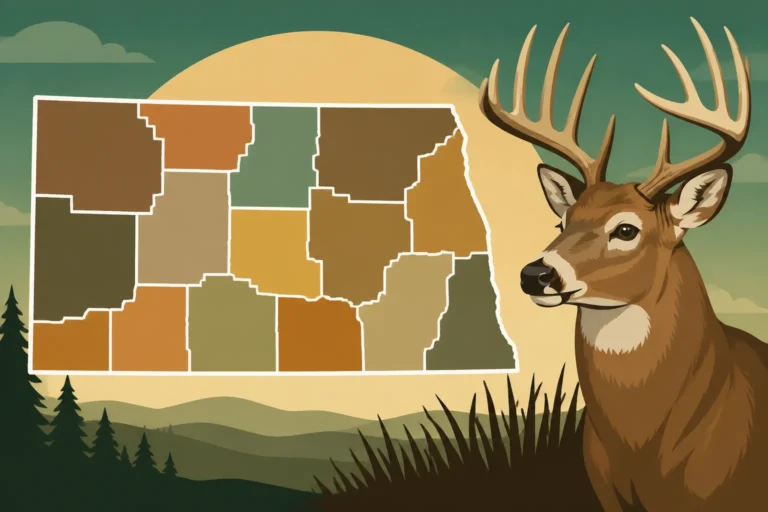
So, how do you know if you're hunting in a CWD unit that requires mandatory testing? It's not always intuitive, as these designations can change based on surveillance results and new detections. The North Dakota Game and Fish Department (NDG&F) is diligent about mapping these areas, but it requires hunters to stay informed. Generally, these units are concentrated in specific regions where CWD has been confirmed. You might be interested in checking out the map of North Dakota's Fourteen-Unit CWD Zone to get a visual understanding of where these areas are.
When you're planning your hunt, especially if you're using a tool like GoHunt or checking the NDG&F website, always verify the current CWD status of your specific hunting unit. What might have been clear of CWD last year could be a mandatory testing unit this season. These zones are usually defined by Deer Hunting Units (DHUs) rather than broad county lines, so it's essential to pinpoint your exact location. The official NDG&F CWD surveillance map, usually updated annually before the hunting season, is your most reliable resource. It will clearly outline which units have mandatory testing and which have voluntary surveillance.
Why Mandatory Testing Exists
The reasoning behind mandatory testing is straightforward: early detection and disease surveillance. When CWD is first identified in a unit, it's crucial to understand its prevalence and distribution. By making testing mandatory, the NDG&F gathers robust data that helps them track the disease's spread, identify hot spots, and make informed management decisions. It’s a proactive step to prevent CWD from spiraling out of control and decimating deer populations.
Think of it as a public health measure for our wildlife. Just as we monitor diseases in human populations, wildlife agencies monitor diseases in animal populations. Mandatory testing provides the necessary sample size to determine the scope of the problem. It allows wildlife biologists to assess the health of the herd and, if necessary, implement targeted strategies such as special antlerless hunts to reduce deer densities in affected areas, which can help slow down prion transmission. Without this data, we’d be flying blind, and that’s a risk no one who cares about the future of hunting is willing to take. This data also contributes to the information presented in things like the North Dakota Deer Harvest Records, giving a fuller picture of herd health.
Navigating Mandatory Testing Requirements
Okay, so you’ve harvested a deer in a mandatory CWD testing unit. Now what? This is where the rubber meets the road, and understanding the step-by-step process can save you a lot of stress and ensure you're in compliance.
When and Where to Submit Samples
The NDG&F sets specific timeframes for submitting CWD samples, typically during the opening weekends of the deer gun season, when hunter numbers are highest. However, it's wise to always check the most current regulations for exact dates, as these can vary year to year. During these periods, staffed sampling stations are often available in key locations within or near CWD units. These staffed stations are fantastic because they have experts on hand to answer questions and help with the process.
Outside of these staffed periods, or if you're hunting in an area without a staffed station, self-serve drop-off sites are usually available. These typically consist of barrels or bins where you can deposit the head of your harvested deer. You'll need to fill out an information card, often found right at the site, with details like your license number, date of harvest, and unit number. Make sure to securely attach this information to the head before dropping it off. You can often find a comprehensive list of these drop-off sites and their hours on the NDG&F website, or through a hunting app like GoHunt which often integrates this information. Finding a North Dakota CWD Sampling Station near your hunt unit is crucial, so plan this out before you even head into the field.
The Collection Process: What to Expect
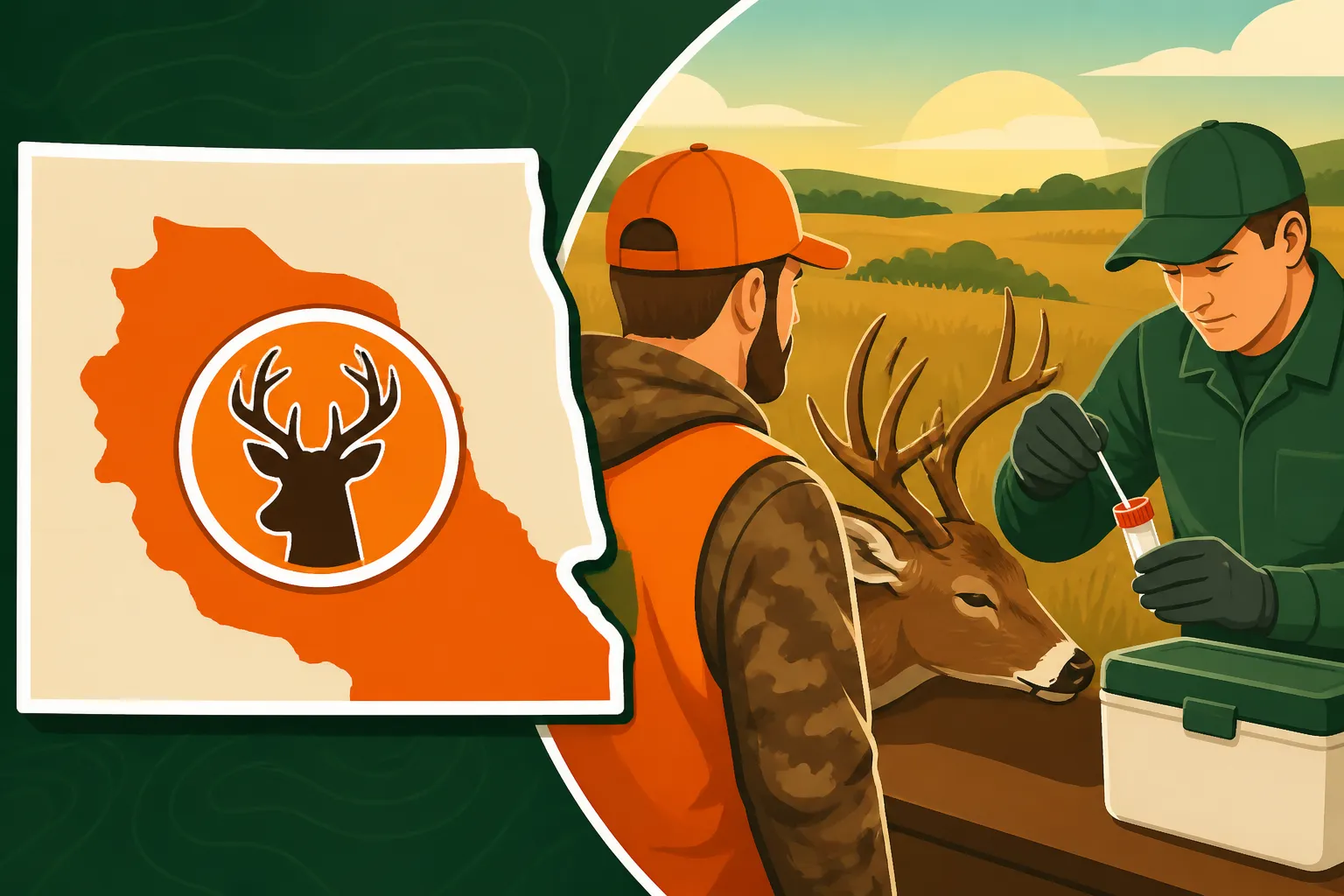
When you bring your deer to a sampling station, whether staffed or self-serve, the goal is to collect specific tissue samples for CWD testing. The most common samples collected are the retropharyngeal lymph nodes and a section of the brainstem, specifically the obex. These are the tissues where CWD prions are most reliably detected.
If you’re at a staffed station, a biologist or technician will perform the extraction. They'll typically ask you for your license, tag information, and the general location of your harvest. They will then remove the necessary tissues, which usually takes only a few minutes. You get to keep the rest of your deer. If you're using a self-serve drop-off, you'll generally be required to leave the entire head. Make sure the head is in a sturdy bag, and that your contact and harvest information is clearly attached and visible. It's a good idea to keep the deer's tag securely attached to the carcass, as you’ll need to report your deer as well. Don't forget the North Dakota Deer Reporting Requirements once you've successfully harvested and processed your animal.
Key Dates and Deadlines
Staying on top of key dates and deadlines is paramount. For mandatory testing units, there’s usually a specific window during which samples must be submitted. Missing this window can lead to non-compliance, which could potentially result in fines or penalties. Beyond the mandatory submission period, the NDG&F typically has a deadline for all deer to be legally tagged and reported, usually within a few days of harvest.
The NDG&F website is your definitive source for these dates. Bookmark it, or better yet, download the North Dakota Game and Fish app, which often provides timely reminders and location services for sampling stations. Hunters who frequently use tools like GoHunt to plan their hunts will also find that these platforms are usually quick to update their data with current regulations and deadlines. Don't leave this to chance; verify everything before you head out. A little planning upfront can save a lot of headaches later.
| Deer Hunting Unit (DHU) | Mandatory Testing Status | Typical Submission Period | General Sampling Method | Carcass Transport Rules |
|---|---|---|---|---|
| 3F1, 3F2, 3B1, 3B2 | Mandatory | Opening weekend of gun season | Staffed & Self-Serve | Head must remain with carcass until sample collected or unit exited; no brain/spinal tissue from CWD unit leaves state |
| 3A1, 3A2, 3E1, 3E2 | Mandatory | Opening weekend of gun season | Staffed & Self-Serve | Head must remain with carcass until sample collected or unit exited; no brain/spinal tissue from CWD unit leaves state |
| Other Designated CWD Units | Mandatory/Voluntary | Varies by Unit/Season | Varies | Check specific unit regulations; general rule applies to high-risk parts |
Note: This table provides general guidance. Always refer to the most current North Dakota Game and Fish Department regulations for specific unit designations, dates, and transport rules.
Practical Tips for CWD Compliance
Hunting is about enjoying the outdoors and, hopefully, bringing home some venison. Dealing with CWD requirements can seem like a chore, but with a few practical tips, you can navigate the process smoothly and stay focused on the hunt.
Preparing Your Harvest for Testing
When you drop your deer, especially in a mandatory CWD testing unit, think ahead about the testing process. While you can field dress your deer as usual, try to avoid removing the head prematurely if you're taking it to a staffed station. Many stations prefer to receive the whole head to ensure proper sample collection. If you're using a self-serve drop-off, securing the head in a durable plastic bag is a good practice, especially if you anticipate a delay before dropping it off. Keeping it cool is also important, so consider having a cooler with ice specifically for the head, separate from where you're storing your meat.
It’s generally allowed to bone out your deer in the field in a CWD unit, but you must leave the head, along with any high-risk parts like the brain and spinal cord, within the designated CWD unit if you plan to transport the meat out of that unit. This helps prevent the spread of prions. The NDG&F website has clear guidelines on what constitutes "high-risk" parts. Knowing these rules is especially important if you're planning on Transporting a Tagged Turkey in North Dakota or any other game, as general transport rules often have CWD-specific additions.
Utilizing Digital Tools for Unit Information
In this day and age, your smartphone can be an invaluable hunting companion. Apps like GoHunt and the official North Dakota Game and Fish app provide real-time or frequently updated information on CWD units, sampling station locations, and current regulations. Before you even leave home, use these tools to scout your unit digitally. You can often see property boundaries, CWD zone overlays, and pinpoint the nearest sampling station.
Even when you're out in the field, these apps can help. Many, like the ND Hunt App, have offline capabilities, which is crucial when you're deep in areas without cell service. This can help you verify if you're still within a CWD unit or if you've crossed into a different zone, ensuring you comply with the correct testing requirements. It's similar to how you might use a mapping app for Scouting PLOTS Land With the ND Hunt App – the information is there to make your life easier. Don't rely on outdated paper maps alone; digital resources offer the most current and dynamic data.
Transporting Carcasses from CWD Zones
Transporting your harvested deer from a CWD unit requires careful attention to the rules. The primary goal is to prevent the movement of high-risk parts that could spread CWD to new areas. Generally, if you harvest a deer in a mandatory CWD testing unit, you can transport the whole carcass to a CWD sampling station within a CWD unit or to a commercial processor or taxidermist that is also within a CWD unit or has specific CWD protocols.
However, if you plan to transport the carcass out of a CWD unit, especially across state lines, specific restrictions apply. Typically, only deboned meat, cleaned skull plates (antlers), hides, and taxidermy-ready mounts are allowed to leave CWD units. The brain, spinal cord, and other high-risk parts must be left behind in the CWD unit or properly disposed of according to NDG&F guidelines. This can be a point of confusion for many hunters, so if you're unsure, err on the side of caution and either bone out your deer in the field or utilize a local processor who understands these rules. Always consult the official NDG&F regulations, specifically "CWD Testing for North Dakota Hunters," for the most up-to-date and unit-specific transport restrictions. It's better to be safe than sorry when it comes to preventing the spread of this devastating disease.
Disclaimer
Please be aware that hunting regulations, including those pertaining to Chronic Wasting Disease (CWD) testing, can change annually or even mid-season. While this guide aims to provide comprehensive and current information, it is essential for all hunters to consult the official North Dakota Game and Fish Department (NDG&F) regulations and proclamations for the most up-to-date and legally binding information before participating in any hunting activities.