Wild Turkeys in North Dakota
Many hunters might overlook North Dakota when planning their annual turkey pursuit, assuming the state is primarily for big game or waterfowl, or perhaps they imagine sparse populations and limited opportunities. However, those who dismiss the Peace Garden State are truly missing out on a fantastic and often underrated wild turkey experience. This comprehensive guide is designed to illuminate the thriving wild turkey populations in North Dakota, demystifying the hunting seasons, strategies, and regulations so you can confidently plan a successful hunt.
A Hidden Gem: The Story of North Dakota's Wild Turkeys
North Dakota might not be the first state that comes to mind when you think of wild turkeys, especially if you're picturing the deep hardwoods of the East or the vast pine forests of the South. But don't let that fool you. The wild turkey story here is one of remarkable recovery and adaptation, turning what was once a rare sighting into a legitimate and exciting hunting opportunity. For decades, many believed North Dakota's harsh winters and prairie landscape couldn't sustain a viable turkey population. They were wrong, and the state's wildlife management efforts, coupled with the birds' incredible resilience, have proven it time and again.
From Near Extinction to Prairie Proliferation
It's hard to imagine, but wild turkeys were once completely extirpated from North Dakota. The original Merriam's subspecies, native to areas further south and west, never truly established a stronghold here, and early settlement practices, including unchecked hunting and habitat destruction, pushed any lingering populations out. For a long stretch in the early to mid-20th century, if you wanted to see a wild turkey in North Dakota, you were probably looking at a barnyard bird.
The turnaround began in the mid-1950s when the North Dakota Game and Fish Department (NDGFD) initiated reintroduction efforts. They started by releasing birds from other states, primarily the Merriam's subspecies, into suitable habitats, often focusing on river bottoms and areas with reliable tree cover. These initial releases were meticulously planned, targeting areas that offered critical winter forage and shelter from the brutal North Dakota blizzards. It wasn't an overnight success story, but the birds slowly, surely, took hold.
Over the subsequent decades, these populations began to expand, adapting to the unique prairie environment. Later reintroduction efforts included the Eastern and Rio Grande subspecies, leading to some genetic mixing in certain areas, though Merriam's are still dominant in the western, more rugged parts of the state. This adaptive process showcased the turkey's incredible ability to thrive in unexpected places, proving that North Dakota offered more than just prairie dogs and pheasants for these resilient birds. The state's game managers have continued to monitor and manage these populations, ensuring their sustained health and expansion.
Current Population Trends and Distribution
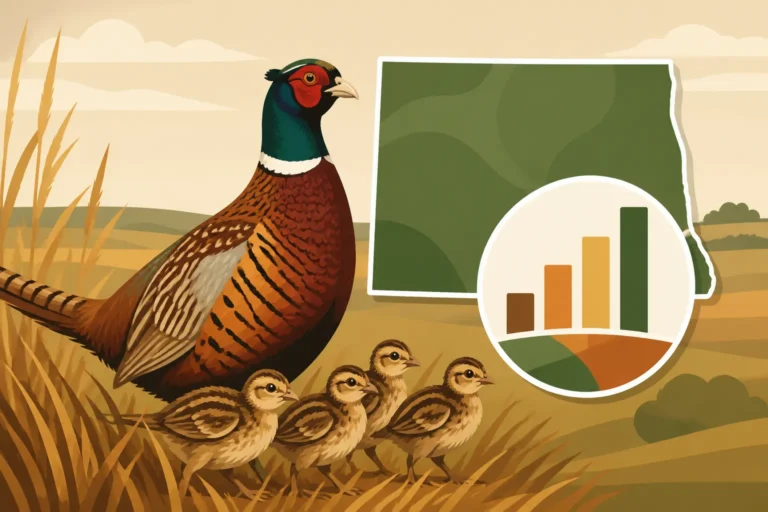
Today, North Dakota boasts a healthy and robust wild turkey population, offering both spring and fall hunting opportunities. While numbers can fluctuate based on severe winters or spring moisture, the overall trend has been positive. The state regularly conducts surveys, including spring gobbling counts and winter flock observations, to gauge the health and distribution of the birds. These surveys help the NDGFD make informed decisions about license quotas and season structures, aiming to provide ample hunting opportunities while maintaining a sustainable population. If you're looking for up-to-date information on where the birds are doing best, checking the latest North Dakota Turkey Population Trends reports from the NDGFD is always a smart move.
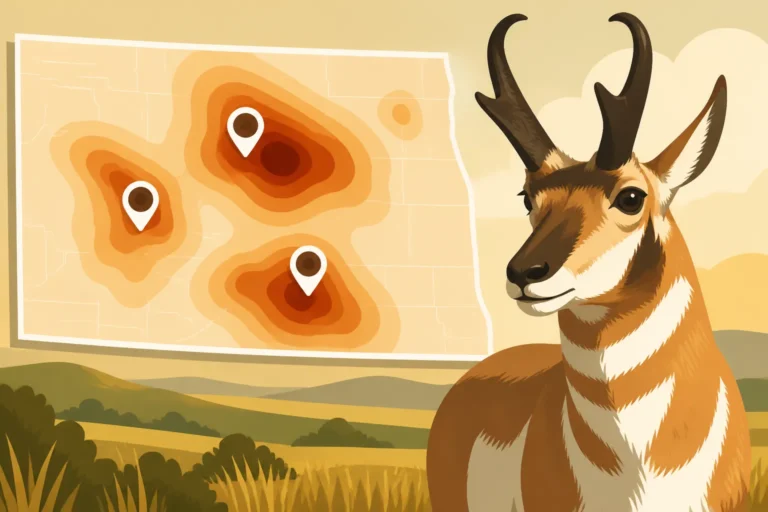
You'll find turkeys widely distributed across the state, though some areas certainly hold higher concentrations. The most consistent populations tend to be along the major river systems like the Missouri River corridor, the Little Missouri River in the Badlands, and the Sheyenne River. These areas provide the crucial mature timber for roosting and thermal cover, along with diverse food sources throughout the year. The rugged draws and coulees of the Badlands are also prime habitat, offering pockets of deciduous trees and natural shelter, making them a fantastic, albeit physically demanding, place to chase birds.
Beyond these major river systems and the Badlands, turkeys have also established themselves in many of the shelterbelts, abandoned farmsteads, and riparian corridors found in the state's agricultural regions. These smaller, more fragmented habitats can hold surprisingly large numbers of birds, especially during the fall when they gather into larger flocks. It’s not uncommon to see a huge flock of turkeys emerge from a seemingly small patch of timber next to a cornfield, providing a testament to their adaptability in utilizing available resources across the state.
Understanding North Dakota Turkey Habitat and Behavior
To successfully hunt wild turkeys in North Dakota, it's absolutely crucial to understand the unique habitats they favor and how their behavior shifts throughout the year. This isn't your typical Eastern woods turkey hunt; the landscape here demands a different perspective, but one that can be incredibly rewarding. Knowing where they prefer to roost, feed, and loaf will give you a significant advantage, especially when the weather decides to throw a curveball, as it often does in North Dakota.
Key Habitat Types Across the State
North Dakota's diverse landscape offers several key habitat types where turkeys thrive, each presenting its own set of challenges and opportunities for hunters. The major river bottoms, like those associated with the Missouri River, are arguably the most consistent turkey producers. These areas feature mature cottonwoods, ash, and elm trees, providing ideal roosting sites. The understory often consists of dense thickets, plum brush, and dogwood, offering excellent cover and a variety of forage. Here, turkeys can find everything they need – water, diverse food sources like acorns, berries, and insects, and protection from predators and the elements. Hunting these river bottoms can be like navigating a labyrinth, with deep ravines and thick vegetation, so preparation is key.
Another prime habitat is the rugged terrain of the Badlands, particularly along the Little Missouri River and its tributaries. Here, turkeys find refuge in the isolated pockets of timber nestled within deep coulees and draws. Ponderosa pine, juniper, and various deciduous trees provide critical roosting and thermal cover in an otherwise open landscape. The turkeys in these areas are often the Merriam's subspecies, known for their striking white-tipped tail feathers and their tendency to range over vast, steep distances. Hunting the Badlands requires serious physical conditioning and a good understanding of terrain, but the reward of a Badlands gobbler is unparalleled.
Beyond these more "traditional" turkey habitats, North Dakota's agricultural regions offer extensive shelterbelts, woodlots, and small creek bottoms that hold significant turkey populations. These linear strips of trees, often planted as windbreaks, might seem insignificant, but they provide essential cover and travel corridors for turkeys, especially in the more open prairie. Turkeys here often feed in adjacent crop fields, utilizing the waste grain, and then retreat to the shelterbelts for roosting and security. Don't underestimate these seemingly small patches of cover; a quick scout on Scouting PLOTS Land With the ND Hunt App or similar mapping tools can reveal hidden gems. You might find a huge flock exiting a standing corn field for late-season geese, only to discover a large turkey flock doing the same thing.
Seasonal Movements and Daily Rhythms
Understanding the seasonal movements and daily rhythms of North Dakota's wild turkeys is fundamental to consistent hunting success. Turkeys, like most wildlife, are creatures of habit, driven by food availability, cover, and breeding cycles. In the spring, the focus is squarely on breeding. Gobblers become incredibly vocal and visible, strutting and sounding off to attract hens. They'll spend their nights roosted in tall trees, typically in river bottoms or the scattered timber of the Badlands, and pitch down at first light, ready to begin their day's courtship. Your best bet for a spring gobbler is to be near those roost sites before dawn, ready to intercept them as they hit the ground. For more on this, check out North Dakota Turkey Roost Tree Preferences.
As spring progresses into summer, adult gobblers become less vocal and more reclusive after the breeding season. Hens are busy nesting and raising poults. During this time, turkeys often spread out, utilizing a wider variety of forage. Come fall, the dynamics shift dramatically. Turkeys, particularly the young-of-the-year and hens, coalesce into larger flocks. These fall flocks can number in the dozens, sometimes over a hundred birds, and their movements are dictated primarily by food sources. They'll frequent harvested crop fields, timbered areas with mast crops, and areas with abundant berries. Understanding Calling a Fall Gobbler Flock becomes key here, as you're trying to break up a group rather than lure a lone gobbler.
Throughout the day, regardless of season, turkeys generally follow a pattern: they fly down from roosts at dawn, spend the morning feeding and often traveling, may "loaf" in shaded or secure areas during the midday, and then move back towards roosting sites in the late afternoon. This daily rhythm is influenced heavily by weather, hunting pressure, and food availability. For example, on cold, windy days, they might stay tucked into dense thermal cover for longer, while on mild days they'll be more active and range further. Paying attention to these patterns, especially how they use specific cover during midday, can make or break a hunt, particularly if you're battling crowded public land.
North Dakota's Fall Turkey Season: Strategies and Opportunities
While spring turkey hunting often gets all the glory, North Dakota's fall turkey season offers a unique and incredibly rewarding experience that shouldn't be overlooked. It's a completely different game from chasing lovesick gobblers, requiring a shift in strategy and a deeper understanding of flock dynamics. Many hunters, myself included, find the challenge of fall turkeys to be just as, if not more, engaging than the spring hunt. It's also a fantastic way to extend your hunting season into the cooler months, often overlapping with opportunities for other small game.
Why Fall Turkey Hunting is Unique in North Dakota
The biggest difference in North Dakota's fall turkey season, compared to spring, is the target and the tactics. In the spring, you're primarily after a vocal, displaying gobbler, trying to appeal to his territorial and breeding instincts. In the fall, however, you're generally targeting any legal turkey – often focusing on the young birds or hens within a large flock. The male turkeys might still gobble occasionally, especially jakes, but it's not the primary mode of communication or attraction. Instead, the focus shifts to breaking up a flock and then calling individual birds, or small groups, back in.
Fall turkeys are also much more focused on food and survival, preparing for the lean winter months. This means their movements are more predictable, often revolving around reliable food sources like waste grain in harvested fields, standing sunflowers, or areas rich in berries and acorns. Their sheer numbers in large flocks can be astounding, and the visual spectacle of dozens of birds can be breathtaking. The challenge lies in intercepting these large, often wary groups and then coaxing them back after they've been scattered. For hunters who enjoy a puzzle and don't mind a bit more legwork, North Dakota Fall Turkey Season Rules offer a fantastic chance to fill the freezer and sharpen their woodsman skills.
Another key aspect of fall turkey hunting in North Dakota is the potential for cooler weather, sometimes even early snow. This can dramatically alter turkey behavior, pushing them into denser cover for warmth and making food sources harder to access. Hunters need to be prepared for fluctuating conditions, from crisp, sunny days to blustery, cold fronts. Being adaptable and willing to adjust your strategy based on the day's weather is paramount. This season also offers the opportunity to use different hunting methods than spring, including still-hunting or stalking in certain situations, something less feasible when a gobbler is pinpointing your exact location.
Calling and Decoying Tactics for Fall Gobblers
Calling in the fall is less about pure gobbling and more about recreating the sounds of a lost turkey trying to regroup with its flock. The most effective fall calls mimic the kee-kee run of a lost young bird or the steady clucks and yelps of a hen trying to gather her scattered brood. The primary tactic is the "flock break." This involves locating a large flock, rushing in to intentionally scatter them as widely as possible, and then setting up quickly to call them back. It sounds aggressive, and it is, but it leverages the turkey's strong social instincts.
Once the flock is broken, you wait a period (often 30 minutes to an hour) for the birds to settle and then begin calling with kee-kees and soft yelps, imitating a lost bird. The goal is to sound like a lonesome turkey that wants company. It’s a very different psychological game from spring, appealing to a turkey’s need for security and companionship rather than dominance or mating. Sometimes, you'll hear soft clucks and answers from multiple directions as birds try to find each other, creating a truly immersive experience.
Decoys can also play a role in the fall, though often with a different setup than in spring. A single jake or hen decoy can provide a visual reference for returning birds, assuring them that "someone" is already there. However, be cautious with aggressive gobbler decoys, as they might deter some of the more mature birds in a fall flock. A more subtle approach, perhaps a few hen decoys, can be very effective, especially if you're trying to draw in a small group of birds. Remember, safety first, especially if you're on public land where other hunters might be around – always be certain of your target and what's beyond it. For more in-depth advice on tactics, check out Calling a Fall Gobbler Flock.
Scouting and Locating Fall Flocks
Successful fall turkey hunting in North Dakota heavily relies on thorough scouting, sometimes even more so than in spring. You're not just listening for gobblers; you're looking for evidence of large flocks. This means covering ground and focusing on food sources and travel corridors. Start by pinpointing areas with good habitat: river bottoms, shelterbelts, and timbered draws adjacent to agricultural fields. Areas with standing corn, harvested wheat, or sunflower fields are particularly attractive to fall turkeys as they offer abundant waste grain.
Utilize tools like satellite imagery (apps like GoHunt are fantastic for this, allowing you to identify potential roosting areas and feeding fields from your phone) and topographical maps to identify pinch points, wooded creek beds, and old logging roads that turkeys might use to travel between roosting and feeding sites. Look for fresh tracks in the mud, droppings, and scratch marks in leaf litter or dirt, which indicate recent feeding activity. Binoculars are your best friend for long-range glassing, allowing you to spot flocks from a distance without disturbing them, especially on the more open prairie.
Don't be afraid to put some miles on your boots. Walk potential roosting areas in the late afternoon to listen for birds flying up to roost, or in the early morning to catch them pitching down. If you can locate where turkeys are roosting consistently, you'll have a major advantage. Knowing how to Roosting a Fall Gobbler the Night Before can lead to incredible opportunities at first light. Remember, fall flocks can be extremely large, making them easier to spot but also warier. The more information you gather about their patterns, the better your chances of executing a successful flock break and calling them back.
Spring Turkey Hunting in North Dakota: The Gobble and Strut
For many, spring turkey hunting is the pinnacle of the sport, and North Dakota offers a fantastic, if sometimes challenging, experience for residents lucky enough to draw a tag. The thrill of a booming gobble echoing across a river bottom or down a Badlands coulee is an addiction, and the chess match between hunter and tom is something truly special. While non-residents face limitations, residents have a legitimate opportunity to pursue these magnificent birds.
The Thrill of Spring Gobblers and Resident-Only Rules
North Dakota's spring turkey season is a highly anticipated event for resident hunters. It's that magical time of year when gobblers, fueled by breeding instincts, become vocal and visible, putting on spectacular displays of strutting and gobbling. The cold grip of winter has loosened, the landscape is awakening, and the woods are alive with sound. Hearing a booming gobble at first light, sometimes even multiple gobblers sounding off, is an experience that resonates deeply with hunters. It's a test of patience, stealth, and calling prowess, making each successful hunt incredibly satisfying.
The spring season in North Dakota is managed through a lottery system for licenses, ensuring that resident hunters have the best chance at securing a tag. This is largely due to the relatively lower turkey densities compared to some other states, as well as a focus on preserving a quality hunting experience for the state's residents. For this reason, Why Spring Turkey Stays Resident-Only is a critical piece of information for any out-of-state hunter considering a spring trip here. Non-residents are generally restricted from purchasing spring turkey licenses directly from the NDGFD, though there are specific exceptions, such as through the Standing Rock Nation. This makes it a very sought-after tag for locals, often leading to fierce competition for the limited available permits.
The resident-only nature of the spring season creates a unique hunting environment. While public land can still see pressure, it's generally less intense than in states with high nonresident participation. This can lead to more responsive birds and a more intimate hunting experience. However, drawing a tag isn't always guaranteed, and hunters often build up preference points through a lottery system, similar to how North Dakota's Lottery-Based Deer Gun Season works. For those who draw, it's a golden opportunity to engage with one of North Dakota's most exciting game animals during its most active period.
Essential Spring Calling and Decoy Setups
Spring turkey calling is all about convincing a gobbler that there's a receptive hen nearby, or, in some cases, challenging his dominance. Locator calls, such as owl hoots, crow calls, or coyote howls, are essential for getting a gobbler to sound off without giving away your position. These are especially useful at dawn to pinpoint roosted birds before they fly down. Once you've located a bird, soft tree yelps and clucks can entice him to pitch down in your direction.
The bread and butter of spring calling are the hen yelp and cluck, conveying interest and availability. Learning to vary the cadence, volume, and emotion in your calls is crucial. Friction calls (slate or glass pots) and box calls are excellent for clear, consistent hen sounds, while mouth diaphragms offer hands-free operation and versatility for various clucks, purrs, and yelps. Sometimes, a series of aggressive cutts can really get a hung-up gobbler fired up, making him believe another hen is being pushed away.
Decoys can be incredibly effective in spring, particularly hen and jake setups. A single hen decoy can be enough to draw in a gobbler that's "henned up," meaning he's with real hens but might break away for a new prospect. Adding a jake decoy can be even more potent, as it challenges the dominance of a mature gobbler, often spurring him to come in aggressively to chase off the "intruder." Techniques like fanning (using a real or artificial turkey fan to simulate a gobbler displaying) have gained popularity, but require extreme caution for safety, especially on public land. Always ensure your backdrop is safe, and never carry an exposed fan while moving.
Public vs. Private Land Access for Spring Turkey
Access is always a key consideration when hunting, and spring turkey in North Dakota is no different. While the state offers a good amount of public hunting land through its PLOTS (Private Land Open To Sportsmen) program, Wildlife Management Areas (WMAs), and National Grasslands (like the Little Missouri National Grassland), securing permission on private land can significantly increase your success odds. Turkeys in North Dakota often thrive on private agricultural lands where they have reliable food sources and less hunting pressure.
Many of the prime river bottom habitats are on private land, making Getting Private Land Permission in North Dakota a valuable skill. A polite knock on a farmer's door can often lead to access, especially if you visit well before the season, explain your intentions clearly, and offer to share some of your harvest. Building relationships with landowners can unlock access to areas with undisturbed birds, potentially leading to more consistent opportunities year after year.
However, don't discount the public land options. North Dakota's WMAs and National Grasslands hold strong turkey populations, especially in the more rugged, timbered regions. These areas require more effort, often involving longer walks and navigating challenging terrain, but they offer a truly wild experience. Using digital mapping tools like GoHunt or the official NDGFD PLOTS app can help you identify prime public parcels and scout potential turkey hotspots from your home. Be prepared to share these areas with other hunters, especially during the peak of the spring season, and adjust your tactics to deal with potential pressure.
Licenses, Seasons, and Regulations for North Dakota Turkeys
Understanding the ins and outs of North Dakota's turkey license system, season dates, and specific regulations is absolutely critical to a legal and successful hunt. It can be a little different from other states, particularly with the lottery process and specific resident-only provisions, so paying close attention to the details will save you headaches and ensure you're hunting within the rules.
Navigating North Dakota's Turkey License System
For residents, North Dakota manages its turkey seasons through a lottery system, particularly for the coveted spring season. To participate, you'll need to apply for a tag during the designated application period, which typically runs in February or March for the spring hunt. You'll apply for a specific unit, and depending on the number of available licenses and applicants, you might draw a tag or you might not. It’s a game of chance, but the more points you have, the better your odds. Information on North Dakota Spring Turkey Lottery Rules will give you the full breakdown.
Fall turkey licenses for residents are often available over-the-counter after the initial lottery, meaning if you didn't draw a spring tag, or just prefer a fall hunt, you can usually purchase one directly. However, it's still wise to check availability early, as some popular units might sell out. The cost of these licenses is typically quite reasonable, aiming to make turkey hunting accessible for residents. Be sure to check the latest NDGFD fee schedule for current pricing.
Nonresidents face different rules. As mentioned, spring turkey hunting is largely restricted to residents, with the exception of specific tribal lands like the Standing Rock Nation. For the fall season, nonresidents can generally purchase licenses, but it's important to confirm the latest regulations and availability, as rules can change. These licenses are usually available on a first-come, first-served basis. Always make sure you understand the nuances, especially if you're planning on Hunting the Standing Rock Fall Turkey Tags which operate under their own system.
Key Season Dates and Unit Information
North Dakota offers both a spring and a fall turkey season, giving hunters ample opportunity to pursue these birds. The spring season typically runs from early April through mid-May, with exact dates varying slightly each year. This period is carefully chosen to coincide with the peak of gobbling and breeding activity, maximizing the chances for hunters to call in a tom. The specific units, which are typically geographic areas of the state, will have allocated numbers of tags, and these numbers can fluctuate based on population surveys and management goals.
The fall turkey season usually opens in mid-September and can run all the way through the end of the year, often closing on December 31st. This extended season provides incredible flexibility for hunters, allowing them to pursue turkeys after other seasons, like deer archery, have started, or even into the late fall and early winter. This is a great opportunity to enjoy the cooler weather and target larger, often more visible, fall flocks. For the most current opening and closing dates, as well as unit boundaries and tag allocations, always consult the official North Dakota Fall Turkey Season Rules document published by the NDGFD.
When planning your hunt, pay close attention to the unit you apply for or purchase a tag for. Each unit has unique characteristics in terms of habitat, turkey density, and hunting pressure. Some units might be predominantly Badlands terrain, while others are river bottom focused, or feature scattered shelterbelts in agricultural areas. Doing your homework on the units and matching them to your preferred hunting style and physical capabilities is essential. The NDGFD website is the primary source for all official maps and information.
Legal Weapons and Other Important Rules
North Dakota's regulations for turkey hunting are generally straightforward, but there are a few key rules to keep in mind regarding legal weapons, blaze orange requirements, and game reporting. For firearms, shotguns are the most common and widely used weapon for turkey hunting in North Dakota. You are typically restricted to using shotguns no larger than 10-gauge, and they must be plugged to hold no more than three shells (one in the chamber, two in the magazine). Lead shot is generally permitted for turkeys, but always check for any specific restrictions, especially on federal lands or around water bodies that might have lead shot bans for waterfowl.
Archery equipment is also a legal method for taking turkeys in North Dakota, offering a silent and challenging alternative for bowhunters. Crossbows are typically permitted during the archery season as well, but it's essential to confirm the specifics of their use with the NDGFD. For those who enjoy the primitive methods, muzzleloaders might also be an option, but this is less common for turkey hunting and you'd need to verify the specific regulations for their use.
Blaze orange is generally not required for turkey hunting during the spring season when only turkeys are in season, but it becomes mandatory during overlapping seasons, such as the fall when deer gun season or other small game seasons are open. Always double-check the current regulations, but a good rule of thumb for fall is to have some blaze orange visible when moving between hunting spots, especially if you're not actively stalking or calling. Finally, successful turkey hunters are required to report their harvest, typically online or via the NDGFD app, within a certain timeframe after the kill. This data is vital for wildlife managers to monitor populations and set future seasons.
Essential Gear and Prep for North Dakota Turkey Hunts
Getting ready for a North Dakota turkey hunt involves more than just throwing your calls in a vest. The state's diverse terrain and often unpredictable weather demand a well-thought-out gear list and proper physical and mental preparation. Don't let a missing piece of gear or lack of physical readiness ruin what could be an incredible hunting experience.
Must-Have Gear for Any North Dakota Turkey Hunter
First and foremost, a reliable shotgun or archery setup is crucial. For shotguns, a 12-gauge loaded with high-quality turkey loads (like Federal Premium or Winchester Long Beard XR) in sizes 4, 5, or 6 will do the trick. A tight choke is essential for reaching out to those wary gobblers. For archery, make sure your broadheads are sharp and your bow is perfectly tuned. Beyond your weapon, a good turkey vest with plenty of pockets for calls, shells, water, and snacks is indispensable. Look for one with a comfortable seat cushion, as you'll be doing a lot of sitting.
Calls are, of course, a turkey hunter's primary tool. A good selection would include a slate or glass call, a box call, and at least one mouth diaphragm. Add a locator call (owl hooter or crow call) to your arsenal for pinpointing birds. For scouting and navigation, a reliable GPS unit or a smartphone with a robust hunting app like GoHunt or OnX Hunt is non-negotiable. These tools help you identify property lines, navigate dense cover, and mark potential roost sites or sign. A good pair of binoculars, ideally 10×42, will help you spot distant birds, especially crucial in the open country or when Spotting Pronghorn From a Section Road (even if it's not a turkey hunt, the principle of glassing applies!).
Finally, consider the North Dakota weather. Layered clothing is key, as temperatures can swing wildly from morning to midday. Durable, quiet camouflage in a pattern suitable for the varying terrain (from timber to prairie) is a must. Don't forget a comfortable, supportive pair of waterproof hiking boots that can handle mud, snow, and varied terrain. Headlamp, knife, compass, and a small first-aid kit round out the essentials.
Physical and Mental Preparation
North Dakota turkey hunting, especially in the Badlands or extensive river bottoms, can be physically demanding. Unlike some hunts where you might sit in a blind all day, pursuing turkeys often involves a lot of walking, sometimes over steep, uneven terrain, or through thick brush. Preparing your body beforehand can make a huge difference. Incorporate cardio exercises like hiking, running, or stair climbing into your routine. If possible, hike with your hunting pack and gear to simulate actual hunting conditions. Strong legs and good stamina will allow you to cover more ground, react quickly to calling birds, and get your bird out of challenging spots.
Mental preparation is just as important. Turkey hunting is a game of patience and perseverance. You'll have days where birds gobble their heads off but never commit, or days where you walk for miles without hearing a peep. Maintaining a positive attitude, staying focused, and being adaptable are crucial. It's easy to get frustrated when a gobbler hangs up at 80 yards, or when you bust a flock after a long stalk. Learn to shake off the setbacks, analyze what went wrong, and adjust your strategy. The mental fortitude to keep at it, even when things aren't going your way, is often what separates successful hunters from those who go home empty-handed. Remember, every trip out, even without a bird, is an opportunity to learn and hone your skills for the next time.
Overcoming Challenges and Maximizing Success
Hunting wild turkeys in North Dakota is a rewarding endeavor, but it's not without its challenges. From the notoriously unpredictable weather to potential hunting pressure and the unique demands of the terrain, there are plenty of obstacles that can test a hunter's resolve. Understanding and preparing for these hurdles will significantly increase your odds of success.
Dealing with North Dakota's Diverse Terrain and Weather
North Dakota offers a fascinating mix of landscapes, and each presents its own set of challenges for turkey hunters. The Badlands, with their steep coulees, rugged draws, and scattered timber, are physically taxing. You'll be climbing, descending, and traversing uneven ground, often with loose rock and thorny brush. Hunters need to be in good physical condition and wear sturdy, high-traction footwear. Wind can also be a significant factor in the Badlands and across the open prairie, making it difficult to hear distant gobblers or control your calls. When the wind picks up, focus on protected draws and lower elevations where sound carries better, or switch to more visual tactics like stalking or decoying.
River bottom hunting, while offering dense cover, can be a labyrinth of thick vegetation, mud, and water crossings. Expect to push through plum thickets and navigate tangled undergrowth. Good quality, waterproof gear is essential here. Early season hunts, especially in spring, can still encounter snow or freezing temperatures, requiring proper layering to stay warm and comfortable. Late fall hunts might even see significant snow accumulation, pushing turkeys into specific, sheltered areas with accessible food. Being able to adapt your strategy to these conditions, whether it's Hunting Into a December Cold Snap or navigating muddy spring conditions, is crucial. Always check the local weather forecast, but be prepared for rapid changes.
Adapting to Hunting Pressure
While North Dakota turkey hunting can offer some remote experiences, particularly on large public land tracts, popular areas or easily accessible parcels, including some PLOTS locations, can certainly see hunting pressure, especially on opening weekends. This pressure can make turkeys warier, more reluctant to gobble, and quicker to run. One effective strategy to counter this is to hunt during weekdays if possible, when fewer people are out.
Another tactic is to "go where others won't." This means putting in the extra miles to get away from roads and easy access points. Many hunters are reluctant to walk more than a mile or two, so pushing deeper into public lands or dense river bottom areas can often lead you to less pressured birds. Utilizing the NDGFD PLOTS app or GoHunt to identify smaller, overlooked parcels that might be surrounded by private land can also yield results. These pockets of cover, though small, often provide sufficient refuge for turkeys. Sometimes, simply adjusting your timing can help; rather than only hunting at first light, focus on midday when many hunters are taking a break. Turkeys will often become more active and vocal again in the late morning or early afternoon after the initial wave of pressure subsides.
Field Care and Processing Your North Dakota Turkey
After a successful hunt, proper field care of your turkey is paramount to ensuring delicious table fare. Turkeys, especially during warmer spring temperatures, can spoil quickly if not handled correctly. As soon as possible after the kill, cool the bird down. If you're far from your vehicle, gutting the bird in the field is a good first step. Remove the entrails and any crop contents to help the body cavity cool. You can often fill the cavity with snow or ice if available, or simply let air circulate.
Once back at your vehicle or camp, get the bird on ice or in a cooler as soon as possible. Plucking or skinning the bird can be done at home, but often skinning is quicker and easier, though you'll lose the skin. If you plan to pluck, dry plucking immediately after the kill is usually best for meat quality. For those who want to save the fan, beard, and spurs as a trophy, careful removal of these parts should be done before extensive processing. Be mindful of any specific CWD (Chronic Wasting Disease) regulations, though turkeys are not cervids and thus not directly impacted, awareness of game transport rules for affected areas is always good practice. Butchering a Deer at Camp might offer some general principles for handling game meat, though turkey is a smaller scale. Ensuring your meat is cooled rapidly and kept clean will result in fantastic meals, making all your hard work worthwhile.
Disclaimer
Please be aware that hunting regulations, season dates, and license requirements are subject to change by the North Dakota Game and Fish Department (NDGFD). While this guide strives to provide accurate and up-to-date information, it is your responsibility to verify all current rules and regulations directly with the NDGFD before planning or embarking on any hunting trip. This content is for informational purposes only and does not constitute legal advice.