Sheyenne National Grassland Hunting
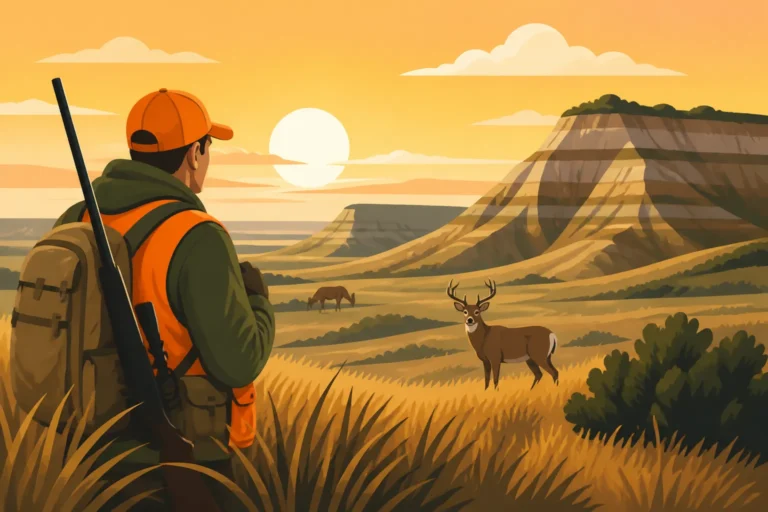
Hunting public land in North Dakota can often feel like solving a complex puzzle, especially when you're looking beyond the well-known PLOTS tracts. One area that holds immense potential, but often comes with its own set of unique challenges, is the Sheyenne National Grassland. This guide will walk you through everything you need to know to successfully plan and execute a hunt in this truly special slice of North Dakota's diverse landscape, helping you navigate its distinct tallgrass prairie habitat, understand its regulations, and make the most of its hunting opportunities.
Understanding the Sheyenne National Grassland
The Sheyenne National Grassland stands as a truly unique ecological marvel in southeastern North Dakota, a place often overlooked by hunters focused on the Badlands or the prairie pothole region further west. Unlike the vast, rugged badlands of western North Dakota or the mosaic of agricultural fields and sloughs found across much of the state, Sheyenne offers a rare expanse of original tallgrass prairie, interspersed with sandhills, oak savannas, and woodlands. This isn't just another patch of public ground; it's a living relic of what much of the American prairie once was, meticulously managed by the U.S. Forest Service. Its ecology dictates everything from the game species you'll encounter to the tactics you'll employ, making it a distinctly different hunting experience.
What Makes Sheyenne Unique
Imagine stepping into a sea of waist-high big bluestem and switchgrass, dotted with bur oak trees and rolling sand dunes—that's the Sheyenne. This isn't your typical shortgrass prairie. The tall, dense cover can make for incredibly challenging hunting, often requiring different strategies than those used in more open environments. This thick vegetation provides exceptional cover for whitetail deer, pheasants, and sharp-tailed grouse, allowing them to disappear just yards in front of you. The sandy soils and undulating terrain, remnants of ancient glacial activity, also create unique microclimates and habitats, supporting a diversity of flora and fauna not commonly found elsewhere in the state. Understanding this unique ecosystem is the first step to unlocking its hunting potential. The density of the cover means scent control and silent movement are paramount, as deer can be extremely close before you even know they are there.
Brief History and Management
The Sheyenne National Grassland’s story is one of resilience and restoration. In the early 20th century, much of this land, originally settled by homesteaders, proved unsuitable for conventional agriculture due to its sandy soils and erratic rainfall. During the Dust Bowl era, the federal government acquired these failing farmlands under the Bankhead-Jones Farm Tenant Act. The goal was to rehabilitate the land, primarily through reforestation and re-establishing native grasses, eventually designating it as a National Grassland. Today, it's managed by the U.S. Forest Service with a multi-use philosophy, balancing conservation, grazing, recreation, and, crucially for us, hunting. This management includes prescribed burns, rotational grazing, and timber stand improvements in the oak areas, all of which influence habitat conditions for game. Hunters benefit directly from these efforts, as good habitat management translates to healthier game populations. The Forest Service collaborates with the North Dakota Game and Fish Department to ensure hunting opportunities align with broader wildlife goals.
Game Species and Hunting Opportunities
The Sheyenne National Grassland, with its unique blend of tallgrass prairie, oak savanna, and riparian areas along the Sheyenne River, offers a diverse array of hunting opportunities. While it might not boast the same trophy potential as some other regions for certain species, it provides a quality, challenging hunt for several popular game animals. Understanding what lives here and where they tend to be will significantly increase your odds of success. From the elusive whitetail deer to the bursting flush of a pheasant, Sheyenne has something for many hunters.
Deer Hunting in Sheyenne
White-tailed deer are the undisputed kings of the Sheyenne National Grassland when it comes to big game. The dense, tall grasses provide unparalleled bedding cover, making them masters of disappearing acts. The scattered oak stands and river bottomlands offer crucial browse and escape routes. Hunting these deer often means still-hunting through thick cover, slowly picking apart the landscape, or setting up on pinch points between different habitat types. Unlike open prairie hunting where long-range glassing is key, Sheyenne deer hunting is a close-quarters affair. You'll often jump deer at spitting distance, making quick, instinctive shots a necessity. Bowhunters, in particular, find the thick cover advantageous for stalking and ambushing deer along trails or near water sources. Rifle hunters need to be acutely aware of their backdrop and shot angles due to the rolling terrain and dense vegetation. Focus on areas where the oak woodlands meet the tallgrass, or along the meandering Sheyenne River corridor, as these provide diverse food and cover. Hunting a Shelterbelt Edge for Deer offers similar close-quarters challenges, though the habitat differs slightly.
Upland Bird Prospects
For upland bird enthusiasts, the Sheyenne National Grassland is a true gem, especially for ring-necked pheasants and sharp-tailed grouse. The vast expanses of tallgrass prairie are ideal pheasant habitat, offering both nesting cover and protection from predators. Flushing a rooster from a dense patch of switchgrass after a long walk is a truly rewarding experience. Sharp-tailed grouse, native to these prairies, can also be found, often preferring slightly drier, more open pockets within the tallgrass. Hungarian partridge are less common but can be encountered along field edges or where the grassland transitions to agricultural land. Hunting upland birds here demands strong legs and a good dog, if you have one. Walking zig-zag patterns through the tall cover, especially against the wind, can help you cover ground efficiently and maximize scent detection for your dog. Consider hunting the edges where different habitat types meet, such as where a grazed pasture borders a dense stand of tallgrass, as birds often use these transition zones. Walking North Dakota PLOTS Land for Pheasant highlights similar strategies for covering ground for these birds.
Other Small Game and Predators
Beyond deer and upland birds, the Sheyenne National Grassland supports a variety of other small game and predators, offering additional hunting opportunities. Cottontail rabbits and jackrabbits are present, often found in denser brushy areas or along the edges of woodlands. Squirrels, particularly fox squirrels, inhabit the oak stands along the river and in larger timber pockets. For those interested in predator hunting, coyotes are abundant and can offer an exciting challenge. Their keen senses make them difficult to call in, but the varied terrain of Sheyenne, with its draws and timber, can provide good concealment for calling setups. Coyote Calling North Dakota Farm Country shares some general strategies, though the specific terrain might vary. It’s always worth checking the regulations for specific seasons and bag limits for all small game and predator species before heading out. The dense cover can also make tracking wounded game, whether small or large, particularly challenging, emphasizing the need for good shot placement.
| Game Species | Primary Habitat | Hunting Challenge | Best Time to Hunt |
|---|---|---|---|
| White-tailed Deer | Tallgrass, Oak Savanna, River Bottoms | Close-quarters, Thick Cover | Archery & Gun Season Peak Rut |
| Ring-necked Pheasant | Dense Tallgrass Prairie | Flushing, Strong Walk | Late Fall, Early Winter |
| Sharp-tailed Grouse | Open Tallgrass Prairie Pockets | Spotting, Fast Flush | Early Fall |
| Coyote | Throughout Grassland, Draws, Edges | Calling, Concealment | Winter |
| Cottontail/Jackrabbit | Brushy Areas, Timber Edges | Spotting in Cover | Winter |
Navigating Access and Regulations
Hunting the Sheyenne National Grassland isn't just about knowing where the animals are; it's equally about understanding where you can go and what you can do once you're there. As a federally managed landscape, it operates under a specific set of rules that differ from state-owned Wildlife Management Areas (WMAs) or private PLOTS land. Misunderstanding these regulations can quickly turn a promising hunt into a frustrating, or even illegal, situation. Being prepared means being informed.
Permitted Access and Vehicle Use
Accessing the Sheyenne National Grassland generally means utilizing designated roads and trails. The U.S. Forest Service places a strong emphasis on protecting the fragile prairie ecosystem, which means off-road vehicle travel is highly restricted, if not entirely prohibited, in many areas. You'll often find signage indicating which routes are open to motorized vehicles and which are closed or designated for administrative use only. Hunters should expect to do a significant amount of walking. This is often a blessing in disguise, as it helps filter out some of the casual pressure and pushes you into areas less disturbed by other hunters. Before you go, it's critical to acquire a detailed map of the Grassland, often available from the U.S. Forest Service office or through mapping apps. Services like onX Hunt are invaluable for clearly delineating open roads, trails, and public land boundaries, ensuring you stay on the right side of the law and avoid accidental trespass. Respecting these vehicle restrictions is not only about legal compliance but also about preserving the integrity of the habitat for future generations of wildlife and hunters.
Understanding Specific Grassland Rules
Beyond general access, there are specific rules that govern activities on the National Grassland that hunters need to be aware of. For instance, the placement of permanent tree stands or ground blinds might be restricted, or they might be required to be removed daily. Baiting is also typically prohibited on federal lands like the Grassland, a rule that many hunters coming from private land might overlook. North Dakota Baiting Restrictions on National Grasslands explicitly covers this. Discharging firearms within certain distances of roads, recreation sites, or occupied dwellings is also a common safety regulation. Camping, which can be an integral part of a multi-day hunt, usually has designated areas or specific rules regarding duration and impact. Always check the current U.S. Forest Service guidelines for the Sheyenne National Grassland, as rules can occasionally be updated or modified. Don't assume that what applies to state public land applies here; always verify.
Importance of Current Regulations
The regulatory landscape can be dynamic, with changes occurring due to environmental conditions, wildlife population trends, or management objectives. Relying on outdated information is a recipe for trouble. Before every season, and ideally before you even start scouting, you should consult the most current North Dakota Game and Fish Department hunting proclamation, as well as the specific regulations for the Sheyenne National Grassland from the U.S. Forest Service. This means checking both state and federal rules. These documents will provide precise dates, bag limits, weapon restrictions, and any special unit-specific rules that may apply. Ignorance of the law is never an excuse, and game wardens are diligent in enforcing regulations to protect the resource. Many experienced hunters find platforms like GoHunt useful for staying current on regulations and drawing odds across different states, including North Dakota. Taking the time to read and understand these rules will safeguard your hunt and ensure you're contributing to responsible wildlife management.
Gear and Tactics for Sheyenne Hunters
Hunting the Sheyenne National Grassland demands a thoughtful approach to gear and tactics that acknowledges its unique environment. This isn't a place for shortcuts or ill-preparedness; the tallgrass prairie can be both beautiful and brutal, hiding game expertly and testing your physical limits. What you wear, what you carry, and how you approach the hunt will directly influence your success and comfort.
Footwear and Clothing for Tallgrass
Comfortable and durable footwear is absolutely non-negotiable when hunting the Sheyenne National Grassland. Expect to walk, and walk a lot, often through uneven terrain and dense, sometimes wet, tallgrass. Waterproof boots with good ankle support are essential to protect against dew, unexpected sloughs, and potential twists or falls. Leather or synthetic boots that come up past your ankles will offer the best protection. For clothing, layering is key, as prairie weather can change dramatically throughout the day. Start with moisture-wicking base layers, add insulating mid-layers, and top it off with a quiet, waterproof, and windproof outer shell. Given the thick cover, blaze orange requirements for firearm deer seasons are particularly important for hunter safety. Even during archery seasons or for upland birds, wearing some visible orange is a wise precaution. The tallgrass can feel like a labyrinth, and being seen by other hunters is paramount. Consider rugged pants or chaps to protect your legs from abrasive grass seeds, burrs, and thorns.
Hunting Strategies for Open Prairie
The phrase "open prairie" in Sheyenne is a bit of a misnomer; it's more like "expanses of tall, dense cover." This demands specific hunting strategies. For deer, still-hunting slowly and quietly into the wind, stopping frequently to glass ahead and listen, can be effective. Look for subtle movements, horizontal lines that don't belong, or flashes of white tail. Using ground blinds in natural depressions or at pinch points where oak stands meet the prairie can also be successful, especially during the rut. For upland birds, systematic walking patterns are crucial. Work areas thoroughly, especially along draws, creek bottoms, and the edges of oak thickets. If you have a dog, let them work the wind, but keep them close enough that you can get a shot when a bird flushes. Without a dog, expect to bust birds at your feet, so be ready for quick reactions. Rattling and decoying can work for deer, particularly in the oak savannas, but the dense cover limits visibility, so call volumes might need to be adjusted. Rattling Volume on the Open Prairie provides more detail on this. Utilize the mapping capabilities of onX Hunt to identify subtle changes in elevation, small pockets of timber, or water sources that might concentrate game.
Navigation Tools and Safety Gear
The Sheyenne National Grassland, for all its beauty, can be disorienting. The seemingly endless tallgrass can make landmarks difficult to distinguish, and draws can appear similar. A reliable GPS device or a mapping app like onX Hunt on your phone is an absolute must-have. Download offline maps before you go, as cell service can be spotty or non-existent in many areas. Carry a compass and a physical map as a backup. Beyond navigation, always carry a small first-aid kit, a headlamp, extra batteries, a knife, fire-starting materials, and sufficient water and snacks. The vastness of the grassland means help can be a long way off. Let someone know where you're going and when you expect to return. A whistle can be invaluable for signaling if you get lost or need assistance. Given the remote nature of some areas, consider a personal locator beacon (PLB) or satellite messenger for emergencies. Staying found and safe is just as important as finding game.
Planning Your Sheyenne Hunt
A successful hunt on the Sheyenne National Grassland starts long before you ever set foot in the tallgrass. It requires diligent planning, research, and an understanding of the conditions unique to this remarkable area. Rushing into a hunt here without proper preparation is a recipe for frustration and potentially a missed opportunity.
Pre-Season Scouting and Research
Pre-season scouting is absolutely vital for hunting the Sheyenne. Because the tallgrass can hide so much, knowing the terrain and potential game movements before the season begins gives you a huge advantage. Utilize aerial imagery from tools like onX Hunt or GoHunt to identify potential bedding areas in dense cover, travel corridors between oak stands, water sources, and pinch points. Look for historical game sign, like old rubs or scrapes, even if you’re scouting in the off-season. Ground scouting, if possible, is even better. Walk some of the areas you've identified, paying attention to prevailing winds, natural funnels, and escape routes. The Sheyenne River and its tributaries, as well as the small intermittent drainages, are always worth checking for deer sign. For upland birds, look for varied cover—areas with a mix of tall grass, brush, and maybe some scattered timber. The more you know about the specific area you plan to hunt, the better equipped you'll be when the season opens. Scouting PLOTS Land Before Season provides general scouting tips that can be adapted for the Grassland.
Timing Your Visit
The timing of your Sheyenne hunt can significantly impact your experience and success, especially considering the diverse species available. Early archery season for deer often means dealing with dense foliage and warmer temperatures, making mid-day movement less likely. The late October to mid-November timeframe during the deer rut can be particularly productive, as bucks are on the move searching for does. For pheasants and sharp-tailed grouse, the season generally opens in early fall. Early season hunts can be very productive before heavy hunting pressure disperses birds, but the cover will still be extremely thick. Later in the fall, after a few frosts or light snowfalls, some of the tallgrass might flatten out, making walking easier and birds more concentrated around remaining cover or food sources. Understanding the nuances of each season and game behavior during those times is paramount. For example, Hunting the Rut in Early-to-Mid November is a prime time for Sheyenne whitetails.
Camping and Accommodations
For hunters looking to immerse themselves fully in the Sheyenne experience, camping on the National Grassland is often an option. The U.S. Forest Service typically allows dispersed camping in many areas, but there are usually rules regarding duration, fire restrictions, and leaving no trace. Always check with the local Forest Service office for current camping regulations and any fire bans that might be in place. If you prefer more amenities, there are often primitive campgrounds within or adjacent to the Grassland, sometimes with vault toilets and picnic tables. Nearby towns, though few and far between, might offer basic motel accommodations, but don't expect lavish lodges. Planning your accommodation well in advance, especially during popular hunting seasons, is a smart move. Remember, a comfortable camp can significantly improve a multi-day hunt, allowing you to rest and recharge for the next day's efforts in the challenging tallgrass. National Grassland Camping Near Your Stand offers further insights into setting up camp responsibly.
Challenges and Considerations
Hunting the Sheyenne National Grassland is an adventure, but like any backcountry pursuit, it comes with its share of challenges. Being aware of these potential hurdles allows you to prepare effectively, mitigate risks, and ensure a safer, more enjoyable experience. From dealing with other hunters to navigating unpredictable weather, a realistic perspective is key.
Dealing with Hunting Pressure
While not as heavily pressured as some easily accessible state-owned lands, the Sheyenne National Grassland does attract its fair share of hunters, especially during peak deer and pheasant seasons. The vastness of the area can spread people out, but popular access points and promising habitat pockets can still see significant activity. Dealing with hunting pressure means being flexible and willing to walk further than most. Many hunters will stick close to roads and designated trails; by venturing deeper into the grassland, you significantly increase your chances of finding undisturbed game. Early mornings and late evenings, or hunting mid-week, can also help you avoid the crowds. Communication and courtesy with other hunters are always important. A simple wave or a quick chat can go a long way in ensuring everyone has a positive experience. Remember, everyone is out there to enjoy the outdoors, and respecting other users is part of responsible hunting.
Weather Woes on the Prairie
North Dakota weather is notoriously unpredictable, and the Sheyenne National Grassland is no exception. Conditions can shift rapidly from calm and sunny to windy and cold, or from dry to a muddy mess. High winds are a common feature of the prairie, making long shots challenging, affecting game movement, and amplifying cold temperatures. Rain can turn sandy trails into impassable sticky mud, potentially stranding vehicles. Snow can be a boon for tracking but can also make access difficult and increase the risk of hypothermia if you're not properly dressed. Always check the forecast before you head out, and pack extra layers, rain gear, and emergency supplies. Be prepared to adapt your hunting plans to the conditions. A bluebird day might be great for walking, but a blustery, overcast day could be perfect for pushing deer out of dense cover. Hunting Into a December Cold Snap details some strategies for severe weather, but the core message is preparedness.
CWD and Other Game Management Concerns
Chronic Wasting Disease (CWD) is a significant concern for deer populations across North Dakota, and hunters on the Sheyenne National Grassland should be well-informed. While specific CWD prevalence rates might vary by unit, understanding how to handle harvested animals, particularly regarding carcass transportation restrictions, is crucial. The North Dakota Game and Fish Department provides up-to-date information on CWD management areas and mandatory testing requirements. If you harvest a deer in a CWD-positive unit, be prepared to submit samples for testing. Beyond CWD, hunters should be aware of other potential game management issues, such as EHD (Epizootic Hemorrhagic Disease) outbreaks, which can impact deer numbers during dry, hot summers. Being a responsible hunter includes being part of the solution by adhering to regulations, reporting sick animals, and staying informed about wildlife health. North Dakota's Expanding CWD Hunting Units provides broader context for this critical issue.
Respecting the Land and Other Users
Hunting on public land like the Sheyenne National Grassland isn't just about pursuing game; it's about being a steward of the land and a respectful participant in the shared outdoor experience. Your actions have a direct impact on the environment, the wildlife, and other users. Adhering to ethical practices and Leave No Trace principles ensures that the Grassland remains a pristine and productive hunting ground for everyone, now and in the future.
Minimizing Your Impact
The phrase "Leave No Trace" is more than just a catchy slogan; it's a set of principles designed to minimize human impact on natural environments. For hunters on the Sheyenne, this means packing out everything you pack in, including spent shell casings, food wrappers, and any other trash. If you're gutting an animal, do so away from trails and water sources, and scatter the remains to facilitate natural decomposition. Avoid damaging vegetation unnecessarily, and stick to established trails and roads whenever possible to prevent erosion. When scouting, minimize disturbance to game, especially during sensitive times like fawning season. The beauty of the Sheyenne lies in its wildness, and it's our collective responsibility to keep it that way. Every piece of litter or sign of human carelessness detracts from the experience for everyone else.
Interacting with Other Recreationists
The Sheyenne National Grassland is a multi-use area, meaning hunters will often share the land with hikers, birdwatchers, horseback riders, and other outdoor enthusiasts. Courteous and respectful interactions are paramount. If you encounter non-hunters, make an effort to be visible and let them know you are hunting. This prevents surprises and promotes understanding. Keep your dogs under control, especially if they are bird dogs, to avoid disturbing other users or their pets. Avoid taking shots in areas where other recreationists are present, and always be aware of your surroundings and backdrops. Educating non-hunters about safe and ethical hunting practices can also help foster positive relationships. Remember that public land is for everyone, and our actions as hunters reflect on the entire hunting community. A positive interaction can bridge gaps and build support for hunting access.
Fire Safety and Prevention
Given the vast expanses of dry grass, fire safety on the Sheyenne National Grassland is a critical concern, especially during dry seasons. A single spark from a vehicle, a carelessly discarded cigarette, or an unextinguished campfire can quickly escalate into a devastating wildfire that destroys habitat, threatens wildlife, and endangers human lives. Always be aware of current fire danger ratings and any fire bans issued by the U.S. Forest Service. If fires are permitted, ensure your campfire is completely out—cold to the touch—before you leave it. Carry a shovel and water to extinguish any embers. Be careful when operating vehicles in tall, dry grass, as hot catalytic converters can ignite fires. Parking on bare ground or paved surfaces, if available, is always preferable. Responsible fire prevention is not just a rule; it's a moral obligation to protect this irreplaceable ecosystem.
Comparing Sheyenne to Other Public Lands
North Dakota offers a diverse array of public hunting lands, each with its own characteristics, challenges, and opportunities. Understanding how the Sheyenne National Grassland stacks up against other popular public land types can help you decide if it’s the right fit for your hunting goals and preferred style. It’s not necessarily better or worse than other options, just different.
Sheyenne vs. PLOTS and WMAs
When you think of public land in North Dakota, PLOTS (Private Land Open To Sportsmen) and State Wildlife Management Areas (WMAs) often come to mind first. These are typically smaller, more fragmented tracts, often interspersed within agricultural landscapes. PLOTS lands are private lands leased by the state, providing public access, and can range from small shelterbelts to large blocks of native grass or crop stubble. WMAs are state-owned and managed for wildlife, often featuring a mix of habitat types.
The Sheyenne National Grassland, by contrast, offers a much larger, contiguous block of truly wild prairie. While PLOTS and WMAs might offer easier access and often have higher densities of certain game (like pheasants in localized pockets), they also tend to experience higher hunting pressure due to their accessibility. Sheyenne requires more effort to penetrate, but in return, it offers a more expansive, immersive, and often less crowded experience once you get away from the roads. Public Hunting Land in North Dakota provides an overview of these various land types. For hunters seeking a genuine backcountry feel without venturing out of state, the Sheyenne offers something closer to that ideal than most other options in North Dakota.
Sheyenne vs. Little Missouri National Grassland
Another prominent federal land in North Dakota is the Little Missouri National Grassland, located in the rugged Badlands of western North Dakota. This comparison highlights two very different "grassland" experiences. The Little Missouri is characterized by its dramatic badlands topography—steep coulees, buttes, and deeply cut draws—with mixed-grass prairie, sagebrush, and scattered juniper. It's prime mule deer and elk country, offering vast vistas and challenging terrain.
Sheyenne, on the other hand, is a tallgrass prairie and sandhills ecosystem, generally much flatter with rolling dunes, dense grass, and scattered oak woodlands. While both are National Grasslands managed by the U.S. Forest Service, their ecologies and the hunting experiences they offer are worlds apart. Little Missouri is known for glassing at long distances and spot-and-stalk hunting for mule deer. Sheyenne is more about still-hunting through thick cover, listening for deer, or systematically walking for upland birds. If you're dreaming of big mule deer, the Little Missouri is your destination; if you're after whitetails and pheasants in a unique tallgrass environment, Sheyenne is the place. Hunting North Dakota's Little Missouri National Grassland delves deeper into that region. Each offers a distinct flavor of North Dakota hunting.
Disclaimer
This article is for general informational purposes only and does not constitute professional advice. Laws, prices and regulations vary by location and change over time. Consult a qualified professional for guidance on your specific situation.