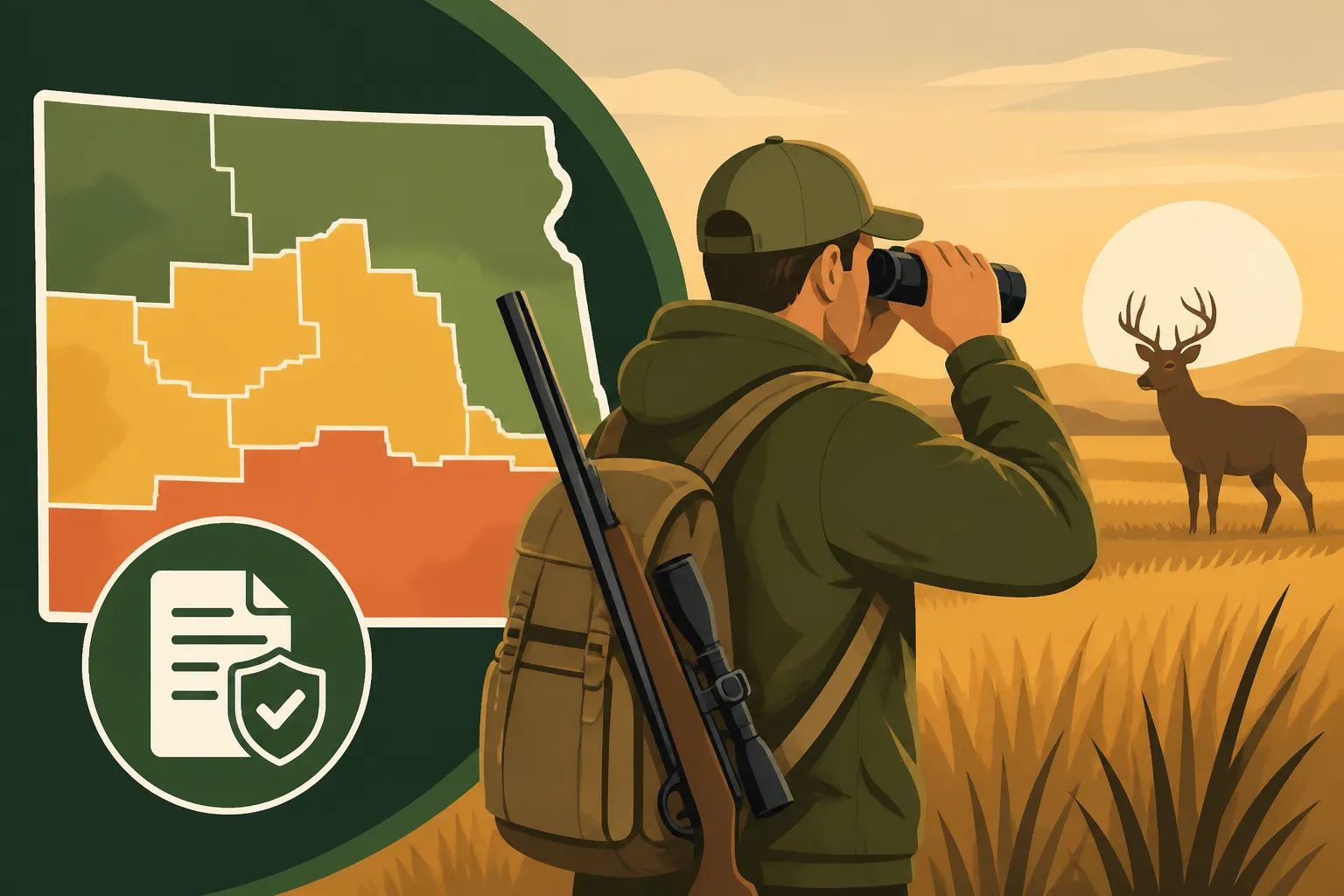
Zone-Restricted License Logistics for Booked Hunts
Navigating North Dakota's unique nonresident waterfowl license restrictions can feel like trying to hit a fast-flying teal with a slingshot—frustrating, confusing, and if you get it wrong, you miss out entirely. This guide aims to clear up the muddy waters around the zone-restricted license, helping you understand the rules, plan your hunt, and work seamlessly with outfitters to make your North Dakota waterfowl trip a success.
Understanding North Dakota's Zone-Restricted Nonresident Waterfowl License
For many nonresident hunters, the dream of North Dakota's vast prairie potholes teeming with ducks and geese is a powerful draw. However, the state has a specific license structure for nonresidents targeting migratory waterfowl, which can be a real head-scratcher if you're not familiar with it. It's designed to manage hunting pressure and prioritize resident opportunities, but for an out-of-state hunter trying to book a trip, it introduces a layer of complexity that needs careful attention.
What Exactly Does "Zone-Restricted" Mean?
The term "zone-restricted" refers to a specific type of nonresident waterfowl license that dictates when and where you can hunt. It's not just a general license; it carves the state into two primary zones for nonresident hunters: the East Zone and the West Zone. More importantly, it also imposes limitations on hunting days. It’s critical to understand that this isn’t just about where you draw a line on a map; it impacts your entire hunting calendar. You’ll need to declare which zone you intend to hunt when you purchase this license, and once you choose, you're locked into that zone for the season. This means no jumping between the legendary Devils Lake area in the east and the equally renowned potholes further west on the same trip with the same license. This regulation is a direct response to the immense popularity of North Dakota's waterfowl hunting and the need to distribute nonresident impact while preserving opportunity for locals.
Why North Dakota Has These Rules
North Dakota's hunting regulations, particularly for waterfowl, are a delicate balance of conservation, resident opportunity, and nonresident access. The zone-restricted license and the specific nonresident hunting days were put in place primarily to manage nonresident hunting pressure, which can be significant given the state's reputation as a waterfowl mecca. Landowners, outfitters, and local hunters all play a part in the conversation that shapes these rules. The concept behind the nonresident restrictions, including the North Dakota's New Nonresident Waterfowl Rule, is to ensure that residents have ample opportunity to enjoy their state's resources, especially during peak migration periods. It's a way to spread out hunters and prevent overcrowding in certain hotspots. While it might seem like an extra hurdle for out-of-state visitors, it ultimately aims to protect the quality of the hunting experience for everyone in the long run by preventing overharvesting or excessive disturbance of birds.
The Impact on Nonresident Waterfowl Hunters
These restrictions aren't just bureaucratic jargon; they have very real consequences for your hunting plans. Ignoring them or misinterpreting them can lead to fines, confiscated birds, and a ruined hunt. It's not just about buying a license; it's about buying the right license for your chosen dates and location. This requires proactive research and clear communication with anyone you plan to hunt with, especially an outfitter.
Navigating the First Nine Days
One of the most significant restrictions for nonresidents is the "nine resident-priority days." What this means is that for the first nine days of the waterfowl season, nonresidents are not allowed to hunt waterfowl on any public land or publicly accessible land. This includes federal Waterfowl Production Areas (WPAs), State Wildlife Management Areas (WMAs), and even much of the PLOTS (Private Land Open To Sportsmen) program acreage specifically designated for waterfowl hunting. This is a crucial detail that often catches nonresident hunters off guard. If your dream hunt involves chasing ducks and geese on prime public ground during the season opener, you'll need to adjust your plans. Many outfitters operate on private land, which can offer an alternative during this period, but you must confirm this with your guide. Understanding What Nonresidents Can Do During the First Nine Days is paramount to avoiding a costly mistake.
Geographic Zones and Their Boundaries
As mentioned, North Dakota is divided into two nonresident waterfowl hunting zones: the East Zone and the West Zone. When you purchase your North Dakota's Zone-Restricted Waterfowl License, you select one of these zones, and you're committed to it for the season. The exact boundary generally runs north to south, often along highways or county roads, effectively splitting the prime hunting habitat. The East Zone might encompass areas like Devils Lake, known for its incredible goose hunting, while the West Zone covers vast stretches of the prairie pothole region. This means if your outfitter operates in one zone, you cannot purchase a license for the other and expect to hunt with them. It’s crucial to look at a map and understand these boundaries. Using mapping tools, perhaps through a platform like GoHunt, to visualize these boundaries will be invaluable. Double-checking your outfitter's location against the official zone map before committing to a license purchase is a non-negotiable step.
Choosing and Booking an Outfitter with the Zone Restrictions in Mind
Successfully navigating North Dakota's zone-restricted license for a booked hunt starts with selecting the right outfitter. Not all outfitters are created equal, and their understanding and adherence to these rules are critical. A good outfitter will be upfront about the restrictions and help you plan accordingly.
Vetting Outfitters for Compliance
When you're researching potential outfitters, especially if you're looking through platforms like BookYourHunt, you need to ask very specific questions about their operations and how they handle nonresident licenses. Don't just assume they know or that all their offerings are compliant with your specific license type. Confirm which zone they operate in—East or West—and ensure it aligns with the zone you intend to select on your license. Ask about their access during the initial resident-priority days. Do they primarily hunt private land? If so, is that private land accessible to nonresidents during those first nine days? A reputable outfitter will have clear answers and be able to explain how they navigate these regulations. They should be able to tell you exactly when and where they can legally take you hunting. This due diligence protects both you and the outfitter from potential legal issues. It's not just about finding a good hunt, but a legal one.
Planning Your Hunt Dates Strategically
With the nonresident restrictions, particularly the Which Nine Days Are Resident-Only for Waterfowl, strategic date planning becomes paramount. If your primary goal is to hunt during the early season, you must plan around those initial resident-only days. This often means booking your trip to start on the tenth day of the waterfowl season or later. Many nonresident hunters choose to target later segments of the season when birds are further along in their migration and the initial public land restrictions have lifted. Your outfitter will have specific advice on this, often suggesting dates that align with favorable migration patterns and legal nonresident access. Discussing season opener dates, migration forecasts, and the nine-day exclusion period early in your conversations with an outfitter can save a lot of headaches later on. Be flexible with your dates if possible, as this will open up more opportunities and ensure you're hunting legally.
Logistical Considerations Beyond the License
Once you've got your zone and dates sorted, and your outfitter is booked, there are still practical logistics to consider to ensure a smooth North Dakota waterfowl hunt. These often tie back into the license requirements and your chosen zone.
Permit Requirements and Proof of License
Beyond your actual zone-restricted waterfowl license, you'll need other permits and certifications to legally hunt migratory birds in North Dakota. This includes a valid North Dakota hunting license, a Federal Duck Stamp, and HIP (Harvest Information Program) certification. You absolutely must carry proof of all these licenses and permits with you while hunting. Digital copies on your phone are often acceptable, but having a physical copy or screenshot readily available is a smart backup, especially in areas with spotty cell service. Game wardens in North Dakota are diligent, and they will check. Don't risk having your hunt cut short because you left a crucial document back at the lodge. Make a checklist and ensure everything is printed, saved, or loaded onto your device before you leave for the field each day.
Transportation and Gear within Zones
Your chosen zone impacts more than just where you hunt; it can influence your travel logistics. If you fly into Bismarck or Fargo, but your outfitter is in the far West Zone, you'll need to factor in significant travel time. Consider how you'll transport your firearms, ammunition, and other gear across the state, adhering to all state and federal laws. If you're driving, ensure your route stays within or effectively allows you to access your declared zone without unintended diversions into the other. Outfitters often handle much of the in-field transportation, but getting to their lodge or meeting point from the airport or your lodging is your responsibility. This is especially true if you are doing a self-guided hunt; you need to understand road access and vehicle rules and on various types of public land. Think about how your decoy spread, blinds, and other equipment will fit into your travel plan.
Common Mistakes and How to Avoid Them
It’s easy to get caught up in the excitement of planning a hunt and overlook crucial details. However, with North Dakota's specific nonresident waterfowl rules, overlooking those details can turn an eagerly anticipated trip into a regrettable experience. Learning from others' mistakes can save you a lot of trouble.
Misinterpreting Zone Boundaries
One of the most frequent errors nonresident hunters make is misinterpreting the exact boundaries of the East and West Zones. The boundary isn't always a neatly marked line on the ground, and a quick glance at a general map might not reveal the precise legal distinction. An outfitter might operate near the border of two zones, but if you have the wrong license, you're out of luck. Relying solely on a verbal description can be risky. Always consult the official North Dakota Game and Fish Department maps which clearly delineate these boundaries. Print them out, load them onto your GPS device, and discuss them explicitly with your outfitter. Even if your outfitter is impeccable, understanding the rules yourself provides an extra layer of protection and confidence, especially when you are Hunting a North Dakota Prairie Pothole Slough Edge or other specific locations.
Overlooking Resident-Only Days
The nine resident-priority days are perhaps the biggest pitfall for nonresident waterfowl hunters. Many assume that if they book an outfitter, all days are fair game. This is not true for public land or publicly accessible PLOTS land. If your outfitter plans to hunt a WPA, WPA easement, or any PLOTS parcel during these initial nine days, and you are a nonresident, you will be in violation. Always clarify with your outfitter: "Will our hunt days fall within the nonresident public land restriction period?" If the answer is yes, then you need to confirm that all hunting will occur on private land where nonresident access is permitted during that time. If in doubt, shift your hunt dates. It's far better to miss a few days of potential hunting than to incur fines and legal issues. Being aware of What the Zone-Restricted License Requires also clarifies the types of land where these restrictions apply.
Making the Most of Your North Dakota Waterfowl Adventure
Despite the complexities, a North Dakota waterfowl hunt is an unforgettable experience. With proper planning and a clear understanding of the zone-restricted license, you can focus on the incredible hunting opportunities the state offers. Don't let the paperwork overshadow the thrill of the migration.
Embracing Flexibility and Research
The key to a successful nonresident waterfowl hunt in North Dakota, particularly with the zone-restricted license, is a combination of thorough research and a flexible mindset. Laws and regulations can change, so always check the most current North Dakota Game and Fish Department waterfowl guide before your trip. Being adaptable with your dates, understanding the different zones, and communicating openly with your outfitter will make all the difference. Don't be afraid to ask questions, even if they seem basic. It's better to be over-informed than under-prepared. A well-researched and flexible approach will ensure that you maximize your opportunities under the current regulations, whether you're trying Decoying Divers on North Dakota's Lake Sakakawea or Layout Blind Hunting Devils Lake Fields.
Beyond the License: Enjoying the Experience
While the license logistics are important, remember the bigger picture: the incredible waterfowl hunting that North Dakota offers. From the crisp prairie mornings to the skies filled with ducks and geese, it’s a truly special place. Your efforts in understanding the North Dakota Duck and Goose Bag Limits and other regulations ensure that you're contributing to sustainable hunting practices. Once you've got the bureaucratic hurdles cleared, you can immerse yourself in the experience. The camaraderie, the breathtaking sunrises, the thrill of birds cupping into the decoys – these are the moments that truly define a North Dakota waterfowl hunt. So, plan meticulously, hunt ethically, and savor every moment on the prairie.
Here's a quick summary table of key nonresident waterfowl license considerations:
| Feature | East Zone | West Zone | Nonresident-Specific Rules |
|---|---|---|---|
| Zone Choice | Declared at license purchase; valid only for East Zone | Declared at license purchase; valid only for West Zone | Cannot hunt both zones on the same license. |
| Public Land Access | Restricted for first nine days of waterfowl season | Restricted for first nine days of waterfowl season | No hunting on public or publicly accessible land (PLOTS, WPA, WMA) for the first 9 days of season. |
| Private Land Access | Generally permitted with permission, including during resident-priority days | Generally permitted with permission, including during resident-priority days | Always requires landowner permission. Outfitters typically operate on leased private land. |
| License Type | North Dakota's Zone-Restricted Waterfowl License | North Dakota's Zone-Restricted Waterfowl License | Must also have a North Dakota Hunting License, Federal Duck Stamp, and HIP certification. Consider North Dakota Nonresident Combination License Options. |
| Outfitter Alignment | Outfitter must operate within the East Zone | Outfitter must operate within the West Zone | Confirm your outfitter's zone and operational dates align with your license and the regulations. |
| Key Planning Point | Schedule hunt after resident-priority days for broader public land access. | Schedule hunt after resident-priority days for broader public land access. | Verify all hunting locations are legal for nonresidents on your chosen dates. |
Disclaimer
This article is for general informational purposes only and does not constitute professional advice. Laws, prices and regulations vary by location and change over time. Consult a qualified professional for guidance on your specific situation.