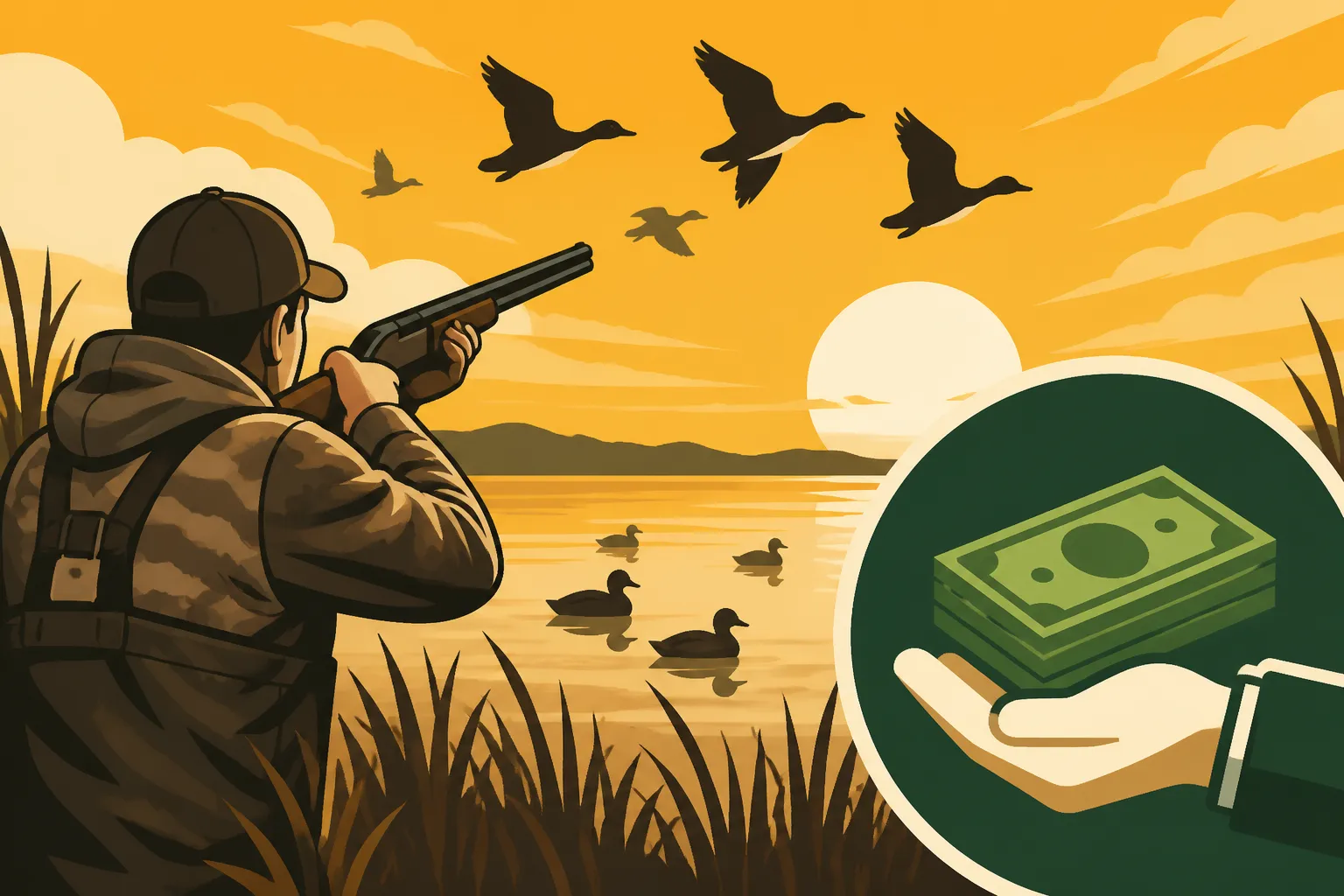
Day Rate for a Devils Lake Waterfowl Guide
You've set your sights on the legendary Devils Lake for a waterfowl hunt, dreaming of ducks cupped over decoys or geese piling into a field. It's an incredible destination, no doubt. But for many, the sheer scale of the water, the ever-changing habits of the birds, and the unique challenges of hunting this iconic prairie fishery can feel overwhelming. That's where a local guide comes in, offering a shortcut to success, but it naturally begs the question: what exactly does a day rate for a Devils Lake waterfowl guide entail, and is it truly worth the investment? This guide will break down the costs, benefits, and considerations so you can make an informed decision for your North Dakota adventure.
Understanding What a Waterfowl Guide Day Rate Covers at Devils Lake
When you start looking into booking a Devils Lake waterfowl guide, the "day rate" is usually the first number you encounter. But like a duck hitting the water, there's more beneath the surface than what you initially see. It's not just about paying for someone to take you out; it's about what services and amenities are bundled into that price, and what you'll still be responsible for. Understanding these details upfront can save you from unexpected costs and ensure your hunt goes smoothly.
The Core Services Included in a Standard Day Rate
Most reputable Devils Lake waterfowl guides offer a pretty comprehensive package within their standard day rate. Think of it as your all-access pass to their expertise and equipment for the day. This typically includes the guide's time and knowledge, which is invaluable on a body of water as dynamic as Devils Lake. They know the current bird patterns, recent migrations, and how weather fronts are affecting flight paths. They've likely spent countless hours scouting Hunting a Devils Lake Flooded Field or patterning geese on the surrounding agricultural lands.
Beyond their expertise, you can almost always expect the guide to provide the necessary gear to put you in a position to shoot birds. This means a full spread of high-quality decoys, ranging from floating duck decoys for marsh hunting to full-body goose decoys for field setups. You won't have to haul your own massive bags of blocks. Blinds are also a standard inclusion, whether it's layout blinds brushed into a field for geese, portable panel blinds along a slough edge, or even a boat blind for open water hunts. Transportation to and from the hunting location, usually starting from a predetermined meeting spot, is also part of the deal. Many guides use specialized vehicles like UTVs or large trucks with trailers to access remote fields or shallow water. They handle the logistics, from pre-dawn setup to post-hunt take-down, letting you focus solely on the hunting experience.
Common Exclusions and Hidden Costs to Anticipate
While a guide's day rate covers a lot, it's rare for it to include absolutely everything. There are several common exclusions that you should always clarify before booking to avoid any surprises. The first, and arguably most important, is your hunting licenses and stamps. You'll need to purchase your North Dakota hunting license, a general game and habitat license, and a federal duck stamp, along with the necessary state migratory bird stamps and Harvest Information Program (HIP) certification. For nonresidents, this also includes navigating the North Dakota's Zone-Restricted Waterfowl License rules. These are personal expenses and always fall on the hunter.
Ammunition is another item almost universally excluded. Guides might have some extra shells on hand in a pinch, but you are expected to bring your own ample supply of non-toxic shot. Food and beverages for the day are also typically not included, so pack your own snacks, lunch, and plenty of water or coffee for those long, cold mornings. Many guides won't include bird processing beyond a basic field dressing, if even that. If you want your ducks breasted out or geese plucked, that's often an additional service or something you'll need to do yourself at a designated cleaning station. Finally, travel to and from Devils Lake, and your lodging while you're there, are always on you. It's a journey, and you'll need a place to rest your head.
Different Guide Packages and Their Offerings
Not all guide services are created equal, and day rates can reflect different package offerings. Some guides offer a bare-bones day rate that literally just covers the guide and gear for the hunt, expecting you to handle all other logistics like lodging and meals. This is often the most budget-friendly option if you're comfortable with a do-it-yourself approach to everything else.
On the other end of the spectrum, you'll find all-inclusive or multi-day packages. These can roll in lodging at a comfortable lodge, delicious home-cooked meals, bird cleaning services, and even transportation from a regional airport. While the sticker price for these packages will be significantly higher, the per-day cost might offer good value when you factor in everything included. Some guides specialize in specific types of hunts, like Decoying Divers on North Dakota's Lake Sakakawea or dedicated goose hunts over agricultural fields, which might slightly alter their standard offerings or require specialized equipment that influences the rate. Always ask for a detailed breakdown of what each package includes when comparing options.
Factors Influencing Devils Lake Waterfowl Guide Day Rates
The price you pay for a guided waterfowl hunt on Devils Lake isn't a fixed number. It's a dynamic figure, influenced by several key factors that can either increase or decrease the overall cost. Understanding these variables will help you gauge whether a quoted rate is fair and appropriate for the experience you're seeking. It’s not just about the guide’s time; it’s about timing, group size, and the quality of the operation itself.
Peak Season Versus Early or Late Season Rates
Just like hotel rooms or flights, guided hunting rates fluctuate with demand. The peak of the waterfowl migration through the North Dakota Waterfowl on the Prairie Pothole Flyway and the prime hunting conditions often coincide with higher prices. For Devils Lake, this usually means the heart of October through mid-November, when the bulk of the duck and goose migration is in full swing, and the weather is typically cooperating for good flights. Expect to pay premium rates during these weeks. Many hunters want to be there for Hunting the Rut in Early-to-Mid November for deer, but it’s also prime time for waterfowl, driving up competition for guide services.
Conversely, hunting earlier in September when local birds are still around but major pushes haven't happened, or later in December when colder temperatures and ice become a factor, might offer slightly reduced rates. While still productive, these fringe seasons often present unique challenges or different hunting styles that appeal to fewer hunters, leading to more flexible pricing. A guide might have fewer bookings, making them more willing to offer a slight discount. However, it's important to weigh the potential for a lower rate against the possibility of less consistent action, depending on the year's migration and weather patterns.
Group Size and Its Impact on Per-Hunter Cost
Most Devils Lake waterfowl guides structure their day rates to accommodate a certain number of hunters, often with a minimum group size. For example, a guide might quote a flat rate for a party of 1-4 hunters. If you have a smaller group of two, you'll effectively be splitting that flat rate between just two people, making the per-person cost higher. If you bring a group of four, the per-person cost will be lower, as you're dividing the same flat fee among more individuals.
This is a common business model because the guide's fixed costs – equipment, fuel, scouting time – remain relatively constant whether they're guiding two people or four. They still need to set out the same number of decoys, drive to the same fields, and spend the same amount of time preparing. Larger groups (within legal limits) generally lead to a more economical per-person rate. If you're hunting solo or with just one other person, it might be worth trying to join an existing partial group or seeing if the guide offers a specific rate for smaller parties, though this is less common during peak season. Some outfitters like those you might find on BookYourHunt might even offer a sliding scale, where the per-person rate decreases as the group size increases.
Guide Experience, Reputation, and Equipment Quality
Just like any professional service, the experience and reputation of your Devils Lake waterfowl guide will factor into their day rate. A seasoned guide with decades of experience, a stellar track record, and a long list of satisfied clients is likely to command a higher price than a newer guide just starting out. Their deep knowledge of Devils Lake, coupled with years of reading the birds and the weather, is a valuable asset you're paying for. You might even find established outfitters mentioned on platforms like GoHunt that have built a strong reputation over time.
Similarly, the quality and quantity of the equipment provided can influence the rate. Guides who invest in top-of-the-line layout blinds, state-of-the-art boats, large numbers of realistic decoys, and well-maintained vehicles are incurring higher operational costs, which are naturally reflected in their pricing. An outfitter running new, comfortable boats and fresh decoys will likely charge more than one working with older, well-used gear. When researching, don't be afraid to ask about their experience, what kind of equipment they use, and if they can provide references or testimonials. Sometimes, paying a little more for a highly experienced guide with excellent gear translates into a significantly better and safer hunting experience.
Beyond the Day Rate: Additional Costs to Consider for a Guided Hunt
While the guide's day rate is the biggest piece of the financial puzzle for a Devils Lake waterfowl hunt, it's far from the only cost. Hunters often overlook several crucial expenses that can quickly add up, turning an affordable-looking trip into a budget-buster if not planned for. Thinking through these additional outlays is essential for creating a realistic overall budget.
Essential Licenses, Stamps, and Certifications
As mentioned, your hunting licenses are always your responsibility. For waterfowl in North Dakota, this means several key items. First, you'll need a basic North Dakota hunting license, often paired with a general game and habitat license. Then comes the specific federal migratory bird hunting and conservation stamp (the "Duck Stamp"), which is a requirement for anyone 16 years or older hunting migratory waterfowl. On top of the federal stamp, North Dakota requires its own state migratory bird license and a Harvest Information Program (HIP) certification.
Nonresidents face additional considerations, primarily with the North Dakota's Zone-Restricted Waterfowl License. This license dictates where and when nonresidents can hunt waterfowl on public land during the early part of the season. If you're planning your trip around these restrictions or buying a specific type of nonresident waterfowl license, be prepared for these costs. For newer hunters, remember that North Dakota Hunter Education Requirements might apply depending on your age and previous certifications. These license fees can be a significant upfront cost, so factor them in before you even think about the guide.
Lodging, Meals, and Travel Expenses
Unless you've booked an all-inclusive package that explicitly states lodging and meals are covered, you'll need to budget for these separately. Devils Lake is a popular destination, and there are various lodging options ranging from hotels and motels in towns like Devils Lake or Minnewaukan to cabins and Airbnb rentals. Prices for these can vary wildly depending on the season, how far in advance you book, and the level of comfort you desire. Keep in mind that prime hunting season often overlaps with other events, driving up accommodation costs.
Food is another ongoing expense. While you'll likely pack snacks and lunch for the blind, you'll need to consider breakfast and dinner. This could mean grocery shopping and cooking at your rental, or dining out at local establishments. Don't forget travel expenses to get to Devils Lake in the first place. This includes fuel if you're driving, or flights to airports like Fargo (Hector International Airport) or Bismarck (Bismarck Municipal Airport) followed by a rental car to reach your destination. These logistics are entirely separate from the guide's services, but they are absolutely critical to your trip.
Tipping Etiquette and Expectations
Tipping your guide is standard practice in the hunting industry and is a highly anticipated part of their compensation. It's a way to express your gratitude for their hard work, dedication, and effort in making your hunt a success. While specific amounts can vary, a general guideline for a waterfowl guide is typically 15-20% of the day rate, per hunter. So, if the day rate is, say, X amount for a group of four, each hunter would calculate 15-20% of their share of X.
It’s always a good idea to bring cash for tips. You won't want to be scrambling for an ATM after a successful (and often cold!) hunt. Even if the hunting was slow, a good guide still works incredibly hard, scouting, setting up, and trying their best to put you on birds. Consider tipping based on effort and experience, not just harvest numbers. Guides rely on these tips, and it reflects directly on their professionalism and dedication. You can find more specific guidance on Standard Tip for a Waterfowl Guide to ensure you're prepared.
Is a Devils Lake Waterfowl Guide Worth the Investment? Weighing the Pros and Cons
Deciding whether to hire a Devils Lake waterfowl guide is a personal choice, often balancing budget constraints with the desire for a quality hunting experience. There are clear advantages to leveraging a local expert, but self-guiding also holds its appeal for those who prefer a more independent adventure. Let's break down the factors to consider when making this important decision.
The Undeniable Advantages of Hiring a Local Expert
For many hunters, especially those new to Devils Lake or North Dakota, hiring a guide offers an undeniable shortcut to success and a significant reduction in stress. The most immediate benefit is access to prime hunting locations. Guides spend countless hours scouting, driving hundreds of miles to find where the birds are feeding and resting. They have the local knowledge to interpret conditions, whether it's Reading North Dakota Mud for Fresh Deer Movement (or duck movement, in this case!) or understanding how a shift in wind will affect flight patterns. This dramatically increases your chances of getting into birds compared to blindly searching public lands.
Guides also provide all the necessary, often expensive, equipment. Think about it: large spreads of decoys, specialized blinds (like Layout Blind Hunting Devils Lake Fields), boats for water access, and calls specific to the region's birds. Acquiring all this gear yourself would be a substantial investment. You also benefit from their expertise in decoy spreads, calling, and reading bird behavior. They can teach you nuances you might take years to learn on your own, making your experience richer. Moreover, guides handle all the logistical headaches of setup and tear-down, allowing you to simply arrive, hunt, and enjoy the camaraderie without worrying about retrieving decoys in the dark. For nonresidents, a guide can also help navigate the complex public land access rules for the first nine days of the waterfowl season, easing the burden of What Nonresidents Can Do During the First Nine Days.
When Self-Guiding Might Be a More Budget-Friendly Option
While a guide offers many benefits, self-guiding can certainly be a more budget-friendly option, especially if you're an experienced waterfowl hunter with a good understanding of prairie hunting dynamics. The most obvious savings come from eliminating the day rate itself. If you already own decoys, blinds, and have reliable transportation, your out-of-pocket costs for the hunt itself are primarily limited to licenses, ammunition, fuel, food, and lodging.
Self-guiding also offers a sense of independence and adventure that some hunters prefer. There's a deep satisfaction in scouting your own birds, making your own setup decisions, and calling in your own flocks. North Dakota offers vast amounts of public land through programs like PLOTS (Private Land Open To Sportsmen) and numerous Waterfowl Production Areas (WPAs), providing ample opportunity for those willing to put in the legwork. You can utilize resources like the Scouting PLOTS Land With the ND Hunt App to find accessible areas. However, be prepared to spend significant time scouting, knocking on doors for private land access, and possibly having less consistent success than with a seasoned guide.
Maximizing Your Investment in a Guided Hunt
If you decide that a guided hunt on Devils Lake is the right choice for you, there are ways to ensure you get the most out of your investment. First, communicate clearly with your guide before the hunt. Discuss your expectations, your experience level, and what species you're most interested in pursuing. A good guide will appreciate this honesty and can tailor the experience better. Ask detailed Questions to Ask a North Dakota Outfitter about what's included and excluded to avoid surprises.
Be prepared for the hunt. This means having the right clothing layers for North Dakota's notoriously unpredictable weather, bringing plenty of non-toxic ammunition, and being physically ready for potential walking or long periods in a blind. Show up on time and be ready to follow your guide's instructions. They are the expert in the field, and their advice is crucial for success and safety. Engage with your guide, ask questions, and learn from their experience. Many guides are happy to share their knowledge on everything from decoy placement to calling techniques, which can improve your skills for future hunts. Finally, remember that a guided hunt is an experience. Even on slower days, embrace the opportunity to be out in North Dakota's incredible waterfowl country.
| Aspect of Cost | Guide's Day Rate (Typical Inclusion) | Your Responsibility (Typical Exclusion) |
|---|---|---|
| Guide's Expertise | Yes | No |
| Decoys | Yes | No |
| Blinds | Yes | No |
| Transportation | To hunt site (from meeting point) | To and from Devils Lake, local lodging |
| Scouting | Yes | No |
| Licenses/Stamps | No | Yes (Federal, State, HIP, Zone-Restricted) |
| Ammunition | No | Yes |
| Meals/Drinks | Seldom (unless all-inclusive pkg) | Yes |
| Lodging | Seldom (unless all-inclusive pkg) | Yes |
| Bird Processing | Field dressing only (if any) | Yes (full cleaning, packaging) |
| Tips | No | Yes (15-20% of day rate) |
Disclaimer
This article is for general informational purposes only and does not constitute professional advice. Laws, prices and regulations vary by location and change over time. Consult a qualified professional for guidance on your specific situation.