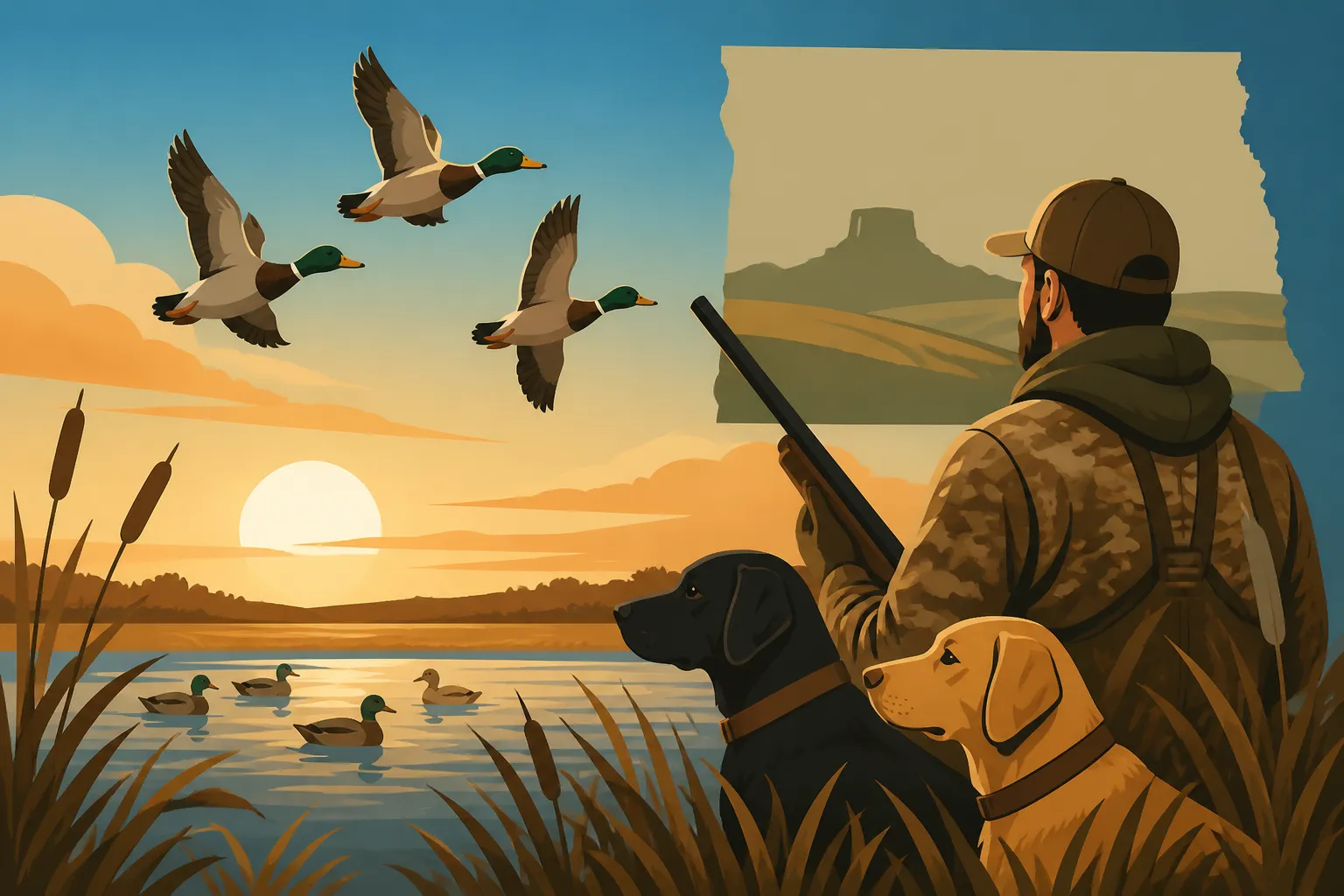
Booking a Three-Day Duck Hunting Package
Trying to plan an epic North Dakota duck hunt can feel like trying to hit a fast-flying mallard in a crosswind – exhilarating in thought, but complicated in execution. From figuring out prime locations to securing lodging and navigating local regulations, the logistics alone can quickly douse your excitement. This comprehensive guide is here to simplify that process, walking you through everything you need to know about booking a three-day duck hunting package in North Dakota, making your waterfowl dreams a stress-free reality.
What Exactly is a Three-Day Duck Hunting Package?
When you envision a duck hunting trip to North Dakota, you might picture yourself hauling decoys through a muddy field or busting ice to set up on a pothole. While that's certainly part of the adventure for many, a three-day duck hunting package takes a lot of the heavy lifting off your shoulders, offering a more streamlined and often more successful experience, especially for those new to the area or short on planning time.
Beyond Just the Hunting: The Full Experience
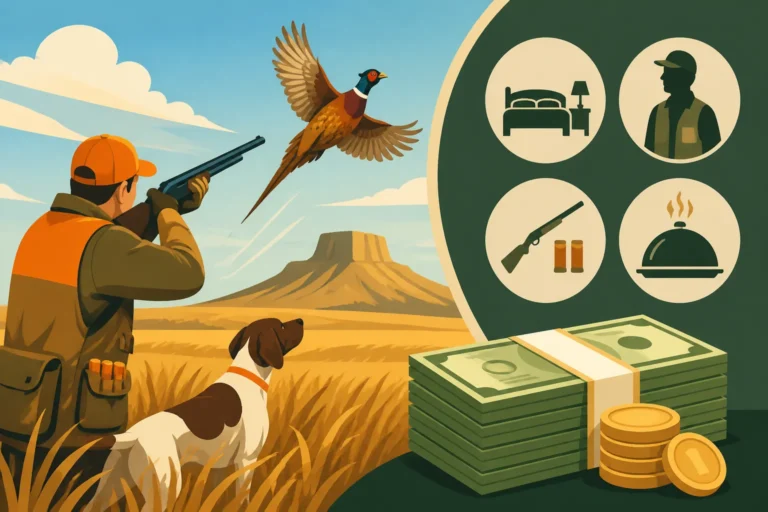
A duck hunting package in North Dakota, particularly a multi-day one, is rarely just about stepping into a blind. Think of it more as an all-inclusive adventure designed to immerse you in the full waterfowl experience while minimizing your logistical headaches. These packages typically bundle together a range of services that would otherwise require extensive individual planning and booking. You'll often find that lodging is included, which could range from a cozy, rustic lodge nestled near prime hunting grounds to a more modern, comfortable facility in a nearby town. Meals are also a common inclusion, often hearty, home-cooked fare that fuels you for early mornings and cold days in the field.
The core of any package, of course, is the guided hunt itself. This means you'll have experienced local guides who possess an intimate knowledge of the area, including migratory patterns, bird behavior, and the best places to set up. They'll handle the scouting, secure access to private land or prime public spots, set up elaborate decoy spreads, and do the calling. Many packages even provide blinds and specialized equipment, saving you the hassle and expense of transporting your own large spreads or layout blinds. Some even go a step further, offering trained retriever services, bird cleaning, and initial processing of your harvested ducks, leaving you to focus solely on the thrill of the hunt.
Why a Package Might Be Right for You
There are several compelling reasons why a three-day duck hunting package could be the perfect fit for your North Dakota adventure. First and foremost is the unparalleled convenience. Imagine arriving in North Dakota, checking into your lodge, and having virtually every detail taken care of for you. No need to spend precious hunting time driving around trying to find access, scouting fields, or wondering where the birds might be. The local expertise of your guides is invaluable; they spend countless hours tracking bird movement, understanding weather patterns, and knowing which fields or potholes are "hot." This local knowledge significantly increases your chances of a successful hunt and helps you avoid common pitfalls.
Furthermore, these packages often provide access to prime hunting spots, including private land that would otherwise be inaccessible. Many outfitters have established relationships with local landowners, securing exclusive access to fields, sloughs, and river bottoms where birds frequently feed and roost. For non-residents especially, navigating the North Dakota's New Nonresident Waterfowl Rule or the specific access restrictions during North Dakota's Nine Resident-Priority Waterfowl Days can be a challenge. A reputable outfitter will handle all of these considerations, ensuring you're hunting legally and effectively. Finally, there's the camaraderie aspect; sharing a lodge with fellow hunters and guides often leads to fantastic stories, shared meals, and friendships that can last a lifetime, creating an experience far richer than just the act of shooting ducks.
Decoding the Costs and What Influences Them
It's no secret that a guided hunting trip, especially an all-inclusive package, is an investment. However, understanding what goes into that investment can help you appreciate the value you're getting and budget effectively. There's a wide range of prices out there, and what you pay will largely depend on the level of luxury, the extent of services, and the specific location of your hunt.
Understanding the Investment: What Drives the Price
The cost of a three-day duck hunting package in North Dakota isn't a single, fixed figure. It's a dynamic number influenced by several key factors, much like booking a vacation resort. The quality of the lodge and amenities plays a significant role; a rustic bunkhouse with basic meals will naturally be less expensive than a luxurious lodge offering private rooms, gourmet dining, and additional amenities like a hot tub or a full bar. The guide-to-hunter ratio is another critical determinant; a more personalized experience with a higher guide presence per hunter will command a higher price, as it ensures more individualized attention and flexibility in the field.
Location is also paramount. Packages centered around renowned waterfowl destinations like Devils Lake, known for its incredible duck and goose hunting, might be priced differently than those operating in smaller, lesser-known prairie pothole regions. The time of year can also impact the cost; early season hunts might be more affordable, while peak migration periods, when bird numbers are at their highest, often come with a premium. Finally, what's included in the package makes a big difference. Some outfits are truly all-inclusive, covering everything from top-tier decoys to waders and even limited ammunition, while others might offer a more à la carte approach where certain items are additional costs. Always check the outfitter's website or contact them directly for current pricing and what's covered.
Hidden Costs to Consider (and How to Budget for Them)
While packages aim to be comprehensive, it's crucial to be aware of the "hidden" or supplementary costs that aren't typically part of the base package price. First and foremost are your hunting licenses and stamps. You'll need a North Dakota Hunting Licenses and What They Cost, potentially a non-resident small game license, a North Dakota Federal Duck Stamp Requirement, and a North Dakota Migratory Bird Certification. These are almost always purchased separately by the hunter. Ammunition is another significant expense; a three-day duck hunt can easily consume several boxes of shells, especially if the shooting is hot. If you're flying, consider gun rental fees if you opt not to bring your own firearm.
Don't forget personal gear. While guides might provide blinds and decoys, you'll still need your own waterproof, warm clothing, insulated boots, and reliable waders. North Dakota weather can be notoriously unpredictable, so proper layering is essential. Your travel to and from North Dakota – whether by flight or vehicle – and any pre- or post-hunt lodging required before connecting with your outfitter should also be factored in. Tipping your guides and lodge staff is customary and expected; a general rule of thumb is 15-20% of the hunt's value for the guides, and a smaller amount for lodge staff, but check with the outfitter for their recommendations. Finally, if you plan to have a trophy mounted or process a large amount of birds, consider taxidermy costs or shipping fees for your harvested game. Websites like BookYourHunt or GoHunt can be great starting points to compare different outfitter offerings and get a general idea of package structures, though direct contact is always best for firm pricing.
Finding the Right Outfitter for Your North Dakota Duck Hunt
The success of your three-day duck hunting package hinges almost entirely on the quality and compatibility of your chosen outfitter. North Dakota has many fantastic operations, but finding the one that aligns with your expectations, hunting style, and budget requires thoughtful research and careful vetting. This isn't a decision to rush into; the best outfitters book up quickly.
Researching and Vetting Potential Guides
The first step in securing a memorable duck hunting package is to start your research early. Popular North Dakota outfitters, especially those known for excellent waterfowl hunting, often book a year or more in advance, particularly for prime dates during the migration. Begin by searching online for "North Dakota duck hunting packages" or "North Dakota waterfowl guides." Hunting forums, social media groups dedicated to North Dakota hunting, and word-of-mouth recommendations from fellow hunters are invaluable resources. Pay attention to reviews, but take them with a grain of salt, looking for consistent themes rather than isolated experiences.
Once you have a list of potential outfitters, the real vetting process begins. This means picking up the phone and having a thorough conversation. Ask about their experience, particularly in the specific area you'll be hunting, whether it's Hunting North Dakota's Prairie Pothole Region or along Hunting North Dakota's Missouri River Corridor. Inquire about their typical hunting setup – do they primarily use layout blinds in cut fields, boat blinds on large water, or hide in natural cover along slough edges? What are their contingency plans for adverse weather or if the ducks aren't flying as expected? A good outfitter will have multiple strategies. Don't be shy about asking for references from past clients; a reputable guide will be happy to provide them. This allows you to speak directly with hunters who have experienced their service firsthand, giving you an honest perspective.
Key Considerations for Your Group and Preferences
Beyond the outfitter's general reputation, consider your specific preferences and the dynamics of your hunting group. How many people are in your party? Some lodges are set up to accommodate larger groups, while others specialize in smaller, more intimate hunts. Clarify the guide-to-hunter ratio to ensure you're comfortable with the level of attention you'll receive. Think about your target species as well. Are you dead set on hunting divers on Lake Sakakawea's open water, or are you hoping for classic puddle duck action over Decoy Spreads for Prairie Pothole Mallards in a harvested cornfield, or even mixing in some field geese? Different outfitters specialize in different styles and locations.
The type of lodging included in the package is another important factor. Do you prefer a rustic, communal bunkhouse experience where stories are shared late into the night, or are private rooms with more amenities a priority? If anyone in your group has dietary restrictions, confirm that the outfitter can accommodate them. Also, be sure to understand the travel logistics once you arrive in North Dakota – will the outfitter provide transportation from a nearby airport, or will you need to arrange your own? For non-residents, understanding restrictions like the North Dakota's New Nonresident Waterfowl Rule and the specific nine resident-priority days is critical, and a good outfitter will seamlessly integrate these into your hunt planning, ensuring you hunt legally and within designated periods.
What to Expect During Your Three Days in the Field
Alright, you've done your research, booked your package, and arrived in North Dakota. Now the real fun begins! A guided duck hunt, especially one planned over three days, usually follows a predictable rhythm designed to maximize your time and opportunities in the field.
A Typical Day on a Guided Duck Hunt
Your days on a guided North Dakota duck hunt will likely begin well before dawn. The morning ritual often starts with an early wake-up call, usually around 4:00 or 4:30 AM, followed by a quick, hearty breakfast at the lodge. From there, you'll receive a briefing from your guide about the day's plan – where you're headed, what species they expect to see, and any specific instructions for the day. Then it's into the truck, often with a trailer full of decoys, blinds, and gear, heading out to the chosen hunting spot. This could be a stubble field near a roost pond for field hunting, a reedy slough edge for puddle ducks, or a boat launch for a larger body of water like the edges of Devils Lake where you might be Hunting a Devils Lake Flooded Field.
Upon arrival, everyone pitches in (or just enjoys the show, depending on the outfitter) to set up the decoy spread. This is where the guide's expertise really shines, as they know exactly how to position the decoys to mimic real ducks and draw birds in close. You'll then get situated in your blind – whether it's a layout blind dug into a field, a natural blind brushed into cattails, or a permanent structure. The next few hours are spent calling, watching the skies, and, hopefully, shooting as ducks commit to the spread. After the morning flight subsides, some packages will break for lunch and offer an afternoon nap or even an option for a small game hunt like pheasants. Others might stay in the blind for a full day, or move to a different spot for an afternoon or evening hunt, particularly if targeting geese. Evenings are for warm meals, sharing stories of the day's triumphs and misses, and preparing for the next morning's adventure. It’s physically demanding, especially if you’re Hunting a North Dakota Prairie Pothole Slough Edge where mobility is key, but the rewards are well worth it.
Maximizing Your Experience and Staying Safe
To truly get the most out of your three-day duck hunting package, it's essential to come prepared and maintain an open, receptive attitude. The single most important piece of advice is to listen to your guide. They are the experts on the ground, intimately familiar with local conditions, bird patterns, and safety protocols. Their guidance on everything from shooting lanes to how to hide in the blind is invaluable. Dress in layers, because North Dakota's weather can shift dramatically within a single day, or even within a few hours. Waterproof outerwear, insulated base layers, and quality waders are non-negotiable essentials.
Practice your shooting before you arrive. While the guide will work to bring birds in close, quick and accurate shooting skills will significantly improve your success rate. Always prioritize gun safety; ensure your firearm is unloaded when moving between locations and always know where your hunting partners are. Beyond the hunt itself, remember to enjoy the camaraderie and the unique North Dakota landscape. Respect for the land and for North Dakota Trespass and Permission Law is paramount, even when hunting with a guide who has secured access. Finally, understand the North Dakota Duck and Goose Bag Limits and always adhere to them, ensuring a legal and ethical hunt for everyone involved.
| Feature | Self-Guided 3-Day Duck Hunt | Guided 3-Day Duck Hunting Package |
|---|---|---|
| Planning & Logistics | High effort: scouting, lodging, food, gear, access | Low effort: all arranged by outfitter |
| Local Expertise | Requires extensive personal research and experience | Provided by experienced local guides |
| Hunting Access | Primarily public land (PLOTS, WPAs), difficult private access | Often includes prime private land access, managed public land |
| Equipment Provided | Minimal to none; hunter brings everything | Decoys, blinds, calls, sometimes even retrievers or specific gear |
| Meals & Lodging | Self-arranged; camping, hotels, or rental | Typically included at a lodge or local accommodation |
| Success Potential | Varies widely based on hunter skill, scouting, and luck | Generally higher due to guide knowledge and access |
| Cost | Lower upfront, but add-ons for gear, gas, food can accumulate | Higher upfront, but more "all-inclusive" value |
| Flexibility | High; complete control over schedule and locations | Lower; follows outfitter's schedule and plan |
| Ideal For | Experienced hunters, DIY enthusiasts, budget-conscious groups | Hunters seeking convenience, expertise, high success rates, and a full experience |
Disclaimer
This article is for general informational purposes only and does not constitute professional advice. Laws, prices and regulations vary by location and change over time. Consult a qualified professional for guidance on your specific situation.