What Happens If You Don’t Draw Your Deer Tag
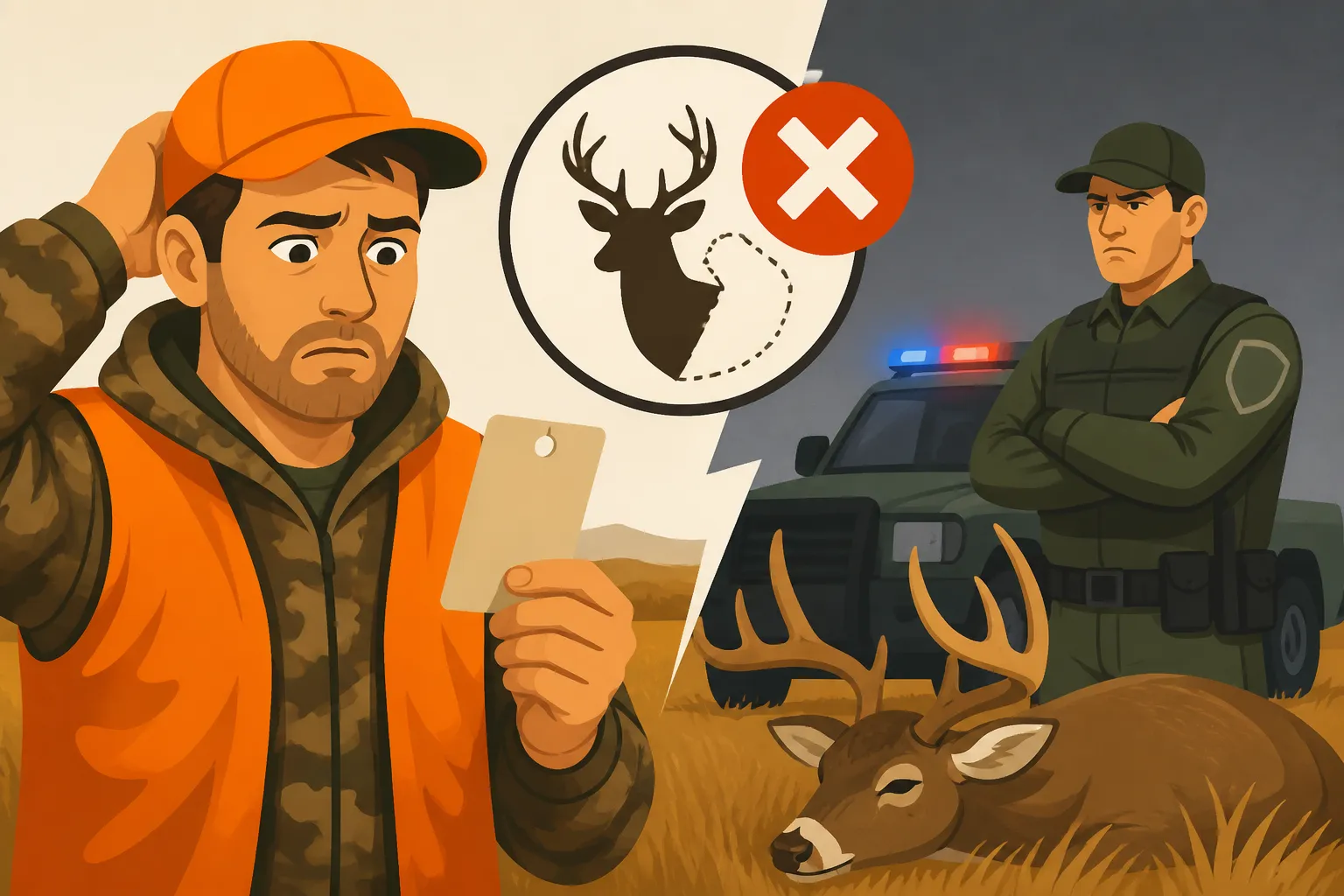
That moment when the email drops, or you check the online portal, and the stark "Unsuccessful" stares back at you for your coveted North Dakota deer gun tag—it's a punch to the gut. All those hopes, the scouting, the anticipation built around that draw, can feel completely deflated. But don't despair; while it's a frustrating setback, an unsuccessful deer tag draw doesn't mean your North Dakota hunting season is over. This guide will walk you through your immediate options, what to consider, and how to plan for a successful hunt, even if it means adjusting your sights.
Understanding North Dakota's Deer Lottery System
The reality of hunting in a state like North Dakota, especially for highly sought-after species like deer, is that not everyone who applies will draw a tag. It’s a bitter pill to swallow, but it’s a fundamental part of wildlife management designed to ensure healthy populations and quality hunting experiences for those who do draw.
The Reality of Limited Tags
North Dakota manages its deer herds through a lottery system for a good reason: population control and balancing hunter opportunity. Each year, the number of available tags fluctuates based on winter severity, fawn recruitment, harvest data from previous seasons, and herd health assessments. This means that some years, tags are abundant, while others are incredibly tight, especially for desirable buck tags in certain units. You might feel like it's a personal affront when you don't draw, but it's often a reflection of broader ecological factors and the sheer number of hunters vying for the same limited resource.
The system aims to distribute hunting pressure and provide opportunities across different regions, but competition is always fierce. North Dakota's Lottery-Based Deer Gun Season is a testament to this, as thousands apply annually, and the odds can feel stacked against you. It’s a stark contrast to some states with over-the-counter opportunities, and this difference can be particularly frustrating for hunters new to North Dakota's system or those accustomed to more accessible tags elsewhere. The process itself, from understanding application deadlines to deciphering unit descriptions, can be a hurdle before you even get to the draw results.
How Preference Points Work (or Don't)
North Dakota does not currently operate on a true "preference point" system for deer in the way some western states do, where accumulating points guarantees you a tag after a certain number of years. Instead, it uses a random lottery with limited ways to slightly improve your odds for certain license types, primarily through donating your refund. This often comes as a shock to hunters who are used to building points year after year, thinking their turn is inevitably coming. The North Dakota approach means that even if you've applied for several years, you could still be unsuccessful in the draw, while a first-time applicant could draw a prime tag.
This lack of a traditional point system means every year is essentially a fresh start in the main lottery, which can heighten the frustration of an unsuccessful draw. While the state does outline a specific North Dakota Preference Point System Explained for certain rare species, the general deer draw is more a game of chance. For gun deer, your application is simply entered into the pool for your chosen unit and license type. If there are 100 tags for Unit 3A Any-Deer and 1000 applicants, your odds are 1 in 10, regardless of how many times you've applied before. Understanding this helps manage expectations, though it does little to soothe the disappointment when your number isn't called.
Your Options When the Deer Tag Eludes You
So, the gun tag didn't materialize. Now what? This is where flexibility and a willingness to explore other avenues become your greatest assets. North Dakota offers a diverse range of hunting opportunities, and often, an unsuccessful draw can lead you to discover new, exciting hunts you might not have considered before.
Shifting Gears to Archery or Muzzleloader
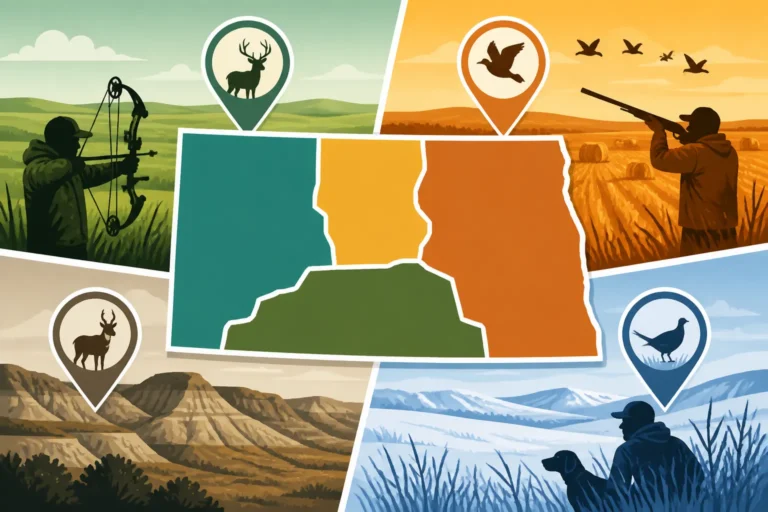
Just because the gun season didn't pan out for deer doesn't mean you're entirely out of luck for deer hunting. North Dakota offers excellent archery and muzzleloader seasons, which operate under different licensing structures and often have better success rates for drawing a tag, especially for nonresidents after certain deadlines. The North Dakota Archery Season Dates typically open much earlier and extend into the late season, offering a completely different hunting experience. This can be a fantastic way to pursue deer, particularly if you enjoy the challenge and intimacy of bowhunting. The early season allows for patterning deer before heavy hunting pressure, and the late season can be excellent for focusing on food sources after the crops are out.
Similarly, the North Dakota Muzzleloader Season Dates run after the general gun season, providing an opportunity to hunt deer during a colder, often snowier period. Muzzleloader hunting presents its own unique challenges and rewards, demanding closer range and careful shot placement. While these seasons might require different gear and tactics, they are viable options to still chase deer in North Dakota when the gun lottery doesn't go your way. Many hunters, after facing multiple unsuccessful gun draws, embrace these alternative seasons and find a new passion for primitive weapon hunting. You'll need to check the specific regulations and license availability, as non-resident opportunities can vary.
Exploring Other Game Species
North Dakota is a hunter's paradise for more than just deer. If deer hunting was your primary goal, but the tag didn't come through, consider diversifying your hunt. This state is renowned for its upland bird hunting and incredible waterfowl opportunities. You could pivot your trip to chase Pheasant Hunting North Dakota's Prairie, where vast expanses of public and private land offer some of the best rooster hunting in the nation. Or, if you're drawn to the skies, the North Dakota Waterfowl on the Prairie Pothole Flyway can provide world-class duck and goose hunting, with thousands of birds migrating through the state's iconic prairie potholes.
| Hunting Option (Post-Deer Draw) | License Type | Season Timing | Key Considerations |
|---|---|---|---|
| Archery Deer | General Archery License | Late Summer – Mid-Winter | Requires specific gear, longer season, potentially less pressure |
| Muzzleloader Deer | Muzzleloader Specific | Late Fall – Early Winter | Primitive weapon, often colder weather, post-gun season |
| Pheasant Hunting | Small Game License | Fall – Early Winter | Abundant birds, walk-in access, dog friendly, often a "Plan B" |
| Waterfowl Hunting | Small Game + Stamps | Early Fall – Early Winter | Diverse species, field or pothole hunting, significant gear investment |
| Small Game/Predator | Small Game License | Year-round for some | Rabbit, squirrel, coyote, fox, good for filling time |
These alternative hunts offer different experiences and can often be easier to obtain licenses for, especially for nonresidents. A North Dakota Nonresident License Options typically includes a general game and habitat license that opens the door to small game and furbearers, with additional endorsements for things like waterfowl. This could mean turning your deer hunt into a fantastic wingshooting adventure, creating new memories, and still experiencing the incredible landscapes North Dakota has to offer. Many find a deep satisfaction in the fast-paced action of a pheasant flush or the camaraderie of a goose hunt that wasn't part of the original plan.
The Private Land Permission Route
One of the biggest advantages in North Dakota, even for deer, is the potential for private land access. If you didn't draw a public land gun tag, or if you're a nonresident dealing with specific access restrictions on public land early in the season, focusing on private land becomes a key strategy. Many ranchers and farmers are amenable to hunters, especially if you approach them respectfully and at the right time. Getting Private Land Permission in North Dakota can open up a world of opportunities that are simply not available on public ground, often with less competition.
This often involves showing up in person, knocking on doors, and being prepared to offer assistance or simply demonstrate courtesy and respect for their property. While it's not a guaranteed solution, building relationships with landowners can lead to invaluable hunting access, sometimes even for multiple seasons. Platforms like BookYourHunt can sometimes connect hunters with private landowners who offer leases or guided access, providing a more structured way to find these opportunities. This route requires more proactive effort and a good deal of interpersonal skill, but the rewards can be substantial, leading to some of the most memorable hunts.
Planning for Next Year's Application
An unsuccessful draw can feel like a waste of a year, but it's also a valuable learning experience. Use the disappointment as fuel to refine your strategy for the next application cycle. North Dakota's system, while somewhat unpredictable, still rewards informed and strategic planning.
Strategic Unit Selection
One of the most critical decisions in the North Dakota deer lottery is your unit selection. If you've been applying for the same high-demand unit year after year with no success, it might be time to rethink your strategy. Researching North Dakota Deer Population Estimate and specific unit statistics can give you a better idea of where your odds might improve. Some units consistently have higher draw odds due to higher tag allocations or lower applicant numbers, often for antlerless tags or units with less accessible terrain.
Consider diversifying your choices. Maybe you apply for a less competitive unit for your first choice, and then a more desired unit for your second. Or, focus on units known for higher antlerless tag allocations, which often have better draw success. While you might dream of a trophy buck in a specific area, a tag in hand, even for an antlerless deer, guarantees a hunting experience and venison for the freezer. This kind of pragmatic approach can significantly increase your chances of drawing a tag, even if it's not your dream tag. Using resources like GoHunt's data can help analyze past draw odds and identify these less competitive units.
Maximizing Your Odds Over Time
Even without a traditional preference point system, there are ways to think about maximizing your odds over time. This primarily involves consistent application and, for some, considering the bonus antlerless tags. When it comes to the main gun lottery, North Dakota Deer Gun Lottery Application Process involves applying for your preferred unit and license type. While there's no guarantee, consistent application ensures you're in the running every year.
Furthermore, being open to various license types can help. While everyone wants the coveted "any-deer" buck tag, applying for an "antlerless-only" tag, either as a first or second choice, often has significantly better draw odds. If you're simply looking to hunt deer and fill your freezer, an antlerless tag is a fantastic option. In some years, hunters may also have the opportunity to purchase North Dakota Bonus Antlerless Tag Purchase Rules after the main draw, if available, offering another chance to get afield. This flexibility and willingness to hunt for does or in less popular units can dramatically increase your chances of securing a tag and keeping your skills sharp, year after year.
What If You Already Booked an Outfitter?
This is where an unsuccessful draw can get particularly complicated and stressful, especially if you've already committed financially to a guided hunt. The excitement of booking a trip can sometimes overshadow the practicalities of the lottery system.
Outfitter Policies on Unsuccessful Draws
The absolute first thing you need to understand, before you even submit your lottery application, is your outfitter's policy on unsuccessful draws. This is a critical question to ask when you're in the initial stages of Booking an Outfitter Before You've Drawn a Tag. Reputable outfitters will have clear, written policies regarding what happens to your deposit or full payment if you don't draw the necessary tag. These policies can vary wildly:
- Roll-over: Some outfitters will allow you to roll over your deposit to the following year's hunt, assuming you apply again.
- Partial Refund: You might receive a partial refund, with a portion retained by the outfitter for administrative costs or lost booking opportunities.
- No Refund: Less common for draw-dependent hunts, but some might have a "no refund" policy if the draw is unsuccessful, especially if their booking terms were explicitly clear about the risk.
- Species Switch: Some might allow you to apply the deposit towards a different hunt (e.g., a pheasant hunt) in the same year.
This is a scenario where communication is paramount. As soon as you know the draw results, inform your outfitter immediately. Many guides are sympathetic to the lottery system's nature and will work with you to find a solution, whether that's rebooking for a different season (like a fall turkey hunt) or for the following year. Tools like BookYourHunt often highlight outfitter cancellation policies, so make sure you read them thoroughly.
Rebooking and Deposit Considerations
Navigating the financial implications of an unsuccessful draw can be tricky. If your outfitter offers a roll-over, confirm if there are any fees associated with it or if the price of the hunt will change for the next season. It's important to get all these details in writing. If you're looking at a partial or no refund, assess your financial loss and consider if it makes sense to try to secure a different tag (like an archery or muzzleloader tag) to salvage some hunting experience that year.
When you're asking Questions to Ask a North Dakota Outfitter, always bring up the "what if I don't draw" scenario explicitly. Understand their rebooking schedule: do you get priority for the next year if you roll over your deposit? What if you decide not to apply for a tag the following year? The goal is to minimize your financial risk and ensure that even if the lottery doesn't go your way, you have a clear path forward, whether that's rescheduling your deer hunt or pursuing other hunting adventures North Dakota offers. Planning for this contingency upfront will save you a lot of headache and heartache if that dreaded "unsuccessful" notification arrives.
Disclaimer
This article is for general informational purposes only and does not constitute professional advice. Laws, prices and regulations vary by location and change over time. Consult a qualified professional for guidance on your specific situation.