Hunting the December Muzzleloader Close
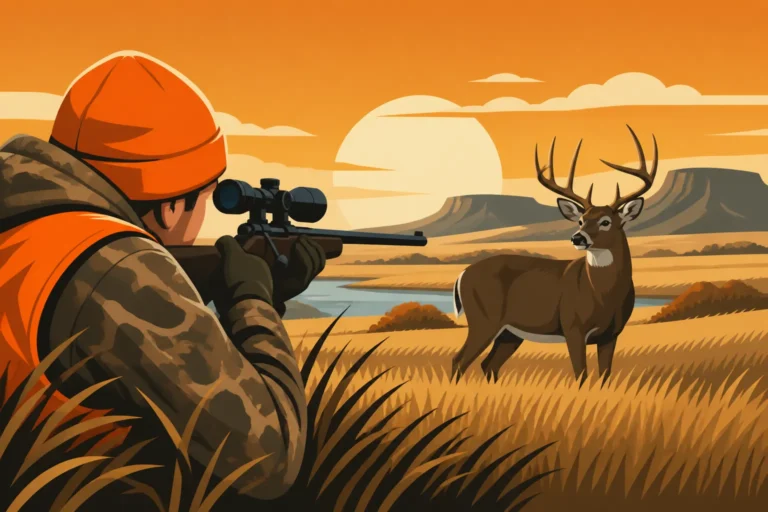
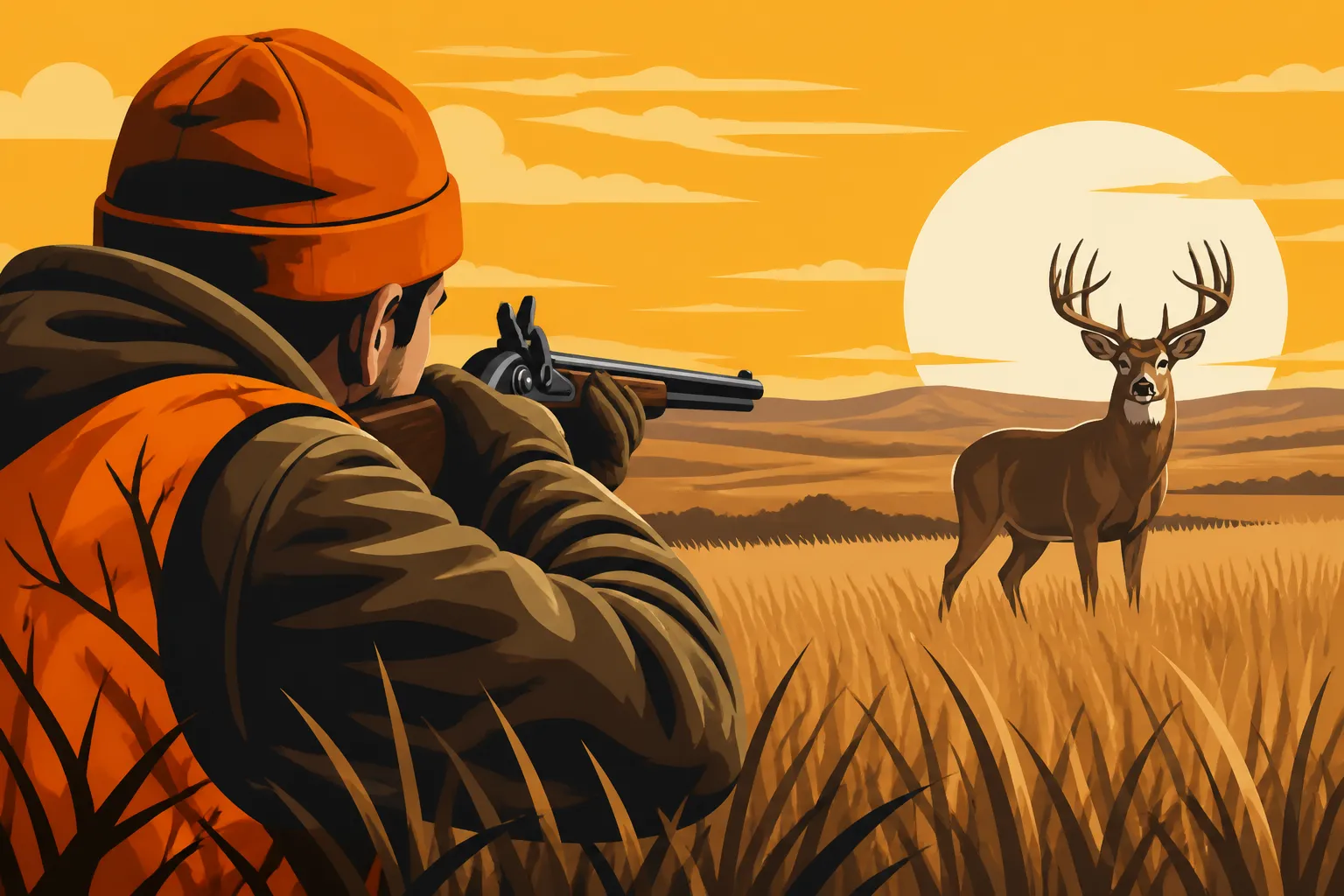
The calendar turning to December often brings a mix of emotions for North Dakota deer hunters. For many, the gun season is a fading memory, and the harsh reality of winter has settled in, making late-season muzzleloader hunting feel like an impossible task. But for those willing to brave the cold and adapt their strategies, the final days of the muzzleloader season can offer incredible opportunities, especially as deer shift patterns in response to deep cold and heavy snow. This guide will walk you through what it takes to succeed when hunting the December muzzleloader close.
Embracing the Late Season Chill: Understanding Deer Behavior in December
As the days shorten and the North Dakota landscape transforms into a canvas of white and gray, deer behavior undergoes a significant shift. The frantic energy of the rut has long passed, and the deer's primary focus becomes survival. This means finding reliable food sources, conserving energy, and seeking thermal cover from the biting winds and plummeting temperatures. Understanding these fundamental changes is key to putting yourself in a position to harvest a deer with your muzzleloader.
Adapting to Winter Survival Instincts
Deer in December are not the same deer you hunted in October or even November. Their metabolic rates are lower, and every calorie counts. This physiological change dictates their movements. Instead of wide-ranging searches for does, bucks are now looking for the most efficient path to nutrition and warmth. This often means reduced daylight activity, making those precious hours around dawn and dusk even more critical. They will often bed closer to food sources and will be far less tolerant of disturbances. If you bump deer out of a prime area, they might not return for days, choosing instead to conserve energy in a new, less pressured location. This heightened sensitivity means a stealthy approach and minimal intrusion are paramount to success.
Identifying Crucial Late-Season Food Sources
In December, natural browse often becomes buried under snow or is simply too low in nutritional value to sustain deer. Instead, deer will concentrate on agricultural fields that still offer sustenance. Standing corn, soybean stubble, or even overlooked sunflower fields become absolute magnets. These are often the only reliable food sources available, and deer will travel significant distances to access them. Look for areas where farmers might have missed a section during harvest, or where the crop provides cover as well as food. These spots are gold. You might also find deer pawing through less desirable fields for residual grains, especially after a fresh snowfall reveals their feeding patterns. Understanding the difference between a browse line and active feeding sign can save you hours of fruitless searching. Checking fields regularly and noting fresh tracks can tell you a lot about local deer patterns.
Thermal Cover and Bedding Areas
When temperatures drop well below freezing and the wind howls across the open prairie, thermal cover becomes as important as food. Deer will seek out dense stands of conifers, thick shelterbelts, south-facing slopes, or deep river bottoms that offer protection from the elements. These areas provide a windbreak and can be several degrees warmer than exposed ground, allowing deer to conserve precious body heat. Often, these bedding areas will be located within reasonable proximity to a primary food source, forming a well-used travel corridor. You might find deer bedding just inside the tree line of a thick shelterbelt adjacent to a standing cornfield, or nestled in a deep coulee out of the wind. Using mapping tools, like those found on GoHunt, can help you identify these potential thermal cover areas and visualize travel routes between them and nearby food sources. Pay close attention to how deer enter and exit these areas, as they'll likely use the path of least resistance.
Strategic Muzzleloader Tactics for Cold Weather Success
Hunting with a muzzleloader in December introduces unique challenges and opportunities. The slower shot sequence, limited range, and inherent "one-shot" mentality demand a refined approach. Combined with the cold weather and pressured deer, your tactics need to be precise and patient.
Patient Ambush Hunting Along Travel Corridors
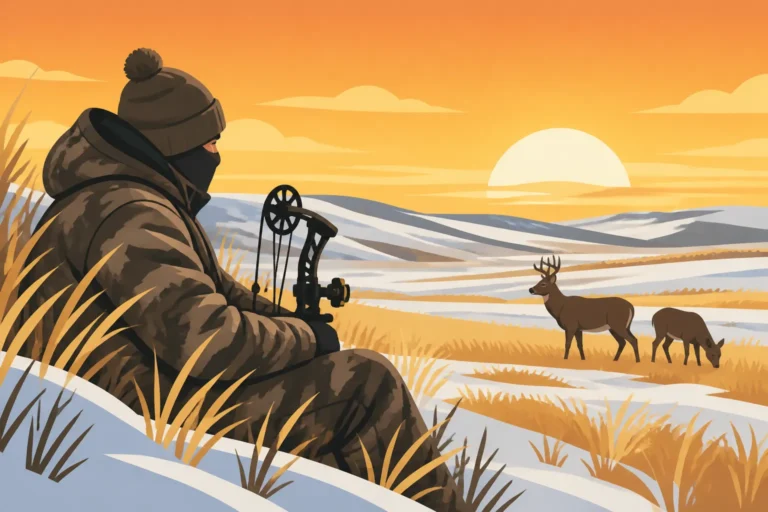
Forget still-hunting vast tracts of land unless you have a fresh tracking snow and ample time; in December, the most effective muzzleloader tactic is often patience. Set up in an elevated position or a well-brushed ground blind along known travel corridors between bedding areas and late-season food sources. This means getting into your stand or blind well before daylight and being prepared to sit through long hours of cold. Deer movement will be minimal during the day, so those critical first and last hours of light are paramount. Identifying pinch points, fence crossings, or natural funnels will narrow down where deer are likely to pass. Remember, deer will be moving deliberately, often single file, especially in deeper snow. A well-placed blind that allows you to quietly shoulder your muzzleloader and get a clear shot before they become aware of your presence is crucial. Consider using a hunting blind that offers good concealment and insulation against the elements to keep you comfortable and focused.
| Common Late-Season Food Sources in North Dakota | Description | Deer Preference | Best Time to Hunt |
|---|---|---|---|
| Standing Corn Fields | Unharvested corn rows, often found in smaller, overlooked plots or field corners. | High. Provides both food and thermal cover. | Dawn and Dusk. Midday in extreme cold. |
| Soybean Stubble Fields | Fields with residual soybean pods, especially those with plants still standing. | Medium-High. Offers protein, but less cover than corn. | Dusk. Deer may feed quickly and move. |
| Sunflower Fields (Residual) | Fields where some sunflower heads have been missed or dropped, offering high-energy seeds. | High. Excellent energy source. | Dawn and Dusk. |
| Winter Wheat/Alfalfa | Green fields, often providing a rare green-up if snow isn't too deep. | Medium. Less common, but sought after if available. | Midday, especially after a hard frost. |
| Oak/Chokecherry Thickets | Areas where residual acorns or dried berries might be available, offering natural browse. | Low-Medium. Only if agricultural options are scarce. | Erratic, often after deer have fed in fields. |
Tracking in Fresh Snow
A fresh blanket of snow in December can be a game-changer for the muzzleloader hunter. It not only reveals deer activity but also provides an opportunity for effective tracking. When Tracking a Deer in Fresh Prairie Snow, look for large, deep tracks indicating a mature deer, and pay attention to stride length and any drag marks that might suggest a buck. Follow these tracks slowly and deliberately, constantly looking ahead for movement. This can be an incredibly effective method, but it demands extreme patience and a keen eye for detail. The deep snow can also muffle your footsteps, allowing for a quieter approach. If you pick up a fresh track, especially after a cold night, there's a good chance that deer is bedded nearby, attempting to conserve energy. This is where your muzzleloader's one-shot capability shines, as getting within range for a clean shot requires careful stalking.
Cold Weather Sitting Strategy
Sitting in a stand or blind during a North Dakota December cold snap requires careful planning and a robust Cold-Weather Sitting Strategy on the Prairie. Layering is absolutely essential, starting with a good base layer that wicks moisture away, followed by insulating mid-layers, and finally, a windproof and waterproof outer shell. Hand and foot warmers are not optional; they are a necessity. A portable heater in a well-ventilated ground blind can make those hours much more bearable. When you're numb, your concentration fades, and you're more likely to make mistakes. Consider bringing a hot thermos of coffee or broth to help maintain core body temperature. Remember, remaining still and quiet is paramount, so dress in a way that allows you to move minimally yet stay warm. A quality pair of binoculars will let you glass distant areas without moving your entire body, reducing your thermal footprint and keeping you focused on potential deer movement.
Gearing Up for North Dakota's Winter Muzzleloader Close
The gear you choose for a December muzzleloader hunt can make or break your experience. From your firearm to your clothing, every item needs to be meticulously prepared to withstand the harsh conditions and perform reliably when that fleeting opportunity arises.
Muzzleloader and Ammunition Considerations
When hunting in freezing temperatures, the reliability of your muzzleloader is paramount. Ensure your firearm is meticulously clean and well-lubricated with cold-weather-specific oils to prevent freezing. Modern inline muzzleloaders, like those from Traditions or CVA, are generally more weather-resistant than traditional percussion models. Focus on simple, robust designs with fewer moving parts. For ammunition, choose high-quality sabots or conical bullets that perform well in cold weather. Practice shooting your specific load in cold conditions to understand any point-of-impact shifts. Using a magnum primer designed for cold ignitions can help ensure a reliable shot. If using pellets, make sure they are stored dry and handled carefully. The last thing you want is a hang-fire or misfire when a December buck finally steps into view. Carry extra primers in a waterproof container, and ensure your powder is kept dry at all times.
Optics and Sighting in Sub-Zero Conditions
Your optics, whether a scope or open sights, must be clear and fog-free. A good quality scope with a wide objective lens will gather more light in the low-light conditions prevalent during December. Anti-fog coatings are a huge benefit. Consider using flip-up scope caps to protect lenses from snow and moisture until the shot. If using open sights, ensure they are painted or equipped with fiber optics that stand out against the drab winter backdrop. Sighting in your muzzleloader in cold weather is non-negotiable. Extreme temperature swings can affect bullet performance and point of impact, so always zero your rifle as close to the expected hunting conditions as possible. Before heading out, a quick check of your zero at the range, especially after Hunting Deer After a Cold Front, can save you a lot of heartache in the field.
Essential Cold-Weather Hunting Apparel
Beyond the general layering strategy, specific apparel choices make a big difference. Insulated, waterproof boots are non-negotiable; your feet will be the first to get cold. Look for boots with at least 1,000 grams of Thinsulate and waterproof membranes like Gore-Tex. Similarly, a heavy, insulated, and windproof hunting suit is essential. A good quality hat that covers your ears and a face mask or neck gaiter will prevent significant heat loss. Don't forget insulated gloves or mittens. Many hunters prefer mittens with a finger slot for trigger control, as these offer superior warmth. When you're sitting for extended periods in single-digit temperatures, every piece of insulation matters. Remember, you're not just dressing for the temperature, but for the wind chill as well. Brands like Sitka and Kuiu offer excellent cold-weather hunting gear, but even more budget-friendly options can suffice if you layer correctly and focus on wind protection.
Navigating Regulations and Logistics for Your December Hunt
While the thrill of late-season hunting is captivating, it's crucial to stay on the right side of North Dakota's hunting regulations, especially concerning muzzleloader seasons which often extend beyond the general gun season. Understanding these rules is vital for a legal and successful hunt.
Understanding North Dakota Muzzleloader Season Dates and Units
North Dakota’s muzzleloader deer season typically opens in late November and extends through early to mid-December. However, specific dates and unit availability can vary each year. It's imperative to check the most current North Dakota Game and Fish Department (NDGFD) hunting proclamation for the exact North Dakota Muzzleloader Season Dates and to confirm which units are open for muzzleloader hunting. Some units might have specific restrictions or be closed entirely, especially those with low deer populations or antler point restrictions. For instance, while some units might offer "any-deer" muzzleloader tags, others could be limited to antlerless deer only. Don't assume; verify everything. This information is readily available on the NDGFD website and through their annual hunting guide.
License Requirements and Reporting Your Harvest
To hunt during the December muzzleloader close, you'll need a valid North Dakota hunting license, including a specific deer gun license (which typically covers muzzleloader during its open season). Non-residents should be particularly aware of specific non-resident regulations and licensing costs. After a successful hunt, North Dakota Deer Reporting Requirements are mandatory. Hunters must report their harvest within a specified timeframe, often online or via a dedicated app. Failing to report can result in penalties and impact future license eligibility. Make sure you have your license and tag on your person at all times, and be prepared to properly tag your deer immediately upon harvest, securing the tag to the animal as required by law.
Ethical Considerations and Wildlife Management
Hunting during the late season, especially during Hunting a Muzzleloader Unit After Gun Season Closes, often means encountering deer that are already stressed by cold and previous hunting pressure. Ethical hunting practices are more important than ever. This includes taking clean, ethical shots and being prepared for thorough Blood Trailing After Dark in North Dakota if necessary. Always prioritize a quick, humane harvest. If you find yourself hunting in one of North Dakota's Fourteen CWD Hunting Units, be aware of any mandatory CWD sampling requirements or carcass transportation restrictions. Your participation in these programs is crucial for wildlife management efforts. Respect private land, even if hunting public lands like PLOTS or WMAs, and always pack out everything you pack in. The continued privilege of hunting relies on responsible and ethical conduct by all hunters.
Disclaimer
Please remember that hunting regulations, season dates, and unit availability can change. Always consult the most current North Dakota Game and Fish Department official proclamations and regulations before planning any hunting trip. This guide is for informational purposes only and should not be considered a substitute for official legal guidance.