Hunting Pressure on North Dakota Public Land
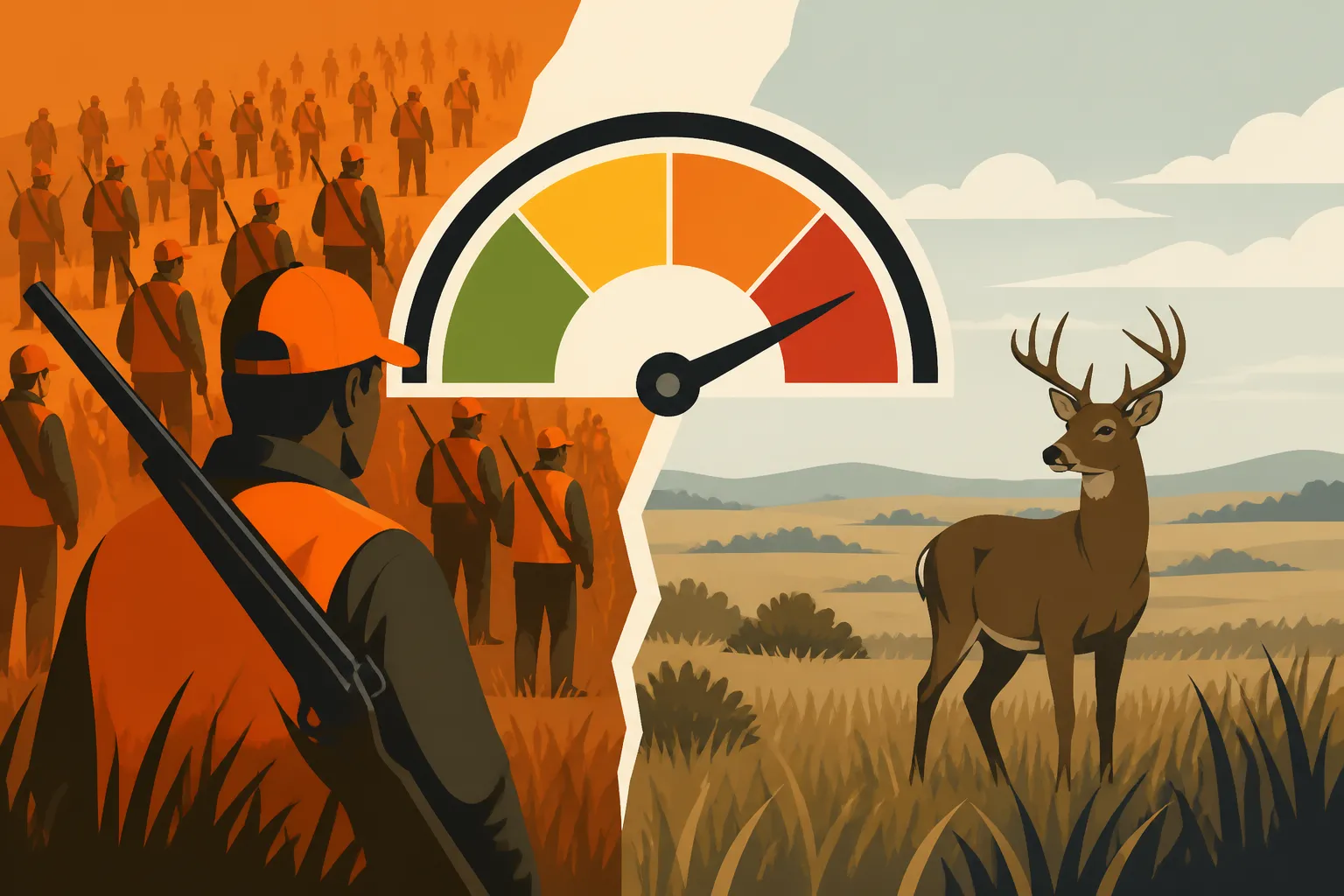
It's a familiar scenario for any hunter: you pull up to a promising piece of public land, full of anticipation, only to see three other trucks already parked. That sinking feeling of "here we go again" immediately sets in. Hunting pressure on North Dakota's public lands is a very real challenge, but it doesn't have to ruin your hunt. This guide will walk you through understanding why and where pressure occurs, and more importantly, practical strategies to navigate it, ensuring you still find success and solitude in the vast North Dakota landscape.
Understanding North Dakota's Public Land Landscape and Hunter Numbers
North Dakota is renowned for its vast agricultural lands and rich wildlife, but for many hunters, especially non-residents, public land access is paramount. This reliance, however, often leads to concentrated hunting pressure, particularly on easily accessible tracts. Understanding the dynamics of this landscape and how hunter numbers interact with it is the first step toward a more successful hunt.
The Allure of North Dakota's Public Access
North Dakota offers a surprising amount of public hunting ground, from federal Waterfowl Production Areas to state Wildlife Management Areas, and the incredibly popular Private Land Open To Sportsmen (PLOTS) program. These opportunities draw in countless hunters, both residents and non-residents, all seeking to experience the state's diverse hunting seasons. The sheer volume of game, especially for pheasants, deer, and waterfowl, makes it a magnet. However, this accessibility, while a blessing, also creates its own set of challenges. When everyone knows about the same spots, or when access points are limited, those areas get hammered. It's not just about the number of acres, but where those acres are located and how easily they can be reached. Knowing How Many Acres of Public Land North Dakota Has is useful, but knowing how hunters interact with those acres is critical.
How Public Land Acreage Impacts Pressure
While North Dakota boasts a decent amount of public land, not all of it is created equal in terms of huntability or ease of access. Some tracts are small, isolated parcels surrounded by private land, while others are sprawling federal grasslands. The size, shape, and surrounding terrain of a public land unit significantly dictate the level of pressure it receives. A small, square PLOTS parcel right off a county road, surrounded by standing corn, will inevitably see more boot traffic than a large, irregular-shaped WMA tucked away with difficult vehicle access. It's human nature to take the path of least resistance, and hunters are no different. Those areas requiring a bit more effort to reach often hold fewer hunters, simply because most folks aren't willing to put in the extra steps or navigate trickier terrain.
Tracking Hunter Density Through Data
The North Dakota Game and Fish Department (NDGFD) provides valuable data through their annual harvest reports and license sales figures. While they don't give real-time hunter counts on specific parcels, these reports can offer insights into general hunting pressure trends in different units and regions. For instance, looking at North Dakota Deer Harvest Records or North Dakota Pheasant Harvest Numbers for certain units might reveal areas with consistently high harvest, suggesting greater hunter participation. This historical data, combined with real-time mapping applications like the one offered by GoHunt, can paint a clearer picture of where hunters tend to concentrate. It's not just about finding any public land, but finding the right public land that aligns with lower pressure and higher success potential.
Strategies for Dodging the Crowds and Finding Solitude
Finding unpressured game on public land often feels like a treasure hunt, but with the right mindset and strategies, it's entirely achievable. The key is to think differently than the majority and be willing to do what others aren't.
Scouting Beyond the Obvious Access Points
The most common mistake hunters make is sticking to the obvious. The easy pull-offs, the well-worn trails, the first shelterbelt you see – these are the places where most hunters start, and often, where they stay. To truly escape the crowds, you need to scout beyond these points. Instead of just driving by, spend time studying aerial maps using tools like GoHunt to identify potential access points that aren't immediately apparent. Look for sections where roads dead-end, or where a slight topographic feature might obscure a small parking area that others overlook. Sometimes, it means parking a mile down the road from the primary access and walking in, or using a different route that requires crossing a drainage ditch or a fence line. Remember, Scouting PLOTS Land Before Season isn't just about finding game, it's about finding unpressured game.
Timing Your Hunts for Lower Pressure
When you hunt can be just as important as where you hunt. Opening day, weekends, and holidays are prime times for high hunter density. If your schedule allows, consider hunting weekdays, especially mid-week. The difference in pressure can be astonishing. Early season, particularly for species like deer, often sees fewer hunters than the peak rut or the gun season opener. Similarly, the late season, when temperatures drop and conditions become more challenging, often thins out the crowds significantly. For waterfowl, a nasty, cold, windy day might keep fair-weather hunters home, leaving you with less competition. Embrace the "unpleasant" weather, as it often translates to less pressure and more opportunities.
The Power of Persistence and Physical Exertion
Let's be honest, most hunters don't want to walk too far. This is your golden ticket. The further you're willing to walk from the nearest access point, the exponentially lower the hunting pressure becomes. If you're physically capable, put in the miles. Load up your pack, lace up your boots, and head deep into the public land. Even an extra half-mile can make a world of difference. This isn't just about deer; for pheasants, while everyone else walks the edges of a field, consider busting through the dense, less accessible middle, or crossing a muddy slough that others avoid. Understanding How Far to Walk From a Section Road is a fundamental skill that pays dividends. Often, the best spots are found where others aren't willing to go, or simply don't have the time to reach.
Leveraging Technology and Information for an Edge
In today's hunting world, technology isn't just a convenience; it's a powerful tool for outsmarting hunting pressure. From digital maps to online resources, smart hunters use every available advantage to find solitude and success.
Using Mapping Tools to Find Unpressured Areas
Modern mapping applications are game-changers for identifying low-pressure areas. Services like GoHunt offer satellite imagery, topographical maps, and public/private land ownership overlays that are indispensable. You can virtually scout an area before you ever step foot in it, identifying terrain features like coulees, draws, isolated woodlots, or dense cover that might hold game away from the roads. Look for bottlenecks, pinch points, or areas that are simply harder to get to. onX Layers for North Dakota Land Status allows you to see exactly where public land begins and ends, preventing accidental trespassing and helping you plan your approach to maximize your time on legal hunting ground. These apps can highlight subtle changes in elevation, water features, and timber density that might be overlooked on traditional paper maps.
Interpreting Public Land Reports and Regulations
The North Dakota Game and Fish Department (NDGFD) website is a treasure trove of information. Beyond harvest reports, they offer detailed maps of Wildlife Management Areas (WMAs) and publish the annual PLOTS guide. Understanding The PLOTS Program Explained is critical, as these private lands enrolled in public access are often the first to see pressure. However, digging into the specifics of each PLOTS tract – its size, habitat type, and proximity to roads – can reveal hidden gems. NDGFD often updates regulations and special access rules that, if you pay attention, might point you toward lesser-known opportunities. Don't just glance at the headlines; dive into the details. Sometimes, a specific unit's antlerless license availability, for example, can indicate higher deer numbers, but also potentially higher hunting pressure in that area, pushing you to look for a different approach.
Real-Time Updates and Local Intelligence
While the internet is great for pre-scouting, real-time updates and local intelligence are invaluable for adapting to current conditions. Hunter forums, local Facebook groups, and even conversations with locals (respectfully, of course) can provide insights into current game movements, weather impacts, and, yes, where the pressure is building. Farmers and ranchers often have the best feel for deer movement or where a big flock of geese has been roosting. Remember, these conversations are about building relationships, not just extracting information. For waterfowl, for instance, knowing that a particular pothole just froze over might tell you where birds will be pushed, allowing you to intercept them before other hunters figure it out. Staying informed on the ground, sometimes through something as simple as Using the PLOTS App Without Cell Service to check your location in remote areas, gives you a significant edge.
Species-Specific Considerations for Public Land Pressure
Hunting pressure doesn't affect all species equally, nor does it manifest in the same way. Understanding how different game animals react to human presence is crucial for tailoring your strategy.
Deer Hunting Pressure Dynamics
Deer, especially mature bucks, become incredibly wary under hunting pressure. On public land, they often shift their activity to nocturnal hours or retreat to the thickest, nastiest cover they can find – typically the areas hunters are least willing to penetrate. This means traditional stand locations near obvious food sources or travel corridors might become unproductive once the season gets underway. To counter this, focus on bedding areas that offer security, particularly those located deep within public tracts or in proximity to hard-to-access private land where deer seek refuge. Consider Hunting a Shelterbelt Edge for Deer that’s not immediately next to a road, or focusing on remote coulees in the Badlands. Deer drives with a few hunters can also be effective in pushing deer out of heavy cover, but always ensure safety and coordination. For pressured deer, identifying escape routes and understanding how they use topography to their advantage is key.
Upland Bird Pressure Hotspots
Pheasants, sharptails, and Huns are all susceptible to hunting pressure. Easily accessible cover, like CRP fields directly adjacent to roads or shelterbelts on PLOTS land, will get walked hard, especially on opening weekend. The birds quickly learn to run, flush wild, or tuck into unaccessible cover. To find success, you need to think outside the box. This might mean walking larger, more remote pieces of public land, pushing through thicker, less desirable cover that most hunters avoid, or focusing on areas that require more physical effort. Hunting a Prairie Pothole Slough Edge can be productive, as the thick cattails and brush often provide security for birds. Consider hunting at different times of day – mid-morning after the initial rush, or late afternoon when others are heading in. Also, pay attention to agricultural patterns; pheasants will often stage in standing crops or heavy cover before moving into harvested fields to feed. Glassing a Section of CRP Grass from a distance can help identify where birds are holding before you commit to a walk.
Waterfowl Pressure on Prairie Potholes
Waterfowl, particularly ducks and geese, are incredibly sensitive to hunting pressure. A few encounters with hunters and they will quickly abandon a favored feeding field or roost pond. On public Waterfowl Production Areas (WPAs), this means that easily accessible potholes will see birds get up and leave long before shooting light. To effectively hunt pressured waterfowl, you need to scout diligently and be willing to move. Look for smaller, out-of-the-way potholes that are difficult to access, or focus on larger bodies of water where birds feel safer. Using quality decoys and perfecting your calling skills can help, but nothing beats being where the birds want to be, unmolested. For field hunting geese, identifying unpressured feeding areas often involves driving miles of backroads, watching where birds fly in, and then securing permission or finding an unpressured public field nearby. While limits are generous for North Dakota Duck and Goose Bag Limits, consistently hitting those limits requires avoiding the crowds.
Respecting Others and Ethical Hunting Practices
Hunting on public land is a privilege we all share, and with that privilege comes the responsibility to respect fellow hunters and the resource itself. Dealing with pressure isn't just about outsmarting game; it's also about harmonious coexistence.
Maintaining Etiquette in Shared Spaces
When you encounter other hunters on public land, a simple nod, wave, or friendly greeting goes a long way. Common courtesy dictates giving other hunters ample space. If you see another vehicle parked at an access point you intended to hunt, consider finding another spot, especially if it's a smaller tract. The "unwritten rule" is usually to give hunters at least a quarter-mile, preferably more, especially when hunting deer or calling predators. For upland birds, communicate with other groups if you're working the same large field. This mutual respect helps prevent conflicts and ensures everyone has a more enjoyable experience. Remember, we're all out there for the same reason, and a little civility makes a huge difference.
Minimizing Your Impact and Leaving No Trace
Public lands are meant to be enjoyed by everyone, and that means leaving them better than you found them. Pack out everything you pack in, and then some. This includes shell casings, snack wrappers, and anything else that doesn't belong. Avoid driving off established trails or causing unnecessary damage to vegetation. When using ground blinds on WMAs, ensure you follow specific rules regarding their placement and removal. If you're building a makeshift blind, be sure to dismantle it when you leave. Practicing low-impact hunting also helps preserve the wildness of the area, making it more appealing for game and future hunters alike. This ethos contributes to the long-term health and accessibility of these vital hunting grounds.
The Value of Mentorship and Sharing Knowledge
While finding unpressured spots is a personal quest, the hunting community thrives on sharing knowledge and experience. Mentoring new hunters, particularly youth, is crucial for preserving our hunting heritage. When you take someone new out, share your strategies for navigating pressure, demonstrating ethical behavior, and explaining why certain tactics work. This doesn't mean giving away your secret honey hole, but rather teaching the skills that allow them to find their own spots. Sharing experiences, even acknowledging the frustration of high pressure, helps new hunters understand the realities and challenges of public land hunting. It builds a stronger, more responsible hunting community, ensuring that public lands remain a valuable resource for generations to come.
Dealing with hunting pressure on North Dakota's public lands is a persistent challenge, but it’s one that can be overcome with smart strategies, diligent scouting, and a willingness to work harder and think differently than the crowds. By understanding the dynamics of public land access, leveraging modern technology, and respecting both the game and your fellow hunters, you can unlock incredible hunting experiences in the vast landscapes of North Dakota.
Disclaimer
Please consult the latest North Dakota Game and Fish Department regulations before planning any hunting trip, as rules and seasons can change annually. This guide provides general information and should not be considered a substitute for official legal advice or current regulations. Always prioritize safety and ethical hunting practices.