North Dakota’s Expanding CWD Hunting Units
The worry that Chronic Wasting Disease (CWD) casts over our beloved North Dakota hunting grounds is a heavy one for many of us. We dedicate so much time and passion to hunting here, and the thought of this disease impacting our deer and elk herds, and potentially even our traditions, is genuinely unsettling. This comprehensive guide is designed to cut through the confusion and provide you with a clear understanding of North Dakota's expanding CWD hunting units, the regulations you need to know, and how you can be a part of the solution.
Understanding Chronic Wasting Disease CWD in North Dakota
Chronic Wasting Disease (CWD) is a devastating neurological disease that affects cervids – that's deer, elk, and moose. It’s a slow, progressive illness that ultimately leads to the animal’s death. For hunters who cherish healthy wildlife populations, the presence and spread of CWD are a serious concern. It's not just about managing individual animals; it's about safeguarding the future of hunting in our state.
What CWD Is and How It Spreads
CWD is often referred to as a "prion disease," and it's similar in some ways to mad cow disease in cattle or scrapie in sheep. These are not caused by bacteria or viruses, but by misfolded proteins called prions. When a normal prion protein comes into contact with an abnormal, misfolded prion, it can cause the healthy one to misfold too. Over time, these abnormal prions accumulate in the brain and nervous system, leading to the characteristic symptoms of CWD. Infected animals may appear emaciated, stumble, drool excessively, show unusual thirst, and exhibit behavioral changes. It's a truly sad sight to witness.
The primary way CWD spreads among cervids is through direct contact with infected animals or indirectly through environments contaminated with prions. These prions can be shed through saliva, urine, and feces. What makes CWD particularly challenging is that these prions are incredibly resilient. They can persist in the soil and environment for years, even decades, remaining infectious. This means that an area where an infected animal once lived or died can continue to pose a risk to healthy animals for a very long time, making containment an uphill battle.
North Dakota's First CWD Detections and History
North Dakota had a good run for a while, remaining CWD-free long after many neighboring states started seeing detections. But unfortunately, the disease eventually made its way here. The first confirmed case in a wild cervid in North Dakota occurred in 2009 in a mule deer buck harvested near the border with Montana in southwestern Golden Valley County. This was a wake-up call, confirming what many wildlife managers had feared: CWD wouldn't spare North Dakota forever.
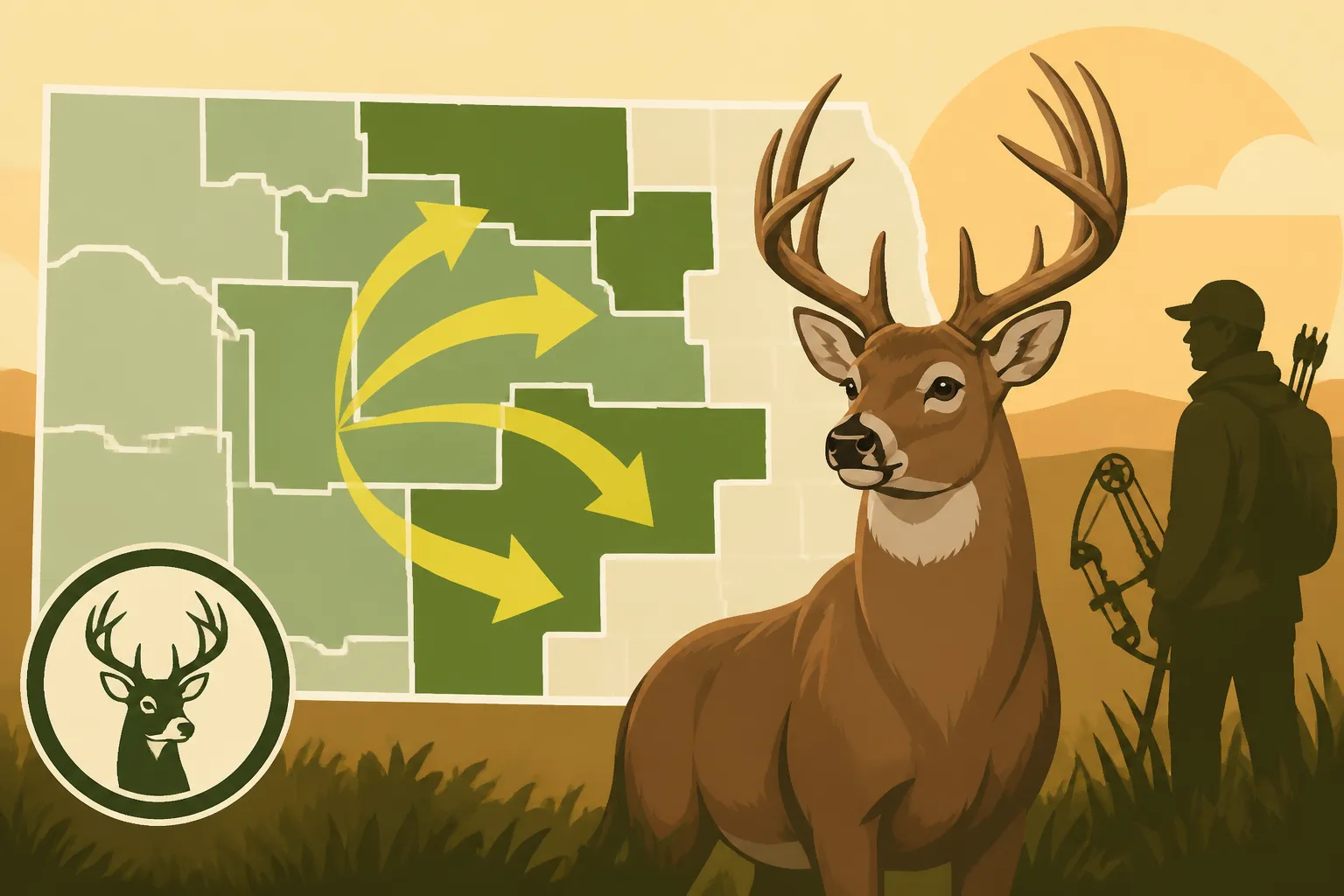
Since that initial detection, the North Dakota Game and Fish Department (NDGFD) has been actively monitoring for CWD. They’ve increased surveillance efforts, particularly in units near the initial detection sites and along the Missouri River corridor, which saw some of the early spread. Understanding How CWD Spread From the Missouri River Corridor is crucial for appreciating the geographic challenges the state faces. Over the years, the number of CWD positive animals and the geographic footprint of the disease have slowly but steadily expanded, leading to the establishment and expansion of specific CWD management units, which are often referred to as North Dakota's Fourteen-Unit CWD Zone for the deer gun season. Each new positive detection is a somber reminder of the ongoing challenge.
The Science Behind CWD: A Prion Disease
To really grasp why CWD is such a tough nut to crack, we need to understand the science of prions. Unlike viruses or bacteria, prions are not living organisms. They are misfolded proteins that can induce normal proteins to misfold in the same way. This chain reaction causes damage to brain tissue, creating sponge-like holes, hence the term "spongiform encephalopathy." What makes prions so formidable is their resistance to conventional sterilization methods like heat, radiation, and disinfectants. They're incredibly stable and can withstand conditions that would destroy most pathogens.
This resilience means that once CWD prions are in the environment, they are extremely difficult, if not impossible, to eradicate. They can persist in the soil, on plants, and even on metallic surfaces. Research is ongoing, but there are currently no vaccines or treatments for CWD in animals. For hunters, this scientific reality underscores the importance of strict management practices and responsible disposal of carcass waste to prevent further environmental contamination and spread.
North Dakota's CWD Hunting Units: Where the Disease is Concentrated
When CWD is detected, the North Dakota Game and Fish Department doesn't just throw their hands up. They implement management strategies, and a key part of that is defining "CWD hunting units." These aren't just arbitrary lines on a map; they are zones where the risk of CWD is higher, and where specific hunting regulations are put in place to monitor and, hopefully, mitigate the disease's spread.
Identifying the Core CWD Units
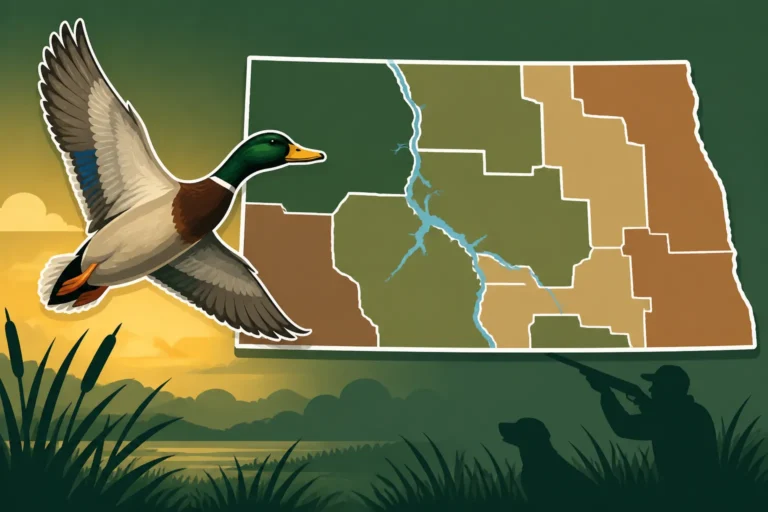
The core CWD units in North Dakota are primarily located in the western and southwestern parts of the state, particularly in and around the Badlands and the Missouri River breaks. These units are designated based on where CWD-positive animals have been detected. The number and boundaries of these units can change over time as surveillance expands and new detections occur. For instance, areas like units 3F1, 3F2, 4A, 4B, and parts of 4C, 4D, and 4E have been central to CWD management efforts due to initial and subsequent detections. It's really important for hunters to regularly check the most current North Dakota Game and Fish Department regulations, as these units and their rules can be updated annually. Understanding which unit you're hunting in and whether it falls within a CWD zone is your first step in responsible hunting.
The NDGFD maintains detailed maps and lists of these units on their website and in their annual hunting guide. Before you even head out for a hunt, especially for deer or elk, you absolutely need to know if your chosen hunting unit is part of the CWD management area. This knowledge will dictate everything from how you transport your harvest to whether mandatory sampling is required.
How CWD Zones Are Established and Expanded
The establishment and expansion of CWD zones are not arbitrary decisions. They are based on scientific data, surveillance results, and a comprehensive risk assessment. When a new CWD-positive animal is detected, wildlife biologists evaluate the location, the species, and the proximity to existing CWD units. If multiple positives are found within a specific geographic area, or if a positive is found significantly outside an existing zone, the NDGFD will consider expanding existing CWD units or designating new ones.
This process involves extensive data analysis, including GPS tracking of deer, prevalence rates in tested animals, and environmental factors. The goal is to create zones that are manageable for monitoring and where specific regulations can be most effective in slowing the spread. It’s a dynamic situation, and what might be a clean unit one year could become a CWD unit the next, which is why staying informed is so critical for every hunter. The health of the deer herd depends on these proactive measures.
Maps and Tools for Navigating CWD Areas
Navigating CWD units and understanding the associated regulations can feel a bit overwhelming, especially when you're just trying to enjoy your hunt. Thankfully, there are some excellent tools available to help. The North Dakota Game and Fish Department's official website is your primary resource, offering up-to-date maps and detailed explanations of CWD units and regulations. They often have interactive maps that allow you to zoom in on specific areas and verify unit boundaries.
Beyond the official state resources, many hunters find third-party mapping applications incredibly useful. Apps like GoHunt or onX Hunt provide detailed land ownership information, unit boundaries, and often overlay specific hunting regulations, including CWD zones. Imagine sitting at home, planning your hunt, and being able to instantly see if your target area is in a CWD unit and what that means for your hunt. These tools can be invaluable for pre-hunt scouting and real-time navigation in the field, making it easier to comply with regulations and ensure you’re hunting ethically and legally. They are truly a game-changer for staying informed and prepared.
Mandatory CWD Testing and Sampling for Hunters
One of the most direct ways hunters contribute to CWD management is through mandatory testing and sampling. This isn't just a bureaucratic hurdle; it's a critical component of surveillance, helping the NDGFD understand North Dakota CWD Prevalence Rate Trends and identify where the disease is present and how widely it's spread. By participating, you're providing vital data that informs future management decisions and helps protect North Dakota's deer and elk populations.
When and Where Mandatory Testing Applies
Mandatory CWD testing is typically required for specific species harvested within designated CWD hunting units. For instance, during the firearms deer season, all deer (mule deer and white-tailed deer) harvested within certain CWD units might be subject to mandatory testing. This often includes units with historically high prevalence or newly detected cases. The species targeted for testing might also include elk if CWD has been detected in those populations within a CWD management zone.
It’s crucial to understand that these requirements are often time-sensitive. The NDGFD may implement mandatory testing on specific weekends during the season, or for the entire season, depending on the unit and current disease status. Non-residents, in particular, need to be hyper-aware of these dates and locations, as failing to comply can result in citations or penalties. Always check the current hunting proclamation for the most up-to-date information on Mandatory Testing Inside a CWD Hunting Unit before you head out.
The CWD Sampling Process: Step-by-Step for Hunters
Participating in CWD sampling is straightforward, but it requires careful attention to detail. After you've successfully harvested an animal in a mandatory testing unit, the process generally involves:
- Locating a Sampling Station: The NDGFD sets up CWD sampling stations, which can be manned check stations or unmanned drop-off sites, within or near CWD units. These locations are usually listed on the NDGFD website and maps, and some might even be marked in hunting apps like GoHunt. You might also find stations at various North Dakota Wildlife Management Areas or specific game processing facilities.
- Preparing the Sample: For deer and elk, the required sample is typically the head, with a portion of the neck still attached, so that brainstem and lymph node tissue can be collected. You'll need to remove the head, being careful to leave the brainstem intact. Some stations might even have staff who can assist or perform the collection for you.
- Filling Out Information: You’ll need to provide your license number, contact information, and the precise location (e.g., unit number, GPS coordinates) where the animal was harvested. This data is vital for tracking the disease.
- Submitting the Sample: Place the head (or collected tissue) in the designated receptacle at the sampling station, ensuring all required information is securely attached. If it's an unmanned drop-off, make sure everything is clearly labeled.
It’s a good idea to bring a cooler or sturdy plastic bags for transport, especially if you have a bit of a drive to the nearest station. Remember, submitting a sample is part of your responsibility as a hunter in a CWD unit, a way to directly contribute to the health of the herd and the future of hunting in North Dakota.
Interpreting Your CWD Test Results: What Happens Next
After you submit your sample, the waiting game begins. The collected tissue samples are sent to a diagnostic lab for testing. This can take several weeks, so patience is key. The NDGFD typically has a system in place where you can check your results online using a unique identification number provided at the sampling station.
If your animal tests negative for CWD, that's excellent news, and you can proceed with processing and consuming the meat with peace of mind. If, however, an animal tests positive for CWD, the NDGFD will usually contact you directly. A positive result is, understandably, a disheartening outcome. In such cases, there are specific recommendations and guidelines regarding Handling Venison From a CWD Hunting Unit. While the Centers for Disease Control and Prevention (CDC) advises against eating meat from CWD-positive animals, there have been no documented cases of CWD transmission to humans. Nonetheless, caution is warranted, and the NDGFD will provide you with the latest public health recommendations. Understanding your North Dakota Deer Reporting Requirements also ties into this, as the state needs accurate data on all harvested animals, especially in CWD zones.
Specific Hunting Regulations Within CWD Units
Hunting in a CWD unit isn't just about testing; it also comes with a set of specific regulations designed to minimize the disease's spread. These rules are in place for a good reason, even if they sometimes feel like an added layer of complexity to your hunting experience. Familiarizing yourself with them is non-negotiable for anyone hunting in these areas.
Carcass Transport Restrictions
One of the most important regulations in CWD units concerns carcass transport. Because CWD prions are concentrated in the brain, spinal cord, lymph nodes, and spleen, transporting an entire carcass from a CWD unit to an uninfected area poses a significant risk of spreading the disease. To prevent this, strict carcass transport restrictions are often implemented.
Generally, only certain parts of a harvested animal can be transported out of a CWD unit. These typically include:
- Deboned meat
- Clean skull plates (antlers attached)
- Hides
- Teeth
- Finished taxidermy mounts
The brain, spinal column, and other high-risk tissues must remain within the CWD unit where the animal was harvested. This means you might need to bone out your deer or elk in the field or at a local processor within the CWD zone. It’s a bit more work, but it’s a crucial step in preventing inadvertent spread. Always verify the current carcass transport rules for your specific unit before you pull the trigger, as they can sometimes vary slightly.
Baiting and Feeding Bans
Another common regulation in CWD units, and in many areas across North Dakota, is a ban on baiting and feeding deer. While seemingly harmless, these practices concentrate animals in small areas, leading to increased direct and indirect contact. When deer congregate, they're more likely to exchange saliva, urine, and feces, which are primary vectors for CWD prion transmission.
The NDGFD, like many wildlife agencies, has implemented North Dakota Baiting Restrictions on National Grasslands and other public and private lands, particularly in CWD zones. This ban is a preventative measure, aiming to reduce the opportunities for disease transmission within the herd. For hunters who rely on baiting, this regulation means adjusting tactics, focusing more on natural food sources, funnels, and traditional hunting methods. It challenges hunters to become even more skilled in reading sign and understanding deer movement.
Special Harvest Opportunities and Antlerless Tags
Sometimes, CWD management strategies in specific units might include special harvest opportunities, particularly for antlerless deer. The logic here is two-fold: reducing overall deer density can help slow the spread of CWD by decreasing animal-to-animal contact, and targeting antlerless animals can help manage population growth.
In units with CWD, you might see an increase in available antlerless tags, or even bonus tags, during the lottery-based North Dakota's Lottery-Based Deer Gun Season. This is a tool to manage herd health and density. For hunters, this can present unique opportunities, perhaps to fill your freezer or to spend more time afield, but it’s always tied to the overarching goal of CWD management. These opportunities require hunters to be even more vigilant in their CWD sampling and adherence to transport rules, as increasing the harvest also increases the number of animals that need to be monitored for the disease.
Hunter Responsibility and Best Practices in CWD Areas
Being a responsible hunter has always been about more than just pulling a trigger. In the age of CWD, our responsibility extends to actively participating in disease management and adopting best practices to protect our wildlife resources. Every hunter has a role to play in mitigating the spread of CWD in North Dakota.
Safe Handling of Harvested Animals
Proper handling of a harvested animal in a CWD unit is paramount, both for disease management and personal safety. When field dressing, always wear gloves. While there's no evidence of CWD transmission to humans, it's always wise to exercise caution when handling any animal tissues. Minimize contact with brain, spinal cord, and lymphatic tissues. If you use tools like knives or saws, make sure to thoroughly clean and disinfect them afterward. A 10% bleach solution (1 part bleach to 9 parts water) is effective at denaturing prions on surfaces, though it's important to allow sufficient contact time.
When it comes to meat processing, bone out the meat and remove as much connective tissue, lymph nodes, and nervous system tissue as possible. Freeze your meat thoroughly. And remember the carcass transport rules discussed earlier – these dictate where and how you can take your meat and remaining carcass parts. Properly disposing of the high-risk carcass parts (head, spinal column, etc.) in a landfill or by burying them deeply within the CWD unit is crucial to prevent environmental contamination. This type of careful handling ensures you're not unknowingly contributing to the spread of the disease.
Contributing to CWD Surveillance and Management
Your involvement doesn't end with submitting a sample. Hunters are the eyes and ears of the prairie and the Badlands. If you observe any deer or elk exhibiting symptoms consistent with CWD – such as extreme emaciation, abnormal behavior, or neurological issues – it’s crucial to report it to the North Dakota Game and Fish Department immediately. Do not attempt to harvest or handle a visibly sick animal yourself. The NDGFD has protocols for investigating these reports and collecting samples safely.
Furthermore, complying with all CWD-related regulations, even if they feel inconvenient, is your direct contribution to the overall management strategy. This includes understanding the specific requirements for your hunting unit, adhering to carcass transport rules, and following any baiting or feeding bans. Your active participation is invaluable in monitoring and slowing the spread of this insidious disease. Without hunters' cooperation, wildlife managers would be largely blind to the true extent of CWD.
Ethical Considerations and Long-Term Impact
Beyond the regulations, there are ethical considerations that come into play when hunting in CWD areas. It's about respecting the animals, the land, and the future of hunting. This means being honest and precise when reporting harvest locations for testing, as accurate data is critical. It also means educating fellow hunters who might not be as informed about CWD and its implications.
The long-term impact of CWD on North Dakota’s cervid populations and hunting traditions is still somewhat uncertain, but it could be significant. Continued disease spread could lead to reduced herd sizes, changes in hunting seasons or tag availability, and a shift in public perception of wild game meat. By adhering to best practices and staying informed, we, as hunters, are doing our part to minimize these negative impacts. We're showing a commitment to conservation that goes beyond personal harvest, ensuring that future generations can enjoy the same rich hunting heritage we cherish today, whether it's Bowhunting North Dakota's Long Archery Season or chasing big game in Elk Hunting North Dakota's Badlands.
The Future of CWD Management and Hunting in North Dakota
The fight against CWD is an ongoing marathon, not a sprint. While the disease presents significant challenges, the North Dakota Game and Fish Department, along with research institutions and hunters, is continuously working to understand, manage, and hopefully, mitigate its impact. The future of CWD management in North Dakota will undoubtedly involve continued vigilance, adaptability, and collaboration.
Research and Development in CWD Solutions
Scientists are relentlessly working on solutions for CWD, although progress is slow due to the unique nature of prions. Research is focusing on several key areas:
- Detection Methods: Developing faster, more accurate, and less invasive ways to detect CWD in live animals and the environment. This could eventually lead to new field tests that provide results quicker, making real-time management decisions more feasible.
- Environmental Remediation: Exploring methods to decontaminate environments where prions have accumulated, such as specific soil treatments or biological agents that can break down prions.
- Genetic Resistance: Identifying genetic traits in cervids that confer resistance to CWD. If resistant animals can be identified, selective breeding programs or other management strategies could potentially be developed in the very long term to bolster herd immunity.
While a "cure" for CWD is not on the immediate horizon, these research efforts are vital. They represent our best hope for developing more effective tools to combat the disease, and every small breakthrough brings us closer to better protecting our wildlife.
Potential Future Regulations and Policy Changes
Given the dynamic nature of CWD, it’s reasonable to expect that North Dakota’s hunting regulations and policies will continue to evolve. As North Dakota CWD Prevalence Rate Trends are monitored, and as new scientific information becomes available, the NDGFD will adapt its approach. This might include:
- Changes in Unit Boundaries: Expanding or adjusting CWD unit boundaries based on new detections.
- Mandatory Testing Modifications: Altering the timing, location, or species requiring mandatory CWD testing.
- Herd Reduction Initiatives: Implementing more aggressive antlerless harvest targets in certain CWD units to reduce deer density, potentially through earlier seasons or increased tag allocations, or even late-season culls.
- Enhanced Carcass Disposal Options: Developing more accessible and convenient options for hunters to dispose of high-risk carcass parts within CWD zones.
Staying informed by regularly checking the NDGFD website and official hunting proclamations is the best way to prepare for any potential changes. Your feedback as a hunter, when solicited, can also play a role in shaping these policies, ensuring they are practical and effective for the hunting community.
The Resilient North Dakota Hunter: Encouragement and Community
It’s easy to feel disheartened by the challenges CWD presents, but the North Dakota hunting community is known for its resilience and dedication. We love our land, our wildlife, and our traditions deeply. CWD is a test of that commitment, but it's not a reason to give up. Instead, it’s an opportunity to come together, learn more, and demonstrate our collective responsibility as stewards of the land.
From participating in CWD Testing for North Dakota Hunters to sharing information with new hunters, every action contributes to a larger effort. Organizations like the North Dakota Hunters Association and local conservation groups are also vital in disseminating information and advocating for sound wildlife management. By working together, staying informed, and adapting our practices, we can continue to enjoy the incredible hunting opportunities North Dakota offers, preserving them for generations to come. Your passion for the outdoors is our greatest asset in this ongoing challenge.
CWD Unit Summary Table
To help keep track of the key aspects of hunting in North Dakota's CWD units, here's a quick reference table:
| Aspect | Description | Key Actions for Hunters |
|---|---|---|
| CWD Units | Specific geographic areas (e.g., deer gun units) where CWD has been detected or is considered a high risk for spread. | Always check the current NDGFD proclamation for designated CWD units before hunting. |
| Mandatory Testing | Required submission of specific tissue samples (typically head) from harvested cervids within designated units during specified times. | Identify sampling stations, follow instructions carefully, and submit your sample. |
| Carcass Transport | Restrictions on moving high-risk carcass parts (brain, spinal cord, lymph nodes) out of CWD units. | Debone meat in the field or at a processor within the CWD unit. Dispose of high-risk parts properly. |
| Baiting/Feeding Bans | Prohibitions on placing bait or feed that concentrates deer, aiming to reduce disease transmission risk. | Avoid all baiting and feeding practices in designated CWD areas. |
| Sick Animal Reporting | Encouragement to report any cervids exhibiting CWD symptoms (emaciation, neurological signs, abnormal behavior). | Do not approach or harvest. Immediately report sightings to NDGFD. |
| Meat Consumption | CDC advises against consuming meat from CWD-positive animals, though no human cases have been documented. | Wait for test results before consuming. Follow NDGFD health advisories if positive. |
Disclaimer
This guide is intended for informational purposes only and is not a substitute for official regulations. Hunting laws and CWD regulations in North Dakota are subject to change. Always consult the most current North Dakota Game and Fish Department hunting proclamation and official resources before engaging in any hunting activities.