Why Antlerless Licenses Are Unavailable in Some Units
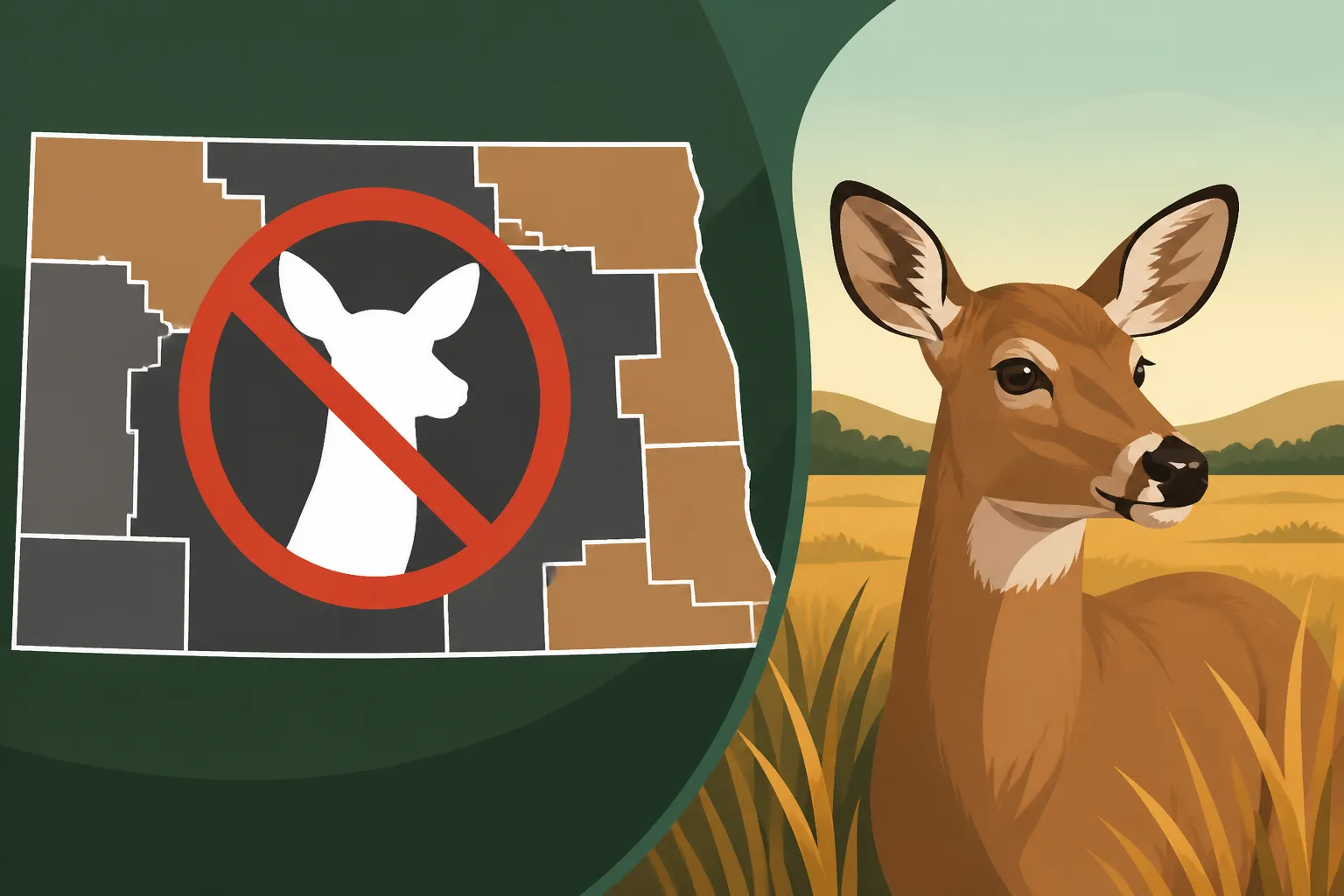
It's incredibly frustrating when you're looking forward to deer season, dreaming of filling the freezer, and then you check the North Dakota Game and Fish Department's proclamation and find that antlerless licenses just aren't available in your preferred unit. You might have hunted that area for years, or maybe you've been scouting a promising spot, only to hit a wall. This guide is going to dive deep into the specific reasons why antlerless deer tags can be absent in certain North Dakota hunting units, helping you understand the complex science and management decisions at play.
The Intricacies of North Dakota's Deer Management Philosophy
When you see a unit with no antlerless tags, it’s not a random decision; it’s the result of carefully considered management strategies by the North Dakota Game and Fish Department (NDGFD). Their primary goal is to maintain a healthy and sustainable deer population across the state, balancing ecological factors, landowner tolerance, and hunter opportunity. This means that every unit is essentially its own little ecosystem, with specific challenges and objectives that influence tag allocation.
Deer Population Health and Dynamics
The availability of antlerless tags is directly tied to the health and size of the deer population within a specific hunting unit. Game and Fish biologists spend countless hours monitoring these populations, gathering data through aerial surveys, hunter harvest reports, and landowner input. When these numbers indicate a decline, reducing or eliminating antlerless tags is one of the most immediate and effective ways to allow the herd to rebound.
- Winter Severity: North Dakota winters can be brutal, especially in the western and central parts of the state. A severe winter, with prolonged periods of deep snow and extreme cold, can drastically impact deer survival, particularly fawns and older does. If a unit experiences heavy winter mortality, biologists will often cut antlerless tags to help the remaining breeding population recover. This directly affects the overall North Dakota Deer Population Estimate.
- Fawn Recruitment: The number of fawns that survive to adulthood, known as fawn recruitment, is a critical indicator of herd health. Factors like severe weather during fawning season, increased predation, or poor habitat quality can lead to low fawn recruitment. When fawns aren't surviving at optimal rates, reducing antlerless harvest ensures more does are available to breed in subsequent years, bolstering future fawn crops.
- Disease Outbreaks: Diseases like Epizootic Hemorrhagic Disease (EHD) can decimate local deer populations in a very short time. If a unit has recently experienced a significant EHD die-off, as has happened in several parts of North Dakota over the years, the NDGFD will drastically reduce or eliminate antlerless tags to give the surviving deer a chance to rebuild. Understanding EHD Die-Offs in North Dakota Deer is crucial for appreciating these management decisions.
Habitat Carrying Capacity and Unit-Specific Conditions
Not all acres are created equal, and the ability of a particular unit's habitat to support deer varies wildly across North Dakota. This carrying capacity plays a huge role in how many deer a unit can sustain and, consequently, how many antlerless tags are issued.
- Food and Cover Availability: A unit with limited high-quality food sources, sparse winter cover, or fragmented habitat simply cannot support as many deer as a unit with abundant agricultural fields, dense shelterbelts, and vast tracts of undisturbed wilderness. If a unit's habitat is stressed or degraded, reducing deer numbers through tag limitations prevents overpopulation and ensures the remaining deer have enough resources.
- Landowner Tolerance: Believe it or not, landowner tolerance is a significant factor. Farmers and ranchers often deal with deer crop depredation or damage to hay bales. In areas where these issues are less prevalent, or where deer populations are naturally lower, landowners may prefer fewer deer. However, in units where deer numbers are already low, there's less pressure to issue antlerless tags for damage control, and the focus shifts to population growth. This is especially true for the North Dakota Deer Damage Permits for Farmers program, which is a separate tool for extreme cases.
- Local Management Objectives: Each hunting unit might have slightly different management objectives. Some units, particularly those in areas like the Badlands, might be managed for quality "any-deer" opportunities, focusing on older, larger-antlered bucks. To achieve this, biologists may intentionally reduce the number of does to optimize buck-to-doe ratios and improve herd genetics. You can often see these efforts when you study the North Dakota Buck-to-Doe Ratio by Region.
Navigating the Challenges of Antlerless Tag Scarcity
When antlerless tags are scarce in your desired unit, it forces hunters to rethink their strategy. It’s not just about drawing a tag, but about understanding the broader landscape of opportunities and being adaptable.
Understanding the Lottery System's Nuances
North Dakota's deer hunting is primarily managed through a lottery system for its North Dakota's Lottery-Based Deer Gun Season. The allocation of antlerless tags within this system is incredibly dynamic and reflective of the health of each unit's deer population.
- Application Strategy: If you're set on a particular unit, but see very few or no antlerless tags available, it might mean you need to adjust your application strategy. This is where tools like GoHunt, which can provide historical tag allocation data and draw odds, become invaluable. You can research which units historically have more antlerless opportunities or which units might be seeing a rebound in deer numbers. Looking at the North Dakota Deer Harvest Records for previous years can also give you insight into population trends.
- Bonus Tags and Other Options: While rare in units with zero antlerless tags, some units that might have limited regular antlerless tags could offer bonus antlerless tags. These are usually available after the initial lottery for specific units with higher deer populations, or for specific areas like urban deer management zones. It's always worth checking the latest proclamation for details on North Dakota Bonus Antlerless Tag Purchase Rules.
- Impact on Hunter Opportunity: The lack of antlerless tags can significantly reduce overall hunter opportunity, especially for those looking to fill their freezer or introduce new hunters to the field. For many, harvesting a doe is a key part of their hunting experience. When those opportunities are limited, it can push hunters towards units with better prospects or encourage them to consider alternative species.
Exploring Alternative Units and Hunting Methods
If your first choice unit is a bust for antlerless tags, don't despair! North Dakota is a vast state with diverse deer habitats. It's time to broaden your horizons and consider other possibilities.
- Researching High-Opportunity Units: Some regions, particularly the eastern and central parts of the state with abundant agricultural land and robust whitetail populations, often have more consistent antlerless tag availability. You might need to adjust your expectations about trophy size, but these units can be fantastic for filling your tag. Using resources like GoHunt's mapping layers can help you pinpoint areas with strong deer populations and favorable tag allocations. You could also dive into the North Dakota Deer Density by Region data to find where the numbers are.
- Private vs. Public Land: Antlerless tags can sometimes be more readily available on private land units, especially where landowners are actively managing for population control. This means dedicating time to Getting Private Land Permission in North Dakota. Knocking on doors and building relationships with landowners can unlock incredible opportunities that might not be visible on public land maps. Even in units with limited public land antlerless tags, private land permissions might still offer options.
- Considering Other Seasons: If gun season antlerless tags are proving elusive, remember North Dakota has other deer hunting seasons. The Bowhunting North Dakota's Long Archery Season offers a much longer timeframe, and while tags are still unit-specific, the pressure might be different. Similarly, Muzzleloader Deer Hunting in Select North Dakota Units can sometimes provide unique opportunities later in the season. These options might not always offer more antlerless tags, but they provide different avenues to pursue deer.
A Look at Historical Trends and Future Outlook
Understanding why antlerless tags are unavailable in some units isn't just about the current year; it's about recognizing patterns and trends that shape deer management over time.
| Unit Scenario | Primary Reason for Limited/No Antlerless Tags | Management Goal | Impact on Hunters |
|---|---|---|---|
| Western Badlands Unit | Severe winter mortality, low mule deer fawn recruitment. | Rebuild mule deer population, improve buck-to-doe ratio. | Fewer general deer tags, strong competition for "any-deer" tags. |
| Central Prairie Unit | Recent EHD outbreak, localized habitat degradation. | Allow herd to recover from disease, support habitat restoration. | Significant reduction in available tags, potential season closures. |
| Northeastern Agricultural Unit | Lower overall deer density, focus on increasing herd size in specific pockets. | Grow local deer populations, balance with agricultural impacts. | Limited antlerless tags, emphasis on "any-deer" for herd growth. |
| Missouri River Corridor Unit | Historical high hunting pressure, desire to maintain quality buck hunting. | Optimize buck age structure, prevent over-harvest of does. | Antlerless tags can be very limited, high demand for any tags available. |
- Long-Term Population Cycles: Deer populations naturally fluctuate over time, influenced by environmental factors, habitat changes, and hunting pressure. North Dakota has experienced significant shifts in its deer numbers over the decades, leading to corresponding changes in tag allocations. For example, a few years ago, the state issued a record number of licenses, but then saw Why 2026 Licenses Hit a Fifty-Year Low due to multiple factors. These cycles mean that a unit with no antlerless tags this year might have them again in the future.
- The Role of Hunter Education: Even when tags are plentiful, responsible hunting is key to sustainable populations. Taking North Dakota Hunter Education Requirements seriously helps ensure that every hunter understands their role in conservation and ethical harvesting practices, which indirectly supports the health of all deer herds, including those needing to rebuild.
- Adapting Your Hunting Plans: Ultimately, the unavailability of antlerless tags in certain units means hunters need to be flexible. It’s a call to action to do your research, scout new areas (perhaps using your GoHunt subscription to analyze historical data and potential hotspots), and be prepared to explore different hunting opportunities. Whether that means focusing on a buck in a less-pressured area or trying your hand at Sharptail Grouse Hunting Mixed Grass Prairie instead, adaptability is the hunter’s best friend.
Disclaimer
The information provided in this guide is for general informational purposes only and does not constitute legal advice. Hunting regulations, license availability, and season dates are subject to change. Always consult the most current North Dakota Game and Fish Department proclamations and regulations before planning any hunting activity.