Can You Apply for Elk and Moose the Same Year?
For many North Dakota hunters, the dream of chasing both an elusive elk and a majestic moose in our beautiful state can feel like hitting the jackpot. It’s a completely understandable desire, especially when you consider the truly special nature of these animals in our landscape. However, the path to drawing one of these coveted tags, let alone two, is often shrouded in questions and a fair bit of hopeful wishing. This guide is here to untangle the complexities and clarify whether applying for both North Dakota elk and moose in the same year is even possible, and what that journey truly entails.
Understanding North Dakota's Big Game Lottery System
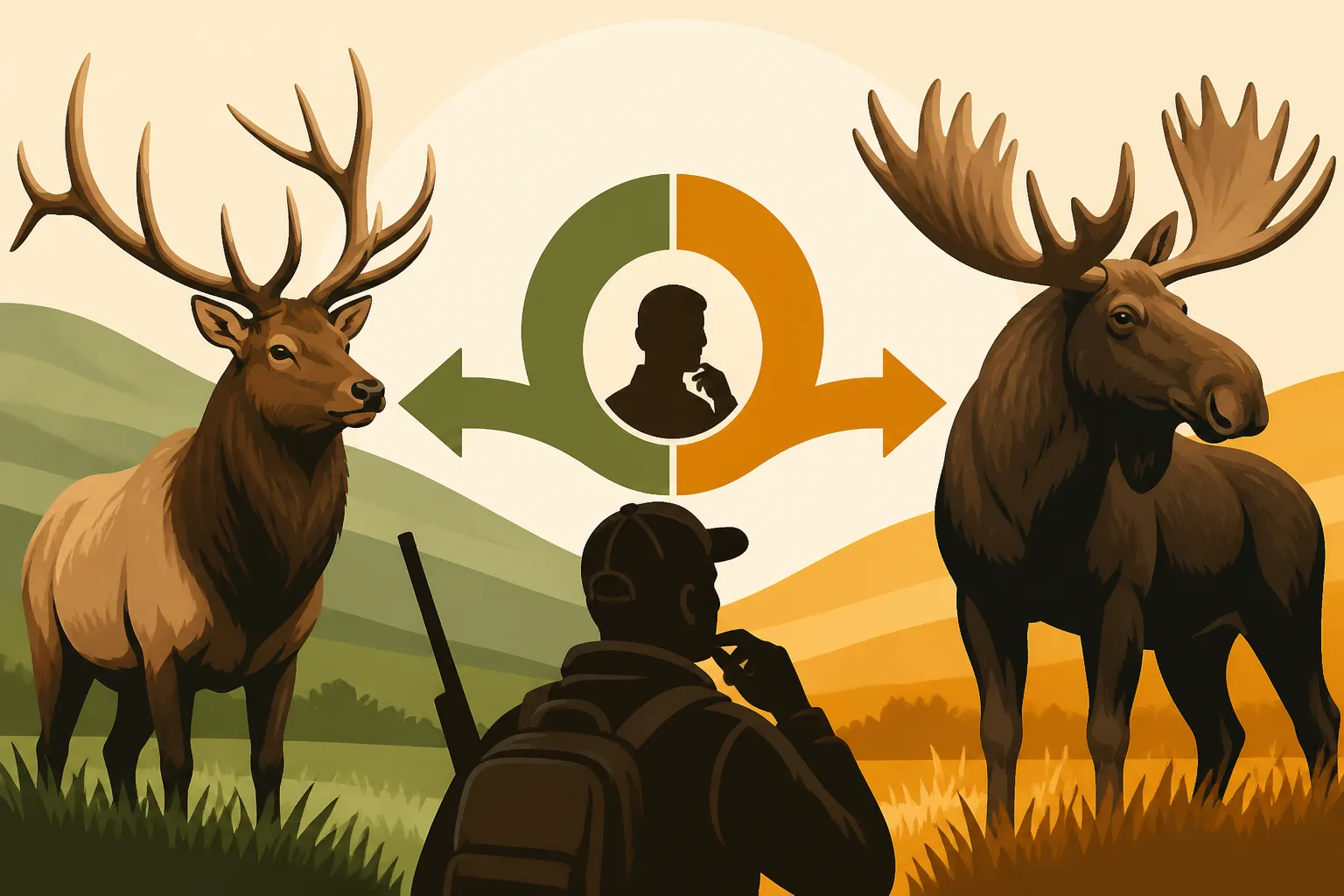
Let's cut right to the chase because this is the question on everyone's mind: yes, as a North Dakota resident, you absolutely can apply for both an elk and a moose license in the same year. It's a common misconception that you have to choose between these two incredible opportunities, and many hunters breathe a sigh of relief when they learn they don't have to pick a favorite child. However, while you can apply for both, the reality of drawing either, let alone both, is a testament to the rarity and high demand for these once-in-a-lifetime tags.
The "Once-in-a-Lifetime" Philosophy Explained
North Dakota operates on a very specific "once-in-a-lifetime" philosophy for certain big game species, and this is where the major catch comes in. When you successfully draw an elk tag or a moose tag, you are generally marked as having received that specific species’ once-in-a-lifetime opportunity. This means that if you are fortunate enough to draw and harvest an elk, you won't be able to draw another North Dakota elk tag in the future. The same goes for moose. This system is designed to spread out the limited opportunities among as many hunters as possible, ensuring that more residents get a chance at these truly special hunts.
This is a critical distinction to grasp. It's not about how many times you apply; it's about how many times you draw and harvest a specific species. So, if you were to apply for both elk and moose in the same year, and by some incredible stroke of luck, you drew both tags, you would essentially be taking both of your "once-in-a-lifetime" opportunities in a single season. It's a fantastic problem to have, but it truly underscores the unique nature of these North Dakota hunts. You'll want to read more about North Dakota's Once-in-a-Lifetime Big Game Licenses to fully appreciate what this means for your long-term hunting plans.
The Reality of Resident-Only Draws
Before we go any further, it's absolutely crucial to highlight that these incredible opportunities are strictly for North Dakota residents. For those of us living outside the state, the dream of drawing a North Dakota elk or moose tag, unfortunately, remains just that—a dream. The state prioritizes its residents for these highly sought-after species, a policy that, while sometimes frustrating for nonresidents, helps maintain hunting opportunities for those who call North Dakota home. So, if you're planning your hunting adventures from out of state, your focus will need to be on other species and opportunities available to nonresidents. You can learn more about this specific policy by looking into Why Elk, Moose and Pronghorn Stay Resident-Only.
This resident-only rule means the competition, while fierce, is contained within the state's hunting population. It simplifies things in one sense, by not having to contend with a nationwide applicant pool, but the odds remain incredibly slim due to the limited number of tags issued each year.
Navigating the Application Process for Elk and Moose
Applying for North Dakota's big game lottery can feel a bit like wading through quicksand if you're not familiar with the system. While the North Dakota Game and Fish Department (NDGFD) strives to make the process as straightforward as possible, there are still deadlines, specific steps, and unit choices to consider. When you're thinking about applying for both elk and moose, it's like doubling the amount of detail you need to pay attention to.
Key Deadlines and Online Submission
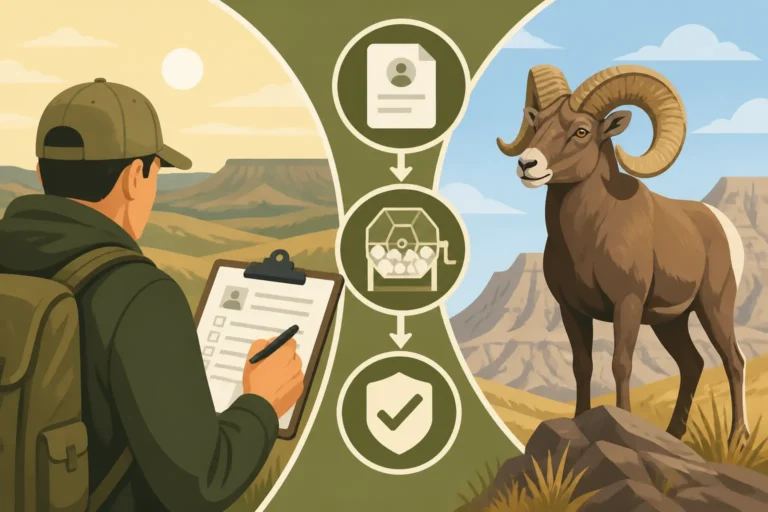
The application period for both elk and moose generally runs concurrently, typically kicking off in May with a deadline in June. It's absolutely vital to mark these dates on your calendar because missing the deadline means missing your chance entirely for that year. Imagine the frustration of spending months dreaming about an elk hunt only to realize you forgot to hit "submit" in time – it happens, and it's heartbreaking.
The application process is handled entirely online through the NDGFD's licensing portal. You'll need an active North Dakota hunting license (which includes a general game and habitat license) to even begin. Once logged in, you'll find separate sections for the elk and moose lotteries. For each species, you'll be asked to select your preferred hunting units. This is where your scouting and research truly pay off. Choosing the right unit, based on population estimates, public land access, and your hunting style, can make all the difference, even if the odds are long.
Here's a quick overview of typical application details:
| Species | Application Period (Approx.) | Deadline (Approx.) | License Fee (if drawn) | Once-in-a-Lifetime |
|---|---|---|---|---|
| Elk | Early May – Early June | June 3 | $30 (resident) | Yes |
| Moose | Early May – Early June | June 3 | $30 (resident) | Yes |
Remember, these are general timelines. Always double-check the official NDGFD website for the precise North Dakota Elk Application Deadline and North Dakota Moose Application Deadline for the current year. It's a small detail that can have huge consequences!
What to Expect During the Draw Period
After you've submitted your applications for both elk and moose, the waiting game begins. This period, typically from the June deadline until the draw results are usually announced in late June or early July, can be a time of intense anticipation. You'll likely check your email inbox and the NDGFD website daily, hoping for good news.
When the results are released, it's usually a binary outcome for each species: either you drew a tag or you didn't. There are no "partial" draws or secondary opportunities for these once-in-a-lifetime tags. If you drew an elk tag, congratulations! You've secured one of the most coveted hunting opportunities in the state. If you drew a moose tag, the same excitement applies. If you're one of the incredibly few to draw both, well, prepare for an unforgettable fall!
For those who don't draw, the good news is that there are typically no negative consequences for applying again the following year. North Dakota does not use a preference point system for elk, moose, or bighorn sheep. This means every applicant, regardless of how many years they've applied unsuccessfully, has the same chance in the random draw each year. While it can be frustrating to not build points, it also means a first-time applicant has just as much of a shot as someone who's been applying for decades. This is a system where pure luck reigns supreme, making the draw even more exciting.
Strategic Considerations for Double Applications
While applying for both elk and moose might seem like a no-brainer to maximize your chances of drawing something, there are genuine strategic and logistical considerations that every hunter should ponder before submitting those applications. It's not just about the odds; it's about what happens if you actually beat those odds.
Weighing Your Chances and Desires
Let's be realistic: the odds of drawing an elk or moose tag in North Dakota are incredibly slim, often less than 1% for many units, and sometimes even lower. The number of tags issued for each species is very small, reflecting their limited populations and the state's careful management. For example, in recent years, the total number of elk licenses issued might hover around a few hundred, and moose licenses even fewer, sometimes under 100 statewide. You can research North Dakota Elk Hunt Success Rates and North Dakota Moose Hunt Success Rates to get a clearer picture of the challenge.
So, when you apply for both, you're essentially playing two very long-shot lotteries at once. For many, the thought process is, "Why not? It's just a few extra dollars for the application fee, and it doubles my chances of drawing a once-in-a-lifetime tag." And honestly, that's a perfectly valid perspective. If your primary goal is simply to hunt one of these magnificent creatures in North Dakota, applying for both is the logical choice.
However, consider your true desire. Do you have a burning passion to hunt elk, or is moose your ultimate dream? While drawing either would be incredible, if you drew an elk tag, would you feel a pang of disappointment that it wasn't a moose, or vice versa? For most, either would be a joyous occasion, but it's worth a moment of introspection. Tools like GoHunt can provide valuable insights into specific unit draw odds and historical data, which can help you make an informed decision on which units to apply for, maximizing your chances for your preferred species or simply for any tag at all.
Financial and Time Commitments Post-Draw
Now, let's talk about what happens if you actually draw one or, miraculously, both tags. A big game hunt in North Dakota, especially for elk or moose, is a significant undertaking. We're talking about more than just a quick weekend trip.
- Financial Investment: Beyond the license fee, you'll have gear, travel, lodging, food, and potentially meat processing and taxidermy costs. An elk or moose hunt can easily run into thousands of dollars, depending on how you approach it. If you draw two tags in one year, you're looking at a doubled financial commitment, often back-to-back.
- Time Off Work: Hunting these animals, particularly in challenging terrain like the Badlands for elk or the dense river bottoms for moose, requires time. We're talking about dedicated days, possibly weeks, for scouting, hunting, and then processing your harvest. Imagine planning for Packing for an Eight-Day Elk Hunt and then having to immediately shift gears to a moose hunt. It's a wonderful problem to have, but it's a huge commitment of vacation days and family time.
- Physical Demands: Elk hunting in the Badlands is physically demanding, often involving significant hiking and climbing. Moose hunting, while potentially less vertical, can mean navigating thick cover and swamps. If you draw both, are you physically prepared for two such intense hunts in one season? This is where an honest self-assessment of your fitness level is crucial.
For many hunters, drawing one tag is enough of a logistical and financial stretch. Drawing two would be a true test of resources and dedication. It's important to have a frank conversation with yourself and your family about the potential realities before you apply for both.
What Happens If You Draw Both Elk and Moose Tags?
Let's imagine the impossible happens. You apply for both North Dakota elk and moose, and against all odds, you draw a tag for each in the same lottery. First off, congratulations! You've just unlocked what many hunters would consider the ultimate North Dakota big game season. This is truly the stuff of hunting legends around the campfire.
The Once-in-a-Lifetime Impact
The primary consequence of drawing both tags in one year is that you will have used both of your "once-in-a-lifetime" opportunities simultaneously. As we discussed, once you harvest an elk with that special tag, you won't be able to draw another North Dakota elk license. The same rule applies to moose.
This means that your incredible double draw marks the end of your ability to pursue these specific species in future North Dakota lotteries. It's a bittersweet reality: the thrill of the double hunt is immense, but it closes the door on future draws for those animals. However, for many, the experience of a lifetime is worth that trade-off. After all, few hunters ever get one of these tags, let alone two in a single year! You can delve deeper into what this truly implies by reviewing topics like What a Once-in-a-Lifetime Elk Tag Means and What a Once-in-a-Lifetime Moose Tag Means.
Planning for the Hunts of a Lifetime
If you do manage to draw both, your fall is going to be incredibly busy, exciting, and memorable. Now the real planning begins.
- Prioritization: You'll need to look at the season dates for your specific elk and moose units. Often, these seasons can overlap or run very close together, requiring meticulous scheduling. You might decide to prioritize one hunt over the other based on timing, personal preference, or the specific unit drawn. For instance, if your elk unit is known for producing during a specific rut window, you might focus your efforts there first.
- Logistics: Think about the gear you'll need. While some items, like rifles and optics, might overlap, specific clothing for different terrains or weather conditions might be necessary. Consider your travel plans between potential hunting areas. Are you looking at the rugged Badlands for elk and then the thick, timbered river bottoms for moose in the eastern part of the state? These are vastly different landscapes.
- Scouting and Preparation: Each hunt will require its own dedicated scouting. For elk, you'll be trying to understand Glassing for Moose in River Bottom Willows can give you a better idea of what to look for in different habitats. Use resources like the NDGFD's maps and online tools to identify potential access points, bedding areas, and food sources. This preparation is paramount for success on such challenging hunts.
- Teamwork: Consider recruiting a strong support team of friends or family for both hunts. Having extra hands for packing out meat, scouting, or simply celebrating success can make a huge difference. These truly are opportunities meant to be shared, even if only one person has the tag.
- Meat Processing and Storage: Harvesting two large animals like an elk and a moose in one season means a massive amount of wild game meat. Ensure you have the cooler space, freezer capacity, and processing plan in place before you even head into the field. This is a good problem to have, but it's a significant logistical challenge.
Drawing both an elk and moose tag in North Dakota is an extremely rare and extraordinary event. It promises an unparalleled hunting season, demanding significant planning, effort, and resources, but offering memories and meat that will last a lifetime.
Disclaimer
Hunting regulations and season dates can change. Always consult the official North Dakota Game and Fish Department (NDGFD) website or their current hunting guide for the most up-to-date and accurate information before planning any hunting trip. This article is intended for informational purposes only and does not constitute legal advice.