North Dakota Deer Farm Regulations
Understanding the ins and outs of deer farming and captive cervid regulations in North Dakota can feel like navigating a maze, especially when the rules are constantly evolving to protect both captive and wild populations. Hunters, landowners, and even those just curious about wildlife management often find themselves scratching their heads over the distinctions and restrictions. This guide aims to demystify North Dakota's deer farm regulations, shedding light on the licensing, health standards, and implications for the state's treasured wild deer herds, so you can clearly understand what's involved.
The Landscape of Deer Farming in North Dakota
Deer farming, or more broadly, captive cervid operations, have a distinct presence in North Dakota. These aren't your typical agricultural ventures, as they deal with a species that, in its wild form, is a public trust resource. The state has a delicate balance to strike between allowing these operations and safeguarding its wild deer, elk, and moose populations. It’s a complex issue, often sparking passionate debate among hunters and conservationists.
Why Deer Farms Exist and Their Purpose
The reasons behind establishing a deer farm are varied, often driven by economic opportunities or specific conservation goals. One of the primary motivations is commercial breeding for venison production. Demand for specialty meats can create a niche market for farm-raised deer. These operations focus on specific breeds known for rapid growth and meat quality. Another significant aspect is antler production, especially for velvet antler, which is used in traditional medicine or as a dietary supplement. Some farms also specialize in breeding specific genetic lines for trophy potential, selling live animals to other fenced hunting operations or for private collections, though such operations are heavily scrutinized.
Beyond commercial interests, some captive cervid facilities play a role in research, studying genetics, disease resistance, or reproductive strategies. They can also contribute to conservation efforts, particularly in breeding programs for rare or endangered cervid species, or for restocking wild populations in other areas (though this is less common with North Dakota's native deer species). However, even with these varied purposes, the overarching concern remains the potential impact on North Dakota's wild deer populations, which is why regulations are so stringent.
Key Regulatory Bodies and Their Roles
In North Dakota, the oversight of captive cervid operations is primarily a dual effort involving both the North Dakota Game and Fish Department (NDGFD) and the North Dakota Department of Agriculture (NDDA). Each agency has specific responsibilities, creating a layered regulatory framework designed to ensure compliance and mitigate risks.
The NDGFD focuses on wildlife management aspects, particularly concerning disease transmission to wild populations and the genetic integrity of native species. They are heavily invested in ensuring that captive facilities don't pose a threat to the state's natural resources. For instance, they play a crucial role in managing issues like North Dakota's Expanding CWD Hunting Units and monitoring the overall health of the wild deer herd.
The NDDA, on the other hand, typically handles the agricultural and animal health components. This includes licensing facilities, setting standards for animal welfare, regulating movement and commerce of captive cervids, and overseeing disease testing protocols. They function much like they would for other livestock operations, but with the added layer of vigilance required for cervids due to diseases like Chronic Wasting Disease (CWD). Both agencies collaborate closely, recognizing that the health of captive herds directly impacts the health of wild herds, and vice-versa. This dual oversight system can sometimes feel like a lot to navigate, but it’s there for a good reason.
Navigating North Dakota's Captive Cervid Regulations
Anyone considering or currently operating a deer farm in North Dakota quickly learns that strict adherence to regulations is not optional; it's fundamental. These rules are designed to protect both the investment of the farmer and the ecological health of the state's wild game. It’s not just about erecting a fence; it’s about a comprehensive approach to animal husbandry, biosecurity, and compliance.
Licensing and Permit Requirements
Before you can even dream of having a captive deer operation in North Dakota, you're going to need the proper credentials. The North Dakota Department of Agriculture (NDDA) is typically the initial point of contact for obtaining the necessary licenses. This isn't a simple handshake and a promise; it's a formal application process that scrutinizes your plans and facilities. You'll need to submit detailed blueprints of your proposed enclosures, outlining fence heights, materials, and security measures designed to prevent escape and prohibit unauthorized entry.
There are specific fees associated with these applications and annual renewals, which can vary depending on the size and type of your operation. This might include permits for captive cervid possession, permits for importation, and possibly permits for specific breeding or commercial activities. It's vital to remember that these aren't "set it and forget it" licenses. Regular inspections by both the NDDA and NDGFD are part of the deal, ensuring ongoing compliance with all regulations. Missing a renewal or failing an inspection can lead to hefty fines, revocation of your license, or even the forced removal of your animals. Staying on top of these requirements is paramount, and resources like GoHunt often highlight the importance of understanding all state-specific regulations.
Enclosure and Facility Standards
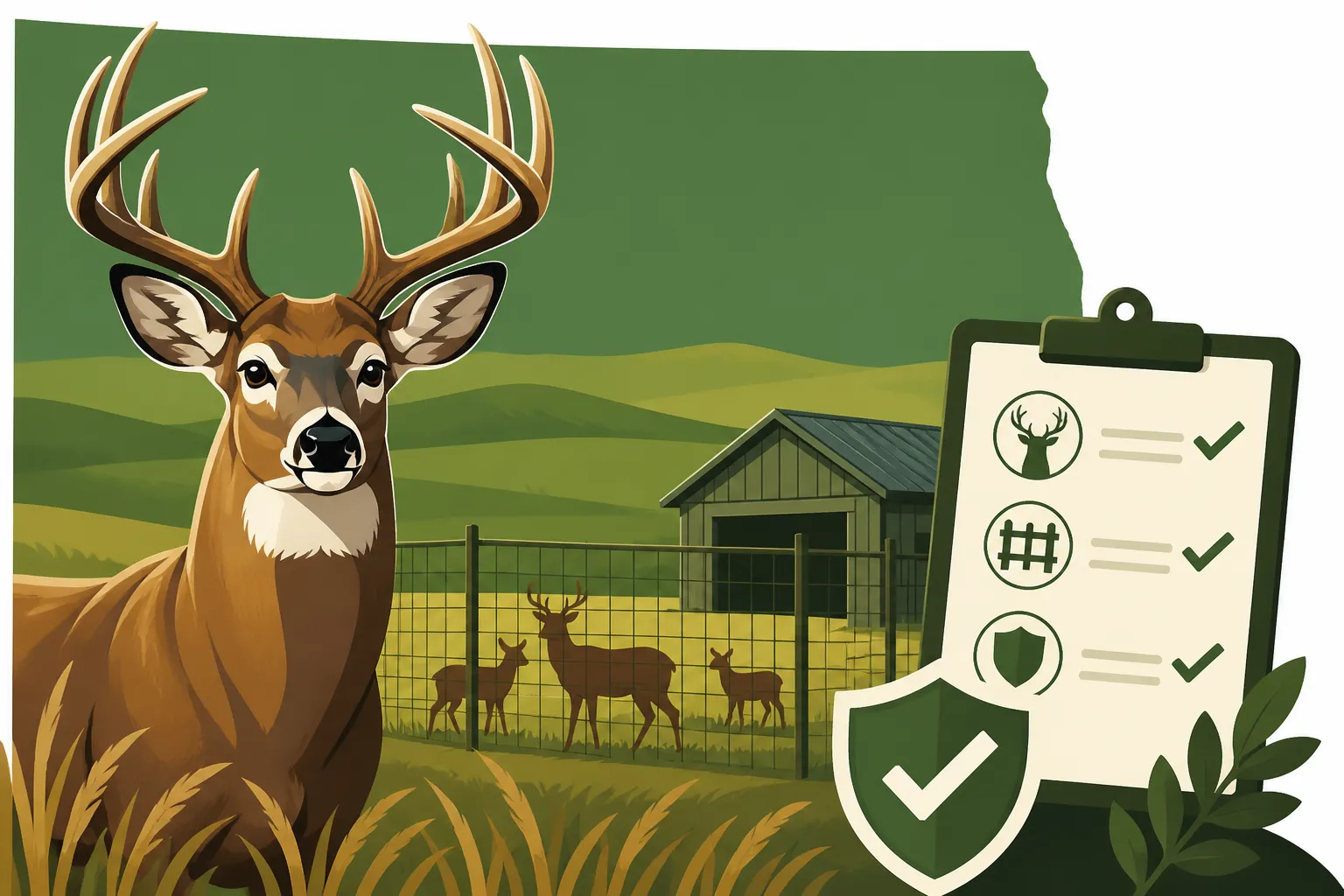
The physical infrastructure of a deer farm is perhaps the most critical aspect from a regulatory standpoint. North Dakota mandates incredibly robust enclosure standards to prevent two main concerns: the escape of captive animals into wild populations and the ingress of wild animals into the captive herd. The fence isn't just a boundary; it's a crucial biosecurity barrier.
Typically, fences must be a minimum of 8 to 10 feet high, constructed with specific materials like woven wire or high-tensile mesh designed to withstand the strength of a deer. They often require specific buried components or aprons to prevent animals from digging underneath. Double-fencing systems, with an outer perimeter fence, might also be required in certain high-risk areas or for specific species, creating an extra layer of protection. Gates must be secure and self-latching, and all entry and exit points are subject to inspection.
Beyond the fencing, facilities must include adequate housing that provides shelter from the elements, access to clean water, and sufficient space for the animals to thrive. The design must also facilitate ease of animal handling for health checks, tagging, and necessary veterinary procedures. Pens for holding individual animals, quarantine facilities for new arrivals, and feed storage areas are all scrutinized to ensure they meet health and welfare standards. The goal is to create an environment that minimizes stress for the deer while maximizing biosecurity and preventing interaction with their wild counterparts.
Health Monitoring and Disease Prevention
Disease prevention is arguably the cornerstone of North Dakota’s captive cervid regulations, largely driven by the pervasive threat of Chronic Wasting Disease (CWD). The state takes CWD very seriously, especially with concerns about North Dakota CWD prevalence rate trends and its spread. All captive cervid facilities are required to implement rigorous health monitoring programs. This includes regular veterinary inspections, often by an accredited veterinarian, who will conduct routine health checks and oversee any necessary treatments or vaccinations.
One of the most critical requirements is mandatory CWD testing. Any captive cervid that dies, regardless of the cause, must be tested for CWD. This means collecting specific tissue samples—usually from the obex (brainstem) and lymph nodes—and submitting them to an approved diagnostic laboratory. This diligent testing helps state officials monitor for any outbreaks within captive herds and quickly implement containment measures if CWD is detected. Hunters in areas like North Dakota's Fourteen-Unit CWD Zone are familiar with similar testing protocols for harvested wild deer.
Beyond CWD, facilities must have protocols for preventing and managing other common deer diseases, parasites, and injuries. This often includes maintaining detailed health records for each animal, participating in surveillance programs for other reportable diseases, and adhering to strict biosecurity measures. These measures might include controlled access to the facility, disinfection protocols for equipment and vehicles, and proper disposal of animal waste. The NDDA works closely with producers, offering resources and guidance to maintain healthy herds, recognizing that a healthy captive herd reduces risks to the wild.
Movement, Sale, and Import/Export Rules
The movement of captive cervids, whether across state lines or even within North Dakota, is heavily regulated. This isn't just about knowing North Dakota hunting licenses and what they cost for wild game; it's about a distinct set of rules for privately owned animals, designed to control disease spread and track animal origins.
Intra-state and Inter-state Transportation
Moving a captive cervid from one part of North Dakota to another, even if you own both properties, requires careful planning and permits. You can’t just load a deer into a trailer and drive off. The NDDA mandates specific transportation permits, which often require an updated health certificate from an accredited veterinarian. This certificate verifies that the animal is free of observable diseases and has met all necessary testing requirements, including CWD surveillance. The goal is to prevent the unwitting spread of disease to other captive facilities or, more critically, to new areas of wild habitat.
For inter-state transportation, the rules become even more rigorous. Importing or exporting captive cervids across state lines involves not only North Dakota’s regulations but also the regulations of the destination or origin state, as well as federal interstate health requirements. Typically, animals must originate from CWD-certified herds, meaning the herd has participated in a monitored CWD surveillance program for a specified number of years without a positive CWD case. They also require specific ear tags for individual identification, a valid Certificate of Veterinary Inspection, and often, permits from both the sending and receiving states. This meticulous process helps to prevent the introduction of new disease strains or diseased animals into North Dakota's ecosystems.
Sales and Transactions
The sale and transfer of captive cervids in North Dakota are also strictly controlled to maintain traceability and disease management. Every transaction, whether it's selling an animal to another licensed facility, to a research institution, or for venison production, must be properly documented. This includes recording the buyer's information, the animal’s unique identification (like official ear tags), and the date of transfer.
These records are crucial for epidemiological investigations should an animal later test positive for CWD or another serious disease. They allow officials to trace the animal's movements, identify potential exposure points, and implement rapid response measures. Failing to properly document sales can result in penalties, as it compromises the state’s ability to manage disease risks effectively. For those who track hunting information through platforms like GoHunt, understanding the regulatory oversight in game farming provides context to why wild populations are so valued and protected.
Import/Export Restrictions
North Dakota has some of the strictest import and export regulations for captive cervids, particularly due to its commitment to preventing the further spread of CWD. The state has been particularly proactive in trying to keep CWD out of new areas, and these regulations reflect that vigilance. Any cervid brought into North Dakota must come from a CWD-certified herd that has participated in a state-approved surveillance program for at least five consecutive years with no detection of CWD. This certification is not easily obtained and requires consistent, verified testing.
Furthermore, a specific import permit from the NDDA is required before the animal leaves its state of origin. This isn't something you can sort out at the state line. Each animal must also have official identification tags and a Certificate of Veterinary Inspection confirming its health status and that it meets all North Dakota’s specific import requirements. These stringent rules are in place because once CWD is established in a wild population, it's incredibly difficult, if not impossible, to eradicate, as seen in various areas across the country where CWD testing for North Dakota hunters is now mandatory in some units. The state goes to great lengths to ensure that imported animals do not become vectors for disease transmission.
Impact on Wild Deer Populations and Hunter Concerns
The existence of captive cervid facilities inevitably raises questions and concerns among the hunting community and wildlife managers about the welfare of North Dakota’s wild deer populations. It's a dialogue that often pits different perspectives against each other: agricultural interests versus conservation priorities. The primary concern is always the health and genetic integrity of the state’s free-ranging animals.
Disease Transmission Risks
Without a doubt, the most significant concern associated with deer farms is the potential for disease transmission to wild cervids. Chronic Wasting Disease (CWD) is the elephant in the room. CWD prions, which are the infectious agents, can persist in the environment for extended periods, and if a captive deer escapes or if wild deer breach a fence and come into contact with infected captive animals or contaminated soil/feed, the disease can jump. This is why strict fencing and biosecurity protocols are so vital. If CWD were to become rampant in North Dakota's wild deer, it could severely impact populations and future hunting opportunities. The Game and Fish Department already conducts extensive monitoring, with data collection to help understand How many North Dakota units have CWD.
Other diseases, such as Bovine Tuberculosis or various parasites, could also potentially transfer between captive and wild populations, though CWD remains the dominant threat. The rigorous testing and health certification processes for captive cervids are directly aimed at minimizing this risk. Any breakdown in these protocols could have devastating consequences for the state’s wild deer, which are carefully managed based on factors like population estimates that determine North Dakota deer harvest records.
Genetic Integrity and Ecological Concerns
Beyond disease, hunters and wildlife biologists also express concerns about genetic integrity. Should captive-bred deer escape and breed with wild deer, there’s a risk of diluting the genetic purity of the native population. Farm-raised deer might be selected for traits like antler size or docility, which could be detrimental to the survival instincts or overall fitness of wild deer that need to evade predators and survive harsh North Dakota winters.
Ecological concerns also arise from potential habitat degradation if captive facilities are not properly managed, or if escapees introduce non-native foraging behaviors. There's also the ethical debate about commercializing a species that is otherwise a public trust resource. Many hunters feel that deer, as wild game, should not be subject to private ownership and commercial breeding in a way that could compromise the wild herds they cherish. Organizations often partner with the ND Game and Fish Department, who tirelessly work to understand How game and fish counts the deer herd to ensure sustainable hunting for all.
Ethical Considerations and Hunter Perspectives
The topic of deer farming often ignites passionate discussions within the hunting community. Many hunters feel that deer farming undermines the very essence of fair chase hunting. The idea of "canned hunts" in high-fenced operations, even if not directly related to North Dakota's captive cervid farms, is often part of the broader conversation, fostering a perception that such practices devalue wild hunting.
There's a strong sentiment that wild deer belong to the public and should be managed for all citizens, not for private commercial gain. Hunters invest significant time and money into their pursuit of wild game, understanding the challenges of the hunt and the rewards of a truly wild animal. The perceived risks of disease transmission from captive animals to wild herds are a constant source of frustration and concern, especially when considering the significant efforts made by state agencies to manage wild populations for sustainable hunting, including processes like North Dakota's Lottery-Based Deer Gun Season. For many, the goal is to protect and enhance wild deer populations, and anything that could jeopardize that goal is met with skepticism and resistance. While some may argue the economic benefits, the intrinsic value of wild deer as a shared public resource often outweighs these commercial arguments for a large segment of the hunting populace.
Summary of Key North Dakota Captive Cervid Regulations
To help consolidate some of the extensive information we've covered, here’s a quick overview of the key regulatory areas for captive cervid operations in North Dakota. Keep in mind this is a simplified summary, and the full legal text should always be consulted for complete understanding.
| Regulation Area | Key Requirements | Primary Oversight Agency |
|---|---|---|
| Licensing | Mandatory permits for possession, breeding, and commercial activities; annual renewals; facility plans review. | ND Dept. of Agriculture |
| Enclosures | Minimum 8-10 ft high fences (often double-fenced), specific materials (woven wire, high-tensile mesh), buried aprons, secure self-latching gates. | ND Dept. of Agriculture, ND Game & Fish |
| Health Monitoring | Mandatory CWD testing for all deceased cervids; regular veterinary inspections; disease surveillance programs; detailed animal health records. | ND Dept. of Agriculture |
| Movement (In-state) | Transportation permits required; health certificates from accredited veterinarians. | ND Dept. of Agriculture |
| Movement (Inter-state) | Import/export permits from both states; CWD-certified herd status (5+ years negative); official identification (ear tags); Certificate of Veterinary Inspection. | ND Dept. of Agriculture, Federal Agencies |
| Sales & Transactions | All transfers must be documented with buyer/seller info, animal ID, and date; crucial for traceability in disease investigations. | ND Dept. of Agriculture |
| Biosecurity | Controlled facility access, disinfection protocols, proper waste disposal, prevention of wild/captive animal contact (e.g., North Dakota Trespass and Permission Law). | ND Dept. of Agriculture, ND Game & Fish |
This table provides a snapshot, but each point contains layers of detailed requirements that must be met to operate legally and responsibly.
Conclusion
Navigating North Dakota’s deer farm regulations is a serious undertaking, reflecting the state's deep commitment to protecting its wild deer and other cervid populations from disease and genetic concerns. From stringent licensing and enclosure standards to rigorous health monitoring and movement restrictions, every rule is designed with the long-term health of our natural resources in mind. Whether you're a landowner considering such an operation, a hunter concerned about wildlife integrity, or simply an interested citizen, understanding these regulations is key to appreciating the complex balance between agriculture and conservation in the Peace Garden State.
Disclaimer
Please remember that hunting regulations, license requirements, and game laws are subject to change. Always consult the official North Dakota Game and Fish Department website or their printed regulations booklet for the most current and accurate information before planning any hunting activities or captive cervid operations. This guide is for informational purposes only and should not be considered legal advice.