North Dakota Buck Age Structure
There’s nothing quite like putting in the hours, scouting hard, planning your hunt down to the smallest detail, and then finally getting out into the North Dakota landscape only to see a bunch of young bucks chasing does or just milling about. It can be frustrating when you're hoping for a mature deer, and sometimes it feels like they just aren't there. Understanding the North Dakota buck age structure isn't just a fancy wildlife biology term; it's a critical piece of the puzzle that can help you understand why you're seeing what you're seeing, predict deer behavior, and ultimately refine your hunting strategy for a more rewarding experience. This guide will walk you through what "buck age structure" really means in our state, the many factors that influence it, and how you can use this knowledge to become a more effective hunter.
What Even Is Buck Age Structure and Why Should I Care?
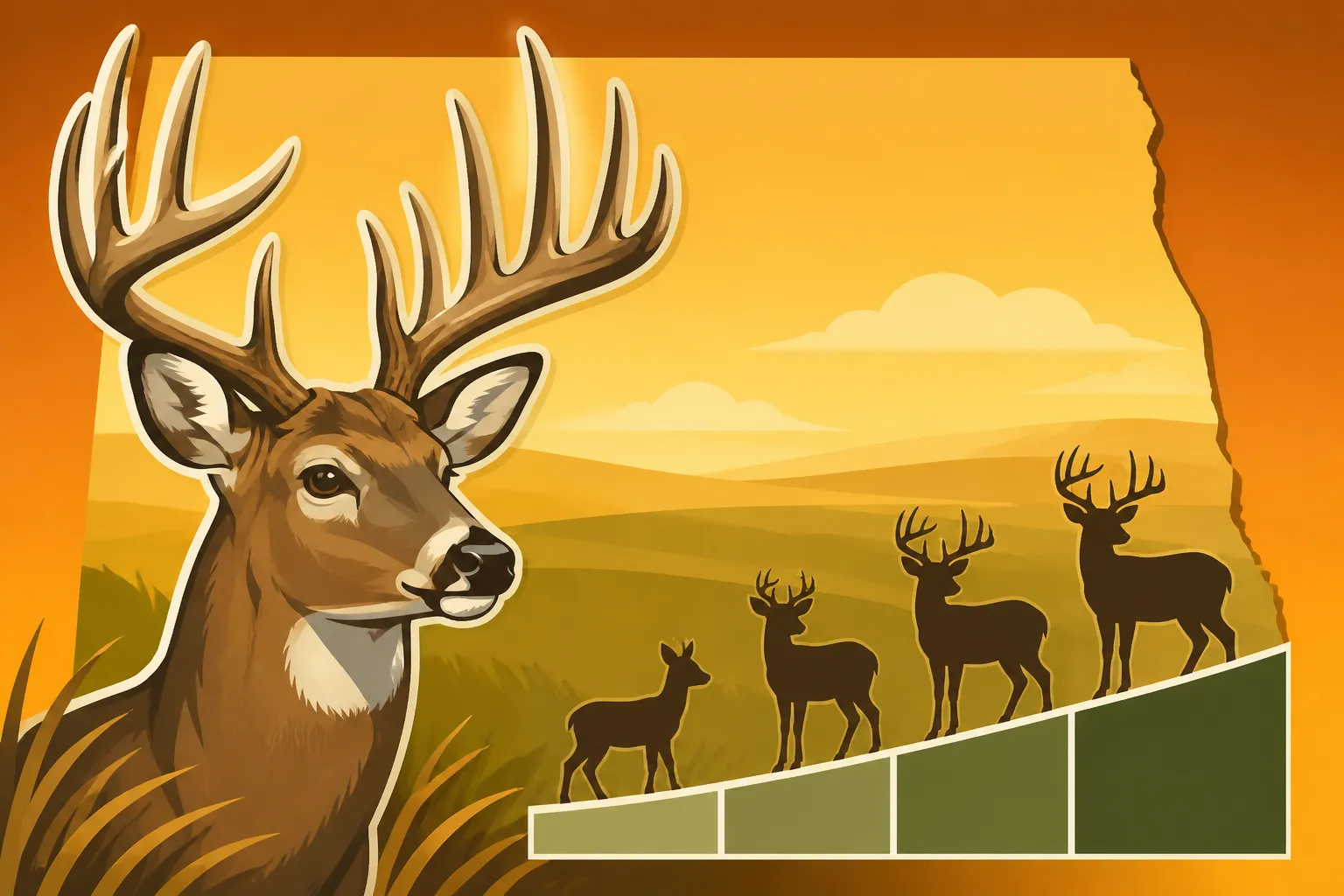
When we talk about buck age structure, we're not just throwing around jargon. We're referring to the distribution of male deer across different age classes within a given population. Think of it like a human population pyramid, but for deer. Are there a lot of young bucks, very few middle-aged bucks, and a handful of really old ones? Or is it a more balanced mix? This snapshot tells us a lot about the health of the herd and, crucially for us hunters, what kind of opportunities might be out there. It's a fundamental concept that can shed light on why your hunting experiences might vary from year to year or even unit to unit.
Beyond Just "Young" or "Old": Defining Age Classes
It's easy to look at a buck and think, "Yep, that's a young one," or "That's an old patriarch." But wildlife biologists, and successful hunters who pay attention, break it down further. While antlers are often the first thing we look at, they can be misleading. A 2.5-year-old buck in great habitat might have a bigger rack than a 3.5-year-old in poor conditions. Instead, we typically categorize bucks by their age in half-year increments, starting from fawn.
A fawn is obviously a deer in its first six months. Then you have yearlings, often referred to as 1.5-year-olds, which are typically small-bodied deer with either spikes or small basket racks. These are the future of the herd. The 2.5-year-olds are often showing significant antler growth and body size, starting to look like "real" bucks, but they're still in their growth phase. Then come the 3.5-year-olds and older, which is where many hunters start to define "mature" bucks. These deer have generally reached their peak body weight and are expressing more of their antler potential. Understanding these distinctions helps us move beyond just antler size and focus on the actual age, which truly dictates a buck's behavior, resilience, and contribution to the herd's genetics.
The Hunter's Perspective: Why Age Matters More Than Antlers Alone
For many of us, the antler size is what draws us in. We dream of that big mainframe 10-pointer with long tines. But if you're consistently hunting areas where you only see young, 1.5 or 2.5-year-old bucks, it can be incredibly disheartening. You might start to wonder if there are any older, truly mature deer left. This is where understanding age structure really comes into play. If the age structure leans heavily towards younger bucks, it means one of a few things: either harvest pressure is very high on younger animals, winter survival rates for older bucks are poor, or habitat simply isn't supporting older deer.
Focusing purely on antlers can sometimes lead to passing up a truly mature, albeit genetically smaller-antlered, 4.5-year-old in favor of a flashy 2.5-year-old with a wide but thin rack. By appreciating buck age structure, you shift your mindset from just "trophy hunting" to understanding the overall quality and potential of the deer in your area. Older bucks behave differently; they are warier, more patterned, and often hold to thicker cover. Knowing that they exist, and what percentage of the herd they make up, can greatly influence how you approach your hunt and manage your expectations. It empowers you to make more informed decisions in the field, rather than just hoping for luck.
The Forces Shaping North Dakota's Buck Age Structure
North Dakota is a vast state with diverse landscapes, from the rugged Badlands to the sprawling prairie potholes. This variety means that the forces influencing buck age structure can differ significantly from one region to another. It's a complex interplay of natural factors and human activity that dictates whether an area will hold a healthy number of mature bucks or be dominated by younger animals.
Mother Nature's Hand: Winter Severity and Disease
One of the most immediate and impactful forces on deer populations, and thus buck age structure, is the weather. A severe North Dakota winter with deep, prolonged snow and bitter cold can hit the deer herd hard. Fawns and older deer, which are often less resilient, are particularly vulnerable. When you have a series of brutal winters, you'll see a dip in fawn survival rates, which means fewer 1.5-year-olds two seasons later, and a general thinning of the older age classes. This directly impacts the herd's ability to maintain a robust age structure. If you're Hunting After a Hard Prairie Winter, you might notice a distinct shift in the deer you encounter.
Beyond the snow and cold, diseases can also wreak havoc. Epizootic Hemorrhagic Disease (EHD), while not always consistent, can periodically cause significant localized die-offs, often impacting older, larger-bodied deer more severely. Additionally, the ongoing concern of Chronic Wasting Disease (CWD) in areas like North Dakota's Fourteen-Unit CWD Zone is a factor that wildlife managers are constantly monitoring. While its immediate impact on overall age structure might be harder to quantify than a sudden EHD outbreak, a pervasive disease can subtly weaken a population over time, making individual deer more susceptible to other stressors and reducing the lifespan of bucks.
The Human Element: Hunting Pressure and Harvest Strategies
We, as hunters, play a significant role in shaping the age structure of the buck population. North Dakota's deer management strategies, including the North Dakota's Lottery-Based Deer Gun Season, are designed to balance hunter opportunity with herd health. For instance, the number of "any-deer" or "buck-only" tags issued in a unit directly influences how many bucks are removed from the population. If a unit issues many buck tags, and hunters are successful, it can reduce the number of bucks that live to older age classes.
Conversely, the availability of antlerless tags, and hunter participation in harvesting does, can indirectly affect buck age structure. By managing the overall deer population, managers ensure that the available habitat and food sources aren't overstressed, which can lead to healthier, faster-growing bucks that have a better chance of surviving to older ages. Hunter selectivity, or the willingness of hunters to pass on younger bucks, also contributes. When more hunters choose to harvest only mature bucks, it allows younger bucks to grow, leading to a more balanced age structure over time. This is a continuous dialogue between hunters, landowners, and the North Dakota Game and Fish Department, all striving for a sustainable and healthy deer herd.
Habitat Quality: Food, Cover, and Carrying Capacity
You can have perfect weather and careful management, but without quality habitat, a healthy buck age structure is a pipe dream. Deer, particularly mature bucks, need adequate food sources to reach their full potential, both in body size and antler growth. Areas with consistent, nutritious forage throughout the year—whether that's agricultural crops, native grasses, forbs, or browse in timbered areas—will support healthier deer that grow faster and have the energy to survive winters and the rigors of the rut. This is a key component of what drives the North Dakota Deer Population Estimate.
Beyond food, cover is absolutely paramount, especially for older bucks. These wary animals aren't just looking for a place to hide from hunters; they need thermal cover in winter, escape cover from predators, and bedding areas that offer security during the day. Areas with a mosaic of dense shelterbelts, thick CRP grass, willow bottoms, and timbered river corridors (like those found in North Dakota's Missouri River Corridor) provide the sanctuary older bucks need to elude pressure and reach advanced ages. Without these crucial components, bucks are more exposed, stressed, and less likely to survive long enough to become those impressive, mature animals we all hope to encounter. This is especially true for species like White-Tailed Deer Across North Dakota, which rely heavily on accessible cover.
How Age Structure Influences Your North Dakota Hunt
Understanding the buck age structure in your chosen hunting unit isn't just academic; it has very real, practical implications for how you plan and execute your hunt. It can help you make sense of what you're seeing in the field and adjust your strategies to increase your odds of success, especially if you're looking for a mature animal.
Tactics for Targeting Older Bucks
If your scouting or harvest reports suggest a unit has a good number of older bucks, your tactics should reflect that. Mature bucks are often ghosts. They've learned to avoid human contact and typically stick to thicker cover during daylight hours. This means focusing on finding those secure bedding areas, often deep within dense cover, far from roads or easy access points. When you're trying to figure out Where Badlands Bucks Bed, for instance, understanding their need for security cover as they age becomes paramount.
Hunting pressure plays a huge role here. The more pressure, the more nocturnal mature bucks become. You'll need to be patient, hunt the wind perfectly, and often dedicate your time to ingress and egress routes that minimize your disturbance. Utilizing trail cameras in strategic, low-impact locations can help you confirm the presence of older bucks without running them out of the area. Pay close attention to subtle sign—larger tracks, rubs on bigger trees, and scrape lines that might suggest an established pattern, especially as When the North Dakota Rut Peaks approaches. Services like GoHunt can provide detailed maps and data layers that help identify potential cover and remote areas where older bucks might feel more secure.
Understanding Regional Variations in Age Structure
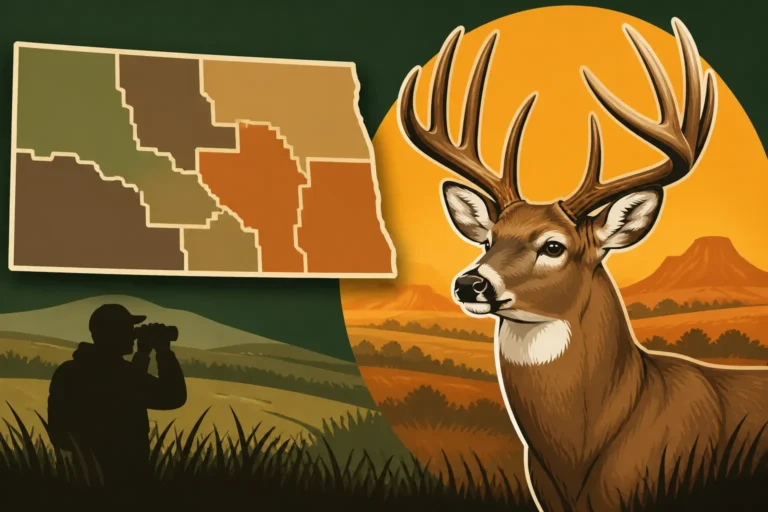
North Dakota is not a monolithic hunting landscape. The buck age structure can vary wildly depending on the region. The rugged, expansive terrain of the Badlands, for example, might hold a different age structure compared to the intensively farmed prairie pothole region. In areas like the North Dakota Badlands, mule deer and whitetails often have more escape cover in the broken coulees and draws, potentially allowing more bucks to reach older ages, though habitat quality and hunter access still play a role. The sheer scale and difficulty of access in some Badlands areas can naturally reduce hunting pressure.
Conversely, in agricultural areas with less contiguous cover, buck age structure might lean younger due to higher visibility, easier hunter access, and more intense harvest pressure. However, these areas often have abundant food, meaning young bucks can grow large antlers quickly. The point is, don't assume what you see in one part of the state applies everywhere. Do your homework for your specific hunting unit, whether you're focusing on Badlands Versus Prairie Pothole Deer or looking at the subtle differences within the same region. This localized understanding is crucial for setting realistic expectations and planning an effective hunt.
Tools and Resources for Assessing Age Structure
While it might seem like a topic reserved for wildlife biologists, you have several tools at your disposal to gain insight into the buck age structure of your hunting area. The North Dakota Game and Fish Department publishes annual harvest reports that, while not always providing explicit age breakdowns for bucks, can give you clues. Look at the general success rates, the number of antlered versus antlerless deer harvested, and trends over several years. A consistent, high harvest of antlered deer, especially if it includes a significant portion of younger animals, could indicate a younger age structure. Knowing how to interpret these reports is key; for more on this, check out Reading a North Dakota Harvest Report.
Beyond official data, your own eyes and ears are invaluable. Pay attention during your scouting trips. Are you consistently seeing young bucks with small racks, or are there glimpses of mature deer? What do your trail camera photos show, and what do your hunting buddies report? Field observation, combined with detailed maps and analytical tools from platforms like GoHunt, can help you visualize habitat and identify patterns. Remember that even without precise biological data, consistent observation over time can build a remarkably accurate picture of the local buck age structure, informing your strategy for years to come.
The Future of North Dakota's Buck Age Structure and What it Means for Hunters
The buck age structure in North Dakota is never static. It's a dynamic system constantly responding to environmental shifts, management decisions, and hunter behavior. Looking ahead, it's about finding that delicate balance between providing ample hunting opportunities and ensuring a healthy, robust deer herd for generations to come.
Balancing Hunter Opportunity with Herd Health Goals
Wildlife managers in North Dakota face the perpetual challenge of balancing hunter demand for deer tags with the ecological needs of the herd. If too many buck tags are issued, the age structure can skew heavily towards younger animals, potentially reducing the number of mature bucks and impacting genetic diversity. Conversely, if too few tags are issued, populations might grow too large for the available habitat, leading to widespread deer health issues, habitat degradation, and increased conflicts like North Dakota Deer Vehicle Collisions. The goal is to sustain a healthy North Dakota Deer Herd Size while providing hunters with reasonable opportunities to pursue deer, including a chance at mature bucks.
This balancing act often involves adjusting tag allocations, promoting harvest of antlerless deer through programs like North Dakota Bonus Antlerless Tag Purchase Rules, and monitoring herd health indicators like fawn recruitment and winter mortality. As hunters, our role extends beyond just pulling a trigger; it's about understanding and supporting these management objectives. By being selective, participating in antlerless harvest when appropriate, and providing accurate harvest data, we contribute to the collective effort of maintaining a quality deer resource in North Dakota.
Adapting Your Hunting Approach to Evolving Structures
Given that buck age structures can change year to year and region to region, successful hunters are adaptable. The tactics that worked five years ago in your favorite spot might not be as effective today if the age structure has shifted dramatically. Perhaps a series of mild winters has boosted fawn survival, and now there are more 2.5-year-olds than you've seen in a decade. Or maybe a localized EHD outbreak reduced the number of older bucks, requiring you to adjust your expectations and hunting areas.
The key is to stay informed, pay attention to current conditions, and be willing to experiment with new strategies. If you're seeing a lot of young bucks, perhaps focusing on those secure pockets of cover where older deer tend to hide becomes even more critical. If overall deer numbers are down, you might need to expand your scouting efforts or spend more time studying aerial maps. Continuous learning, utilizing resources from the North Dakota Game and Fish Department, and leveraging tools that offer insights into herd dynamics—like those found on GoHunt—will make you a more resilient and successful hunter, no matter how the buck age structure evolves.
Disclaimer
This article is for general informational purposes only and does not constitute professional advice. Laws, prices and regulations vary by location and change over time. Consult a qualified professional for guidance on your specific situation.