How Many Elk Live in the Badlands
There's a special kind of magic that draws hunters to the rugged, dramatic landscapes of North Dakota's Badlands, especially when it comes to the elusive elk. Many aspiring elk hunters, and even just those fascinated by these magnificent animals, often wonder just how many elk call this unique terrain home. It's not always easy to get a definitive, clear-cut answer, and the numbers can feel a bit like a moving target. This guide will dive deep into understanding the nuances of the elk population in the Badlands, how these numbers are tracked, and what it all means for hunters hoping to draw a coveted North Dakota elk tag.
Understanding North Dakota's Elk Population in the Badlands
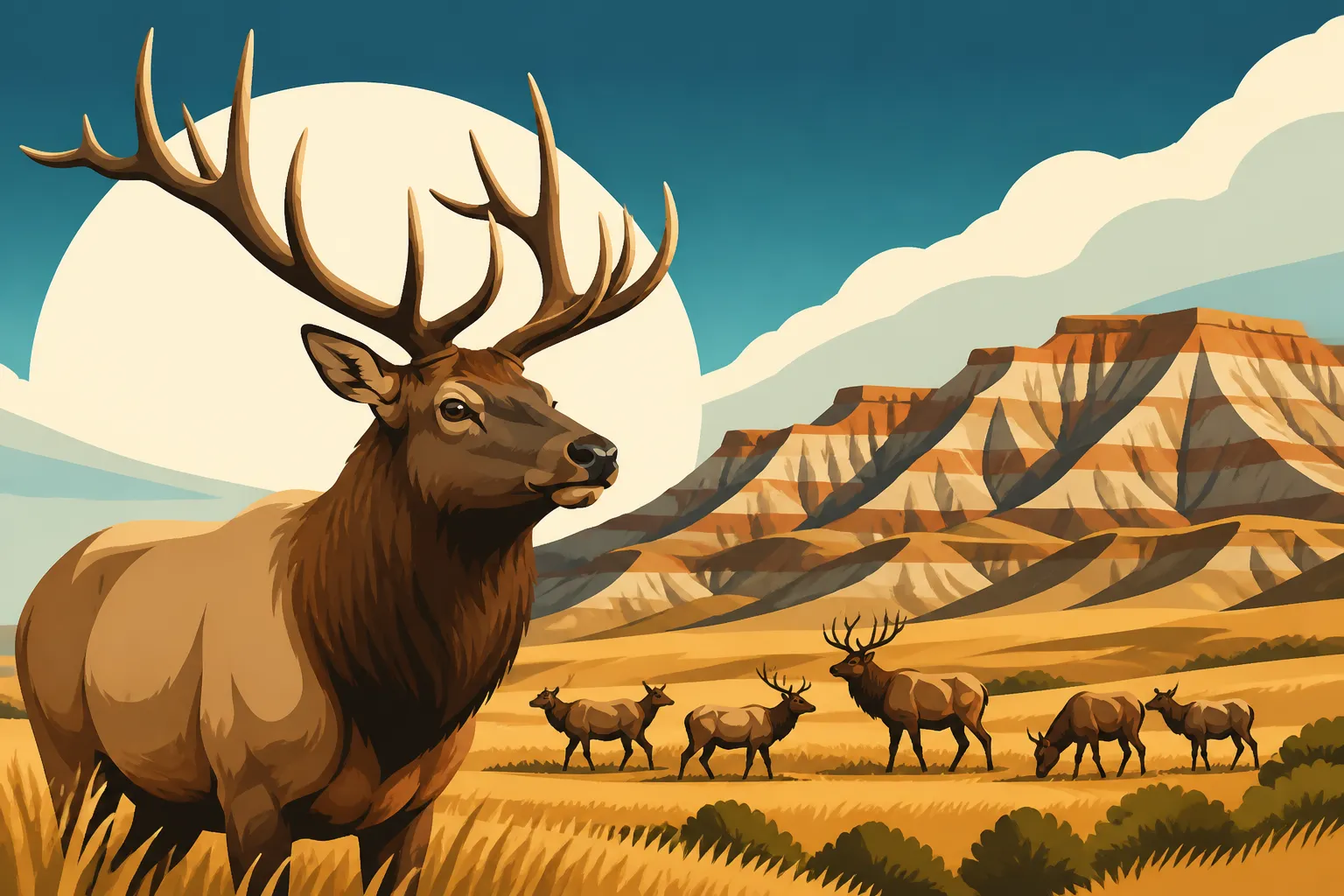
The Badlands of North Dakota offer a starkly beautiful, almost prehistoric landscape that, against all odds, hosts a thriving elk population. These aren't the vast herds you might imagine in more traditional elk states, but rather a testament to successful conservation efforts and the resilience of these incredible animals. Getting a precise head count, however, is a complex dance between science, observation, and a bit of educated estimation.
The Resurgence of Elk in the Badlands
It's truly a remarkable story how elk came back to the Badlands. For a long time, these giants were absent from much of their historic range in North Dakota, largely due to overhunting and habitat loss during early settlement. Their return is a conservation success story, showing what can happen when dedicated efforts are made to reintroduce and manage wildlife. The broken terrain of the Badlands, with its deep coulees, scattered timber patches, and pockets of riparian habitat, provides excellent cover, feed, and water, making it an ideal, albeit challenging, place for elk to thrive. This rugged landscape often makes them feel like true wilderness creatures, even in a state largely known for its prairie and potholes. You can delve into How Elk Returned to the Badlands for more on this incredible journey.
When you're out there, glassing a distant bluff or picking your way through a cedar-choked draw, the sheer presence of an elk, knowing their ancestors were hunted out and then brought back, is pretty powerful. This comeback is not just about raw numbers; it's about restoring an ecological balance and providing a unique hunting opportunity that many never thought possible in North Dakota. The habitat provides everything they need, from the lush grasses in the bottomlands to the sheltered slopes for bedding, making them a true native success story.
Challenges in Estimating Elk Numbers
Counting animals, especially those as wary and wide-ranging as elk, isn't like counting sheep in a pen. The Badlands terrain itself presents significant challenges. The deep canyons, thick brush, and vast expanses make comprehensive ground surveys nearly impossible. Elk are also incredibly adept at utilizing cover, often bedding down in places that are difficult to access or even see from the air. Factors like weather, including snow cover (or lack thereof), can greatly impact the effectiveness of aerial surveys, which are a primary tool for wildlife managers.
Imagine trying to count deer in a dense forest from a helicopter; it's tough, right? Now picture that but with the added complexity of rugged, broken terrain where animals can seemingly vanish into thin air. Furthermore, elk populations fluctuate naturally based on calving success, overwinter survival, and the impact of diseases. These variables mean that any "number" is always an estimate, a snapshot in time, rather than an exact census. It’s why you’ll often hear ranges or trends discussed, rather than a single, fixed figure.
Key Factors Influencing Elk Numbers
Several critical factors play a role in shaping the number of elk found in the North Dakota Badlands. Habitat quality is paramount; access to good forage, water, and thermal cover directly influences calf survival and overall herd health. A harsh winter can take a significant toll, especially on younger animals or those in poor condition, reducing the population. Conversely, mild winters and abundant moisture can lead to flourishing vegetation and higher survival rates.
Hunting pressure, carefully managed through the state's lottery system, is another significant factor. The limited number of North Dakota's 1,062-License Elk Season tags issued each year helps keep the population within sustainable limits and ensures a healthy age structure. Disease, though less prevalent in North Dakota's elk compared to some other states, always remains a potential threat that could impact herd numbers. Additionally, human encroachment and disturbance, though less of an issue in the rugged Badlands, can also affect elk movement and distribution, indirectly influencing population dynamics.
Official Methods for Elk Population Assessment
Wildlife agencies don't just guess when it comes to managing game species like elk. They employ a variety of scientific methods to gather data, providing them with the best possible understanding of herd health and population trends. While these methods aren't perfect, they offer crucial insights that inform management decisions, including how many tags to issue each year.
Aerial Surveys and Their Limitations
One of the primary tools for estimating elk populations, particularly in vast and open landscapes like parts of the Dakota Badlands, are aerial surveys. Biologists conduct these surveys, often using fixed-wing aircraft or helicopters, to visually count elk, classify them by age and sex (bulls, cows, calves), and map their distribution. These flights are typically done when snow cover is present, which makes elk stand out against the white landscape, or during specific times of year when elk are more concentrated.
However, aerial surveys have their limitations. They are incredibly dependent on weather conditions; clear skies and minimal wind are essential for accurate observation. Thick timber or deep coulees can hide animals even with snow on the ground. The cost and logistical challenges of flying over vast areas also mean these surveys aren't conducted annually in every single unit. Therefore, the numbers derived from aerial surveys are often extrapolated and combined with other data to form a broader picture of the North Dakota Elk Herd Population Estimate. It’s a valuable piece of the puzzle, but not the whole picture on its own.
Hunter Harvest Data and Biological Sampling
Another cornerstone of elk population assessment comes directly from the hunters themselves. When an elk is harvested in North Dakota, hunters are typically required to report their kill, often providing details such as the specific unit, date, and sex of the animal. Many states also encourage or require biological sampling, such as collecting a tooth for aging or tissue samples for disease testing. This kind of data is invaluable.
The number of elk harvested, broken down by sex and age, provides key insights into the herd's productivity and age structure. A high proportion of young bulls in the harvest might suggest a healthy recruitment of calves, for example. Analysis of teeth can reveal the age distribution of the herd, indicating how many older animals are present and the overall longevity of the population. This information, combined with aerial surveys, helps paint a more accurate picture of the overall herd health and trends. Resources like GoHunt often compile and analyze this data to give hunters a better understanding of their draw odds and success rates.
Habitat Studies and Carrying Capacity
Beyond simply counting animals, wildlife managers conduct extensive habitat studies. These studies evaluate the quality and quantity of available forage, water sources, and cover within the Badlands. Understanding the "carrying capacity" – the maximum number of elk an area can sustainably support without degrading the habitat – is crucial for long-term management. If the elk population exceeds the carrying capacity, it can lead to overgrazing, habitat degradation, and ultimately, a decline in elk health and numbers.
These studies involve assessing vegetation health, analyzing elk scat to determine diet, and mapping critical wintering or calving grounds. By monitoring the habitat, biologists can identify areas where restoration might be needed or where elk numbers might need to be adjusted to prevent ecological damage. This holistic approach ensures that not only are current elk numbers understood, but also the potential for future growth and sustainability within the unique Elk in North Dakota's Little Missouri Badlands environment.
Deciphering the Numbers: What Hunters Should Know
For hunters, especially those new to the North Dakota elk scene, understanding these population figures isn't just academic; it's crucial for managing expectations and making informed decisions about applying for a tag. The numbers, though estimates, directly translate into opportunity and the overall health of a sought-after big game species.
Official Population Estimates and Their Fluctuations
The North Dakota Game and Fish Department provides population estimates for elk, often broken down by specific hunting units within the Badlands. It's important to remember that these are dynamic figures, not static ones. They can fluctuate year to year based on the factors we've discussed: winter severity, spring moisture, calving rates, and harvest success. A particularly tough winter might see a dip in numbers, while a few mild years could lead to an increase. These fluctuations are a natural part of wildlife management.
When you look at the department's reports, you might see figures like "X number of elk estimated in Unit Y," but often, they'll also discuss trends – whether the population is stable, increasing, or decreasing. This trend data is often more important than a single number, as it tells you about the overall health and direction of the herd. Many hunters use tools, including those found on platforms like GoHunt, to track these trends over time, helping them make smarter decisions about where and when to apply for an elk tag.
What the Elk Tag Lottery Reveals About Herd Health
North Dakota's elk hunting opportunities are highly coveted and managed through a lottery system, meaning tags are limited. The number of available tags in a given unit is a direct reflection of the population estimate and management goals for that specific area. If the population is healthy and stable or increasing, the department might issue slightly more tags. Conversely, if numbers are down or specific management objectives (like increasing bull-to-cow ratios) are in play, fewer tags might be offered.
This is where the "once-in-a-lifetime" aspect for North Dakota's Once-in-a-Lifetime Big Game Licenses comes into play for elk. Because the tags are so rare and the opportunity so special, the department is extremely conservative in how many they issue, ensuring the long-term health of the herd. If you're looking at past draw odds, you're essentially seeing a historical reflection of herd health and population estimates. Low draw odds mean a lot of competition for a limited number of tags, which in turn indicates a relatively stable or cautious management approach to the population.
Implications for Hunters and Future Opportunities
For hunters, understanding these population dynamics has significant implications. First and foremost, it underscores the difficulty of drawing an elk tag in North Dakota. With a smaller, carefully managed herd, demand far outstrips supply. This means patience is key for those hoping to hunt elk in the Badlands. It also emphasizes the importance of diligent research when applying; while overall numbers are important, the health and tag availability in specific units are even more critical. Researching North Dakota Elk Hunt Success Rates by unit can also provide a realistic outlook.
Secondly, it means that any opportunity to pursue these animals is incredibly special. Given the challenges of maintaining a healthy elk population in a state not traditionally known for them, every successful hunt is a testament to effective wildlife management. Future opportunities will depend heavily on continued habitat conservation, responsible hunting, and careful monitoring of the herd. If you're preparing for such an opportunity, remember that Packing for an Eight-Day North Dakota Elk Hunt requires careful planning, much like the herd management itself.
The Role of Specific Units within the Badlands
It's crucial to understand that "the Badlands" isn't a monolithic entity when it comes to elk. The vast area is broken down into various hunting units, and elk populations can vary significantly between them. Some units might have higher densities due to more favorable habitat, less pressure, or specific management efforts. Other units might have smaller, more dispersed herds. This localized variation means that a general statewide or Badlands-wide number doesn't tell the whole story for an individual hunter.
For instance, a particular unit with ample riparian areas and deep, remote breaks might consistently hold more elk than a unit with more open, accessible terrain. When applying for a tag, hunters need to research the specific unit they are interested in, looking at its historical tag allocations, harvest data, and population estimates. This detailed, unit-specific information is far more valuable than a broad overview. Understanding the nuances of Hunting the Badlands within these distinct units is essential for increasing your chances of success and enjoying the unique challenge of elk hunting in North Dakota.
Disclaimer
This article is for general informational purposes only and does not constitute professional advice. Laws, prices and regulations vary by location and change over time. Consult a qualified professional for guidance on your specific situation.