Where the Badlands Elk Herd Came From
For many North Dakota hunters, the sight of an elk in the rugged Badlands seems almost mythical, a testament to what once was and what has now been painstakingly reclaimed. It's easy to assume these majestic animals have always roamed the steep coulees and river breaks, but the truth is a much more complex and fascinating story of decline, dedicated effort, and natural resilience. This guide will take you on a journey through the history of elk in our state, specifically focusing on how the iconic Badlands herd came to be, offering a deeper appreciation for these magnificent creatures and the wild landscapes they call home.
The Historical Presence of Elk in North Dakota
Before the rush of European settlement and the dramatic changes it brought to the prairies, elk were a widespread species across what is now North Dakota. Imagine vast herds moving across the plains, through the river bottoms, and certainly within the rugged beauty of the Badlands. These animals were an integral part of the ecosystem, their grazing and browsing shaping the landscape alongside bison and other large herbivores. Their presence was a vital part of the natural balance.
Native Herds and Their Decline
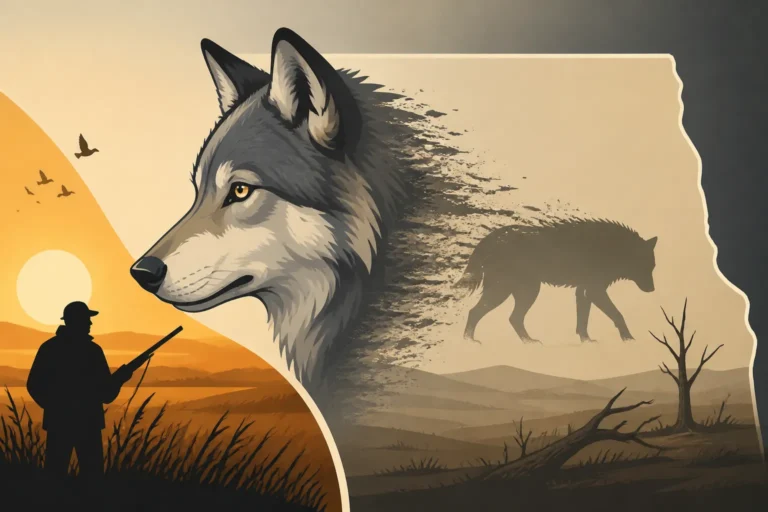
Historically, elk were found throughout North Dakota, particularly in areas with a mix of prairie, woodlands, and riverine habitats. They were a significant resource for indigenous peoples, providing food, hides, and tools for generations. However, with the westward expansion of settlers in the 19th century, this began to change rapidly. Market hunting, driven by demand for meat and hides, took an immense toll. Simultaneously, agricultural development and widespread habitat alteration fragmented their ranges and eliminated crucial food sources and cover. It was a perfect storm of pressures that, sadly, led to the complete extirpation of native elk from North Dakota by the late 1800s or very early 1900s. They were simply gone, a stark silence in places where their bugles once echoed.
The Vacuum Left Behind
The absence of elk left a significant ecological void. These large grazers play a crucial role in maintaining grassland health, spreading seeds, and influencing plant diversity. Their disappearance was not just a loss for hunters or wildlife enthusiasts; it was a disruption to the very fabric of the North Dakota ecosystem. For decades, the Badlands, while still teeming with other wildlife, lacked the impressive presence of its largest native cervid. This period highlighted just how much an apex grazer contributes to the overall health and character of a landscape. The idea of ever seeing a free-ranging elk herd in the state again seemed like a distant dream, a romantic notion from a bygone era.
The Return of Elk: Early Reintroductions and Natural Recolonization
The story of elk in North Dakota isn't one of permanent loss, but rather one of hopeful return. It's a testament to both intentional conservation efforts and the incredible resilience of nature itself. While the initial return was slow and faced hurdles, it eventually gathered momentum, thanks in part to neighboring states.
Early Attempts and Their Challenges
Efforts to reintroduce elk to North Dakota began as early as the mid-20th century, with various attempts to bring animals from other states and release them into suitable habitats. These early reintroduction programs, while well-intentioned, often faced significant challenges. Finding suitable release sites that offered enough undisturbed habitat, minimizing conflicts with agriculture, and ensuring the animals could adapt to their new surroundings were all major hurdles. Some herds struggled to establish, while others were too small to thrive or faced high mortality rates due to various factors. It wasn't always a smooth process, and many of these early efforts taught valuable lessons about what it takes to successfully reestablish a large, wide-ranging species like elk. It underscored the importance of not just stocking animals, but also of ensuring the long-term viability of their new home.
The Montana Connection and Natural Migration
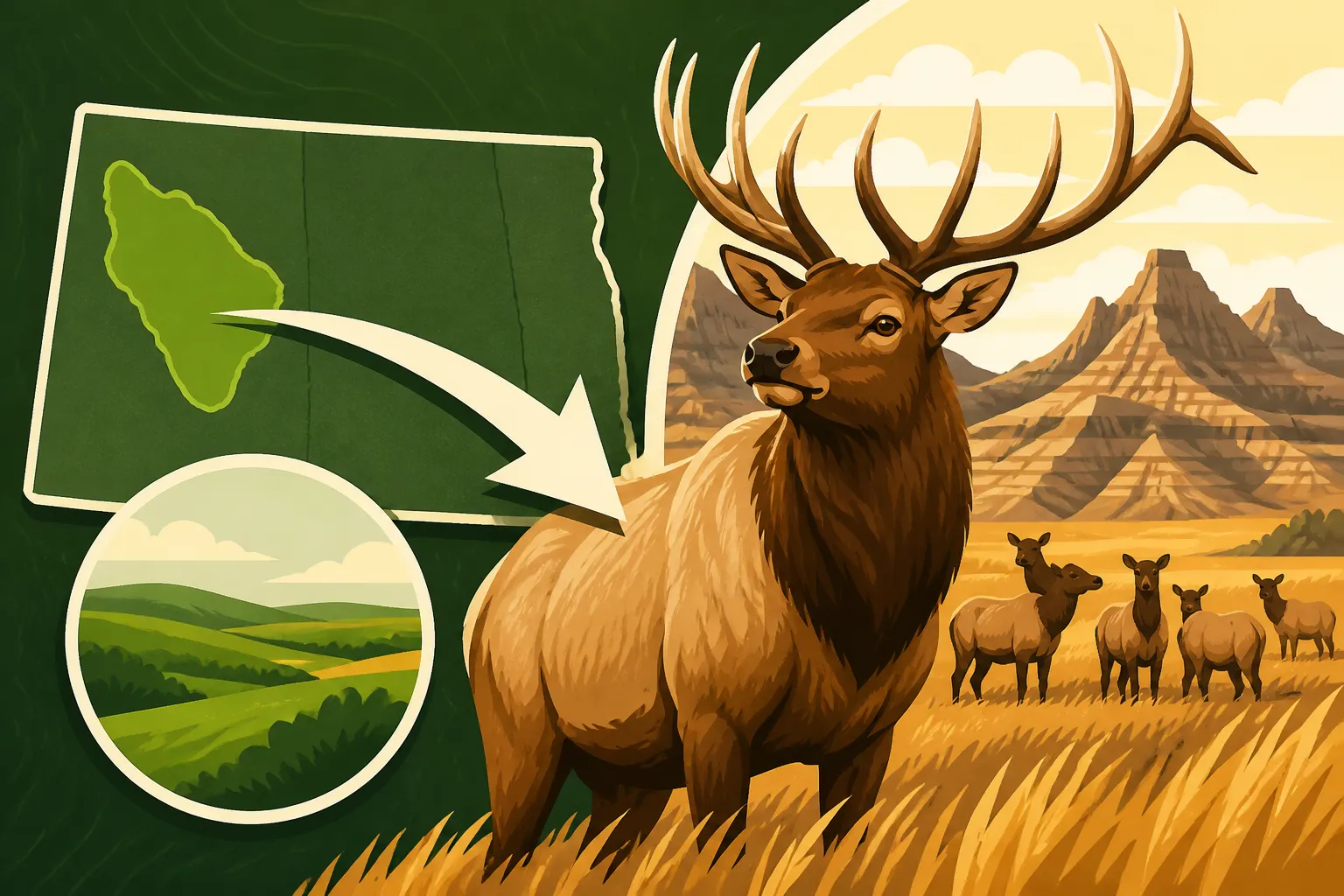
While some reintroduction efforts had mixed results, a much more significant factor in the return of North Dakota's Badlands elk herd was natural recolonization. Over the decades, as elk populations rebounded in neighboring states, particularly Montana, a slow but steady migration began. Elk, being wide-ranging animals, followed river corridors like the Little Missouri River eastward, venturing into North Dakota. These hardy pioneers found refuge in the rugged and remote terrain of the Little Missouri Badlands, which offered exactly what they needed: broken topography for escape cover, ample browse, and access to water. This natural movement, often unnoticed at first, proved to be the most successful "reintroduction" of all.
Wildlife agencies closely monitored these movements, recognizing the unique opportunity they presented. Tools like the GoHunt platform, which provides detailed land ownership maps and species distribution data, would later become invaluable for understanding and tracking these expanding ranges, allowing both biologists and future hunters to pinpoint where these animals were establishing themselves. The Badlands, with its mix of national grassland and rough terrain, provided exactly the kind of sanctuary these migrating elk needed to truly establish a foothold.
Establishing a Foothold: Badlands Habitat and Herd Growth
The Badlands proved to be an almost perfect sanctuary for the returning elk, offering a unique combination of factors that allowed their numbers to steadily grow. This wasn't by accident; the landscape itself played a huge role in their success.
Why the Badlands Became a Stronghold
The Little Missouri Badlands, part of western North Dakota, is a land of dramatic contrasts. Deep, winding coulees cut through tablelands, dotted with pockets of juniper and ponderosa pine, interspersed with sagebrush flats and riparian zones along the river. This provides a diverse mosaic of habitat critical for elk survival. The steep, broken terrain offers excellent thermal cover and escape routes from predators and human disturbance. The scattered timber provides shade in summer and protection from harsh winter winds, while the rich variety of grasses, forbs, and shrubs offers a year-round food supply. Water is often accessible in the meandering Little Missouri River and numerous springs and stock dams.
This diverse habitat, combined with relatively low human population density in many areas, created an ideal environment for a burgeoning elk population. The vastness of the Hunting North Dakota's Little Missouri National Grassland means there's plenty of room for elk to roam, spread out, and thrive without constant pressure. Over time, these conditions allowed the small, migrating groups to grow into a robust and genetically healthy herd, truly making the Badlands their home once again.
Management Strategies and Limited Tags
As the Badlands elk herd grew, the North Dakota Game and Fish Department began to implement careful management strategies to ensure their long-term health and to address potential conflicts with landowners, particularly ranchers. Elk, being large animals, can cause significant damage to crops, fences, and hay supplies. Balancing the desire for a thriving elk population with the needs of agricultural producers is a delicate dance.
The primary management tool has been a highly controlled hunting season, administered through a lottery system. Drawing an elk tag in North Dakota is a truly once-in-a-lifetime opportunity for residents, and often takes years of applying due to the limited number of permits issued. This strategy allows for precise control over herd numbers, ensuring they remain within the carrying capacity of the land and mitigating damage. For hunters, it means that a Badlands elk tag is one of the most coveted in the state, making diligent scouting and application research, perhaps using resources found on platforms like GoHunt, absolutely essential. The Department keeps a close eye on the North Dakota Elk Herd Population Estimate to inform how many tags are issued each season, ensuring a sustainable future for these magnificent animals.
Challenges and Future Outlook for North Dakota Elk
While the return of elk to the Badlands is a conservation success story, it's not without its ongoing challenges. Managing a large wild ungulate in a landscape shared with agriculture and a growing human presence requires constant vigilance and adaptive strategies.
Balancing Elk and Land Use
One of the biggest ongoing challenges is finding the right balance between a healthy elk population and the economic realities of farming and ranching in western North Dakota. While many landowners appreciate the presence of elk, significant crop damage or destroyed fences can quickly turn goodwill into frustration. The North Dakota Game and Fish Department works closely with landowners, sometimes implementing special depredation permits or cost-sharing programs for damage mitigation.
For hunters, understanding these dynamics is crucial. Respect for private property is paramount, and obtaining permission from landowners is often the key to accessing prime elk country outside of designated public lands. Even on public ground, elk can move between public and private parcels, making knowledge of land boundaries and ethical hunting practices incredibly important. This delicate balance highlights why careful management and communication are essential for the future of North Dakota's elk.
Continuing Conservation Efforts
The future of North Dakota's Badlands elk herd depends on a continued commitment to conservation. This includes ongoing habitat protection, particularly maintaining the health of the Little Missouri River corridor and the diverse plant communities within the Badlands. It also involves careful population monitoring to track herd health, disease prevalence, and demographic trends. Hunters play a crucial role in this, not just through their participation in regulated seasons, but also through their financial contributions from license sales, which directly fund wildlife management and habitat improvement projects. Understanding complex application processes like the North Dakota Elk Lottery Application Process is a small but vital part of this larger conservation picture.
The story of the Badlands elk herd is a powerful reminder that even after a species has been lost, dedicated efforts and the remarkable resilience of nature can bring about an incredible return. To really maximize your chances, utilizing detailed resources like GoHunt for research on herd movements, habitat, and past harvest data can give you an edge. It's a legacy we all share, and one that deserves our ongoing support and respect.
Key Factors in the Return of North Dakota Elk
| Factor | Description | Impact on Elk Return |
|---|---|---|
| Historical Extirpation | Overhunting and habitat loss led to the complete disappearance of elk. | Created a biological vacuum and a strong desire for their return. |
| Natural Migration | Elk from Montana followed river systems into the North Dakota Badlands. | The most significant driver of population re-establishment. |
| Badlands Habitat | Rugged terrain, diverse vegetation, and water sources provided ideal cover. | Offered sanctuary and resources for a growing herd. |
| Conservation Efforts | Early reintroductions and ongoing state management programs. | Supplemented natural migration and ensured long-term sustainability. |
| Limited Hunting | Lottery system for tags ensures controlled harvest and herd health. | Balances population growth with landowner tolerance and funding. |
For those truly captivated by the challenge and opportunity of hunting these magnificent animals, delving deeper into topics like Spot-and-Stalk Elk in the Little Missouri Badlands or understanding North Dakota's 1,062-License Elk Season will offer invaluable insights. It's a journey into the wild heart of North Dakota, and a privilege to be a part of. The chance to pursue these animals is a truly special experience, one that ties you to the land and its history.
Disclaimer
This article is for general informational purposes only and does not constitute professional advice. Laws, prices and regulations vary by location and change over time. Consult a qualified professional for guidance on your specific situation.