Tipping a North Dakota Hunting Guide
It’s a scenario many of us have faced after an incredible hunt: the adrenaline of the harvest starts to fade, and a new feeling creeps in – uncertainty. You've had an amazing experience in the field, thanks in large part to your North Dakota hunting guide, and now you’re wondering, "What's the right way to show my appreciation? How much should I tip?" It’s a common question, and one that often goes unspoken, leaving hunters feeling a little lost. This guide is here to demystify the practice of tipping your hunting guide in North Dakota, offering clarity and confidence so you can end your adventure on the right note.
Understanding the Role of Your North Dakota Hunting Guide
Before we even talk numbers, let’s take a moment to truly appreciate what your North Dakota hunting guide brings to the table. They are far more than just someone who points you toward game. They are the backbone of your experience, often working tirelessly behind the scenes long before you even arrive. Understanding their comprehensive role can reframe your perspective on tipping from an obligation to a genuine gesture of gratitude.
Beyond Just Finding Game: The Guide's Responsibilities
Think about it: from the moment you book your trip, your guide is likely invested. They’ve spent countless hours Scouting PLOTS Land Before Season, reviewing maps, and monitoring game movements specific to the areas you’ll be hunting, whether that’s the rolling prairies for pheasants or the Missouri River bottomlands for whitetails. Their intimate knowledge of the local habitat – where the sharptails are holding in the mixed grass prairie, or how the ducks are flying over the Devils Lake fields – is a skill honed over years, often decades.
But it goes deeper. On the day of the hunt, your guide is your field general, your safety officer, and often your personal cheerleader. They handle the logistics, set up decoys, drive you to prime spots, glass for game, call animals, and ensure you’re in the best position for a shot. Beyond that, they manage unforeseen challenges like sudden weather changes or equipment malfunctions. If you’re successful, they’re there to assist with tracking, field dressing, and getting your game out of potentially tough terrain, be it a deep coulee or a dense shelterbelt. They’re also often great conversationalists, sharing local lore and making the downtime as enjoyable as the active hunting.
The Investment Guides Make in Your Hunt
Consider the sheer investment a guide makes in their profession. It’s not just a seasonal job for most; it’s a lifestyle that requires significant capital and personal dedication. Guides often own specialized vehicles, boats, dogs, decoys, and other gear that require constant maintenance and upgrades. They invest in fuel, licenses, and insurance, all while putting wear and tear on their equipment day in and day out. Their training and experience, including things like first aid or specific game calling techniques, are continuous endeavors.
Moreover, many guides often spend their "off-season" still working, whether it’s maintaining relationships with landowners for private land access, attending trade shows, or simply staying in shape to handle the demanding physical aspects of the job. Their reputation is built on consistent effort and successful hunts, which means every trip, every client, is a reflection of their passion and professionalism. When you’re looking to book a hunt, many hunters leverage platforms like BookYourHunt to find reputable outfitters and get a sense of the services offered. This behind-the-scenes investment is precisely what allows you to have a memorable, well-organized hunting experience in North Dakota.
General Tipping Etiquette in the Hunting Industry
Tipping guides is a long-standing tradition in the hunting industry, and while it's intended to show appreciation, it can often feel like a guessing game. There isn't a universally mandated rate, but there are generally accepted practices that can help you determine a fair and respectful amount. This section will walk you through typical ranges and the factors that influence them, so you can tip with confidence.
Standard Tipping Percentages and Ranges
Across the hunting industry, a common starting point for guide tips is often around 10% to 20% of the total hunt cost. This is a broad guideline, and it's important to understand it's not a rigid rule, but rather a spectrum reflecting varying levels of service and personal satisfaction. For a basic day hunt where the guide simply puts you on birds or deer, a tip at the lower end of that range might be appropriate. If the guide went above and beyond, provided an exceptional experience, or worked incredibly hard under challenging circumstances, then the higher end, or even a bit more, would be a strong indicator of your appreciation.
It’s also worth considering that some hunters prefer to tip a flat daily rate, especially if the hunt cost is very high or if it's a multi-day trip where the daily effort might feel more tangible. This can range anywhere from a general amount per day per hunter, depending on the intensity of the hunt and the game pursued. The key is that the tip should reflect your personal satisfaction with the guide's effort, professionalism, and contribution to your overall experience, rather than just the number of animals harvested.
Factors That Influence Tipping Amounts (Weather, Effort, Success)
While harvest success is often what we remember most vividly, it shouldn't be the sole determinant of your guide's tip. A guide can do everything perfectly – scout diligently, set up skillfully, call effectively, and work tirelessly – and still, due to factors completely out of their control (like uncooperative animals, unexpected pressure, or adverse weather), a shot might not present itself. This is hunting, after all, not shopping.
Consider these influential factors:
- Effort and Hard Work: Did your guide put in long hours? Were they constantly adjusting strategies, relocating setups, or trekking through tough terrain? Did they remain positive and motivated even when things were slow? A guide who consistently puts in maximum effort, regardless of the outcome, deserves to be recognized.
- Professionalism and Knowledge: Was your guide safe, respectful, and well-organized? Did they share valuable insights about the area, the game, or hunting techniques? Were they prompt, communicated clearly, and handled all logistics smoothly? Their expertise in areas like Reading a Missouri River Bottom for Deer or Glassing Badlands Coulees for Elk is invaluable.
- Client Comfort and Enjoyment: Did the guide ensure you were comfortable, fed (if applicable), and enjoying yourself? Were they personable, engaging, and good company in the blind or on the stand? A guide who enhances the entire experience, not just the hunting aspect, is providing significant value.
- Challenging Conditions: Hunting in North Dakota can mean facing extreme cold, high winds, or heavy snow. If your guide navigated these conditions skillfully, kept you safe, and still managed to make the hunt enjoyable, that extra effort warrants a higher tip.
- Specific Services Rendered: Did the guide go above and beyond with additional services like extensive photography, detailed tracking of a wounded animal, or assisting with meat processing beyond standard field dressing?
Ultimately, the tip is a reflection of your appreciation for the entire experience the guide facilitated. Sites like GoHunt often feature reviews where hunters share their experiences, which can sometimes provide context on what kind of service to expect, though rarely specific tipping figures.
Specific Scenarios: Tipping for Different North Dakota Hunts
Tipping isn't a one-size-fits-all proposition. The type of hunt you're on in North Dakota can significantly influence the customary tip amount, reflecting the varying levels of physical exertion, specialized equipment, and intensive scouting required from your guide. Let's break down some common scenarios.
Upland Bird Hunts: Pheasant and Partridge
North Dakota is renowned for its upland bird hunting, particularly for pheasants, sharptail grouse, and Hungarian partridge. A guided upland hunt often involves a team effort: the guide, their well-trained hunting dogs, and sometimes a dog handler. The guide's role is typically to drive you to prime locations, strategize the best way to walk a field or a shelterbelt, manage the dogs, and ensure your safety. They might walk miles with you, flushing birds and positioning you for shots.
For a pheasant or partridge hunt, a tip often falls into the range of a percentage of the total daily cost or a flat amount per hunter per day. For example, if you're on a multi-day package that includes lodging and meals, your tip would usually apply to the guiding service itself. Consider the effort of the guide and their dogs, the distance walked, and the success rate. If the dogs worked tirelessly and were well-controlled, and the guide's knowledge of Walking a Pheasant Field at Midday or Running a Pointer Through CRP Grass was evident, a generous tip is certainly warranted. An average daily tip could start at a certain benchmark, and increase based on exceptional dog work, the guide’s camaraderie, or their extraordinary efforts to find birds in tough conditions.
Waterfowl Hunts: Ducks and Geese
Waterfowl hunting in North Dakota's Prairie Pothole Region or around vast lakes like Devils Lake and Lake Sakakawea requires a very different skill set and equipment from your guide. This might involve early mornings, long hours in a layout blind or boat, extensive decoy spreads, and precise calling. The guide's investment here is huge, from thousands of dollars in decoys and blinds to specialized boats and motors. They often spend hours before you even arrive setting up elaborate spreads, scouting flight paths, and checking weather conditions.
For guided duck and goose hunts, the tip should reflect the intensity of the setup and breakdown, the guide's calling ability, and their commitment to getting you on birds. Were they constantly adjusting decoys, calling effectively, and keeping you comfortable in challenging weather? Did they help with bird retrieval and cleaning? A tip for a waterfowl guide often starts similar to upland hunts, but might lean towards the higher end given the specialized equipment and effort involved in setting up Decoy Spreads for Prairie Pothole Mallards or Layout Blind Hunting Devils Lake Fields. The dedication to those frigid pre-dawn setups and equally cold breakdowns deserves significant recognition.
Big Game Hunts: Deer, Elk, and Moose (If Applicable and Drawn)
Big game hunting in North Dakota, particularly for deer, elk, or moose, involves even higher stakes and often more intensive guiding. While nonresidents face restrictions on moose, elk, and pronghorn, if you're a resident lucky enough to draw one of these coveted tags, or a nonresident on a whitetail or mule deer hunt, your guide will be putting in monumental effort. This type of hunt might involve extensive glassing, long stalks, physical exertion in rugged terrain like the Badlands, and deep knowledge of animal behavior and movement patterns. North Dakota's Lottery-Based Deer Gun Season is a popular draw, and for those fortunate enough to get a tag, a good guide can make all the difference.
For big game guides, the tip is often a higher percentage of the hunt cost due to the intensity, duration, and lower success rates (compared to, say, a pheasant hunt where daily limits are common). Guides for big game hunts spend weeks, if not months, scouting specific animals or areas. Their efforts in tracking, field dressing, and sometimes packing out an animal from remote locations are incredibly demanding. Consider the guide’s patience, their ability to read the landscape and game, and their physical endurance. Even if you don't harvest, a guide who provides an exceptional effort, knowledge, and memorable experience on a Booking a North Dakota Badlands Mule Deer Hunt warrants a substantial tip. The gravity of a once-in-a-lifetime tag for species like elk or moose also adds to the value a guide provides.
| Hunt Type | Typical Tipping Range (of hunt cost) | Considerations for Higher Tip |
|---|---|---|
| Upland Birds (Pheasant, Partridge) | 10-15% | Exceptional dog work, high bird numbers despite tough conditions, guide's extensive walking/effort, excellent camaraderie. |
| Waterfowl (Ducks, Geese) | 12-18% | Early/late hours, massive decoy spreads, expert calling, difficult weather management, guide's boat/blind maintenance and setup. |
| Big Game (Deer, Elk, Moose) | 15-20%+ | Weeks/months of scouting, extreme physical exertion (tracking, packing), highly specialized knowledge of trophy animals, going extra mile in challenging terrain or conditions, overall outstanding effort on a difficult hunt. |
Note: These ranges are general guidelines. Always adjust based on your personal experience and satisfaction.
When to Tip and How: Cash Versus Other Methods
Knowing how much to tip is one thing, but knowing when and how to present it can be just as important for a smooth and respectful exchange. The act of tipping itself should be a genuine expression of appreciation, and doing it correctly can enhance that sentiment for both you and your guide.
Tipping in the Moment: The End of the Hunt
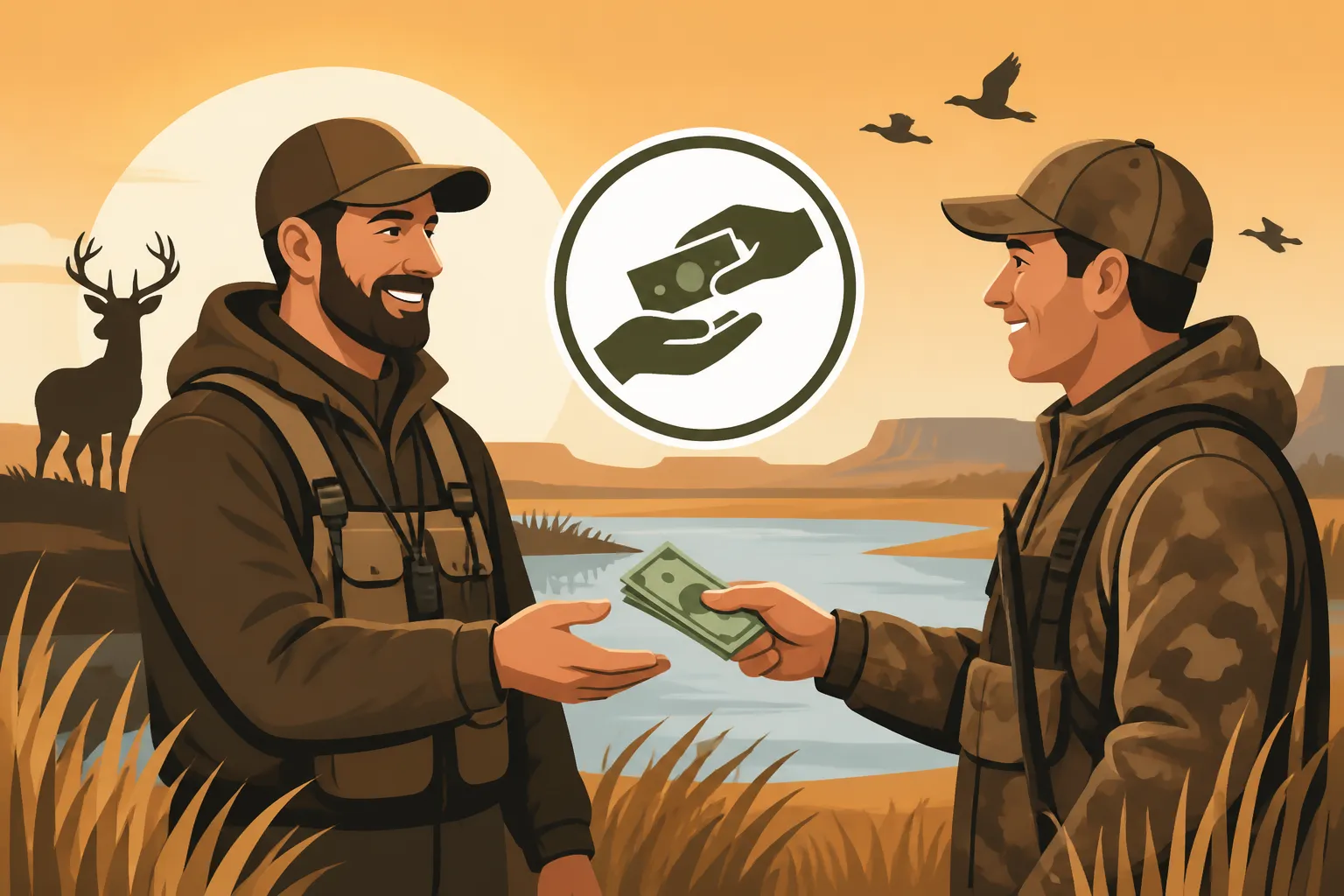
The most common and generally preferred method for tipping your North Dakota hunting guide is to present it in cash at the conclusion of your hunt. This is typically done privately, directly to your guide, rather than leaving it with lodge staff or sending it later. It allows for a personal thank you and ensures the guide receives the full amount immediately.
For a single-day hunt, this usually happens right after you've packed up your gear and said your goodbyes. For multi-day hunts, it’s best done at the very end of the entire trip, before you depart the lodge or the hunting area for good. It's a good idea to have the cash ready in a discrete envelope, perhaps along with a handwritten thank you note if you're so inclined. This thoughtful gesture can really make a difference. Many guides rely on tips as a significant part of their income, so cash in hand is often the most practical and appreciated form of gratuity.
Group Hunts and Splitting the Tip
When you're hunting with a group, the question of tipping can get a little more complex. The easiest approach is for the group organizer or one designated individual to collect the tip from everyone and present it to the guide as a single sum. This prevents multiple, potentially awkward, individual transactions and ensures a unified gesture of appreciation.
It's crucial for everyone in the group to agree on the tipping amount beforehand. Open communication about this topic early in the planning stages of your hunt will avoid any last-minute discomfort or disagreement. For example, if you’re booking a Multi-Day North Dakota Pheasant Lodge Packages for a group, discuss the expected tip before you even arrive. Each member can contribute their agreed-upon share, reflecting their individual satisfaction with the guide's service. Sometimes, if one hunter had an exceptionally good experience or received extra individual attention (e.g., specific assistance with a challenging shot), they might choose to contribute a little more to the overall group tip. The main goal is to make it a seamless process that honors the guide's hard work without creating friction among the hunters.
Recognizing Exceptional Service (and What to Do About Poor Service)
While the vast majority of guided hunts in North Dakota are positive experiences, and guides often work incredibly hard, there are always those times when service truly stands out—or, occasionally, falls short. Knowing how to react in both scenarios is important for both the hunter and the guide industry.
Going Above and Beyond: Extra Appreciation
Every now and then, a guide will do something truly extraordinary. Maybe they stayed out hours past dark to help track a difficult deer in fresh snow, ensured you were comfortable and safe during an unexpected blizzard, or pulled off an incredible call that resulted in a once-in-a-lifetime encounter. Perhaps they spent extra time teaching a new hunter North Dakota Hunter Education Requirements or patiently explaining advanced hunting techniques. These are the moments when a standard tip, while appreciated, might not feel like enough.
In these situations, don't hesitate to increase your tip above the customary range. An extra hundred dollars, or even more, in cash, accompanied by a heartfelt verbal thank you and perhaps a written note detailing why you felt their service was exceptional, will mean the world to them. Another powerful form of appreciation is to leave a glowing review on the outfitter's website, social media, or hunting forums. Mention your guide by name and specifically highlight their outstanding efforts. Referrals are also golden in this industry; if you know someone looking for a similar hunt, enthusiastically recommending your guide and outfitter is a huge compliment. This helps the guide continue to build their reputation and secure future bookings. Finding reputable guides to begin with can be done through services like BookYourHunt which allow you to filter by specific hunting experiences and read past client testimonials.
Handling Unsatisfactory Experiences
While it’s rare, sometimes a guided hunt simply doesn't meet expectations, or worse, feels unsafe or unprofessional. This is a difficult situation, and it's natural to feel frustrated or disappointed. If you genuinely feel the guide did not uphold their end of the bargain – perhaps they were unprepared, showed a lack of effort, seemed disengaged, or put safety at risk – then adjusting your tip downward is an appropriate response. In extreme cases of negligence or unethical behavior, withholding a tip entirely might be justified.
However, it's crucial to differentiate between a guide's performance and factors beyond their control (like poor weather or slow game activity). A guide who works hard but faces tough conditions still deserves a tip for their effort. If you do decide to reduce or withhold a tip, consider speaking directly with the guide or the outfitter manager about your concerns, calmly and constructively. This feedback can be valuable for them to improve their service. Documenting your experience and sharing it with the outfitter is important. You might also consider leaving an honest, fact-based review online, explaining what happened without resorting to personal attacks. This helps future hunters make informed decisions when vetting a North Dakota hunting outfitter. While it’s never fun to complain, providing honest, constructive feedback is ultimately beneficial for the integrity and quality of the hunting guide industry in North Dakota.
Disclaimer
This article is for general informational purposes only and does not constitute professional advice. Laws, prices and regulations vary by location and change over time. Consult a qualified professional for guidance on your specific situation.