Standard Tip for a Deer or Elk Guide
One of the trickiest parts of planning a fantastic hunting trip in North Dakota, after you've booked everything and prepared all your gear, is figuring out that final, unspoken cost: the guide's tip. It's an awkward conversation for many, often leading to uncertainty about what’s appropriate, fair, and truly reflective of the hard work your guide put in. This guide aims to clear up that confusion, offering clear, realistic advice on tipping a North Dakota deer or elk guide so you can show your appreciation confidently.
Understanding the Role of Your Guide in North Dakota Deer and Elk Hunting
When you hire a guide for a North Dakota deer or elk hunt, you're not just paying for someone to point you toward an animal. You're investing in expertise, hard work, and often, months of preparation that go into making your hunt a success. It's a significant commitment on both sides, and understanding the depth of your guide's role helps put the tipping conversation into perspective.
Beyond Just Finding Game: The Guide's Value Proposition
Think about what really goes into a guided hunt, especially for big game like deer or the elusive elk in North Dakota’s rugged Badlands. Your guide has likely spent countless hours long before you even arrived, scouting terrain, monitoring game cameras, and tracking patterns. They know the subtle nuances of Hunting North Dakota's Badlands Mule Deer Country or the preferred routes of whitetails along the Missouri River. They understand the intricacies of Wind and Thermals in Badlands Terrain and how to use them to your advantage. This isn't just showing up; it's a deep knowledge of the land, the animals, and local conditions.
During the hunt itself, your guide is a constant resource. They're up before you, often packing lunches, checking weather, and formulating the day's strategy. They navigate challenging terrain, manage logistics, set up blinds or stands, and help you stalk within range. If you're successful, their job isn't over. They assist with field dressing, packing out heavy game from difficult coulees, and often help with caping for taxidermy or preparing the meat for transport. They are essentially your hunting partner, camp manager, and local expert all rolled into one, tirelessly working to maximize your chances and ensure your safety.
The Investment You've Already Made
Let’s be honest, guided hunts aren't cheap, and rightly so. The costs involved cover more than just your guide's time. They factor in things like permits and land access, vehicle maintenance, specialized equipment, insurance, and the overhead of running a business. You've also put in a significant investment of your own – from the cost of your North Dakota Hunting Licenses and What They Cost to your travel expenses, hunting gear, and ammunition. For coveted species like elk, you might have invested years in applying through the North Dakota Elk Lottery Application Process to even draw a tag.
This considerable upfront financial commitment can sometimes make hunters hesitant about the "extra" cost of a tip. However, it’s important to separate the cost of the service from the gratuity for excellent service. The fee pays for the hunt itself and the resources provided; the tip is a direct recognition of your guide's personal effort, expertise, and contribution to your experience. It acknowledges that they went above and beyond, or at least performed their duties exceptionally well, making your significant investment feel even more worthwhile.
The Standard Tipping Range for North Dakota Deer and Elk Guides
Navigating the waters of gratuity can feel a bit like guessing games, especially when every hunting trip is unique. However, there are some widely accepted standards that can help you determine a fair and generous tip for your North Dakota deer or elk guide. The most common approach is a percentage of the hunt cost, but sometimes a flat rate makes more sense.
Percentage-Based Tipping: The Most Common Approach
Most hunters find a percentage-based tip to be the easiest and most equitable way to show appreciation. For a North Dakota deer or elk guide, a typical tip falls within the range of 10% to 20% of the total hunt cost.
- 10-15%: This range is generally considered a solid, appreciative tip for a good guide who performed all their duties professionally, was knowledgeable, worked hard, and provided a safe and enjoyable experience. If the hunt was challenging due to factors beyond the guide's control (like extreme weather or unseasonably low game activity), but the guide's effort remained high, this range is still very appropriate.
- 15-20% (or more): This is for truly exceptional service. Think about a guide who not only found you game but did so with an incredible attitude, went the extra mile at every turn, handled unexpected challenges with grace, shared extensive local knowledge, and made the entire experience unforgettable. Maybe they showed incredible patience, taught you advanced techniques, or helped retrieve an animal from a particularly treacherous spot. For example, if you were Spot-and-Stalk Elk in the Little Missouri Badlands and your guide's keen eye and tireless effort were the sole reasons you got within range, a higher percentage is certainly warranted.
It's important to base this percentage on the cost of the guided portion of your hunt, not including your license fees, travel, or personal gear. If you're unsure about the breakdown, don't hesitate to ask the outfitter when you're Questions to Ask Before Booking an Outfitter.
Flat-Rate Tipping: When It Makes Sense
While percentages are common, sometimes a flat-rate tip is preferred or feels more appropriate. This might be the case for shorter, day-rate hunts, or if the hunt package itself is structured in a way that makes a percentage calculation awkward.
- Day Rate Considerations: For a full-day guided deer hunt, a general guideline might be a flat rate per day. This can range significantly based on the intensity and success of the hunt, but thinking in terms of "X dollars per day" can be simpler for some. If you're doing a multi-day hunt, you can multiply this daily rate by the number of hunting days.
- Unique Circumstances: If you booked your hunt through a platform like BookYourHunt, or found an independent guide through resources like GoHunt, and the pricing structure is less traditional, a flat rate might be easier. For instance, if you're Booking a Nonresident Archery Hunt on Private Land and the guide's fee is tied more directly to providing access and basic assistance rather than an intensive, all-inclusive experience, a flat rate might feel more fitting.
- Success Factor: While tipping should primarily be based on effort, not just success, some hunters feel compelled to offer a higher flat rate when they harvest a trophy animal, especially if it was a particularly difficult hunt for a prime North Dakota Buck Age Structure. Again, the guide's effort and attitude should still be the primary drivers, but success can certainly influence the higher end of the flat-rate spectrum.
Considerations for Exceptional Service
Every now and then, you encounter a guide who just blows you away. Their knowledge is encyclopedic, their patience endless, their positive attitude infectious, even when things aren't going perfectly. Maybe they went above and beyond the call of duty, such as assisting you when you faced unexpected gear issues, or tracked a difficult deer late into the night.
In these situations, don't hesitate to exceed the standard 20%. An extra $100, $200, or even more, on top of the percentage, can be a profound way to express gratitude. This isn't just about money; it's about acknowledging a truly outstanding individual who made a significant positive impact on your experience. Word-of-mouth and genuine appreciation are currency in the guiding world, and a generous tip reinforces their dedication. Conversely, if service was truly lacking and significantly detracted from your experience, it's okay to adjust your tip down, but always be prepared to explain why, directly and respectfully, if asked.
Factors Influencing Your Tipping Decision
Deciding on the exact amount to tip isn't always a straightforward calculation. Beyond the general percentage, several qualitative factors come into play that can influence whether you land at the lower or higher end of the spectrum, or even exceed it.
The Guide's Effort and Attitude
This is arguably the most crucial factor. A guide who wakes up early, stays out late, works tirelessly to put you on game, and maintains a positive, encouraging attitude throughout the hunt deserves a generous tip, regardless of whether you tagged an animal. Hunting, especially for big game, is inherently unpredictable. There are no guarantees. What matters is the guide's commitment to the process and your experience.
Consider:
- Proactivity: Did they anticipate your needs? Were they always looking for opportunities, even when you might have been losing hope? Did they adjust tactics swiftly when conditions changed, much like someone would when Hunting Deer After a Cold Front?
- Knowledge Sharing: Did they teach you about the local ecosystem, animal behavior, or Reading a Missouri River Bottom for Deer? A guide who educates and shares their passion enhances the experience beyond just the kill.
- Patience and Encouragement: Deer and elk hunting can be physically and emotionally demanding. A guide who remains patient, keeps spirits high, and encourages you through tough stretches is invaluable.
- Safety First: Did they prioritize your safety at all times, especially in the rugged terrain often found in North Dakota's elk and mule deer country?
If your guide consistently demonstrated high effort and an excellent attitude, even on a challenging day when the North Dakota Deer Harvest Records for the unit were down, a higher tip is certainly in order.
Hunt Success and Animal Quality
While effort should be paramount, it's unrealistic to say that success doesn't play any role in tipping. For many hunters, harvesting an animal, especially a quality one, is the ultimate goal. When a guide delivers on that, it certainly sweetens the pot.
- Harvesting an Animal: If your guide successfully put you in a position to harvest a deer or elk, it often naturally leads to a higher tip. This is particularly true if it was a difficult shot, a challenging retrieve, or a highly sought-after trophy.
- Quality of Animal: While a guide cannot control antler growth or body size, their knowledge of local deer density by North Dakota Deer Population Estimate and specific unit nuances can help you target areas with better potential. If they helped you harvest a mature, quality animal, many hunters feel compelled to acknowledge that with a more substantial tip.
- Tough Luck Hunts: If you didn't tag an animal, but the guide worked their tail off and you had multiple close encounters or learned a tremendous amount, the tip should still be strong. It’s important not to penalize a guide for factors outside their control, such as sudden weather shifts or a deer simply not presenting a shot. It is a hunt, after all, not a shopping trip.
Logistics and Extras Provided
Guided hunts often involve more than just the time spent actively hunting. The overall support and amenities provided by the guide and outfitter contribute significantly to your experience and should factor into your tipping.
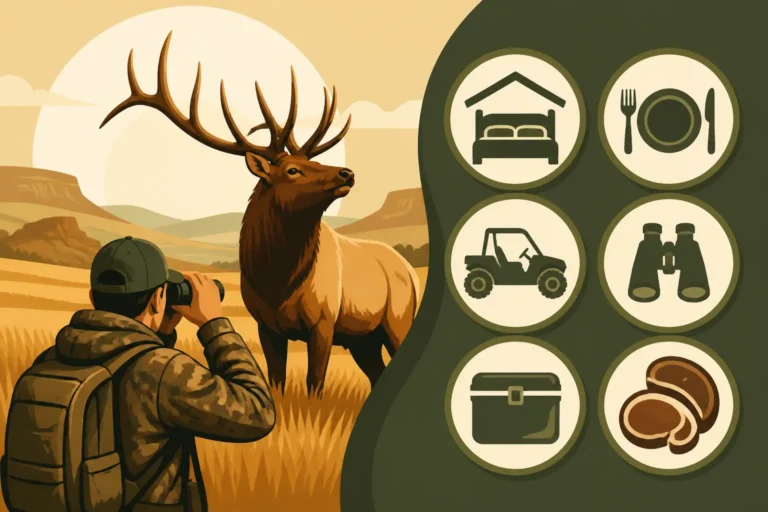
- Camp Services: Were the accommodations clean and comfortable? Was the food delicious and plentiful? Did camp staff, if applicable, make you feel welcome and taken care of? If your guide was also involved in managing camp, cooking, or general hospitality, that adds to their workload and value.
- Gear and Equipment: Did the guide provide quality equipment (e.g., calls, decoys, specific hunting tools) that enhanced your hunt? Was their vehicle well-maintained and reliable for navigating rough country?
- Game Handling: This is a huge one. After the shot, your guide's work often ramps up. Did they expertly field dress the animal, cape it meticulously for your taxidermist, and assist with getting it out of the backcountry? Hauling a mature deer or an elk out of a deep coulee is back-breaking work, and professional handling of your trophy and meat is invaluable. If you're Field Dressing a Deer in Cold Weather or need assistance with Dragging a Deer Out of a Coulee, their help is critical.
- Post-Hunt Assistance: Did they help arrange for meat processing or a taxidermist? Did they ensure all necessary reporting requirements were met, such as Registering a North Dakota Deer Online? These often overlooked details contribute to a seamless experience.
The more comprehensive the service, and the more smoothly all these logistical elements run, the more credit your guide deserves in your tipping consideration. Some outfitters, like those you might find on GoHunt, clearly outline what's included, which helps you gauge the guide's contribution.
| Factor | Lower End of Tip Range (10-15%) | Higher End of Tip Range (15-20%+) |
|---|---|---|
| Guide's Effort | Consistent, diligent work; met expectations. | Exceptional, relentless effort; went above & beyond. |
| Guide's Attitude | Professional, polite, knowledgeable. | Enthusiastic, highly communicative, inspiring. |
| Hunt Success | No harvest, or challenging hunt with few opportunities (despite effort). | Successful harvest; multiple opportunities. |
| Animal Quality | Harvested animal was typical or average. | Harvested a trophy-class animal. |
| Logistics/Extras | Standard services, adequate camp/food. | Outstanding camp, gourmet food, seamless logistics, extra services (caping, difficult pack-out). |
| Overall Experience | Good, met expectations. | Unforgettable, exceeded all expectations. |
| Unforeseen Challenges | Guide managed challenges adequately. | Guide expertly navigated difficult conditions (e.g., extreme weather, injury) with grace. |
Practical Tipping Etiquette and Mechanics
You've had a fantastic hunt, the deer is tagged, and now it's time to show your appreciation. How you present your tip, and to whom, can be just as important as the amount itself. It's about respect and recognition.
When and How to Present Your Tip
The timing and method of presenting your tip matter, ensuring it's received with the dignity and appreciation it deserves.
- Timing is Key: The best time to present your guide's tip is at the very end of the hunt, typically after the final goodbyes or just before you depart from camp. This allows you to reflect on the entire experience and ensures the guide has completed all their duties. Avoid tipping at the beginning, as it can feel like a bribe or pressure, and avoid doing it halfway through, which can be awkward.
- Private Moment: Whenever possible, try to give the tip to your primary guide in a private moment. This avoids awkwardness with other hunters or staff members, allowing for a genuine, personal thank you. A handshake and a sincere compliment on their hard work mean a lot.
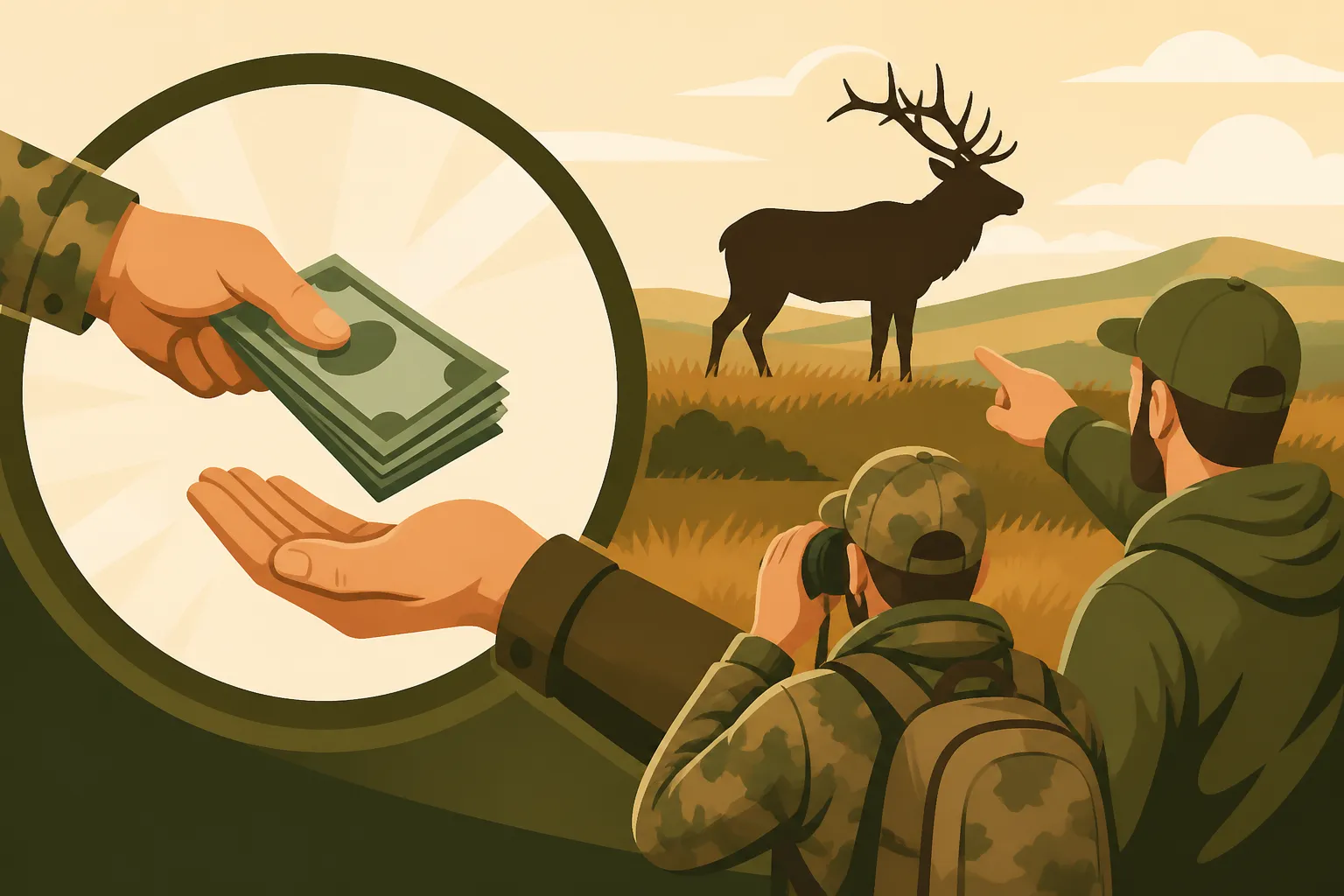
- Cash is King (Usually): Cash is almost always the preferred method for tipping guides. It's immediate, private, and allows them to use it as they see fit without waiting for checks to clear or dealing with credit card processing fees. Make sure the bills are crisp and neat, not crumpled up.
- Checks and Digital Payments: If you're carrying a large amount of cash isn't feasible, a personal check made out directly to the guide is an acceptable alternative. Some outfitters might have digital payment options, but always confirm this beforehand. If you're booking through a comprehensive platform, you might even find guidance on "Standard Tip for a Deer or Elk Guide" as part of their service agreement. Always ask if you're unsure.
Tipping Support Staff
Remember, your guide is often just one part of a larger team that makes your hunt possible. Don't forget the unsung heroes behind the scenes, especially on longer, lodge-based hunts for Elk Hunting North Dakota's Badlands.
- Cooks: The person preparing your meals, often starting long before dawn, deserves recognition. A general guideline is around $50-$100 per person for a multi-day hunt, or $10-20 per day.
- Camp Hands/Wranglers: If there are staff who maintain the camp, clean the lodge, assist with horses, or handle other logistics, they are crucial. A communal tip jar or individual tips of $25-$50 per person for a multi-day trip are appreciated.
- Skinners/Meat Processors (if separate): If your outfitter employs dedicated staff for skinning, caping, or basic meat processing, a separate tip for their skilled labor is a thoughtful gesture. The amount can vary depending on the work performed.
Sometimes, the main guide will pool tips with the other staff. However, if you want to ensure a specific amount goes to a specific individual, it's best to hand it to them directly with a personal thank you. When Booking a North Dakota Deer Hunt or an elk hunt, it's a good idea to factor in these additional tipping expenses into your overall budget.
What to Do If Service Falls Short
While the vast majority of guides are hardworking professionals, occasionally you might encounter a situation where the service genuinely fell short of acceptable standards. This is a delicate situation, but it's important to handle it constructively.
- Be Honest and Direct: If you're truly dissatisfied, you don't have to give a standard tip. However, simply withholding it without explanation is unhelpful. Politely and respectfully, express your concerns to the guide or, if appropriate, the outfitter. Focus on specific issues, not just a general feeling of disappointment.
- Distinguish Effort from Outcome: Remember that a lack of success doesn't automatically equate to poor guiding. If the guide put in maximum effort but conditions were simply against you, still tip them fairly for their hard work. A reduced tip should reflect genuine deficiencies in effort, professionalism, safety, or competence.
- Partial Tip: You might choose to offer a reduced tip that reflects what you believe their effort was worth. This acknowledges some level of service while also signaling your dissatisfaction.
- Documentation: If the issues were significant, make sure to document them for your own records, especially if you booked through a reputable outfitter or service that you might contact for feedback. Many platforms like BookYourHunt encourage honest reviews and feedback which can help future hunters.
A general rule of thumb: if you would consider booking a guided Badlands elk hunt with this outfitter again, but maybe not with that specific guide, then a fair tip is still likely in order, perhaps on the lower end of the range. If the entire experience was truly negative due to guide performance, then a minimal or withheld tip, with a clear explanation, might be necessary.
Disclaimer
This article is for general informational purposes only and does not constitute professional advice. Laws, prices and regulations vary by location and change over time. Consult a qualified professional for guidance on your specific situation.