Physical Prep for Badlands Elk Terrain
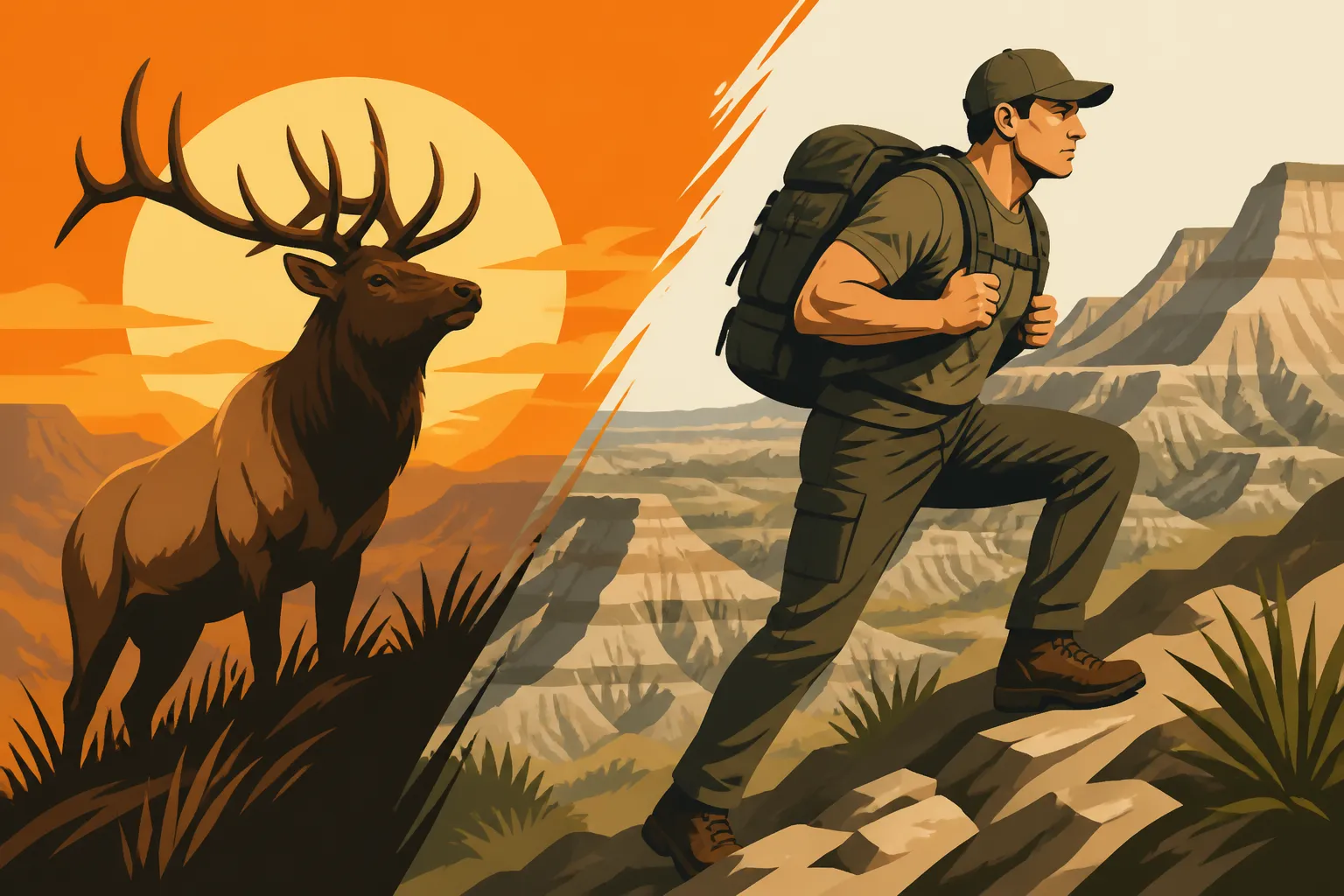
The rugged, breathtaking beauty of North Dakota's Badlands draws many hunters, but the dream of chasing elk in this unique landscape can quickly turn into a grueling reality if you're not physically prepared. Those rolling hills might look gentle from a distance, but the constant undulations, steep draws, and loose, crumbling terrain demand a level of fitness that surprises many. If you've been wondering how to get your body ready for the physical grind of a Badlands elk hunt, this guide will walk you through a comprehensive preparation strategy to ensure you're strong, resilient, and ready to tackle the challenges head-on.
Understanding the Unique Challenges of Badlands Elk Terrain
Before you even lace up your running shoes, it's crucial to understand exactly what kind of physical demands the North Dakota Badlands will place on your body. This isn't a leisurely stroll through a park; it's an intense, multi-day endurance test, especially when you're pursuing a formidable animal like an elk. The terrain itself is the primary antagonist, presenting a combination of factors that can quickly wear down even a seasoned hunter.
The Undulating Landscape and Steep Grades
The Badlands are aptly named, characterized by sharply eroded buttes, canyons, and ravines. What this means for your body is constant, relentless up-and-down movement. You'll rarely be on flat ground for long. One minute, you're hiking a steep incline, digging in your heels to avoid slipping on loose shale, and the next, you're carefully descending a equally steep, crumbly slope. This continuous change in elevation puts immense stress on your knees, ankles, and hips. Your quadriceps will burn on the ascents, while your hamstrings and glutes will work overtime stabilizing you on the descents. The ground underfoot is often a mix of soft soil, sharp rocks, and loose scree, demanding constant attention and micro-adjustments from your stabilizing muscles. This isn't just about hiking; it's about navigating unstable ground while carrying a pack, potentially a rifle, and maintaining stealth. Tools like GoHunt mapping can show you the detailed topography, revealing just how many elevation changes are in a single section, helping you mentally prepare for the effort required.
Higher Elevations and Their Impact
While North Dakota isn't known for towering peaks like the Rockies, the Badlands area still sits at a higher elevation than much of the Midwest, with plateaus often exceeding 2,500 feet and some points reaching over 3,000 feet. For hunters accustomed to sea-level living, this moderate increase in altitude, combined with strenuous activity, can still lead to noticeable effects. You might find yourself breathing heavier, fatiguing faster, and recovering slower than you would at lower elevations. The air is thinner, meaning less oxygen is available with each breath. This requires your cardiovascular system to work harder to deliver oxygen to your working muscles. It's not a situation that requires extensive acclimatization like a 10,000-foot peak, but it’s enough to warrant specific training to improve your body's efficiency in oxygen utilization. This is especially true when you factor in the physical effort of packing out an animal, which can easily take hours over challenging ground.
Extreme Weather Fluctuations
North Dakota weather is notoriously unpredictable and can change rapidly, often within a single day. You could start your morning hunt in freezing temperatures, experience a warm, sunny midday, and then face a sudden blizzard or strong winds by evening. These fluctuations add another layer of physical stress. Your body expends more energy regulating its temperature in response to cold winds, driving rain, or intense sun. Dehydration can become a significant issue in dry, windy conditions, even if it's not particularly hot. The mental and physical toll of constantly adjusting to changing conditions, staying warm or cool, and managing your layers adds to the overall fatigue. Being physically conditioned helps your body cope with these environmental stressors more efficiently, leaving you more energy for the actual hunt.
Developing a Comprehensive Physical Training Plan
With a clear understanding of the terrain's demands, you can now build a training plan that directly addresses those challenges. Your goal isn't just to be "in shape," but to be "hunting shape"—a very specific kind of fitness that prepares your body for sustained effort, heavy loads, and uneven footing.
Cardiovascular Endurance
Elk hunting is an endurance sport. You'll be covering miles each day, often with significant elevation gain, and sometimes at a quick pace if you're trying to cut off an animal or get into position. This means your heart and lungs need to be exceptionally efficient.
- Incline Walking and Stair Climbing: Forget the flat treadmill. Focus on incline walking on a treadmill, aiming for a consistent pace at a high incline. Stair climbers or hiking stadium stairs are excellent for mimicking the consistent up-and-down of the Badlands. Try to sustain these activities for 45-90 minutes, building up your time and intensity.
- Ruck Training: This is perhaps the most crucial element. Put on your hunting pack, load it with 30-50 pounds (start lighter and build up), and go for long walks. Seek out hilly terrain if possible. This not only builds cardiovascular endurance but also strengthens the specific muscles you'll use to carry your gear and, hopefully, meat. Start with shorter distances and gradually increase your mileage, aiming for multi-hour rucks. You can use an app like GoHunt to scout local trails with similar elevation profiles to the Badlands for your training.
- High-Intensity Interval Training (HIIT): Incorporate short bursts of intense exercise followed by brief recovery periods. This improves your body's ability to recover quickly from strenuous pushes, like a quick hike up a draw to get a better vantage point, which is common when Glassing Badlands Coulees for Elk. Sprints, burpees, or intense hill repeats are good options.
Strength and Stability Training
Cardio is vital, but without strength and stability, you'll be prone to injury and quickly fatigue under load. Elk hunting requires a strong core, powerful legs, and a resilient back.
- Leg Strength: Focus on exercises like squats (front, back, goblet), lunges (forward, reverse, walking), step-ups (onto a box or bench), and deadlifts (conventional or Romanian). These compound movements build the power needed for climbing and the eccentric strength required for descending steep slopes. Aim for 3-4 sets of 8-12 repetitions, increasing weight as you get stronger.
- Core Strength: A strong core stabilizes your entire body, preventing lower back pain and improving balance on uneven ground. Incorporate planks, side planks, bird-dog exercises, and Russian twists. Don't forget anti-rotation movements like pallof presses.
- Back and Shoulder Strength: Carrying a heavy pack, especially when Packing for an Eight-Day North Dakota Elk Hunt, demands a strong back and shoulders. Exercises like rows (dumbbell, barbell, cable), pull-ups (assisted if needed), and overhead presses are excellent. These will also help you steady your shot when you're winded from a climb.
- Ankle and Knee Stability: Work on single-leg exercises like pistol squats (or assisted pistol squats), single-leg Romanian deadlifts, and balance drills. Using a wobble board or standing on unstable surfaces can also help strengthen the small stabilizer muscles around your ankles and knees, critical for navigating rocky and loose terrain.
Flexibility and Injury Prevention
Neglecting flexibility can lead to tight muscles, reduced range of motion, and increased risk of injury. Incorporate stretching into your routine.
- Dynamic Stretching (Pre-Workout): Before your main workout or ruck, perform dynamic stretches like leg swings, arm circles, and torso twists to warm up your muscles and improve blood flow.
- Static Stretching (Post-Workout): After your workout, hold static stretches for major muscle groups, especially your quads, hamstrings, glutes, hip flexors, and calves, for 20-30 seconds each. This improves flexibility and aids in recovery.
- Foam Rolling: Use a foam roller to target tight spots in your muscles, particularly your quads, IT bands, glutes, and upper back. This can release knots and improve muscle pliability.
- Listen to Your Body: Don't push through sharp pain. Rest when needed, and consider cross-training with lower-impact activities like swimming or cycling to give your joints a break while maintaining cardio.
Nutrition, Hydration, and Mental Fortitude
Physical training is only one piece of the puzzle. What you put into your body and how you prepare your mind are equally critical for success in the Badlands. An elk hunt is a full-body, full-mind experience.
Fueling Your Body for the Hunt
Your body is a high-performance machine, and it needs the right fuel. For an elk hunt, you'll be burning a tremendous amount of calories.
- Pre-Hunt Diet: In the months leading up to your hunt, focus on a balanced diet rich in lean proteins, complex carbohydrates, and healthy fats. Proteins support muscle repair and growth, complex carbs provide sustained energy, and healthy fats are crucial for hormone production and energy density. Avoid processed foods, excessive sugars, and unhealthy fats that can lead to energy crashes and inflammation.
- During the Hunt: On the actual hunt, convenience and caloric density are key. Pack nutrient-dense snacks that are easy to eat on the go. High-quality protein bars, trail mix with nuts and dried fruit, jerky, and energy gels or chews are excellent choices. Ensure you're getting a good balance of macronutrients, especially carbohydrates for immediate energy and protein to prevent muscle breakdown. Consider incorporating electrolyte supplements to your water.
- Recovery Meals: After a long day of hunting, prioritize a meal with protein to kickstart muscle repair and carbohydrates to replenish glycogen stores. This is crucial for being ready to hit the hills again the next morning.
Staying Hydrated in Arid Conditions
The North Dakota Badlands can be surprisingly arid, and the combination of physical exertion, elevation, and potential wind can lead to rapid dehydration. This is a common pitfall that can severely impact your performance and safety.
- Consistent Water Intake: Start hydrating days before your hunt. During the hunt, carry ample water. Many hunters underestimate how much they'll need. Depending on conditions and exertion, you might need 3-4 liters per day, or more. Don't wait until you're thirsty; sip water consistently throughout the day.
- Electrolyte Replenishment: Plain water is great, but when you're sweating heavily, you lose electrolytes. Supplement with electrolyte tabs or powders in your water. Brands like Liquid IV or Nuun can make a big difference in preventing cramps, headaches, and overall fatigue.
- Water Filtration: Always carry a reliable water filter or purification tablets. While you should plan to carry sufficient water, having a backup for unforeseen circumstances or extending your hunt is vital. Knowing how to access and purify water from potentially remote sources is a critical skill in this country, especially if you're pursuing an elk deep in a draw.
Cultivating Mental Toughness
Elk hunting isn't just physically demanding; it's a mental game. There will be days when you're tired, cold, wet, discouraged, and questioning why you're out there. Your mental fortitude will often be the deciding factor between giving up and pushing through.
- Visualization: Before your hunt, visualize challenging scenarios—the steep climb with a heavy pack, the long blood trail, the cold morning sit. Mentally rehearse how you will respond to these challenges, focusing on perseverance and problem-solving.
- Set Realistic Expectations: Understand that elk hunting is hard. You might not see an elk every day, or even every other day. There will be setbacks. Accepting this reality helps manage frustration and keeps you from getting too down on yourself.
- Break it Down: When faced with a daunting climb or a long hike, break it down into smaller, manageable chunks. Focus on reaching the next ridge, the next juniper tree, or just taking 100 more steps. This keeps the bigger picture from overwhelming you.
- Find Your "Why": Remind yourself why you're out there. Is it the challenge, the meat, the connection to nature, the camaraderie? Tapping into that deeper motivation can provide the extra push when you feel like quitting. A well-prepared hunter understands that Hunting North Dakota's Badlands Mule Deer Country or Elk Hunting North Dakota's Badlands takes more than just physical prowess; it takes grit.
Pre-Hunt Preparation and Gear Considerations
Your training is nearly complete, but there are a few critical steps you should take in the final weeks and days leading up to your hunt, along with essential gear considerations that directly impact your physical performance and comfort.
Acclimatization and Last-Minute Tune-Ups
If possible, arrive in North Dakota a day or two before your hunt officially begins. This allows your body a small window to adjust to the elevation and dry air. Use these days for light activity—a short hike, scouting, or setting up camp—rather than strenuous exercise. This helps your body ease into the conditions without causing pre-hunt fatigue. In the final week before your hunt, taper your intense workouts, focusing on lighter activity and plenty of rest. You want to show up feeling fresh and energized, not overtrained.
The Right Footwear and Pack
Your feet are your foundation, and your pack is your mobile base camp. Investing in high-quality, well-fitting gear here is non-negotiable.
- Boots: Choose sturdy, supportive hunting boots with good ankle support and aggressive tread. "Broken in" is not just a suggestion; it's a commandment. Wear them constantly during your training. They should be waterproof, but also breathable. Brands like Kenetrek, Crispi, and Schnee's are popular for their durability and comfort in rugged conditions.
- Pack: A comfortable, well-fitting hunting pack designed to carry heavy loads is paramount. Look for one with a good suspension system, padded hip belt, and adjustable torso length. Practice packing it efficiently and carrying it loaded during your training. A pack that fits poorly will lead to rubs, hot spots, and excruciating back and shoulder pain, making every mile a torment. This is even more crucial when considering the potential for carrying out hundreds of pounds of meat from a successful North Dakota's 1,062-License Elk Season.
Practice Hikes with Gear
There's a difference between being able to run five miles and being able to hike five miles up and down hills with a 40-pound pack and a rifle. Integrate your actual hunting gear into your training. This means not just wearing your boots, but also your pack, and even carrying your rifle or a replica during some of your longer training hikes. This allows you to identify any hot spots, chafing issues, or uncomfortable pressure points before you're miles deep in a Badlands draw. It also helps your body adapt to the specific mechanics of walking with all your equipment, and helps you refine your packing strategy for optimal balance and comfort. Consider how Wind and Thermals in Badlands Terrain might affect your balance with a heavy pack and practice in varied conditions.
Sample Weekly Training Schedule
Here’s an example of how you might structure your training in the 2-3 months leading up to your hunt. Remember to consult a medical professional before starting any new fitness regimen.
| Day | Focus Area | Activity | Duration/Sets/Reps | Notes |
|---|---|---|---|---|
| Monday | Strength Training (Lower Body) | Squats, Lunges, Step-ups, Calf Raises | 3-4 sets, 8-12 reps per exercise | Focus on controlled movements, progressive overload. |
| Tuesday | Ruck/Cardio (Incline Focused) | Incline Treadmill or Hill Repeats with light pack (15-20 lbs) | 45-60 minutes | Simulate Badlands climbs. |
| Wednesday | Active Recovery / Flexibility | Stretching, Foam Rolling, Yoga, Light walk | 30-45 minutes | Prioritize mobility and injury prevention. |
| Thursday | Strength Training (Upper Body/Core) | Rows, Overhead Press, Planks, Russian Twists, Farmer's Carries | 3-4 sets, 8-12 reps per exercise | Build back/shoulder strength for pack and core stability. |
| Friday | Ruck/Cardio (Distance Focused) | Long Ruck with hunting pack (25-40 lbs), varied terrain if possible | 60-120 minutes, gradually increase | Build endurance, simulate full hunt conditions. |
| Saturday | Active Recovery / Light Hike | Long walk, maybe with dog, trail running, or light cycling | 45-90 minutes | Keep moving, but less intensity. |
| Sunday | Rest | Complete rest or very light activity like stretching | Crucial for muscle repair and preventing burnout. |
By committing to a rigorous, well-rounded physical preparation plan, paying close attention to your nutrition and hydration, and cultivating a strong mental game, you'll dramatically increase your chances of not only finding success in the North Dakota Badlands but also enjoying the demanding experience of pursuing one of the most magnificent animals in a truly wild landscape. Remember, a What a Once-in-a-Lifetime Elk Tag Means and the effort to harvest that animal is a journey worth preparing for.
Disclaimer
Hunting is an inherently dangerous activity. Always prioritize safety, follow all local and state regulations, and ensure you have the proper training and equipment. This guide provides general information and recommendations; individual results may vary. Consult with a medical professional before beginning any new exercise or diet program.