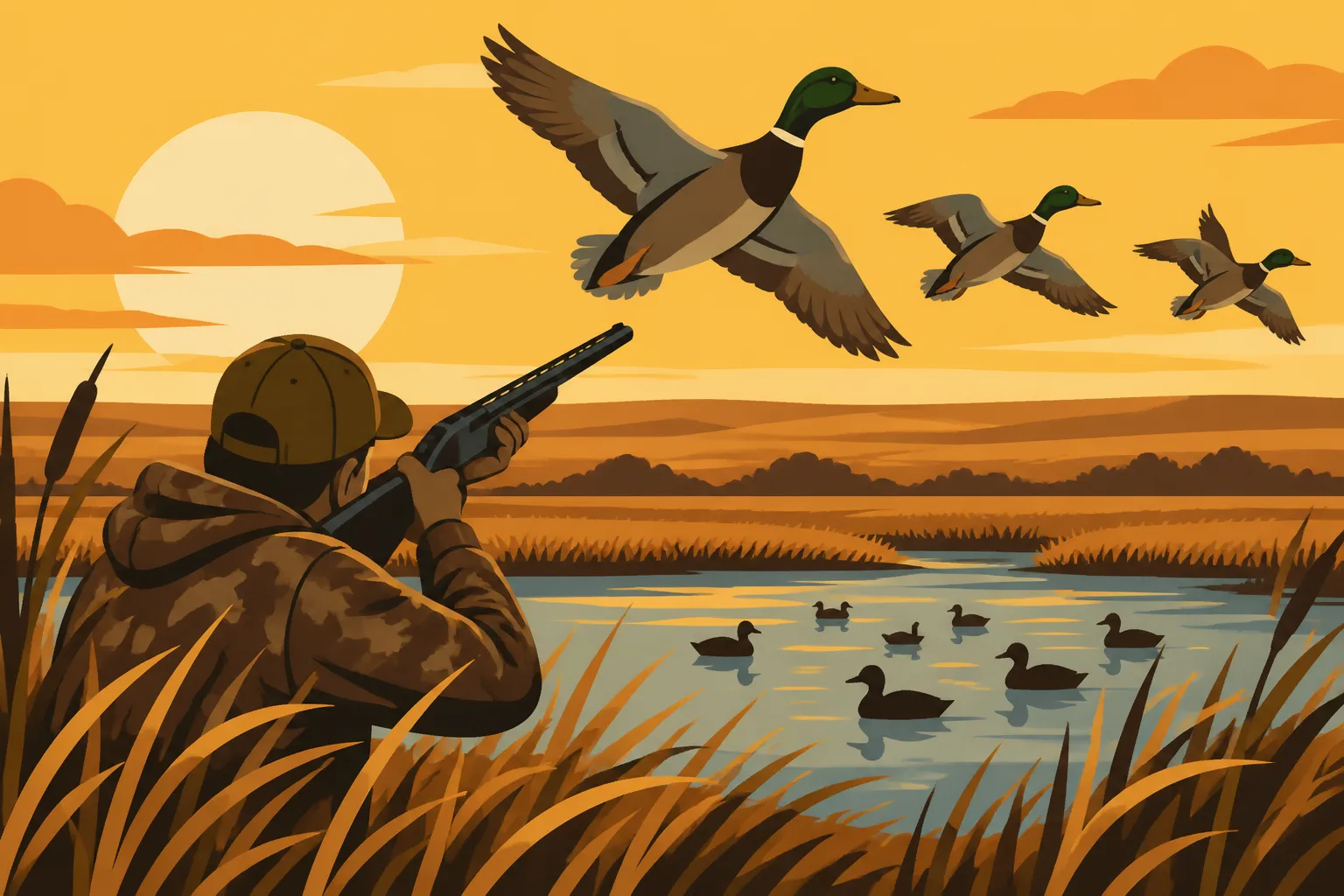
North Dakota Waterfowl on the Prairie Pothole Flyway
Stepping into the world of North Dakota waterfowl hunting can feel a bit like staring at a vast, open prairie: beautiful, full of potential, but also a little intimidating when you don't know where to start. Many folks feel overwhelmed by the sheer scale of the landscape and the legendary reputation this state holds for ducks and geese. This comprehensive guide is here to unravel those complexities, providing you with the insights and practical knowledge to confidently navigate and maximize your experience in North Dakota's incredible waterfowl haven.
Understanding the Prairie Pothole Region
North Dakota isn't just a place with good duck hunting; it's the beating heart of North America's waterfowl production, largely thanks to a unique geological feature: the Prairie Pothole Region. If you want to understand why the birds are here, you've got to understand their home.
Geological Formation and Habitat
Imagine ancient glaciers, retreating slowly across the landscape, scraping and gouging the earth as they went. When these colossal ice sheets finally melted away thousands of years ago, they left behind a terrain pockmarked with millions of shallow depressions – the "potholes" that give this region its name. These aren't just puddles; they're incredibly productive wetlands, ranging from temporary spring ponds to semi-permanent marshes, each teeming with invertebrates, aquatic vegetation, and the rich microbial life that forms the base of the waterfowl food chain. This intricate network of small wetlands provides crucial breeding and nesting habitat, as well as vital staging areas during migration.
The sheer density of these potholes across the landscape is astonishing. In some areas, you can count dozens, even hundreds, of small water bodies within a single square mile. This fragmented but widespread water source means that waterfowl have a multitude of options for nesting, feeding, and resting, spreading out their populations and making the entire region incredibly resilient to localized disturbances. It's a natural mosaic, perfectly designed for waterfowl.
However, these potholes are not static. Their water levels fluctuate dramatically with annual precipitation and seasonal snowmelt. A series of dry years can reduce many of these wetlands to parched depressions, concentrating birds on fewer, larger water bodies. Conversely, wet years can fill even the smallest potholes, spreading birds across the landscape and making them harder to pattern. Understanding these cycles is key to successful scouting and hunting in the region.
The "Duck Factory" of North America
When people call the Prairie Pothole Region the "Duck Factory," they're not exaggerating. This isn't just a pit stop for migrating birds; it's where a significant portion of North America's ducks are born and raised. The abundance of nutrient-rich water, coupled with the surrounding grasslands and agricultural fields, provides everything a breeding hen needs: secure nesting cover, plentiful insect protein for her ducklings, and safe places to molt. Without this region, continental waterfowl populations would be a shadow of what they are today.
The wetlands provide the aquatic invertebrate bounty that growing ducklings absolutely depend on for rapid development. Young ducks need protein, and lots of it, in their first few weeks of life, and these potholes are teeming with it. Furthermore, the adjacent upland grasses, whether native prairie or Conservation Reserve Program (CRP) lands, offer critical nesting cover that protects hens and their clutches from predators and agricultural disturbance. It's a delicate balance, and the health of both the wetlands and the uplands is inextricably linked to waterfowl success.
Beyond breeding, the Prairie Pothole Region also serves as a critical staging ground for migrating birds. As autumn approaches, local ducks and geese are joined by wave after wave of migrants from Canada's boreal forests and tundra. These birds need energy-rich food sources to fuel their journey south, and the vast fields of corn, wheat, and barley, alongside the natural wetland vegetation, provide just that. This abundance of food and water means the region holds birds for extended periods, offering hunters consistent opportunities throughout the fall.
Impact of Weather and Water Levels
Anyone who hunts North Dakota knows that the weather isn't just a factor; it's often the factor. And for waterfowl, weather and water levels are king. A wet spring, with plenty of snowmelt and rain, means more potholes are full, creating more breeding habitat and typically leading to a strong local hatch. Conversely, a prolonged drought can decimate local production and push migrating birds through faster or along different corridors.
Consider a year with an early, hard freeze. Suddenly, countless small potholes that held ducks for weeks become solid ice, forcing birds onto larger, deeper bodies of water like Lake Sakakawea or Devils Lake, or sending them packing south. This rapid concentration or departure of birds means hunters must be incredibly adaptable, always scouting and ready to change their plans based on Mother Nature's unpredictable whims. Staying flexible and having diverse hunting locations in mind is critical.
Beyond precipitation, temperature and wind play enormous roles. A strong northerly cold front can literally push hundreds of thousands of ducks and geese into North Dakota overnight, signaling the start of a fantastic migration. Conversely, a warm spell in late October can hold birds further north, delaying the peak migration through the state. Wind, too, affects how birds fly, where they feed, and how they decoy. Learning to read these environmental cues is part of the deep understanding that makes for a successful North Dakota waterfowler.
Key Waterfowl Species You'll Encounter
North Dakota is a mosaic of habitats, and that means a mosaic of waterfowl species. From the familiar dabblers to the hardy divers and the majestic geese, you'll find a wide variety of birds gracing the skies and waters of the Prairie Pothole Flyway.
Ducks of the Potholes
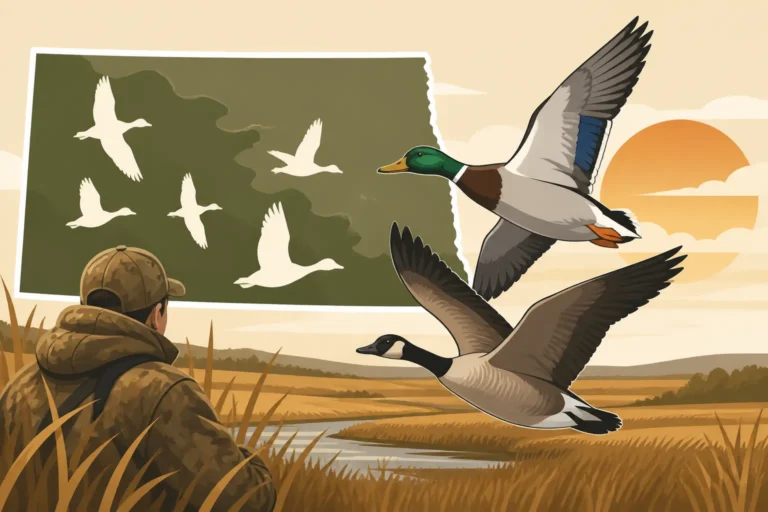
When you think of North Dakota ducks, the trusty mallard often comes to mind first. These adaptable dabblers are abundant, found on everything from tiny field potholes to sprawling rivers. They love shallow water where they can "tip up" to feed on submerged vegetation and grains, and they're notorious for field feeding on waste grain. Mallards are tough, often sticking around until late in the season, even when ice starts to form. Decoying them often involves a mix of floating blocks and perhaps some full-body field decoys if they're working a particular grain stubble.
But it's not just mallards. Pintails, with their elegant long necks and swift flight, are another staple, often found in shallower waters and harvested in strong numbers, especially in the early season. Gadwalls, recognizable by their white speculums, are often overlooked but incredibly common and make for excellent table fare. Various teal species – blue-winged, green-winged, and cinnamon (though less common) – offer exciting, fast-paced shooting, particularly during the early teal season. These small, agile ducks zip through the sky, challenging even the most seasoned shooter.
For those who enjoy a bit of a challenge and prefer larger water, the diver ducks are a real thrill. Redheads and canvasbacks, with their distinctive profiles and powerful flights, are common on larger, deeper potholes and lakes. They feed by diving for submerged plants and invertebrates. Hunting divers often requires larger decoy spreads, often with separate "diver rigs" set further out from shore on open water, rather than tucked into the cattails. Species like scaup (bluebills) and ring-necked ducks are also common, particularly as the migration progresses and larger bodies of water become the primary holding areas. Remember that their flight patterns can be much different than dabblers, often lower to the water and in tighter groups.
Geese of the North Dakota Skies
Geese are another massive part of the North Dakota waterfowl experience, and the state sees incredible numbers throughout the season. Canada geese are ubiquitous, with both resident populations that breed within the state and vast numbers of migrants passing through. Early season often focuses on these resident birds, which can be patterned to feed in specific fields and roost on nearby water bodies. As the season progresses, larger "honkers" from further north arrive, presenting big targets and requiring serious decoy spreads. North Dakota Resident Canada Goose Population is a topic many hunters pay close attention to for early season prospects.
Then there's the spectacle of snow geese. Millions of these birds funnel through North Dakota, particularly during the spring and fall migrations. Hunting snows is a different ballgame altogether, often involving massive spreads of hundreds or even thousands of decoys, electronic callers, and specialized layout blinds. The sight and sound of a blizzard of snow geese descending into your spread is an unforgettable experience, though they can be incredibly wary.
Don't forget the less numerous but highly prized specklebellies, or white-fronted geese. These "specks" are known for their distinct high-pitched call and are often a challenging bird to decoy, requiring specific calling techniques and a keen eye for detail. They offer a unique hunting experience that many waterfowlers cherish. Whether it's the booming "honk" of a Canada or the piercing "kik-kik" of a snow goose, the skies above North Dakota are alive with the sounds of migrating geese. North Dakota Duck and Goose Bag Limits are important to consult, as they can vary by species and change annually.
Other Migratory Birds
While ducks and geese are the primary focus for most North Dakota waterfowlers, the state also sees significant numbers of other migratory birds that offer unique hunting opportunities, though under different regulatory frameworks. Sandhill cranes, with their prehistoric calls and towering presence, migrate through North Dakota in large numbers. Hunting for them requires a separate permit and tag, often drawn through a lottery system, and it's a completely different kind of hunt, focusing on field edges where they feed on grain.
Similarly, tundra swans pass through the state, and a limited number of tags are issued annually through a lottery. These magnificent birds are often seen on larger bodies of water, and hunting them is a once-in-a-lifetime experience for many. It's crucial to understand that these species have their own specific regulations, seasons, and licensing requirements, separate from general duck and goose hunting. Always consult the North Dakota Game and Fish Department (NDGFD) regulations for species-specific rules before planning a hunt for cranes or swans.
Migration Patterns and Timing
The beauty of North Dakota waterfowl hunting is its dynamic nature, driven almost entirely by migration patterns. The birds are always moving, always reacting to weather and food availability, which means understanding the seasonal flow is paramount to being in the right place at the right time.
Early Season Opportunities
The waterfowl season in North Dakota often kicks off with a bang in early September, targeting resident birds and the first waves of migrants. This is often the time for the special early teal season, which provides fast-paced action on blue-winged teal before many other species have begun their major push south. These early birds are usually concentrated on smaller, shallower potholes and sloughs, offering excellent jump-shooting or decoy opportunities.
Resident Canada geese are also a major draw in the early season. These are the birds that summered and bred in North Dakota, often becoming quite patterned to feed in cut grain fields in the mornings and evenings, then loafing on nearby water bodies during midday. Hunters who have done their Scouting PLOTS Land Before Season will have a significant advantage in patterning these birds. Early season weather is generally mild, making for more comfortable hunts, but also meaning birds might not be as concentrated due to abundant water across the landscape.
Another key aspect of early season is targeting local mallards and wood ducks. While numbers aren't at their peak, these birds provide consistent action, particularly on smaller wetlands and riverine habitats where they've spent the summer. The early season is a great time to shake off the rust, get the dogs tuned up, and enjoy some beautiful North Dakota mornings before the intense cold fronts of October and November arrive. Remember, though, that early season birds haven't seen much pressure, so they might be less wary, but scouting is still critical to finding their preferred feeding and roosting spots.
The Peak Migration Push
Mid-October through mid-November is often considered the peak migration period for ducks and geese in North Dakota, and for good reason. This is when the continental populations from further north begin their serious push south, often ushered in by strong cold fronts and adverse weather. The number of birds in the state can swell dramatically, creating those legendary days where the sky seems filled with wings.
During this period, you'll see a shift in bird behavior. Ducks and geese become more concentrated on larger bodies of water as smaller potholes begin to freeze up. They also become incredibly focused on energy-rich food sources in agricultural fields. Mallards will be pouring into corn and bean fields, while snow geese and Canadas will carpet vast expanses of stubble. This is the time when large decoy spreads and effective calling really pay off. Decoy Spreads for Prairie Pothole Mallards and Layout Blind Hunting Devils Lake Fields become key strategies.
Hunting during peak migration can be both incredibly rewarding and challenging. The sheer volume of birds is exhilarating, but they are also more educated due to increased hunting pressure further north. Hunters need to be diligent in their scouting, identify fresh feeding patterns, and be prepared to contend with rapidly changing weather. A strong north wind and falling temperatures can bring in new birds daily, but it also demands serious cold-weather gear and determination from hunters.
Late Season Resilience
As November wanes and December sets in, North Dakota transforms into a truly frozen landscape, but the waterfowl season isn't over. Late-season hunting targets the hardy ducks and geese that remain, often congregating on the few remaining open water sources or in fields with abundant waste grain. This can be some of the most challenging, yet most rewarding, hunting of the year.
Often, late-season birds will be found on major rivers like the Missouri River, or large, deep lakes like Lake Sakakawea or Devils Lake that take longer to freeze solid. These birds have weathered migrations and hunting pressure, making them incredibly wary. Decoying tactics need to be precise, and concealment is absolutely paramount. Hunting Into a December Cold Snap becomes a reality, requiring specialized cold-weather clothing, insulated waders, and meticulous planning to stay warm and functional.
Field hunting for geese can also be excellent late in the season, particularly for Canada geese that have settled into established feeding routines. They will hit specific corn or bean fields day after day until the food source is depleted or heavy snow covers it. Successful late-season hunting often boils down to diligent scouting, understanding how birds use the available food and water, and being able to withstand the elements. While the numbers of birds might be lower than peak migration, the quality of the hunting, and the satisfaction of outsmarting these tough, seasoned waterfowl, is unparalleled.
License Requirements and Regulations
Navigating the rules and regulations for North Dakota waterfowl can feel like a maze, especially with changes to nonresident access. But getting it right is non-negotiable, not just for legality, but for respecting the resource and other hunters.
General Licensing for Waterfowl
Before you even think about setting foot in a field or wading into a slough, you need to ensure all your ducks are in a row, license-wise. For any hunting in North Dakota, residents and nonresidents alike need a basic General Game and Habitat License. This is your foundational pass to hunt anything in the state. On top of that, you'll need a Small Game License, which covers waterfowl, upland game, and some other species.
But wait, there's more for waterfowl! You'll also need to purchase a Federal Migratory Bird Hunting and Conservation Stamp, famously known as the Federal Duck Stamp. This stamp is mandatory for anyone 16 years or older hunting migratory waterfowl. It’s not just a fee; it's a vital contribution, with 98% of the proceeds going directly to conservation efforts, acquiring and protecting wetland habitat for birds and other wildlife. You can purchase these at most post offices, sporting goods stores, or online.
Finally, you must be HIP (Harvest Information Program) certified. This is a federal requirement for all migratory bird hunters, providing the U.S. Fish and Wildlife Service with data to manage populations effectively. It's usually a quick, free registration you do when you buy your state license, confirming the species you intend to hunt. So, in summary, you're looking at a General Game and Habitat License, a Small Game License, a Federal Duck Stamp, and HIP certification. Missing any one of these can lead to a violation. North Dakota HIP Certification for Bird Hunters is an easy step, but one often overlooked by new hunters.
Nonresident Waterfowl Restrictions
Here's where it gets a little trickier, particularly for out-of-state hunters, and it's a frustration point for many who've enjoyed North Dakota's hospitality for years. Starting in 2026, North Dakota introduced significant restrictions for nonresidents regarding waterfowl hunting. Previously, nonresidents could hunt waterfowl on public land anywhere in the state, any day of the season. That's changing.
The new rule institutes a "zone-restricted" license for nonresidents, meaning you can only hunt waterfowl in specific zones. More critically, there are also "nine resident-priority waterfowl days" during which nonresidents cannot hunt waterfowl on public land. These days typically occur at the very beginning of the duck and goose seasons, effectively giving residents exclusive access to public waterfowl grounds during the initial opener. This can be a real headache for nonresidents trying to plan a trip, as it impacts when they can arrive and where they can hunt. It means nonresidents need to be even more strategic in their planning, potentially shifting their hunt dates later in the season or focusing exclusively on private land with permission during those restricted days. For full details, check out the New 2026 North Dakota Nonresident Waterfowl Restrictions. Understanding Hunting North Dakota's Nine Resident-Only Waterfowl Days is critical for planning a successful nonresident hunt.
This change highlights the importance of thorough planning and staying updated with the NDGFD regulations. It's not about making it impossible for nonresidents, but about managing pressure and allocating resources. If you're coming from out of state, calling the NDGFD directly or thoroughly reading their current season guide well in advance of your trip is paramount to avoid disappointment and ensure you're hunting legally. Some outfitters may have strategies to navigate this, but the responsibility ultimately falls on the hunter.
Bag Limits and Shooting Hours
Understanding bag limits and shooting hours is fundamental to ethical and legal waterfowl hunting. Bag limits specify the maximum number of birds you can harvest in a single day (daily bag limit) and the total number you can possess after a day or more of hunting (possession limit). These limits vary by species and can change annually based on population surveys and management objectives. For instance, mallards often have a higher bag limit than, say, pintails or canvasbacks. Always check the current year's North Dakota Game and Fish Department (NDGFD) regulations before heading afield, as these numbers are subject to federal frameworks and state adjustments.
Exceeding these limits, even accidentally, is a serious violation. It's not uncommon for hunters to misidentify a duck in flight, so knowing your birds is essential. A great tip is to review waterfowl identification guides before the season. The NDGFD provides excellent resources, often including diagrams of ducks in flight and plumage characteristics. Some species, like hooded mergansers or some goldeneyes, have very low daily limits or are often not even targeted by hunters, but you still need to be aware.
Shooting hours are another critical regulation. Generally, legal shooting hours for waterfowl in North Dakota are from one-half hour before sunrise to sunset. This framework is designed to give birds a period of undisturbed rest and ensure fair chase. You absolutely cannot shoot before or after these times. Many hunters use a hunting app or a simple sunrise/sunset table for their specific location to keep track. Setting an alarm to pack up decoys before civil twilight ends is good practice. Always remember, it's better to be a few minutes early packing up than a second late on the shot. A good rule of thumb is when in doubt, don't shoot.
Finding Your Hunting Grounds
North Dakota boasts a remarkable amount of publicly accessible land, which is a blessing for waterfowlers. However, understanding which public lands are best for waterfowl, and how to approach private land, is the real trick to consistent success.
Public Land Access on Waterfowl Production Areas
Waterfowl Production Areas (WPAs) are some of the crown jewels of North Dakota's public hunting opportunities for waterfowl. Managed by the U.S. Fish and Wildlife Service, these areas are specifically acquired and managed to protect and restore wetland and grassland habitats for nesting and migrating waterfowl. They are literally designed for ducks and geese. You'll find WPAs scattered throughout the Prairie Pothole Region, often consisting of diverse habitats, including small, shallow potholes, larger semi-permanent marshes, and surrounding upland grasslands critical for nesting.
Hunting on WPAs is generally open to the public, offering fantastic opportunities for both walk-in jump-shooting and setting up decoy spreads. They are well-marked with distinctive brown signs. Tools like the GoHunt app or the ND Hunt app are invaluable for locating these areas, identifying boundaries, and understanding access points. When hunting WPAs, be mindful of any specific regulations posted at the site, as some may have restrictions on vehicle use or blind placement. These areas are truly special, and a significant portion of your duck hunting in North Dakota will likely occur on a WPA. They represent a fundamental component of North Dakota Waterfowl Production Areas and are worth seeking out.
The beauty of WPAs is their variety. Some might be perfect for a small layout blind tucked into cattails on a slough edge, while others might offer vast, open water ideal for a large diver spread. Success on WPAs often comes down to scouting before your hunt. Look for fresh bird sign, assess water levels, and note where birds are loafing or flying. Because they are public, expect to see other hunters, especially on popular areas. Being courteous and giving others space is key to a positive experience.
PLOTS and Other State Lands
Beyond WPAs, North Dakota offers other avenues for public access, most notably the Private Land Open To Sportsmen (PLOTS) program. PLOTS lands are private lands where landowners receive incentives from the NDGFD to allow public hunting access. These areas are marked with bright yellow PLOTS signs and are invaluable for hunters seeking diverse habitats, including agricultural fields, wetlands, and shelterbelts. While not exclusively managed for waterfowl, many PLOTS tracts contain excellent sloughs, potholes, or are adjacent to fields that ducks and geese frequent.
The PLOTS program is dynamic, meaning acreage can change year to year as landowners enroll or withdraw from the program. This makes using the current PLOTS Guide booklet or the ND Hunt app absolutely essential, as older maps might be outdated. Scouting PLOTS Land Before Season is not just good advice; it's practically mandatory to find productive areas and understand access points. A PLOTS tract bordering a cornfield with a small slough in the middle could be a late-season goose hunting goldmine.
Additionally, North Dakota has State School Lands and other state-managed lands that are generally open to public hunting unless specifically posted otherwise. These can be less consistently productive for waterfowl than dedicated WPAs or well-situated PLOTS, but they add to the overall public access pie. Understanding different types of public land – federal, state, and PLOTS – and how to identify them, is crucial for maximizing your opportunities in North Dakota. These lands are truly a lifesaver for hunters who don't have private land access, allowing everyone to participate in the state's incredible waterfowl heritage.
Gaining Private Land Access
While North Dakota boasts extensive public land, some of the most consistent and spectacular waterfowl hunting, especially for field-feeding geese, often happens on private land with permission. This is particularly true during the peak migration when vast flocks of snow geese and Canada geese are hitting specific stubble fields day after day. Gaining private land access is an art form that hinges on respect, courtesy, and a bit of luck.
The best approach is always to knock on doors well in advance of the season, or at least a day or two before you intend to hunt. Identify potential landowners by observing where birds are feeding and then finding the adjacent farmstead. Introduce yourself, explain your intentions clearly, and always be polite, even if denied. Offering to share some of your harvested game can go a long way in building goodwill. Many farmers are happy to allow hunters who respect their property and livestock, especially if geese are causing crop damage.
Remember that private land access is a privilege, not a right. Always follow any specific requests the landowner makes, such as staying away from certain fields, closing gates, or avoiding certain times of day. Never drive off-road without explicit permission, and always pick up all your shells and trash. Building a relationship with a landowner can secure you incredible hunting opportunities for years to come. In North Dakota's vast agricultural landscape, private land often holds the key to those truly epic field hunts, making the effort to secure permission incredibly worthwhile.
Essential Gear and Tactics for Success
Waterfowl hunting in North Dakota isn't just about finding birds; it's about being prepared with the right gear and employing smart tactics to bring them into range. The prairie demands resilience, and your equipment needs to be up to the task.
Decoys and Spreads
Decoys are your primary tool for luring waterfowl into shooting range, and North Dakota hunting often calls for a diverse arsenal. For ducks on potholes and sloughs, a spread of floating decoys is essential. Mallard decoys are a must-have, but mixing in pintails, gadwalls, or teal can make your spread look more natural and appealing. Motion decoys, like spinning-wing Mojo devices, can be incredibly effective, especially in calm conditions, creating the illusion of active birds on the water. However, some areas or specific times may have restrictions on electronic decoys, so always check local regulations. For Decoy Spreads for Prairie Pothole Mallards, a good starting point is often a cluster near your blind, with a long "landing strip" opening directly in front.
When targeting geese, especially in fields, your decoy spread needs to scale up. Full-body Canada goose decoys are realistic but bulky. Shells and silhouettes offer a lighter, more portable option that allows you to put out larger numbers. For snow geese, spreads can literally number in the hundreds or even thousands, often involving lightweight windsocks or feeder rags to create the illusion of a massive feeding flock. The key for all decoys is realism and proper placement, mimicking how birds naturally interact on the ground or water. Don't be afraid to experiment with different patterns – J-hooks, U-shapes, or loose clusters – to see what the birds respond to on any given day.
Beyond the actual decoys, consider your rigging. Decoy cords should be sturdy and weighted properly for the water depth you anticipate. For field hunting, having a large decoy bag or even a small trailer dedicated to hauling gear can save your back. Investing in good quality decoys that hold up to the harsh North Dakota weather will save you money in the long run. Remember, the goal is to create a believable scene that convinces wary birds to drop their guard and commit.
Blinds and Cover
Concealment is absolutely paramount in North Dakota waterfowl hunting. The wide-open prairie offers little natural cover, so hunters must become masters of camouflage. For field hunting, especially for geese, layout blinds are king. These low-profile blinds allow you to lie flat in a stubble field, blending seamlessly with the surroundings. Brands like Avery, Final Approach, and Rogers Sporting Goods offer excellent models. They are generally comfortable, keep you protected from the elements, and disappear when properly brushed in. For a deep dive into this, check out Layout Blind Hunting Devils Lake Fields, as the tactics for open country are very specific.
For water hunting, options vary. If you're hunting a cattail-lined slough, you might be able to simply tuck yourself into the natural vegetation, using a camo net for added concealment. Portable blind systems, like A-frame blinds or pop-up blinds, are versatile and can be set up along a field edge, a river bank, or even in shallow water. They need to be brushed in meticulously with local vegetation – cornstalks, cattails, tumbleweeds – to break up their outline. Birds have exceptional eyesight, and anything unnatural will send them flaring.
Even a simple ground blind made from natural materials can be effective if built well. The key is to blend in, stay still, and avoid any bright colors or reflective surfaces. When setting up, consider the sun's position so you're not silhouetted, and always be aware of the wind, as birds will almost always land into it. Good blinds make you invisible, turning curious birds into committed targets. Without proper concealment, even the best decoy spread will be useless against North Dakota's wary waterfowl.
Calling Techniques and Scouting
Calling can be a powerful tool, but it's a supplement to good scouting and setup, not a replacement. For ducks, a basic hail call, greeting call, and feeding chuckle are often all you need. The goal isn't to blast away constantly, but to grab attention and reassure birds as they approach. Learning to read how birds react to your calls – whether they turn, dip their wings, or ignore you – will help you adjust your technique. For geese, short, sharp clucks and double-clucks for Canada geese, and high-pitched pleading calls for snow geese, are the bread and butter. Remember Rattling Volume on the Open Prairie – sometimes less is more, especially on calm days.
However, the single most critical element to consistent success in North Dakota waterfowl hunting is scouting. You simply cannot overstate its importance. Birds are constantly moving, changing their feeding fields, and shifting roosting locations based on weather, food availability, and pressure. A field that was hot yesterday might be barren today. Scouting involves driving countless miles, glassing fields at dawn and dusk, watching flight lines, and observing where birds are landing and leaving. Tools like binoculars and spotting scopes are essential.
Using apps like GoHunt, which can show land ownership boundaries, is incredibly helpful during scouting. Once you find birds, identify the specific field they're using, and then try to secure permission if it's private land, or locate the nearest public access. Never, ever hunt a spot without scouting it first. It's a recipe for disappointment. The more time you spend observing, the more successful your actual hunting will be. Finding where birds want to be is far more effective than trying to force them into a spot they don't.
Challenges and Considerations for North Dakota Waterfowlers
While North Dakota offers unparalleled waterfowl opportunities, it's not without its unique set of challenges. Being prepared for these hurdles can make the difference between a frustrating trip and a rewarding one.
Weather Extremes and Preparation
North Dakota weather is legendary for its extremes, and waterfowlers experience it firsthand. Early season can be surprisingly warm, even hot, requiring light clothing and plenty of water. But as the calendar flips to October and November, temperatures can plummet, bringing brutal cold, strong winds, and sudden snowstorms. A sunny, calm morning can quickly turn into a whiteout blizzard. This means you need to pack for every eventuality.
Layering is key. Start with moisture-wicking base layers, add insulating mid-layers like fleece or down, and top it off with waterproof, windproof outer shells. Good quality insulated waders are non-negotiable for water hunts, and even for field hunting, waterproof boots are essential to deal with mud, slush, and standing water. Hand warmers, insulated gloves or mittens, and a warm hat are also crucial. Frostbite and hypothermia are real dangers on the prairie, so never underestimate the cold. Always carry emergency supplies in your vehicle, including extra food, water, blankets, and a shovel, especially if you plan to be in remote areas.
Beyond personal comfort, consider your vehicle. Four-wheel drive is highly recommended, especially when navigating muddy two-tracks or snow-covered roads. Ensure your tires are in good condition and your vehicle is well-maintained. Getting stuck miles from pavement in freezing temperatures is a serious situation. Preparing for the worst, even on a bluebird day, is just good sense when hunting North Dakota.
Hunting Pressure and Hunter Ethics
With North Dakota's reputation as a waterfowl mecca, it's no surprise that certain areas, especially easily accessible public lands, can experience significant hunting pressure. During peak migration or on opening weekends, it's common to see multiple groups of hunters vying for prime spots. This can lead to frustration if not handled with good hunter ethics.
The golden rule is courtesy and respect. If another group is already set up in a spot, give them a wide berth. Ideally, you should aim for at least a half-mile separation, though terrain and access might dictate closer quarters. Don't crowd another spread, and avoid sky-busting – shooting at birds that are too far out, often flaring them for other hunters. Communication is key; a quick wave or a friendly chat can often prevent conflicts. If you see someone breaking the rules, like hunting too close or shooting outside legal hours, consider a polite word or, if necessary, contacting the NDGFD.
Hunting pressure also makes scouting even more critical. Popular spots get hunted hard, and birds quickly learn to avoid them. Successful hunters often put in the extra effort to find less-pressured areas, whether that's deeper in a WPA, on a remote PLOTS tract, or by securing private land permission. Being adaptable and willing to move if a spot is too crowded will significantly improve your experience. Remember, we're all out there to enjoy the outdoors; a little respect goes a long way.
CWD and Other Wildlife Health Concerns
While Chronic Wasting Disease (CWD) is primarily a concern for deer and elk, it's important for all hunters to be aware of wildlife health issues in North Dakota. CWD has been detected in various deer hunting units across the state, and the NDGFD actively monitors its spread. While waterfowl are not susceptible to CWD, understanding the broader context of wildlife management and health is part of being a responsible hunter in the state.
Hunters should always be aware of any mandatory CWD testing requirements in specific deer hunting units, even if they are primarily focused on waterfowl. If you happen to harvest a deer while waterfowl hunting, you would need to adhere to these rules. Additionally, if you notice any unusual behavior or sick animals in the field, report it to the NDGFD. This applies to all wildlife, including waterfowl. While avian influenza outbreaks can occur, affecting waterfowl, it's less common for hunters to encounter sick birds exhibiting symptoms. However, maintaining good hygiene when handling harvested birds and game meat is always recommended.
Being informed about wildlife diseases, even those not directly impacting your target species, contributes to the overall health of North Dakota's ecosystems. It underscores the interconnectedness of all wildlife and the importance of supporting the NDGFD's efforts to monitor and manage these populations responsibly.
Conservation Efforts and the Future of Waterfowling
North Dakota's incredible waterfowl resources aren't a given; they are the result of tireless conservation efforts and dedicated hunters who understand the importance of giving back. Being part of the solution ensures that future generations can experience the magic of the Prairie Pothole Flyway.
Ducks Unlimited and Other Organizations
When you talk about waterfowl conservation, Ducks Unlimited (DU) is often the first name that comes to mind, and for good reason. DU has been a monumental force in preserving, restoring, and managing wetlands and associated uplands across North America, with a significant focus on the Prairie Pothole Region. Their work directly translates into more habitat for nesting ducks and geese, and more staging areas during migration. When you're standing knee-deep in a thriving North Dakota slough, chances are DU has had a hand in making that habitat productive.
But DU isn't alone. Organizations like Delta Waterfowl also play a critical role, focusing on research, habitat programs, and hunter advocacy to ensure the future of waterfowl and waterfowling. Many local conservation districts, state agencies like the NDGFD, and even private landowners contribute significantly to these efforts. These groups work to convert marginal cropland back to grassland, restore drained wetlands, and educate the public on the importance of these vital ecosystems.
Supporting these organizations, whether through membership, donations, or volunteering, is a direct way to ensure the future of North Dakota's waterfowl hunting. Every dollar contributed goes towards scientific research, habitat projects, and advocacy that protects the very resource we cherish. It's a testament to the hunting community's dedication that such robust conservation programs exist.
The Federal Duck Stamp Program
Perhaps one of the most successful conservation programs in history, and one directly tied to waterfowl hunting, is the Federal Migratory Bird Hunting and Conservation Stamp, or the Federal Duck Stamp. As mentioned earlier, this stamp is mandatory for all migratory bird hunters aged 16 and older. What makes it so impactful is where the money goes: 98% of the proceeds directly fund the acquisition or lease of wetland and grassland habitat for the National Wildlife Refuge System.
Think about that: almost every dollar you spend on a duck stamp goes straight into protecting the very places ducks and geese need to survive. Since its inception in 1934, the Duck Stamp program has conserved over 6 million acres of habitat. These lands are not just for birds; they provide critical habitat for countless other wildlife species and offer recreational opportunities like hunting, fishing, and birdwatching. It's a user-pay, user-benefit model that has proven incredibly effective. North Dakota Federal Duck Stamp Requirement isn't just a rule, it's an investment.
As waterfowlers, purchasing a duck stamp isn't just about compliance; it's a badge of honor, a direct contribution to the future of the sport. It’s one of the best ways hunters contribute to conservation, often without even realizing the immense impact their small purchase has. Encourage non-hunters who appreciate wildlife to buy one too – it’s a beautiful piece of art and a powerful conservation tool.
Sustainable Hunting Practices
Beyond financial contributions, adopting sustainable hunting practices is crucial for ensuring healthy waterfowl populations for years to come. This means more than just following the regulations; it involves a mindset of respect for the resource. Ethical hunting practices include accurate species identification to avoid accidentally shooting protected or non-target birds. It also means making clean, ethical shots to minimize wounding loss. Using a trained retrieving dog is another fantastic way to ensure every bird you shoot is recovered.
Respecting bag limits and season dates is non-negotiable, but also understanding that sometimes, even if legal, it might be better to hold off. If birds are extremely wary due to heavy pressure, sometimes giving them a day or two of rest can improve the hunting for everyone. Leaving some birds to continue their migration or to breed next spring is part of the conservation ethic. Avoiding sky-busting, as discussed earlier, helps ensure more birds decoy for others and helps prevent crippling shots that lead to unrecovered birds.
Finally, proper handling of game meat is essential. Field dressing birds quickly and storing them properly ensures that the harvest is utilized to its fullest. North Dakota venison and waterfowl are excellent table fare, and taking pride in preparing and consuming your harvest is the final step in the sustainable hunting cycle. By embracing these practices, every waterfowler contributes to a vibrant future for ducks and geese across the majestic prairie potholes.
Disclaimer
Please note that hunting regulations, license requirements, and season dates can change annually. It is the responsibility of every hunter to consult the most current North Dakota Game and Fish Department (NDGFD) regulations guide before planning and participating in any hunting activity. This guide is for informational purposes only and should not be considered a substitute for official state publications.