Hunting North Dakota’s Prairie Pothole Region
The vastness of North Dakota's outdoors can feel overwhelming, especially when you're looking to find that perfect spot to hunt. For many, the iconic Prairie Pothole Region presents an incredible opportunity, but knowing where to start, what to hunt, and how to navigate its unique landscape can be a real head-scratcher. This guide is designed to cut through that confusion, offering a comprehensive look at what it takes to successfully hunt in North Dakota's legendary pothole country, from understanding the terrain to mastering species-specific tactics.
Understanding the Prairie Pothole Region for Hunters
The Prairie Pothole Region (PPR) of North Dakota isn't just a geographical area; it's a living, breathing ecosystem that offers some of the most diverse and exciting hunting experiences in North America. For hunters, it's a mosaic of wetland and grassland, a landscape sculpted by ancient glaciers, creating countless shallow depressions that fill with water – the "potholes" that give the region its name. This unique environment acts as a magnet for migratory waterfowl and provides crucial habitat for a variety of upland birds and big game.
What Makes the PPR Unique for Hunting?
What truly sets the PPR apart is its incredible biodiversity and the sheer volume of game, particularly waterfowl. Imagine an area dotted with thousands of small wetlands, interspersed with native prairie grass, croplands, and cattail sloughs. This patchwork creates an ideal feeding, nesting, and resting ground for ducks and geese, drawing them in by the millions during their annual migrations. But it's not just about the birds in the air; the dense cover along these wetlands and in surrounding grasslands also harbors robust populations of pheasants, grouse, and even whitetail deer. The challenge and charm of hunting here lie in adapting to the ever-changing conditions of water levels, crop rotations, and migratory patterns. It's a dynamic landscape that demands adaptability, keen observation, and often, a willingness to get your boots muddy.
Geographic Scope and Key Features
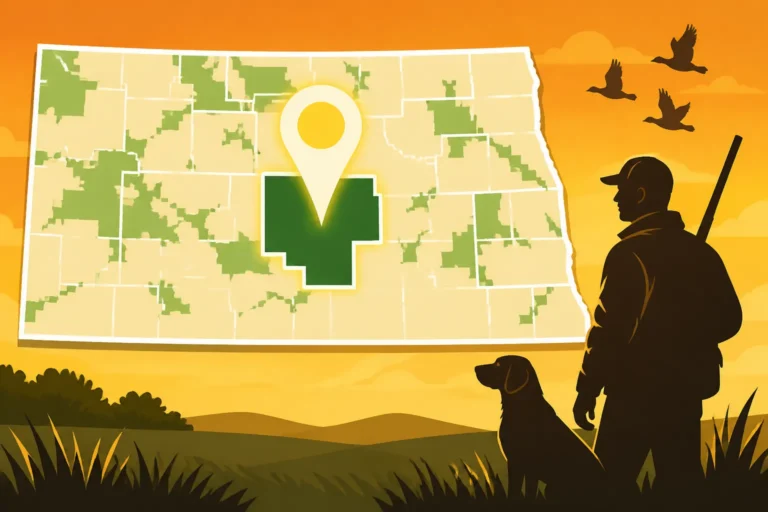
The Prairie Pothole Region isn't confined to North Dakota, but a significant and incredibly productive portion of it lies within the state's borders, primarily stretching across the central and eastern parts. Think of a line roughly from the Missouri River east, up to the Canadian border and down to the South Dakota line. This area is characterized by its relatively flat to gently rolling topography, punctuated by thousands upon thousands of these glacial depressions. The size and permanence of these potholes vary greatly; some are ephemeral, drying up in late summer, while others are deep, year-round wetlands. Key features include large wetland complexes like those around Devils Lake, vast expanses of privately owned agricultural land, and critical public parcels such as Waterfowl Production Areas (WPAs) and Wildlife Management Areas (WMAs). Hunters must remember that this is largely agricultural country, meaning a significant portion of the land is privately owned, presenting both opportunities and access challenges.
Seasonal Changes and Their Impact on Hunting
Hunting in the PPR is inextricably linked to the seasons, with each period offering distinct opportunities and challenges. Early fall, particularly in September, sees the first pushes of migratory birds, alongside strong resident populations of ducks, geese, and upland birds. As temperatures drop in October and November, the spectacle truly unfolds, with massive flights of waterfowl moving through, often concentrating on larger bodies of water or newly harvested fields. This is prime time for decoy spreads and field hunting. Upland bird hunting also thrives in the cooler temperatures, as cover becomes less dense and dogs can work more efficiently. However, late-season hunting, especially in December, can be brutal. Freezing temperatures mean most smaller potholes lock up with ice, pushing waterfowl to larger, open waters or completely out of the state. Deep snow can also make upland hunting difficult, but it can concentrate birds in thermal cover, creating unique challenges and rewards. Understanding these seasonal shifts is crucial for planning a successful hunt.
Key Game Species in the North Dakota PPR
When you think of North Dakota's Prairie Pothole Region, your mind likely goes straight to ducks and geese, and for good reason. But this diverse landscape holds much more than just waterfowl. It's a vibrant ecosystem supporting a variety of game, each requiring its own unique approach and offering a different kind of thrill. Knowing what to expect and where these species thrive is the first step to a successful hunt.
Waterfowl: The Unrivaled Draw
The PPR is world-renowned for its waterfowl hunting. Millions of ducks and geese utilize this region as a critical staging and breeding ground, particularly during the fall migration. You'll encounter a vast array of species, from green-winged teal and mallards to pintails and canvasbacks. Canada geese are abundant, often feeding in harvested grain fields, while snow geese can blanket the skies in spectacular numbers during their migrations. Hunting pressure can be significant on easily accessible public lands, but with careful scouting and a willingness to explore, incredible opportunities abound. Many hunters dedicate their entire North Dakota trip to chasing these feathered giants, often combining morning field hunts for geese with afternoon pothole hunts for ducks. North Dakota Duck and Goose Bag Limits outlines the specific regulations you'll need to know.
The sheer volume of birds means that success often comes down to adaptability. Early season might see you jump-shooting small sloughs or setting up modest decoy spreads for local birds. As the migration progresses and colder weather sets in, larger decoy spreads, specialized blinds, and meticulous scouting for feeding patterns become paramount. Hunters often use both duck and goose decoys, recognizing that a mixed spread can be effective for various species that are drawn to the perceived safety of a large flock. Understanding calling techniques and bird behavior, especially during different stages of the migration, is a significant advantage in this region.
Upland Birds: Pheasants, Huns, and Sharptails
While waterfowl might steal the spotlight, the PPR also offers fantastic upland bird hunting. Ringneck pheasants thrive in the dense cover found along cattail sloughs, shelterbelts, and unharvested field edges. Their explosive flush and vibrant plumage make them a favorite among many hunters. Hungarian partridge, often referred to as "Huns," are smaller, faster-flying birds found in coveys in agricultural fields and native grasslands, providing a swift, challenging target. Sharptail grouse, native prairie birds, prefer more open grassland and rolling terrain, often found on the edges of large WPA complexes. Sharptail Grouse Hunting Mixed Grass Prairie delves into specific tactics for these birds.
Hunting upland birds here is often a walking man's game, best done with a good dog. Covering miles of varied terrain, from dense cattails to open stubble fields, is common. Pheasant hunters often work shelterbelts or heavy cover around sloughs, while Hun and sharptail hunters might focus on large blocks of grass or the edges of stubble fields where birds feed. The combination of walking and flushing birds creates a dynamic and physically demanding hunt, a perfect complement to morning waterfowl pursuits. Many hunters come to North Dakota specifically for its pheasants, drawn by the prospect of encountering multiple robust coveys in a single day.
Deer: Whitetails in the Pothole Country
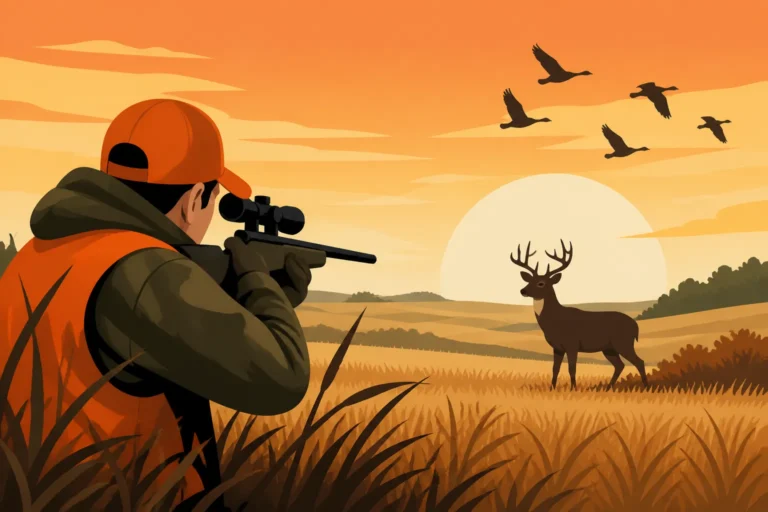
While the Badlands might be famous for mule deer, the Prairie Pothole Region is home to a healthy population of white-tailed deer. These adaptable animals thrive in the diverse habitat offered by the pothole country, utilizing the dense thermal cover of cattail sloughs and shelterbelts for bedding, and feeding in the abundant agricultural fields. While trophy bucks are certainly present, many hunters pursue whitetails here for the excellent table fare and the challenge of hunting in open, often windy, prairie conditions. Deer movement is heavily influenced by food sources, cover, and hunting pressure, making careful scouting essential. Hunting a Shelterbelt Edge for Deer and Hunting Standing Corn for Late-Season Geese (which often doubles as deer cover) are excellent resources for understanding their habits.
Hunting whitetails in the PPR often involves different tactics than those used in timbered regions. Stand hunting along field edges, pinch points between sloughs, or natural travel corridors is common. Ground blinds are also popular, especially in areas with limited tree cover, offering concealment and protection from the elements. Drivers can be effective in pushing deer from thick sloughs or small woodlots. Success often hinges on understanding how deer use the available cover in relation to food sources, particularly during the rut when bucks are more active. The late season, after crop harvest and with accumulating snow, can be particularly productive as deer concentrate on remaining food sources and seek dense thermal cover.
Accessing Hunting Land in the Prairie Pothole Region
Finding a place to hunt in North Dakota's vast Prairie Pothole Region can sometimes feel like solving a puzzle, especially for those unfamiliar with the landscape. With a blend of federal, state, and private lands, knowing your options and understanding the rules of engagement is paramount. Thankfully, North Dakota has several excellent programs and types of public access that make finding a spot much easier than in some other states, provided you know where to look.
Public Land Gems: WMAs and WPAs
North Dakota is fortunate to have a substantial amount of public land accessible to hunters, and much of it falls within the Prairie Pothole Region. Wildlife Management Areas (WMAs) are managed by the North Dakota Game and Fish Department (NDGFD) and are typically larger tracts of land specifically managed for wildlife habitat and public recreation, including hunting. These areas are fantastic resources, often featuring diverse habitats from grasslands to wetlands, supporting a mix of waterfowl, upland birds, and deer. Waterfowl Production Areas (WPAs), managed by the U.S. Fish and Wildlife Service, are specifically acquired and managed to protect vital wetland and grassland habitats for migratory birds. As their name suggests, they are absolute magnets for ducks and geese, but also provide excellent cover for pheasants and sharptails.
Both WMAs and WPAs are generally well-signed, indicating public access. However, it's crucial to always respect boundaries and understand that specific rules, such as vehicle access or blind placement, might vary slightly. These public lands often see significant pressure, especially on opening weekends, but a willingness to walk an extra mile or two can often lead you to less disturbed areas holding game. Using mapping tools like onX Hunt is invaluable here to clearly identify these public tracts and navigate their boundaries. How North Dakota Waterfowl Production Areas Are Managed gives a deeper dive into these critical areas.
The PLOTS Program: Your Access Lifeline
Perhaps one of North Dakota's most celebrated programs for hunters is PLOTS – Private Land Open To Sportsmen. This innovative program allows the NDGFD to lease private land from willing landowners, opening it up for public hunting access. These tracts are marked with distinctive yellow triangular signs, clearly indicating they are open to foot traffic for hunting. The PLOTS program is a true game-changer in a state where private land dominates the landscape, offering thousands of acres of additional hunting opportunities that might otherwise be inaccessible. The PLOTS Program Explained provides a comprehensive overview of how it works.
PLOTS tracts can range from small pockets of cover along a creek to large blocks of grassland or wetlands, often strategically located near prime feeding or bedding areas. They can be found throughout the Prairie Pothole Region, connecting fragments of public land or opening up prime habitat in agricultural zones. The NDGFD publishes an annual PLOTS guide booklet and maintains an interactive map on their website and app (which syncs well with apps like onX Hunt) that hunters can use to locate these areas. It's essential to always check the most current PLOTS map, as acreage and locations can change from year to year. Remember, these are private lands, so treat them with utmost respect, follow all rules, and leave no trace.
Navigating Private Land Permission
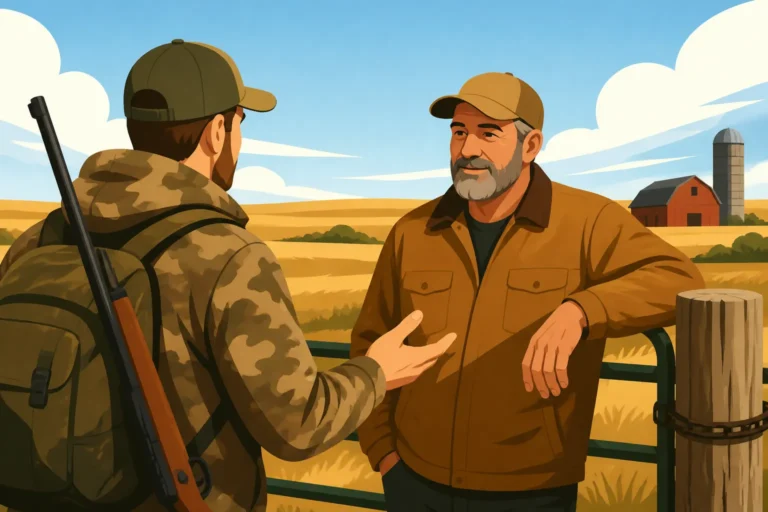
Despite the abundance of WMAs, WPAs, and PLOTS land, a significant portion of the best hunting in the Prairie Pothole Region still lies on private ground. Gaining access to these lands requires a direct approach: asking for permission. Many North Dakota farmers and ranchers are amenable to allowing ethical hunters on their property, especially if approached respectfully and well in advance of the season. A face-to-face conversation, where you introduce yourself, explain what you're hoping to hunt, and assure them you'll respect their property, often goes a long way.
When seeking private land permission, clarity is key. Confirm what species you can hunt, where you can park, and any specific areas you should avoid (like cattle pastures or sensitive crops). Always get a clear "yes" before entering. Even if verbal permission is granted, carrying a small written note with the landowner's name, contact number, and the dates of your permission can prevent misunderstandings. Offering to help with small chores, like closing gates or reporting downed fences, can also build goodwill for future seasons. Remember, a landowner's generosity is a privilege, not a right. Showing genuine appreciation and leaving the property better than you found it is crucial for maintaining good hunter-landowner relations in North Dakota. Knocking on Doors in North Dakota Farm Country offers practical tips for this process.
Strategies for Hunting Waterfowl in the PPR
Waterfowl hunting in North Dakota's Prairie Pothole Region is legendary, drawing hunters from across the continent. The sheer number of ducks and geese that pass through or reside here offers unparalleled opportunities, but success isn't guaranteed. It requires strategy, adaptation, and an understanding of bird behavior. From meticulously laid decoy spreads to run-and-gun tactics, there's a method for every situation in this waterfowl mecca.
Decoying Ducks on Potholes and Sloughs
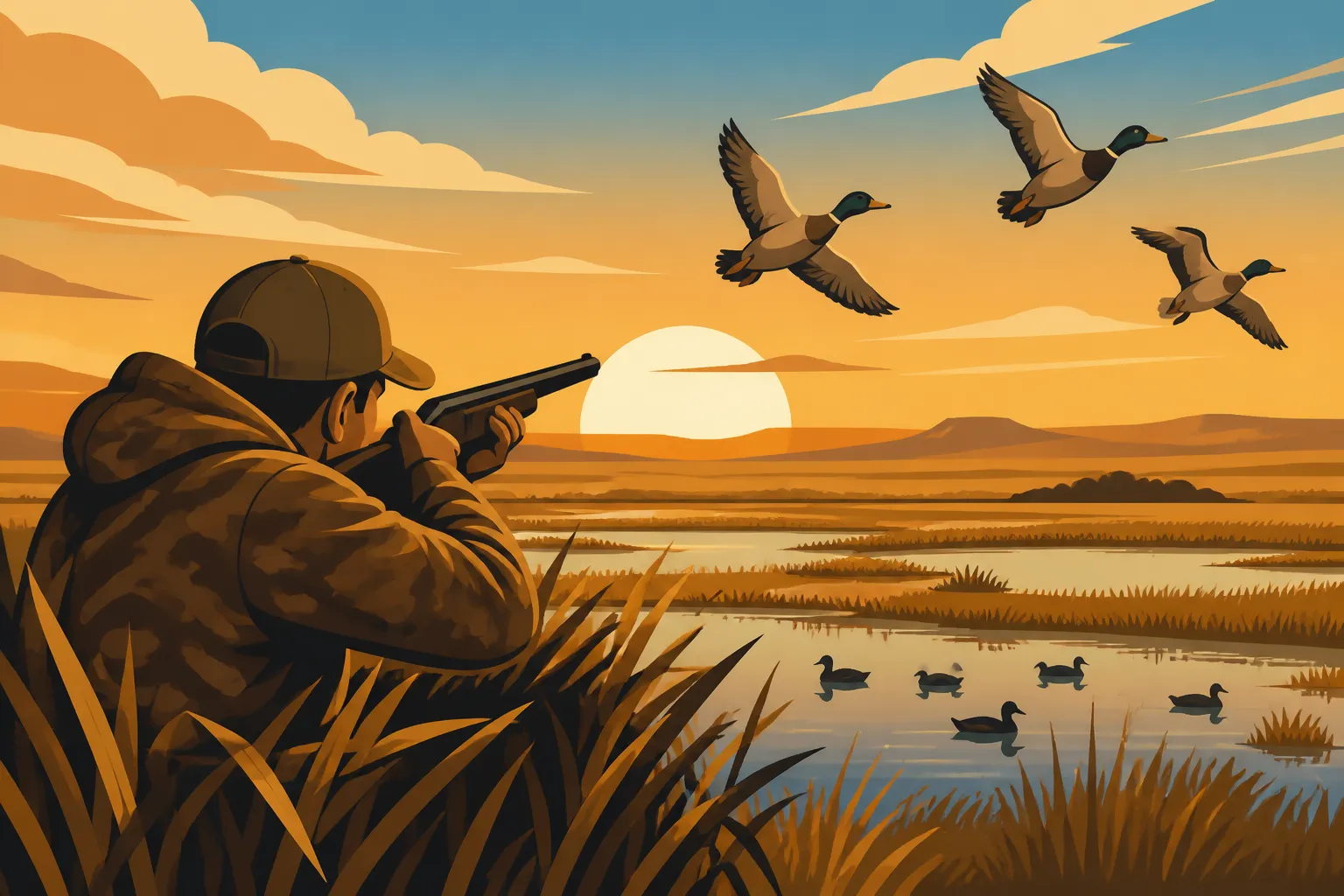
One of the most classic and effective ways to hunt ducks in the PPR is by decoying them on potholes and sloughs. This involves setting up a spread of decoys on or near a wetland to mimic a resting or feeding flock, drawing in passing birds. The size and type of spread will vary depending on the target species and the size of the water body. For mallards and pintails, a spread of 2-4 dozen floating decoys, often with a few motion decoys (like spinning-wing or jerk-strings) to create movement, can be highly effective. The key is to scout regularly to identify which potholes birds are actively using for feeding and resting, and then to set up before first light.
Concealment is critical. Natural blinds built into cattails or rushes are ideal, but portable ground blinds or layout blinds on the edge of a small island can also work wonders. Pay close attention to the wind, as ducks almost always land into it. Position your blind so the wind will bring ducks over your decoys, offering optimal shooting opportunities. Calling, when done sparingly and effectively, can seal the deal, luring birds within range. As the season progresses and conditions get colder, ducks will often concentrate on larger, deeper potholes that are slower to freeze, making these areas prime targets. Decoy Spreads for Prairie Pothole Mallards offers specific layouts.
Field Hunting Geese: Scouting is Key
While ducks might prefer the water, geese, particularly Canada geese and snow geese, often feed in vast numbers in agricultural fields. Field hunting geese is a thrilling pursuit that hinges almost entirely on meticulous scouting. You need to identify fields where geese are actively feeding, noting their entry and exit points, and the specific areas they prefer. This often means spending hours glassing fields from a distance, either the evening before or early morning, to pinpoint their preferred feeding spot.
Once a hot field is located, the setup involves a large spread of full-body or shell decoys, often numbering into the hundreds for snow geese, or a few dozen for Canadas. Layout blinds are essential for concealment in open fields, allowing hunters to lie prone until the birds are in range. Again, wind direction is crucial for positioning blinds and the landing zone within the spread. Calling plays a significant role in goose hunting, especially with electronic callers (where legal) for snow geese, or traditional calls for Canadas. Permission from landowners is typically required for field hunting on private land, so building those relationships is vital. The sight and sound of hundreds of geese committing to your spread is an unforgettable experience.
Jump-Shooting and Pass-Shooting Opportunities
Beyond static decoy setups, the PPR also offers excellent opportunities for more active waterfowl hunting methods like jump-shooting and pass-shooting. Jump-shooting involves carefully walking along the edges of small, secluded potholes, sloughs, or creek bottoms, flushing ducks at close range. It's a highly physical but incredibly rewarding method, especially for hunters who prefer to stay mobile and explore new areas. Success here relies on stealth, a keen eye for subtle duck sign, and quick reflexes. Walking into the wind can sometimes help mask your approach.
Pass-shooting, on the other hand, involves positioning yourself along a known flight path between roosting and feeding areas, or between different wetlands, to intercept ducks and geese as they fly by. This is often done from a natural concealment point, like a cattail edge or a treeline, particularly during peak migration periods when birds are constantly on the move. Both jump-shooting and pass-shooting are great options for hunters who might not have extensive decoy spreads or prefer a less gear-intensive approach. They allow for exploration and present challenging, fast-paced shooting scenarios. Jump-Shooting a North Dakota Prairie Pothole is a great reference.
Upland Bird Hunting Tactics in the Pothole Country
The allure of North Dakota's Prairie Pothole Region extends far beyond its legendary waterfowl. For many, the call of the wild pheasant flush, the lightning-fast escape of a Hun covey, or the subtle rise of a sharptail grouse is just as powerful. Upland bird hunting in this landscape is a physically demanding yet incredibly rewarding pursuit, requiring hunters to cover ground and adapt their strategies to different species and habitats.
Working Cover for Ringneck Pheasants
Ringneck pheasants are the kings of North Dakota's upland game, and the PPR offers prime habitat for them. These birds prefer dense, escape cover, making cattail sloughs, shelterbelts, CRP (Conservation Reserve Program) grass, and unharvested field edges their favored haunts. When hunting pheasants, strategy often revolves around systematically working these dense cover types. For large blocks of cover, a line of hunters, often with dogs, will walk abreast, pushing birds towards an open end where blockers are positioned. This is a classic "drive" method that can be highly effective in flushing multiple birds.
For smaller cover patches, like a long, narrow shelterbelt or a finger of cattails, simply walking through with a good flushing dog can be productive. Always pay attention to the wind direction; pheasants prefer to run or fly into the wind, so planning your approach to cut off their escape routes is crucial. Late season, after a snow, pheasants often concentrate in the thickest thermal cover available, making these areas absolute hotspots. Be prepared for explosive flushes and quick shooting, as these wary birds are masters of concealment. Working a Shelterbelt for Roosters offers excellent advice for these specific scenarios.
Hunting Sharptail Grouse and Hungarian Partridge
Sharptail grouse and Hungarian partridge offer a different kind of challenge compared to pheasants. Sharptails are true birds of the open prairie, preferring expansive native grasslands, often found on WMAs or large PLOTS tracts with mixed grass and forbs. They tend to hold tighter than pheasants but flush with surprising speed. Hunting sharptails usually involves walking large areas of grassland, often targeting subtle changes in topography like shallow draws or knolls where birds might be loafing. They are often found in coveys, so where you find one, there are likely more.
Hungarian partridge are typically found in smaller coveys, often in agricultural areas, particularly around stubble fields, shelterbelts, and fence lines. They are notoriously fast fliers and can be incredibly difficult to hit. Huns often hold tight, then explode into the air as a covey, scattering in different directions. Hunting them requires a lot of walking, often along field edges or in lighter grassland cover. Both sharptails and Huns are excellent training birds for pointing dogs, as they will often hold for a point, providing a thrilling moment before the flush. Sharptail Grouse Hunting Mixed Grass Prairie and Hungarian Partridge Hunting North Dakota Farmland will deepen your understanding.
Using Dogs for Upland Success
While it's possible to hunt upland birds without a dog, having a well-trained bird dog significantly increases your success and enhances the overall hunting experience in the PPR. Pointers, flushers, and retrievers all have their place. Pointers excel at finding birds and holding them until the hunter arrives, offering a moment of anticipation before the flush. Flushers, like Springer Spaniels, are fantastic at systematically working cover and pushing birds out. Retrievers are invaluable for finding downed birds in dense cover, reducing the chance of lost game.
Beyond just finding and retrieving, a dog's keen nose can help locate birds that hunters would otherwise walk past, especially in thick cattails or tall grass. Dogs also help cover ground more efficiently and maintain a consistent pace. Make sure your dog is in good physical condition for the demanding terrain and changeable weather. Always carry plenty of water for your canine companion, especially on warmer days, and be mindful of burs and foxtails that can irritate paws and coats. A good dog is truly a hunter's best friend in the North Dakota pothole country.
| Species | Preferred Habitat | Common Hunting Method(s) | Best Time of Day |
|---|---|---|---|
| Ducks | Potholes, Sloughs, larger wetlands, flooded timber | Decoying, Jump-shooting, Pass-shooting | Morning/Evening |
| Canada Geese | Agricultural fields (stubble), large lakes/reservoirs | Field decoying with layout blinds, Pass-shooting | Morning/Evening |
| Snow Geese | Vast agricultural fields, staging on large lakes | Large field decoy spreads (electronic calls often used) | Morning/Midday |
| Ringneck Pheasant | Cattail sloughs, shelterbelts, CRP grass, field edges | Walking drives with blockers, Dogs working heavy cover | Midday |
| Sharptail Grouse | Open native grasslands, rolling prairie | Walking expansive grasslands with pointing dogs | Morning/Evening |
| Hungarian Partridge | Stubble fields, fence lines, lighter grass, farmsteads | Walking field edges/lighter cover with dogs, quick shots | Morning/Midday |
| White-tailed Deer | Shelterbelts, dense sloughs, river bottoms, field edges | Stand hunting (tree/ground blinds), Still-hunting, Drives | Morning/Evening |
Big Game Opportunities in North Dakota's PPR
While ducks and pheasants often dominate the conversation about North Dakota's Prairie Pothole Region, it's a mistake to overlook the big game opportunities, particularly for white-tailed deer. The unique blend of cover and agricultural abundance in this region creates excellent conditions for whitetails, offering a different kind of hunt than what you might find in more heavily timbered states.
Hunting Whitetail Deer in Pothole Habitat
North Dakota's whitetail deer thrive in the pothole country, utilizing the dense vegetation of cattail sloughs, stands of rushes, and shelterbelts as prime bedding and security cover. These areas offer excellent protection from the elements, especially during harsh prairie winters, and provide concealment from predators and hunters alike. The proximity to vast agricultural fields, which supply a rich and consistent food source, makes this habitat ideal for growing healthy deer populations. Hunters will find deer concentrated in these pockets of cover, moving out to feed primarily during low-light hours.
Successful whitetail hunting in the PPR often involves careful observation and understanding how deer use the available cover. Scouting for tracks, rubs, and scrapes along the edges of sloughs, treelines, and field corners can reveal key travel corridors. The challenge lies in the sheer size and density of some of these cover types; a large cattail slough can hide many deer. Still-hunting the edges of smaller cover, or setting up blinds overlooking these natural bottlenecks, can be highly effective. The region's whitetail population can be surprisingly robust, offering exciting hunting for those willing to learn the rhythm of the land.
Understanding Deer Movement in Farmland
Deer movement in the Prairie Pothole Region is heavily dictated by the presence of agricultural crops. In early fall, deer might bed in standing corn or sunflower fields, making them incredibly difficult to hunt. As crops are harvested, deer are forced to shift their bedding to permanent cover like sloughs, shelterbelts, and small woodlots. This transition creates excellent hunting opportunities, as deer become more visible and concentrated. Their travel patterns often become predictable, moving between these cover areas and the remaining stubble fields or hay land where they feed.
During the rut (typically late October through mid-November), bucks will be more active during daylight hours, cruising the edges of cover and crossing open areas in search of does. This is a prime time for rattling, grunting, and employing decoys to draw in curious bucks. Hunting the Rut in Early-to-Mid November provides more detailed information on this critical period. In the late season, with snow on the ground and most crops harvested, deer will heavily rely on whatever food sources remain, often concentrating in large numbers in specific fields, making them vulnerable to careful scouting and strategic stand placement. Understanding crop rotation and local farming practices can be a huge advantage in predicting deer movements throughout the season.
Other Occasional Big Game Sightings
While whitetail deer are the primary big game species in the Prairie Pothole Region, hunters occasionally encounter other animals, though usually outside of designated hunting seasons or with specialized tags. Moose, for example, have expanded their range into parts of eastern North Dakota, particularly along river corridors and in the Turtle Mountains, which technically border the PPR. While rare, a moose sighting in a cattail slough isn't entirely unheard of. However, moose hunting is typically a draw-only, once-in-a-lifetime opportunity for residents.
Similarly, elk populations are concentrated in the state's western Badlands, but isolated individuals or small groups have been known to wander into the eastern plains. These are exceptional circumstances and not something a hunter typically plans for in the PPR. For the most part, if you're targeting big game in this region, your focus will be squarely on the adaptable and abundant white-tailed deer, which provides ample challenge and reward on its own.
Essential Gear and Preparation for PPR Hunts
Heading out into North Dakota's Prairie Pothole Region for a hunt is an adventure, but like any adventure, it requires proper preparation and the right gear. The unpredictable weather, varied terrain, and specific demands of different game species mean you can't just throw a few things in a bag and go. Thoughtful packing and readiness are key to comfort, safety, and success.
Waterfowl Gear Essentials
For waterfowl hunting, your gear list will be quite extensive. First and foremost, you'll need warm, waterproof clothing, including a quality waterfowl jacket, insulated waders, and waterproof boots. North Dakota weather can turn on a dime, from mild sunny days to freezing rain or blizzards, sometimes within the same hunt. Layering is critical. You'll also need a reliable shotgun, typically a 12-gauge, capable of handling steel shot (which is legally required for waterfowl). Bring plenty of non-toxic ammunition appropriate for ducks and geese.
Decoys are a must, with quantities varying based on your target species and hunting style. For ducks, 2-4 dozen floating decoys are a good starting point, often supplemented with motion decoys. For geese, especially snow geese, larger spreads of shells, full-bodies, and flags are common. Blinds, whether portable layout blinds for field hunting or natural material to brush in on a pothole edge, are essential for concealment. Don't forget a good call (or calls) and, of course, a reliable retriever if you have one. Lastly, always pack extra gloves, hand warmers, a thermos of hot coffee, and high-energy snacks.
Upland Gear: Footwear, Vests, and Shotguns
Upland bird hunting in the PPR is a physically demanding endeavor, so comfortable and durable gear is paramount. High-quality, waterproof, and well-broken-in hiking boots are essential for covering miles of varied terrain, from muddy sloughs to rugged grasslands. Gaiters can be invaluable for keeping burrs, snow, and moisture out of your boots. Blaze orange clothing, often a vest or hat, is required and highly recommended for safety, especially when hunting with a group or dogs. A good upland vest or bird bag with ample pockets for shells, water, and downed birds is also crucial.
A lighter, fast-swinging shotgun, often a 20-gauge or 12-gauge with improved cylinder or modified choke, is popular for upland birds. Carry plenty of appropriate lead shot ammunition (where legal and not near water). Eye protection and ear protection are also highly recommended. If you're bringing a dog, pack a leash, water, food, and a first-aid kit specifically for your canine companion. Given the walking involved, a small backpack with extra water, snacks, and basic emergency supplies like a compass or GPS can be a lifesaver.
Mapping and Navigation Tools
In a vast and often featureless landscape like the Prairie Pothole Region, reliable mapping and navigation tools are absolutely non-negotiable. Modern GPS apps for smartphones have revolutionized how hunters navigate and locate public land. Tools like onX Hunt and GoHunt are incredibly powerful, allowing you to clearly see property lines, identify different types of public land (WMA, WPA, PLOTS, State Trust Lands), mark waypoints for blinds or game sign, and track your movements. These apps often work offline, which is critical in areas with spotty cell service.
While digital maps are invaluable, always carry a physical map (such as the annual PLOTS guide booklet) and a compass as a backup. Familiarize yourself with how to use them, even if you rely primarily on your phone. A good set of binoculars is also essential for scouting, whether you're glassing distant fields for geese or scanning a vast grassland for sharptails. Power banks for charging electronic devices are a smart addition, ensuring your navigation tools don't die on you when you need them most. Being able to confidently navigate the landscape, understand property boundaries, and pinpoint key habitat features will dramatically increase your hunting success and safety. Scouting PLOTS Land With the ND Hunt App emphasizes the importance of these tools.
Navigating Regulations and Safety in the Pothole Region
Hunting in North Dakota's Prairie Pothole Region is an incredible experience, but it comes with the responsibility of understanding and adhering to the state's hunting regulations and prioritizing safety. Ignoring these aspects can not only lead to legal trouble but also put yourself and others at risk. A well-prepared hunter is not just well-equipped, but also well-informed and safety-conscious.
Understanding License and Stamp Requirements
Before you even step foot in the field, securing the correct licenses and stamps is paramount. North Dakota has specific requirements for both residents and nonresidents, and these can vary based on the species you intend to hunt. For most hunting, you'll need a basic hunting license and a general game and habitat license. If you're targeting migratory birds (ducks, geese, doves), you'll also need a North Dakota migratory bird certification and a federal duck stamp. Nonresidents often have additional restrictions or specific licenses, such as the zone-restricted waterfowl license.
It's crucial to check the current North Dakota Game and Fish Department (NDGFD) regulations guide each year, as rules can change. This guide will detail season dates, bag limits, shooting hours, legal weapons, and any special permits or draw requirements for certain species. Keep your licenses readily accessible, whether in digital format on your phone (if allowed) or a physical copy. Enforcement officials frequently check for proper licensing, and compliance is the cornerstone of ethical hunting. North Dakota Hunting Licenses and What They Cost is an excellent resource to ensure you have everything in order.
Safety Considerations: Water, Weather, and Others
Safety should always be your top priority in the field, especially in the unpredictable environment of the PPR.
Water Safety: Many hunting opportunities revolve around water. If you're hunting from a boat or blind in deeper water, always wear a life vest. Be mindful of unstable banks, thin ice in late season, and rapidly changing water levels.
Weather: North Dakota weather is infamous for its extremes. Dress in layers to adapt to temperature swings. Carry extra warm, dry clothing. Be prepared for sudden blizzards, high winds, and rapidly dropping temperatures, especially if you're venturing far from your vehicle. A small emergency kit with fire starters, a space blanket, and extra food is a wise addition. Hunting Into a December Cold Snap details the challenges of cold-weather hunting.
Firearm Safety: Always follow the cardinal rules of firearm safety: treat every gun as loaded, never point a muzzle at anything you don't intend to shoot, keep your finger off the trigger until ready to fire, and be sure of your target and what's beyond it. When hunting with others, maintain safe spacing and communicate your movements clearly.
Other Hunters: The PPR can be popular, especially on public lands. Be aware of other hunters, respect their space, and wear plenty of blaze orange for visibility, even if not legally required for your specific hunt (it's often a good idea for upland bird hunting regardless).
Respecting Landowner Rights and Ethical Hunting
As we've discussed, much of the Prairie Pothole Region is privately owned. Respecting landowner rights isn't just a legal obligation; it's a critical part of maintaining the future of hunting in North Dakota. Always obtain permission before entering private land, even for game retrieval. Understand and adhere to the "posted land" laws – if land is legally posted, you cannot enter without permission. Treat all private property with respect: close gates, don't litter, avoid damaging crops or fences, and drive only on designated roads.
Ethical hunting also extends to how you interact with the game itself. Know your effective shooting range and only take ethical shots to ensure a quick, humane harvest. Do your utmost to recover all downed game. Follow all bag limits and season restrictions. Report any poaching or illegal activity you witness. By upholding these standards, you contribute positively to the image of hunters and help ensure that access and opportunities remain available for generations to come. North Dakota Trespass and Permission Law is crucial reading for all hunters in the state.
Disclaimer
This article is for general informational purposes only and does not constitute professional advice. Laws, prices and regulations vary by location and change over time. Consult a qualified professional for guidance on your specific situation.