Muzzleloader Deer Hunting in Select North Dakota Units
For many North Dakota deer hunters, the general rifle season can feel fleeting, a whirlwind of high hopes and often crowded public lands that can leave you wishing for just a little more time in the field. Maybe you didn't draw the tag you wanted, or perhaps you're simply looking for a different, more challenging experience. That's where North Dakota's muzzleloader deer season shines, offering a unique, often quieter, opportunity to pursue whitetails or mule deer in select units. This guide is your in-depth resource to understanding, preparing for, and successfully navigating the intricacies of muzzleloader deer hunting across the state.
Understanding North Dakota's Muzzleloader Season
The muzzleloader season in North Dakota is a special window of opportunity that often goes overlooked by the masses, primarily because it falls outside the highly popular November gun season. It's a chance to extend your deer hunting pursuit, often under conditions that demand more skill, patience, and a deeper understanding of deer behavior as winter truly begins to set in.
Why Muzzleloader Season is a Unique Opportunity
Unlike the general gun season, which can sometimes feel like a race, the muzzleloader season invites a slower, more deliberate approach to hunting. It's typically held after the main rifle season, meaning the woods and prairies are often quieter, and deer have had a chance to settle back into their routines, albeit a bit more wary. This reduced pressure can lead to some truly solitary and rewarding hunting experiences. For those who appreciate the heritage and challenge of traditional firearms, it's an immersive way to connect with the hunt. You're not just pulling a trigger; you're engaging in a process that requires attention to detail, from loading your charge to making that single, crucial shot count.
This period often brings with it the first real cold snaps and snowfall of the year, transforming the landscape and offering excellent tracking conditions. There's a certain romanticism to hunting with a muzzleloader in a crisp, quiet North Dakota winter, a feeling of being more directly connected to the hunt and the environment. It pushes you to refine your stalking skills and become more observant of subtle deer signs. Many hunters find this season to be incredibly fulfilling precisely because of the added layers of challenge and the unique atmosphere it provides, making every successful hunt feel like a hard-earned victory.
Key Dates and Season Length
North Dakota's muzzleloader season typically runs for a specific, shorter window, often in mid-to-late November or stretching into early December. These dates are intentionally set to manage deer populations and hunting pressure effectively, usually after the primary gun season has concluded. For instance, while the general gun season might wrap up mid-November, the muzzleloader season could open immediately after, or with a slight overlap in some specific units, extending the opportunity for dedicated hunters. This timing means you're often hunting in colder weather, sometimes with snow already on the ground, which drastically impacts deer behavior.
The season length is generally much shorter than the archery or general gun seasons, typically lasting around 7 to 10 days. This brevity adds to the challenge and intensity; you don't have weeks to chase deer, so every day in the field becomes precious. It also means thorough preparation is paramount, as you need to make the most of your limited time. Always check the North Dakota Game and Fish Department's current hunting proclamation for the exact dates each year, as they can shift slightly based on game management objectives and calendar alignment. Understanding these specific dates is critical for planning your hunt, especially if you're coordinating with others or taking time off work.
Resident-Only Considerations
It's important to understand that North Dakota's muzzleloader deer licenses are almost exclusively allocated to residents of the state. While North Dakota does offer various licenses, opportunities for non-residents to participate in the general rifle season are extremely limited and typically involve a highly competitive lottery system with long waiting periods. For species like elk, moose, and bighorn sheep, tags are strictly resident-only. The muzzleloader deer season falls into a similar category of resident priority, designed to provide additional opportunities for North Dakota residents to harvest deer.
This resident-only status means that if you're not a North Dakota resident, this particular season might not be an option for you. However, it also contributes to the reduced hunting pressure often experienced during this season, as the pool of eligible hunters is much smaller. For residents, it's a valuable chance to secure an additional deer tag outside of the general lottery, or simply to enjoy a different kind of hunt. Always double-check the latest regulations from the North Dakota Game and Fish Department, as license availability and restrictions can be subject to change, ensuring you're fully eligible before making any plans.
Navigating Unit Availability and Regulations
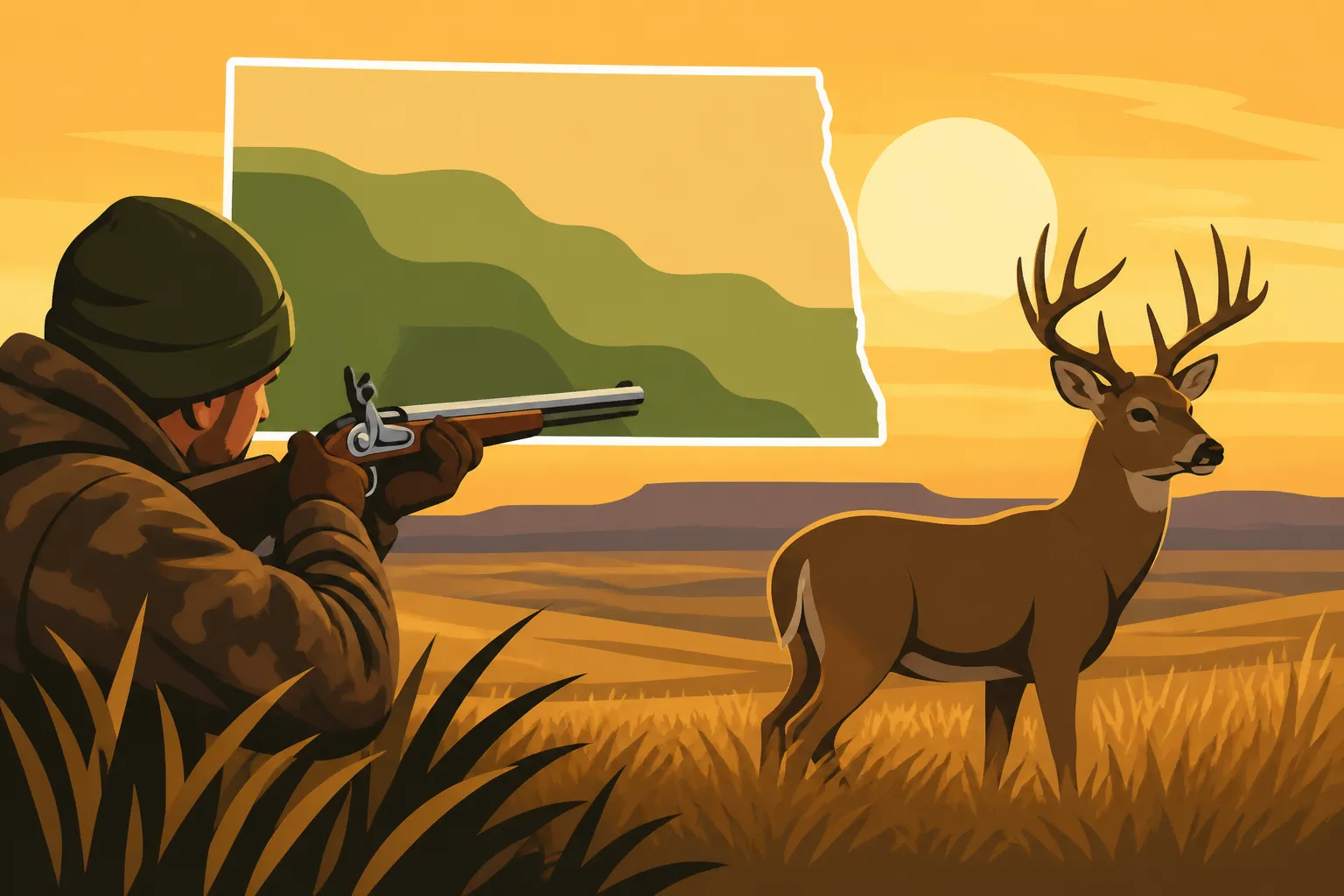
Hunting with a muzzleloader in North Dakota isn't a statewide free-for-all; it's a carefully managed season restricted to specific deer hunting units. This targeted approach is part of the state's broader wildlife management strategy, aiming to control deer populations in certain areas while providing unique hunting experiences. Understanding which units are open and what permits are required is the very first step in planning your muzzleloader hunt.
Identifying Open Muzzleloader Units
Each year, the North Dakota Game and Fish Department (NDGFD) designates specific deer units that are open for muzzleloader hunting. These aren't always the same units that have high general gun tag allocations, and sometimes they're units where managers want to see increased harvest pressure, or simply offer diverse hunting opportunities. To find out which units are open, you'll need to consult the current year's hunting proclamation, typically released in late summer. This document is your official source for all unit-specific information, including tag numbers and regulations.
Online mapping resources and hunting apps can be incredibly helpful here. Platforms like GoHunt provide detailed unit boundaries and often integrate information about specific season dates and available tags. You can overlay different data points, like public land boundaries or historical harvest data, which can help you narrow down your choices. It's not uncommon for these muzzleloader units to be in areas with good habitat and deer numbers, providing an excellent chance at a late-season animal. Take your time to research these units, considering factors like accessibility, terrain, and your preferred hunting style.
License and Permit Requirements
Securing a muzzleloader deer tag in North Dakota is a specific process that differs from the general gun lottery. Typically, these tags are available via a separate application period or as "bonus" tags in certain units. You'll first need a valid North Dakota General Game and Habitat License, which is the foundational license for nearly all hunting activities in the state. This license allows you to hunt small game and serves as the prerequisite for purchasing or applying for specific big game tags.
Once you have your General Game and Habitat License, you'll then need to apply for the specific muzzleloader deer license. This usually involves a separate lottery application, often with different deadlines than the primary gun season. While the main deer gun season is a massive undertaking with its own detailed North Dakota Deer Gun Lottery Application Process, the muzzleloader lottery might be smaller, but it's still competitive. It’s crucial to pay close attention to the application periods and deadlines, which are strictly enforced by the NDGFD. Missing a deadline means missing your chance for the entire season. The cost for these licenses will be clearly outlined in the proclamation, alongside the general North Dakota General Game and Habitat License Cost. Don't forget that if you successfully draw a tag, you'll also be subject to specific reporting requirements after a harvest, as detailed in Reporting a Deer Through North Dakota's App.
Legal Weaponry and Ammunition
Hunting with a muzzleloader in North Dakota comes with specific rules about what firearms and ammunition are considered legal. This isn't just about safety; it's about maintaining fair chase and managing the hunt ethically. Generally, only traditional muzzleloading firearms are permitted, meaning those loaded from the muzzle. This encompasses both "traditional" flintlock or percussion cap rifles and the more modern "inline" muzzleloaders, which use a 209 primer. Importantly, North Dakota does allow optical sights (scopes) on muzzleloaders during this season, which can be a significant advantage for those longer prairie shots, unlike some other states that restrict optics for primitive weapons.
When it comes to ammunition, the regulations are typically clear: you must use a single projectile. This means no buckshot or multi-projectile loads. Minimum caliber requirements are also in place, with .50 caliber being the most common and widely accepted, though other large calibers like .45 are also legal provided they meet projectile energy requirements. Saboted bullets, which allow for smaller diameter projectiles to be shot through larger bore muzzleloaders, are generally permitted. The type of powder – loose granular powder (like Hodgdon Triple Seven or Pyrodex) or pre-formed pellets – is also usually specified as smokeless powder is typically not allowed in traditional muzzleloaders. Always review the current regulations to ensure your specific muzzleloader, powder, and projectile combination is legal for the season, as these details can sometimes see minor adjustments from year to year.
Essential Muzzleloader Gear and Setup
Stepping into the world of muzzleloader hunting means embracing a slightly different set of gear than you might use for modern rifle hunting. While many core principles remain the same – optics, warm clothing – the firearm itself and its accessories require careful consideration. A well-prepared muzzleloader setup is crucial for success, especially when facing North Dakota's late-season weather.
Choosing Your Muzzleloader
The first big decision for any muzzleloader hunter is choosing the right firearm. Generally, you'll be looking at two main categories: traditional and inline muzzleloaders. Traditional muzzleloaders, often flintlock or percussion cap rifles, offer an unparalleled sense of history and challenge. They demand a deeper understanding of the mechanics and are often slower to load, making every shot a significant event. Brands like Thompson/Center and Traditions still offer excellent traditional options, known for their craftsmanship and accuracy.
On the other hand, inline muzzleloaders have become incredibly popular due to their enhanced reliability, ease of use, and improved accuracy, often rivaling modern rifles at reasonable distances. These rifles feature a straight-line ignition system where the primer directly ignites the powder, making them less susceptible to moisture and misfires. Many inline muzzleloaders use 209 shotshell primers, which are powerful and reliable. Popular manufacturers include CVA (especially their Accura and Optima series), Traditions (Pursuit, Vortek), and Thompson/Center (Impact, Triumph). For a North Dakota hunt, where shots can sometimes be longer on the open prairie or in expansive river bottoms, the reliability and accuracy of an inline muzzleloader often make it a compelling choice.
| Feature | Traditional Muzzleloader | Inline Muzzleloader |
|---|---|---|
| Loading | Typically slower, more steps, more intricate | Faster, simpler, fewer steps |
| Ignition | Flintlock or percussion cap | 209 primer (most common), some musket cap versions |
| Reliability | Can be more sensitive to moisture/weather | Highly reliable, less sensitive to weather |
| Accuracy | Good, but often requires more skill | Excellent, often comparable to modern rifles |
| Maintenance | Can be more involved to clean and maintain | Easier to clean and maintain |
| Price Range | Varies, can be more affordable for basic models | Generally mid-range to higher-end |
| Feel/Aesthetic | Classic, historical, nostalgic | Modern, often resembles a contemporary rifle |
Powder, Primers, and Projectiles
Once you have your muzzleloader, the next critical step is selecting your powder, primers, and projectiles, which together form your hunting load. Consistency is key here; once you find a combination that shoots accurately, stick with it. For powder, popular choices include granular black powder substitutes like Hodgdon Triple Seven or Pyrodex. These are designed to be safer and cleaner burning than traditional black powder while still providing reliable ignition and velocity. Many hunters also opt for pre-formed powder pellets, such as those from Hodgdon or IMR, which offer exceptional convenience and consistent charges, especially important when speed loading in the field is a concern.
Primers are equally important for reliable ignition. While traditional percussion cap rifles use smaller caps, most modern inline muzzleloaders utilize 209 shotshell primers. These deliver a robust spark, ensuring reliable ignition even in cold or damp conditions. When it comes to projectiles, the options are vast. Full-bore conical bullets, like Hornady Great Plains or No Excuses, are excellent for accuracy and knockdown power, especially in .50 caliber. Saboted bullets, such as those from Hornady (SST, FPB) or Barnes (MZ-Expander), allow for smaller, more aerodynamic bullets (like .45 or .40 caliber) to be shot through a .50 caliber barrel, increasing velocity and flatter trajectories. PowerBelt bullets are another popular choice, designed for easy loading and excellent expansion. Experiment with different combinations to find what performs best in your specific rifle, always keeping North Dakota's legal requirements for caliber and projectile type in mind.
Optics and Sighting Systems
For muzzleloader hunting in North Dakota, your choice of sighting system can significantly impact your success, especially given the state's expansive landscapes and potential for longer shots. While some purists opt for open sights, the NDGFD does permit the use of optical sights, or scopes, on muzzleloaders during the dedicated season. This is a considerable advantage, as a good scope dramatically improves target acquisition and accuracy, particularly in low light conditions or at extended ranges across a prairie field or river bottom.
When choosing a scope, consider one with good light-gathering capabilities and a moderate magnification range (e.g., 3-9x or 4-12x) that can handle both close-range timber shots and longer open country opportunities. Durability and fog-proof performance are also paramount, as you'll be hunting in potentially harsh North Dakota weather. Zero your rifle meticulously at distances relevant to muzzleloader ballistics, typically 50 to 150 yards, understanding that bullet drop will be more pronounced than with a modern high-velocity rifle. Remember to practice shooting your chosen load with your chosen optic regularly to become proficient and confident in your setup, as you'll likely only get one shot.
Cold Weather Gear and Accessories
Hunting North Dakota's muzzleloader season means facing genuine winter conditions, and being prepared for the cold is not just about comfort—it's about safety and effectiveness. Layering is absolutely critical. Start with a moisture-wicking base layer to manage sweat, add insulating mid-layers like fleece or down, and top it off with a waterproof and windproof outer shell. Your hands, feet, and head are crucial for retaining warmth, so invest in quality gloves or mittens, insulated, waterproof boots (consider a boot dryer for camp), and a warm hat and neck gaiter.
Beyond personal clothing, several muzzleloader-specific accessories become indispensable in cold weather. Keeping your powder dry is paramount; waterproof caddies for pre-measured powder charges and a good quality primer holder that protects your 209 primers from moisture are non-negotiable. A shooting stick can provide crucial stability for that single, high-stakes shot, especially when you're cold and perhaps a bit shaky. A reliable rangefinder is also essential for quickly and accurately gauging distances, helping you compensate for muzzleloader bullet drop. Don't forget a sturdy knife for field dressing, a reliable headlamp for early mornings and late evenings, and a good backpack to carry it all, ensuring you're ready for whatever the North Dakota late season throws at you.
Mastering Muzzleloader Hunting Tactics
Muzzleloader hunting in North Dakota's late season calls for a blend of traditional deer hunting wisdom and adaptations specific to the unique challenges of the season and the firearm itself. The single-shot nature of the muzzleloader, combined with potentially wary deer and harsh weather, demands a deliberate, often methodical approach to the hunt.
Still-Hunting and Tracking
One of the most effective tactics for muzzleloader hunting, especially as snow starts to cover the North Dakota landscape, is still-hunting combined with tracking. This method involves moving slowly and deliberately through promising habitat, pausing frequently to observe, listen, and scan for deer sign or the deer themselves. A fresh snowfall acts as a blank canvas, making it much easier to identify recent deer activity. Learning to interpret Tracking a Deer in Fresh Prairie Snow becomes an invaluable skill. Look for tracks, browse marks, and beds, which can indicate not just deer presence, but their direction of travel, size, and even how recently they've passed through.
The key to successful still-hunting is patience and stealth. Take a few steps, then stop and carefully glass your surroundings, paying close attention to thick cover, creek bottoms, and shelterbelts where deer might be bedded or moving between feeding and bedding areas. Use the wind to your advantage, always moving into it or with a crosswind to keep your scent from reaching deer. When you find fresh tracks, follow them cautiously, anticipating where the deer might be headed. This requires an understanding of the terrain and deer behavior, allowing you to predict movement patterns and set up for an ambush or a slow, careful stalk. The single-shot nature of the muzzleloader means you often need to get closer than with a modern rifle, making every silent step and careful observation count.
Stand Hunting and Ambush Techniques
While still-hunting is highly effective, stand hunting also offers a significant advantage, particularly during the colder parts of the muzzleloader season when deer movement patterns become more predictable and tied to food sources. Setting up an elevated stand or ground blind in a strategic location can be incredibly productive. Focus on pinch points, funnels, and natural travel corridors that connect bedding areas to late-season food sources like standing corn, alfalfa fields, or browse along river bottoms. Understanding Late-Season Food Sources for North Dakota Whitetails is paramount for successful stand placement.
When selecting a stand location, always consider the prevailing wind direction. Deer rely heavily on their sense of smell, and a shifting wind can quickly ruin your hunt. If using an elevated stand, ensure it's securely placed and offers a clear shooting lane. For ground blinds, brushing it in meticulously is crucial for concealment, as discussed in Using a Ground Blind on PLOTS Land. The key to effective ambush hunting is patience; be prepared to sit for extended periods, especially during prime morning and evening hours. Muzzleloader hunting often means limited shot opportunities, so being perfectly still, warm, and ready to make a quick, clean shot when a deer finally presents itself is vital.
Deer Drives
While less common with muzzleloaders due to their single-shot nature, small, organized deer drives can still be an effective tactic, especially in certain types of habitat or when hunting with a group. This strategy is best employed in dense cover where deer might be bedded and difficult to stalk, such as thick shelterbelts, coulees, or river bottom timber. The concept is simple: a designated "pusher" or "drivers" slowly move through the cover, attempting to gently push deer towards "standers" positioned strategically along the escape routes. For a deeper dive into this, consider Deer Drives With Three or Four Hunters.
The main difference with muzzleloader drives is the need for extreme caution and clear communication. Standers must be acutely aware of their surroundings and have clear lanes of fire, as they will likely only get one opportunity. Safety is paramount; everyone involved must know each other's positions, wear blaze orange (which is mandatory during the muzzleloader season), and adhere strictly to safe shooting lanes. The slow loading time of a muzzleloader means follow-up shots are generally not an option, so standers must be disciplined in shot selection, only taking high-probability, ethical shots. This tactic is most effective in smaller, contained parcels of cover where deer can be predictably moved, and everyone understands the limitations of the weapon.
Scouting and Locating Deer in Late Season
Successful muzzleloader hunting in North Dakota hinges heavily on effective scouting. The late season brings significant changes to the landscape and deer behavior, making fresh, relevant scouting data more valuable than ever. Deer are focused on conserving energy and finding reliable food and cover, which means their patterns can become more predictable if you know what to look for.
Pre-Season Digital and On-the-Ground Scouting
Before you even step foot in your chosen North Dakota muzzleloader unit, comprehensive digital scouting can save you countless hours and point you in the right direction. Utilize mapping tools like those offered by GoHunt or other GPS hunting apps. These platforms allow you to analyze satellite imagery, topo maps, and land ownership data (including PLOTS areas) from the comfort of your home. Look for key features such as dense cover, shelterbelts, timbered river bottoms, standing crop fields, and topographical funnels or pinch points that could serve as natural travel corridors. Identify potential bedding areas on south-facing slopes, which offer warmth and protection from north winds.
Once you have some promising spots identified, transition to on-the-ground scouting, preferably before the season opens and even before heavy snowfall. Walk these areas, confirming your digital observations and looking for fresh deer sign. This includes tracks, trails, rub lines, and especially late-season scrapes. While the rut might be winding down or over, some residual scraping activity can still occur, indicating Scrape Lines Along a Section Line Trail and regular deer movement. Focus your efforts on finding current food sources and the shortest, safest routes deer are using to get to them. This groundwork will be invaluable once the season arrives and the pressure is on.
Adapting to Weather Conditions
North Dakota's late-season weather can be brutal and highly variable, from mild, open conditions to blizzards and extreme cold. Successful muzzleloader hunters are those who can adapt their strategies to these changing conditions. Snowfall, in particular, is a game-changer. Fresh snow makes tracking much easier, as discussed in Tracking a Deer in Fresh Prairie Snow, and can reveal heavily used travel routes. After a heavy snow, deer will often yard up in dense thermal cover like evergreen stands or thick river bottom timber, minimizing movement to conserve energy.
Extreme cold snaps also profoundly influence deer behavior. During periods of intense cold, deer will often become more active during daylight hours, especially mid-day, to feed and soak up any available warmth. They'll prioritize high-energy food sources to fuel their metabolism. Conversely, a mild spell might see them moving more at dawn and dusk. Understanding how Hunting Deer After a Cold Front impacts their patterns is key. Always factor in the wind; strong winds will drive deer into sheltered areas, making hunting in exposed locations less productive. Checking the forecast daily and being prepared to adjust your tactics accordingly is essential for a productive late-season muzzleloader hunt.
Identifying Key Habitats for Success
Late-season deer in North Dakota are driven by two primary needs: food and cover. Identifying the specific habitats that provide both will significantly increase your odds. Shelterbelts, those long rows of trees planted to break the wind, are absolute magnets for deer in the colder months. They offer crucial thermal cover, especially evergreens, and often connect larger blocks of habitat. Learning how to effectively hunt Hunting a Shelterbelt Edge for Deer can be a game-changer.
River bottoms and coulees, particularly along major waterways like the Missouri River, offer a trifecta of food, water, and dense cover. The timbered edges provide shelter from the wind and snow, while the varied topography creates natural travel corridors. Spending time learning to read a Reading a Missouri River Bottom for Deer can reveal hidden trails and bedding areas. Similarly, understanding how to hunt Hunting a Coulee Rim at Last Light can put you in a prime position for an evening deer movement. Finally, don't overlook standing crop fields, especially corn or sunflower fields, which offer both high-energy food and excellent thermal cover. Deer will often bed right in these fields, making Hunting a Standing Corn Field for Deer a highly productive late-season tactic. Concentrating your efforts on these critical habitat types will focus your hunt where the deer are most likely to be.
Post-Harvest and Regulatory Compliance
Harvesting a deer with a muzzleloader in North Dakota is a moment of triumph, a culmination of preparation and perseverance. But the hunt isn't truly over until you've properly cared for your animal and fulfilled all the necessary regulatory obligations. Compliance ensures you're hunting legally and ethically, and proper meat care respects the animal and provides high-quality venison.
Field Dressing and Meat Care in Cold Weather
When you successfully harvest a deer during North Dakota's muzzleloader season, the cold weather is both a blessing and a curse. It's a blessing because the cold rapidly cools the carcass, inhibiting bacterial growth and preserving the meat. However, extreme cold can also freeze the exterior of the animal, making field dressing more challenging if you're not quick and efficient. Proper Field Dressing a Deer in Cold Weather should be done as soon as possible after the harvest to allow the body heat to dissipate.
Remove all internal organs, taking care to avoid puncturing the stomach or intestines. If the temperature is well below freezing, you might consider leaving the hide on temporarily to protect the meat from freezing too quickly and forming a crust, especially if you have a long drag or drive back to camp. However, if temperatures are hovering around freezing or slightly above, getting the hide off and the carcass cooling is the priority. Hang the deer, if possible, in a shaded, cool location to allow air circulation. Protect the meat from scavengers, especially coyotes, which are abundant in North Dakota. Having a sturdy game bag can also help protect the meat from dirt, insects (if any are still out), and accidental damage during transport.
Tagging and Reporting Requirements
North Dakota has strict regulations regarding tagging and reporting harvested deer, and these apply equally to muzzleloader season. The very first thing you must do after recovering your deer is immediately validate and attach your tag to the animal. The tag must remain affixed to the carcass during transport and until it is processed. This is not just a suggestion; it's a legal requirement designed to prevent illegal harvesting and ensure proper game management.
Beyond physical tagging, North Dakota also mandates that all deer harvests be reported to the Game and Fish Department. This can typically be done online through their official website or, even more conveniently, through the official Reporting a Deer Through North Dakota's App. This app makes it incredibly easy to report your harvest from the field, providing critical data like the unit harvested, date, sex of the animal, and weapon used. Pay close attention to The North Dakota Deer Reporting Deadline, which is usually within a day or two of the harvest. Failing to report your deer by the deadline can result in penalties, so make this a top priority after your successful hunt. This data helps the NDGFD manage deer populations and set future tag allocations, ensuring sustainable hunting opportunities for everyone.
CWD Considerations and Testing
Chronic Wasting Disease (CWD) is a serious concern for wildlife managers and hunters alike in North Dakota. As the disease continues to expand across the continent, understanding its presence and implications in the state is crucial. North Dakota has designated North Dakota's Expanding CWD Hunting Units where the disease has been detected or is deemed a high risk. If you harvest a deer in one of these designated CWD units during the muzzleloader season, there will likely be mandatory CWD testing requirements.
Even outside of mandatory units, hunters are strongly encouraged to participate in voluntary CWD Testing for North Dakota Hunters. The NDGFD provides numerous self-sampling kits and collection sites throughout the state. Learning how to properly collect a lymph node sample is straightforward, and instructions are usually provided with the kits. You can find information on sampling stations and procedures at Finding a North Dakota CWD Sampling Station on the NDGFD website. Transporting carcasses out of CWD-positive units also has specific rules, often requiring the head and spinal column to remain within the unit or be processed by a certified facility. Being aware of these regulations and actively participating in testing efforts helps monitor the spread of CWD and protect North Dakota's deer herd for future generations.
Making the Most of Your Muzzleloader Experience
Muzzleloader deer hunting in North Dakota isn't just about the harvest; it's about the entire experience. It's an opportunity to slow down, embrace tradition, and connect with the landscape in a truly profound way. The challenges it presents often lead to the most satisfying rewards, and learning from each outing is part of the journey.
Embracing the Challenge and Tradition
There's an undeniable allure to muzzleloader hunting that goes beyond simply filling a tag. It forces you to become a better, more patient hunter. The single-shot nature means you have to be meticulously prepared, making your first shot count with precision and confidence. You can't just send another round downrange if you miss. This limitation sharpens your stalking skills, encourages closer ranges, and makes you more intimately familiar with your rifle's capabilities. It's a stark contrast to the rapid-fire possibilities of modern bolt-actions and automatics.
Moreover, muzzleloader hunting connects you to a rich tradition of American hunting, echoing the methods of pioneers and frontiersmen. Loading the powder, seating the projectile, and capping the nipple or setting the flint takes you back in time, adding a layer of authenticity to your pursuit. This isn't just a hunt; it's an immersive experience that deepens your appreciation for the craft, the history, and the quiet beauty of North Dakota's winter landscape. It's about the journey, the preparation, and the personal growth that comes from facing a challenge with a traditional tool.
The Reward of a Late-Season Buck
While any deer harvested is a success, bringing down a buck during the North Dakota muzzleloader season carries a special kind of pride. These late-season hunts are often tougher; deer are wary after the general gun season, the weather is more severe, and opportunities can be few and far between. Overcoming these obstacles to successfully locate, stalk, and harvest an animal is incredibly rewarding.
The reduced hunting pressure in these specific muzzleloader units means you often have the woods or prairie largely to yourself, providing a more solitary and intense hunting experience. This quiet solitude allows for deeper reflection and a stronger connection to the wild. Furthermore, while the primary rut activity has largely concluded, mature bucks are still focused on replenishing their energy reserves, making them vulnerable to hunters who understand their late-season patterns and food sources. The satisfaction of overcoming the elements and the limitations of your firearm to outwit a seasoned whitetail or mule deer in North Dakota's winter environment is a memory that will last a lifetime.
Planning for Future Hunts
Every hunt is a learning experience, and muzzleloader season is no exception. Take the time to reflect on your hunt: what worked well, what didn't, and what you could improve for next year. Keep a detailed hunting journal, noting weather conditions, deer sightings, what tactics you employed, and how deer responded. This information can become an invaluable resource for planning future hunts, helping you refine your strategies and improve your odds.
Consider experimenting with different muzzleloader loads, exploring new units, or honing your scouting techniques in the off-season. Perhaps you found that Hunting the December Muzzleloader Close presented unique challenges or opportunities that you want to capitalize on next time. Stay updated on regulation changes, potential new muzzleloader units, and deer population trends from the NDGFD. The muzzleloader season is a fantastic way to extend your hunting year and continuously develop your skills. By embracing the learning process and meticulously planning, you'll be well on your way to making North Dakota's muzzleloader deer season a staple in your hunting calendar.
Disclaimer
Please remember that hunting regulations, season dates, and unit availability are subject to change. Always consult the most current North Dakota Game and Fish Department official proclamation and regulations prior to planning and undertaking any hunting activity. This guide is for informational purposes only and should not be considered a substitute for official state regulations.