Booking a Badlands Elk Hunt If You Draw
You've done the seemingly impossible: you've beaten the odds and drawn a coveted North Dakota elk tag for the Badlands. Congratulations! For many, this is a once-in-a-lifetime achievement, a testament to years of applying and a stroke of pure luck. But now that you hold that golden ticket, a new set of questions arises, often accompanied by a touch of overwhelm. How do you make the absolute most of such a rare opportunity? This comprehensive guide is here to walk you through the intricate process of booking a guided hunt in the North Dakota Badlands after you've secured your tag, ensuring you have the best possible experience in pursuit of these magnificent animals.
The Golden Ticket: Understanding Your North Dakota Elk Tag
Drawing a North Dakota elk tag isn't just winning a lottery; it's securing access to an experience that few hunters ever get. The sheer rarity of these tags means that careful planning, especially when considering a guide, is paramount to honoring the opportunity.
The Rarity and Value of a North Dakota Elk Tag
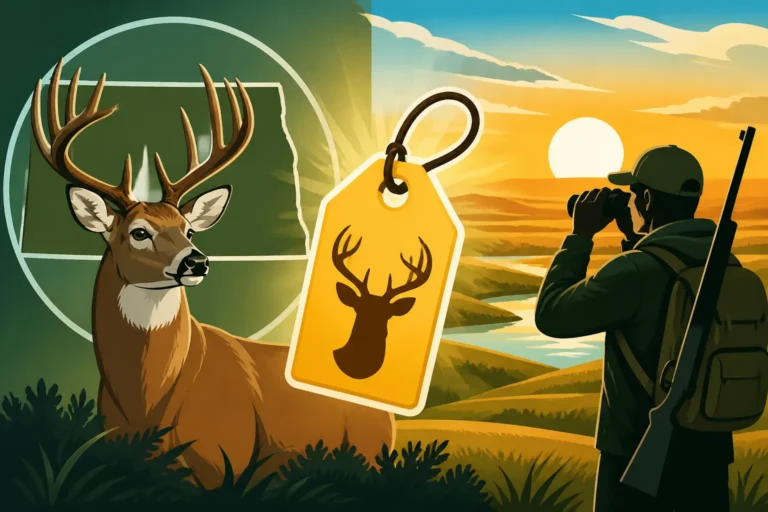
Let's be real: these tags are incredibly hard to come by. North Dakota manages its elk herds with extreme care, issuing a limited number of tags each year through a lottery system that often sees many more applicants than available permits. For residents, this usually means years, if not decades, of accumulating preference points before finally having a real shot. When that drawing email hits your inbox and you see those magic words, "You have been drawn," it's a moment of triumph mixed with a healthy dose of pressure. This isn't just another deer tag you can pick up over the counter; it's a "once-in-a-lifetime" opportunity for many, meaning if you draw a specific type of elk tag (like for a bull), you often won't be eligible to apply for that same type again. Understanding this profound rarity underscores why hunters seriously consider professional help to capitalize on every moment. It's about more than just bagging an animal; it's about the entire experience, and making sure that unique chance lives up to its monumental build-up. You can learn more about What a Once-in-a-Lifetime Elk Tag Means.
The value of this tag isn't just monetary; it's experiential. Hunters pour their hearts and hopes into these applications, dreaming of stalking elk through the rugged coulees and breaks of the Badlands. Many will tell you stories of friends or family members who waited their entire lives and never drew. When it's finally your turn, the weight of expectation can be heavy. A guide isn't just there to help you find an elk; they're there to help you navigate this unique landscape, to teach you about the habits of these particular elk, and to ensure that the memories you make are truly unforgettable. This level of investment, both emotional and practical, is why the decision to book a guide is often seen as a natural extension of securing such a coveted permit.
Validating Your Tag and Hunt Period
Once you've drawn, the very first step is to meticulously review your tag. It’s not enough to simply know you have an elk tag; you need to understand its specific parameters. North Dakota's elk seasons can vary by unit and by the type of tag issued. Did you draw an "any elk" tag, which allows you to harvest a bull or a cow? Or is it a more restrictive "antlerless" tag, which targets cows or calves, often issued to help manage herd numbers in specific areas? The answer to this question profoundly influences your hunting strategy and, consequently, the type of guide and hunt package you'll be seeking.
Beyond the animal type, pay close attention to the specific hunt unit and the exact dates of your season. North Dakota's elk units are often quite large, encompassing diverse terrain. The dates are crucial because they dictate everything from elk behavior (are they in velvet, rutting, or wintering?) to weather conditions you can expect. Some units might have an "early antlerless" period, perhaps in late summer or early fall, which can be a completely different hunting experience than a "late antlerless" hunt closer to winter. For those with "any elk" tags, the season might align with the early rut, offering prime bugling action. Misunderstanding these details can lead to significant disappointment or, worse, a violation of hunting regulations. Before you even think about reaching out to outfitters, make sure you know exactly what your tag allows and when. This clarity will make your conversations with potential guides far more productive and ensure they can tailor their services to your specific permit. You can also explore Hunting the Early Antlerless Elk Period or Hunting the Late Antlerless Elk Period for more details on these specific seasons.
Resident-Only Status and Nonresident Restrictions
It's important to clarify, especially for those who might be new to hunting in North Dakota or have friends from out of state, that North Dakota's elk tags are strictly for residents. While the concept of a "guided hunt" might suggest availability for anyone willing to pay, this particular big game opportunity is reserved for those who call North Dakota home. This policy is in place for several reasons, primarily to manage the relatively small and carefully nurtured elk herds, ensuring that local hunters have the priority for this limited resource.
So, if you are a nonresident reading this, unfortunately, booking a guided elk hunt in the North Dakota Badlands isn't an option for you, as you cannot legally draw an elk tag in the state. The entire premise of this guide hinges on the fact that the hunter has already successfully navigated the resident-only lottery system and is now holding that valuable tag. This resident-only restriction extends to other once-in-a-lifetime species in North Dakota as well. If you're a nonresident looking for other hunting adventures in the state, there are plenty of fantastic opportunities for waterfowl, pheasants, and deer, but elk, moose, and bighorn sheep remain exclusively for residents. For a deeper dive into this, check out Why Elk, Moose and Pronghorn Stay Resident-Only.
Why Consider a Guide for Your North Dakota Elk Hunt?
Drawing an elk tag is an immense achievement, but it's only the first step. For many, the vast, rugged terrain of the North Dakota Badlands, combined with the elusive nature of elk, makes a guided hunt a highly logical choice. It's about maximizing an incredibly rare opportunity.
The Steep Learning Curve of Badlands Elk Hunting
Imagine stepping into a landscape that looks like it's straight out of a classic Western film: deep, winding coulees, steep buttes, vast expanses of sagebrush, and sudden, dramatic elevation changes. This is the North Dakota Badlands, and it's unlike much of the rest of the state's prairie. While it's undeniably beautiful, it's also incredibly challenging to hunt, especially for a species as wary and intelligent as elk. Hunters accustomed to flatland whitetail hunting or chasing pheasants in crop stubble will find themselves in a completely different world. The terrain is physically demanding, requiring excellent stamina just to cover ground, let alone pack out an animal. Reading the landscape for elk sign, understanding wind thermals in complex topography, and executing a successful stalk in open, broken country all require specialized knowledge and experience.
Elk in the Badlands behave differently than their mountain counterparts. They might use thick cedar pockets for bedding, or vanish into deep draws during the day, only to emerge onto grassy benches at dawn and dusk. Their travel corridors might be subtle cuts in a hillside or old game trails barely visible to an untrained eye. A self-guided hunter, even one with a lot of deer hunting experience, can spend days just learning the lay of the land, potentially wasting precious time on a hunt that might only last a week or two. The learning curve is steep, and for a once-in-a-lifetime tag, many hunters prefer to shorten that curve dramatically by bringing in someone who already knows the ropes. This is where a seasoned Badlands elk guide truly shines. If you want to prepare physically, consider reading Physical Prep for Badlands Elk Terrain. The Badlands offers unique challenges, as detailed in Elk Hunting North Dakota's Badlands.
Maximizing a Once-in-a-Lifetime Opportunity
Let’s reiterate: for most hunters, this North Dakota elk tag truly is a "once-in-a-lifetime" opportunity. You’ve invested years, and often a fair amount of application fees, to even get to this point. The thought of letting that opportunity slip through your fingers because of inexperience or a lack of local knowledge is enough to make any hunter pause. Hiring a guide isn’t just about increasing your chances of success; it’s about optimizing every single aspect of this rare experience. A guide brings a wealth of knowledge, from where the elk are likely to be feeding or bedding based on current conditions, to how to approach a bugling bull without spooking it, to simply navigating the vast stretches of public land efficiently.
When you invest in a guide, you’re not just paying for their time; you’re investing in their years of scouting, their intimate understanding of the specific elk unit, and their ability to react dynamically to changing conditions. They can save you invaluable time that you would otherwise spend scouting unfamiliar territory or chasing unproductive leads. This means more time actually hunting effectively, more time glassing prime areas, and more time enjoying the hunt itself rather than worrying about logistics. For an opportunity that might never come again, ensuring you have the best possible chance to fill your tag and create lasting memories is often considered a wise and worthwhile investment. It’s about leaving no stone unturned in the pursuit of that dream elk hunt.
Expertise in Badlands Terrain and Elk Behavior
A professional guide in the North Dakota Badlands offers an unparalleled level of expertise that can be the difference between a frustrating hunt and a successful one. They possess an intimate knowledge of the terrain, having spent countless hours scouting, hunting, and living in these specific areas. They know the subtle nuances of each coulee, the dependable water sources, the preferred bedding areas, and the most efficient travel routes for elk based on the time of year, weather patterns, and even hunting pressure. This isn't knowledge you can gain from a few maps or online aerial photos; it comes from boots on the ground, year after year.
Furthermore, these guides are experts in elk behavior specific to this unique environment. They understand how Badlands elk react to pressure, when they're most active, and how the wind and thermals play tricks in the broken country. They can interpret fresh sign, differentiate between a mature bull track and a cow, and often tell you which direction an animal is headed just by a few disturbed pebbles. When it comes to the actual hunt, their skills in glassing for animals in vast landscapes are often exceptional, allowing them to spot an antler tip or a patch of hide that you might completely miss. They are also adept at planning and executing stalks, knowing when to be aggressive and when to back off. After the shot, their experience is invaluable for tracking and recovery, especially in dense cover or challenging terrain. Essentially, a guide acts as your local expert, your eyes in the field, and your strategic planner, all rolled into one, dramatically increasing your chances of success. To hone your own skills, you might want to read Glassing Badlands Coulees for Elk and Spot-and-Stalk Elk in the Little Missouri Badlands.
Types of Guided Elk Hunts in the North Dakota Badlands
Once you've decided to explore guided options, you'll find that outfitters offer a range of services designed to fit different budgets and levels of desired independence. Understanding these options is key to finding the perfect fit for your North Dakota elk adventure.
Fully Outfitted Hunt Packages
When most people envision a guided hunt, they're usually thinking of a fully outfitted experience. This is the "white glove" service, designed to take nearly all the logistical burden off the hunter's shoulders, allowing them to focus almost entirely on the hunt itself. A typical fully outfitted package includes comfortable lodging, often in a dedicated hunting lodge or a well-appointed camp. This means hot meals are prepared for you, usually hearty and plentiful, fuel for long days in the Badlands. Transportation during the hunt is also a major component; guides will use their vehicles, ATVs, or even horses, to get you to prime hunting areas and retrieve game.
Beyond the essentials of food and shelter, a fully outfitted hunt provides experienced guides who will accompany you throughout the day, actively glassing, calling, and stalking with you. They handle the field dressing of your elk and often assist with packing it out of challenging terrain. Some premium packages might even include initial meat processing or caping for taxidermy. The beauty of this option is the peace of mind it offers: you show up with your gear and your tag, and the outfitter handles the rest. This is particularly appealing for hunters who want to maximize their chances and minimize stress on a once-in-a-lifetime tag, or for those who may not be familiar with the specifics of hunting elk in this rugged environment. For an idea of what's included, see What an Eight-Day Elk Package Includes.
Semi-Guided Hunts and Drop Camp Options
For hunters who want some support but prefer more independence and a slightly lower price point than a fully outfitted package, semi-guided hunts and drop camp options are excellent alternatives. A semi-guided hunt typically provides some level of logistical support without the constant presence of a guide by your side. For instance, the outfitter might set up a comfortable base camp with tents, cots, and cooking facilities. They might provide food, but you'd be responsible for preparing your own meals. Critically, a semi-guided outfitter will often get you to and from specific hunting areas, provide current scouting information on elk activity, and be on call for game retrieval once you've harvested an animal. You, the hunter, are responsible for the actual hunting, navigation, and stalking during the day. This option is perfect for experienced hunters who are confident in their abilities but appreciate having camp logistics handled and a reliable way to get an elk out of a tough spot.
Drop camps, on the other hand, represent the most independent form of "guided" experience. With a drop camp, the outfitter provides a basic camp in a remote, pre-scouted location. This usually includes a tent, cots, a stove, and sometimes cooking gear and water. The outfitter transports you and your gear into the camp at the beginning of your hunt and picks you up at the end. You are entirely responsible for your own food, cooking, hunting strategy, and daily navigation. The outfitter’s role is primarily logistical, often including game retrieval if you're successful. Drop camps are significantly less expensive than fully outfitted hunts and cater to highly self-sufficient hunters who want a wilderness experience but lack the specialized gear or means to access truly remote areas on their own. It’s an ideal choice for a group of seasoned hunters drawing tags together who want to hunt hard on their own terms, but with the peace of mind that comes from having a reliable extraction plan for their elk. Explore Finding a Badlands Drop Camp Outfitter for more details.
| Hunt Type | Services Included (Typical) | Hunter Responsibility (Typical) | Cost (Relative) | Ideal For |
|---|---|---|---|---|
| Fully Outfitted | Lodging, meals, guides, in-hunt transport, field dressing, game retrieval. | Hunting, personal gear, trophy care (often extra), tipping. | High | First-timers, those seeking maximum comfort, maximizing a once-in-a-lifetime tag. |
| Semi-Guided | Base camp, some food, transport to areas, game retrieval assistance, scouting intel. | Cooking, daily hunting, navigation, personal gear, tipping. | Medium | Experienced hunters wanting support, but more independence than fully outfitted. |
| Drop Camp | Remote camp setup (tent, cots, stove), transport in/out, game retrieval (sometimes extra). | All food, cooking, hunting, navigation, field dressing, personal gear, tipping. | Low | Highly self-sufficient groups, wilderness experience focus, budget-conscious. |
Day Hunts and Consulting Services
Sometimes, a full multi-day guided package isn't what a tag-holder needs or wants. This is where options like day hunts or consulting services come into play, offering targeted expertise for specific needs. A day hunt service might be offered by a local guide who knows a particular area incredibly well. The hunter might arrange to meet the guide for a single day (or a couple of days) to gain local knowledge, get help locating elk, or assistance with a specific tactical challenge like a difficult stalk or tracking a wounded animal. This is often a more budget-friendly option than a full package and suits hunters who are mostly self-sufficient but want a boost of local intel or a "secret weapon" for a crucial part of their hunt. It can be particularly valuable if you've done your own scouting but need a guide's eyes to confirm elk presence or get a read on current patterns.
Consulting services are a step further removed from direct guiding and focus purely on providing information and strategic planning. A consultant might review your draw unit, analyze maps and aerial imagery with you, provide insights into elk behavior in that specific area, suggest hunting tactics, and even help you identify potential areas to focus your efforts. These services don't involve a guide physically in the field with you, but rather empower you with knowledge to self-guide more effectively. Some consultants might even have relationships with various outfitters and can act as a liaison, helping you connect with the right service provider based on your needs and budget. Platforms like GoHunt often offer valuable resources and insights that can complement a consulting service, providing data-driven strategies for drawing tags and even finding public land access. Similarly, BookYourHunt can connect you with various outfitters offering day hunts or other specific services, allowing you to compare options and read reviews from other hunters. These options provide flexibility for hunters who have a solid understanding of hunting but need that extra layer of specialized, local knowledge.
Vetting and Selecting the Right North Dakota Elk Outfitter
Drawing that elk tag is the hard part, but choosing the right guide is almost as critical. A great outfitter can make your hunt unforgettable, while a poor choice can lead to disappointment. Careful vetting is non-negotiable.
Essential Questions to Ask Potential Guides
Once you start talking to potential outfitters, have a prepared list of questions ready. Don't be shy; this is your once-in-a-lifetime hunt, and you deserve complete transparency. Start with experience: "How long have you been guiding elk in this specific Badlands unit?" "What's your personal success rate for any elk tags versus antlerless tags in the past few seasons?" Be wary of anyone guaranteeing success; ethical guides sell effort, not guarantees. Next, delve into what's included: "What exactly is covered in the package price, and what are the hidden costs? Does it include field dressing, caping, or initial meat processing? What about transportation to and from the nearest airport?" You also need to know about the logistics of the hunt itself: "What's a typical day look like? What kind of terrain will we be hunting, and what's the average distance we'll cover on foot?"
Consider the guide-to-hunter ratio: "Will it be a one-on-one guide experience, or will I be part of a larger group?" Ask about their plan for scouting: "How do you scout before the season, and how do you adapt if elk patterns change?" Finally, clarify emergency protocols: "What's your plan in case of a medical emergency or extreme weather? What's your policy if I wound an animal and we can't recover it immediately?" These questions lay the groundwork for a clear understanding of what you're buying and help you compare different outfitters on a level playing field. Being thorough here can prevent misunderstandings and ensure your expectations align with what the outfitter provides. For a general guide on how to approach these conversations, see Questions to Ask Before Booking an Outfitter.
Checking References and Reviews
The internet is a powerful tool, but when it comes to booking a hunting guide, personal references are still king. Any reputable outfitter should be willing to provide you with a list of past clients, ideally from the most recent seasons, who hunted a similar tag type. When you call these references, don't just ask, "Did you have a good time?" Dig deeper. Ask specific questions: "Was the outfitter as advertised? Were the accommodations clean and comfortable? Was the food good? How hard did the guide work? Were they knowledgeable about elk behavior in that specific area? Did they seem ethical and respectful of game laws?" Inquire about the less glamorous aspects, too: "How was the communication before and during the hunt? How did they handle unforeseen challenges like bad weather or a mechanical breakdown?"
Beyond personal references, scour online hunting forums, social media groups, and review sites. Platforms like BookYourHunt can be excellent resources for finding reviews and testimonials from hunters who have used specific outfitters. Look for consistent themes – positive and negative. Be mindful that every hunter's experience is unique, and sometimes a low success rate might reflect difficult conditions rather than a poor guide. However, red flags often appear as patterns: consistent complaints about disorganization, misleading advertising, or a lack of effort. Pay attention to how the outfitter responds to reviews, if they do at all. A professional outfit will often address concerns constructively. Combining direct references with broader online research gives you a comprehensive picture and helps you identify potential red flags before you commit.
Licensing, Insurance, and Contract Specifics
Before you put down any money, it is absolutely paramount to verify the outfitter's credentials and understand the contractual agreement. First and foremost, confirm that the outfitter is properly licensed to operate in North Dakota. This isn't just a formality; it ensures they meet state requirements and standards for commercial guiding operations. You can often check this through the North Dakota Game and Fish Department or ask the outfitter to provide proof of their current license. Be wary of any operation that seems evasive about this critical detail. For more on this, you can look up Checking an Outfitter's North Dakota License.
Secondly, inquire about their insurance. Reputable outfitters carry liability insurance to protect both themselves and their clients in case of an accident. Hunting, especially in rugged terrain, carries inherent risks, and knowing your guide is adequately insured provides a layer of security. Finally, demand a written contract and read it thoroughly, line by line. This document should clearly outline all inclusions and exclusions, the total cost, payment schedules, and, crucially, the cancellation policy. What happens if you need to cancel due to an emergency? What if the outfitter has to cancel? Are deposits refundable? Does the contract address specific contingencies like extreme weather that might impact the hunt? Understand the refund policy if you fail to harvest an animal (most outfitters do not offer refunds in this scenario, but clarity is key). A clear, comprehensive contract protects both parties and ensures there are no surprises down the line. If anything in the contract is unclear, ask for clarification in writing before signing or sending any money.
Navigating Logistics and Preparing for Your Guided Hunt
Once you've secured your guide, the practical planning begins. This involves everything from financial budgeting to physical training and making sure your gear is dialed in for the unique challenges of a Badlands elk hunt.
Financial Planning and Deposits
Booking a guided elk hunt, particularly a fully outfitted one, represents a significant financial investment. Beyond the base price of the hunt, you need to factor in several other costs. Most outfitters require a substantial deposit upfront to secure your dates, often 50% of the total cost, with the balance due closer to the hunt date. Understand these payment schedules clearly to avoid any last-minute scramble. Beyond the outfitter's fee, remember to budget for your hunting license and any applicable stamps or permits.
Then there are travel costs: flights (if applicable), ground transportation to the lodge or meeting point, and any pre- or post-hunt accommodation. Don't forget tips for your guides and camp staff; this is customary and expected in the industry, often amounting to 10-20% of the hunt cost, depending on the service and your satisfaction. Finally, consider costs for meat processing and shipping, taxidermy, and any specialized gear you might need to purchase. It’s wise to create a detailed budget spreadsheet, accounting for every potential expense, to ensure you’re financially prepared for the entire adventure. Remember, this is a once-in-a-lifetime experience, so while cost is a factor, cutting corners that could jeopardize the quality of your hunt might not be the wisest choice. For general information on guide pricing, see Average Cost of a Guided Badlands Elk Hunt.
Physical and Gear Preparation
Hunting elk in the North Dakota Badlands is not a stroll in the park; it's a physically demanding endeavor. The terrain consists of steep, uneven slopes, deep ravines, and often thick brush, all at an elevation that, while not extreme, will challenge anyone not accustomed to regular cardio. If you haven't been regularly active, start a serious training regimen months before your hunt. Focus on cardiovascular endurance (hiking with a weighted pack, stair climbing) and lower body strength. Being in good physical condition will not only make the hunt more enjoyable but also increase your odds of success by allowing you to cover more ground and execute stalks more effectively. Consult Physical Prep for Badlands Elk Terrain for a deeper dive into this.
Your gear also needs to be meticulously planned. Layered clothing is essential, as Badlands weather can swing dramatically from warm afternoons to freezing nights. Quality waterproof hiking boots, already broken in, are non-negotiable. Invest in good optics—a high-quality spotting scope and binoculars are critical for glassing vast expanses. Don't forget a reliable rangefinder. Your rifle should be sighted in perfectly and you should be proficient with it out to distances you're comfortable shooting. Bring a comfortable and capable backpack, a first-aid kit, headlamp, and plenty of water. Your guide will provide specifics, but having your personal gear in top condition is your responsibility. Think about Packing for an Eight-Day North Dakota Elk Hunt as you prepare your gear list.
Hunt Logistics: Travel, Meat Care, and Trophy Handling
Once the tag is filled, the real work, and specific logistics, often begin. Before you even leave home, have a plan for how you'll get your elk meat and trophy home. Discuss this in detail with your outfitter. Will they assist with quartering and caping? Do they have facilities for temporary storage and refrigeration? Many outfitters will help with the initial field dressing and getting the animal back to camp or a processing facility. However, the ultimate responsibility for meat processing and taxidermy often falls to the hunter.
Research local meat processors near your hunting area well in advance. Some outfitters have preferred processors or even offer basic processing services. If you plan to take your meat home, consider whether you'll need coolers, dry ice, or a freight service capable of handling frozen game. For your trophy, identify a taxidermist – either local to North Dakota or one closer to home – and understand the requirements for shipping capes and antlers. Proper care in the field, from rapid cooling of the meat to correct caping, is crucial for preserving both the meat and the trophy. Having these details ironed out beforehand reduces stress and ensures you can focus on celebrating your successful hunt, rather than scrambling with logistics after the fact. Information on Field Dressing a Deer in Cold Weather can be adapted to get a sense of field care in cold climates.
Common Challenges and Contingencies
Even with the best planning and an excellent guide, hunting in the Badlands can present unexpected hurdles. Being prepared for these challenges, and understanding how your outfitter plans to address them, is crucial for a smooth and successful hunt.
Weather Variability in the Badlands
The weather in the North Dakota Badlands is notoriously unpredictable and can swing wildly, especially during the fall elk seasons. One day you might be glassing in a light jacket under sunny skies, and the next could bring a sudden blizzard, heavy rain turning gumbo roads into impassable slick mud, or bone-chilling winds that cut right through your layers. Temperatures can drop dramatically overnight, or a warm front can melt snow quickly, creating difficult travel conditions. This variability isn't just an inconvenience; it can significantly impact elk behavior, hunting tactics, and even access to certain areas.
A good outfitter will have contingency plans for various weather scenarios. They'll know which roads become impassable in wet conditions, have alternative routes or modes of transportation, and be equipped with the right gear to keep both guides and hunters safe and comfortable. Discuss with your guide beforehand how they adapt their hunting strategy to different weather conditions. Will they focus on different terrain in high winds? Do they have heated blinds for extreme cold? Understanding their approach will help you prepare mentally and physically, and ensure you pack appropriate clothing and gear for all possibilities, not just the pleasant ones. Always assume the worst and hope for the best when it comes to Badlands weather.
Unforeseen Circumstances and Cancellation Policies
Life happens, and sometimes, despite the best intentions, unforeseen circumstances can threaten your dream elk hunt. What if you or a family member falls ill and you have to cancel? What if the outfitter has an emergency, or there's a natural disaster that makes hunting impossible? This is precisely why a clear, detailed cancellation policy in your contract is so vital. Reputable outfitters understand that things can go wrong and will have fair, though often strict, policies regarding deposits and cancellations. Many deposits are non-refundable, especially if cancelled close to the hunt date, because the outfitter has likely turned away other clients for those specific dates.
This is also where trip insurance can be a game-changer, especially for a high-value, once-in-a-lifetime hunt like North Dakota elk. Hunter-specific trip insurance policies can cover non-refundable deposits and other expenses if you have to cancel for covered reasons (e.g., illness, injury, family emergency, or even certain unforeseen travel disruptions). Discuss this option with your outfitter and an insurance provider. Knowing you have a safety net can provide significant peace of mind. Additionally, understand the outfitter's policy if they have to cancel or if the hunt is significantly impacted by factors beyond anyone's control, such as extreme weather conditions. Communication and clear contractual terms are your best defense against potential disappointment. For more, refer to North Dakota Outfitter Cancellation and Weather Policies.
Managing Expectations and Ethical Hunting
Drawing an elk tag and booking a guide sets a high bar for expectations, and rightly so. You've invested time, money, and emotional energy. However, it's crucial to remember that a guide, no matter how skilled, is not a guarantee of a filled tag. Hunting, by its very nature, involves wild animals, unpredictable conditions, and an element of luck. A guide vastly increases your chances of success and provides an incredible experience, but they cannot control every variable. Go into the hunt with the mindset that the experience itself – being in the Badlands, learning from an expert, and pursuing elk – is the primary reward, with harvesting an animal being the fantastic bonus.
Beyond success rates, ethical hunting practices are paramount. A good outfitter will adhere strictly to North Dakota's hunting regulations and emphasize fair chase principles. This means respecting game laws, taking ethical shots, and making every effort to recover a wounded animal. Discuss the outfitter's philosophy on these matters. Ensure their approach aligns with your own values regarding wildlife and conservation. Your guide should be committed to providing an ethical and legal hunt, and you, as the hunter, share that responsibility. A successful North Dakota elk hunt isn't just about the trophy; it's about the memories, the challenge, and the respect shown to the land and the animals.
Disclaimer
This article is for general informational purposes only and does not constitute professional advice. Laws, prices and regulations vary by location and change over time. Consult a qualified professional for guidance on your specific situation.